Estimated Reading Time: 15 minutes
TL;DR: Key Highlights
Climate-smart crop rotation is key to restoring soil health and increasing farmer profits in Kenya.Integrating legumes with maize can reduce fertilizer dependency by up to 40%.Diversification leads to higher resilience in the face of climate unpredictability.Experts recommend using tools like soil testing kits for optimal crop planning.Key Takeaways
Adopt diversified crop rotation to cut costs and increase yields.Utilize legumes to enhance soil health and minimize fertilizer needs.Consider implementing smart irrigation systems for water efficiency.Table of Contents
Background & ContextKey Insights or StrategiesCase Studies, Examples, or ComparisonsCommon Mistakes to AvoidExpert Tips or Best PracticesFuture Trends or PredictionsConclusionFAQsBackground & Context
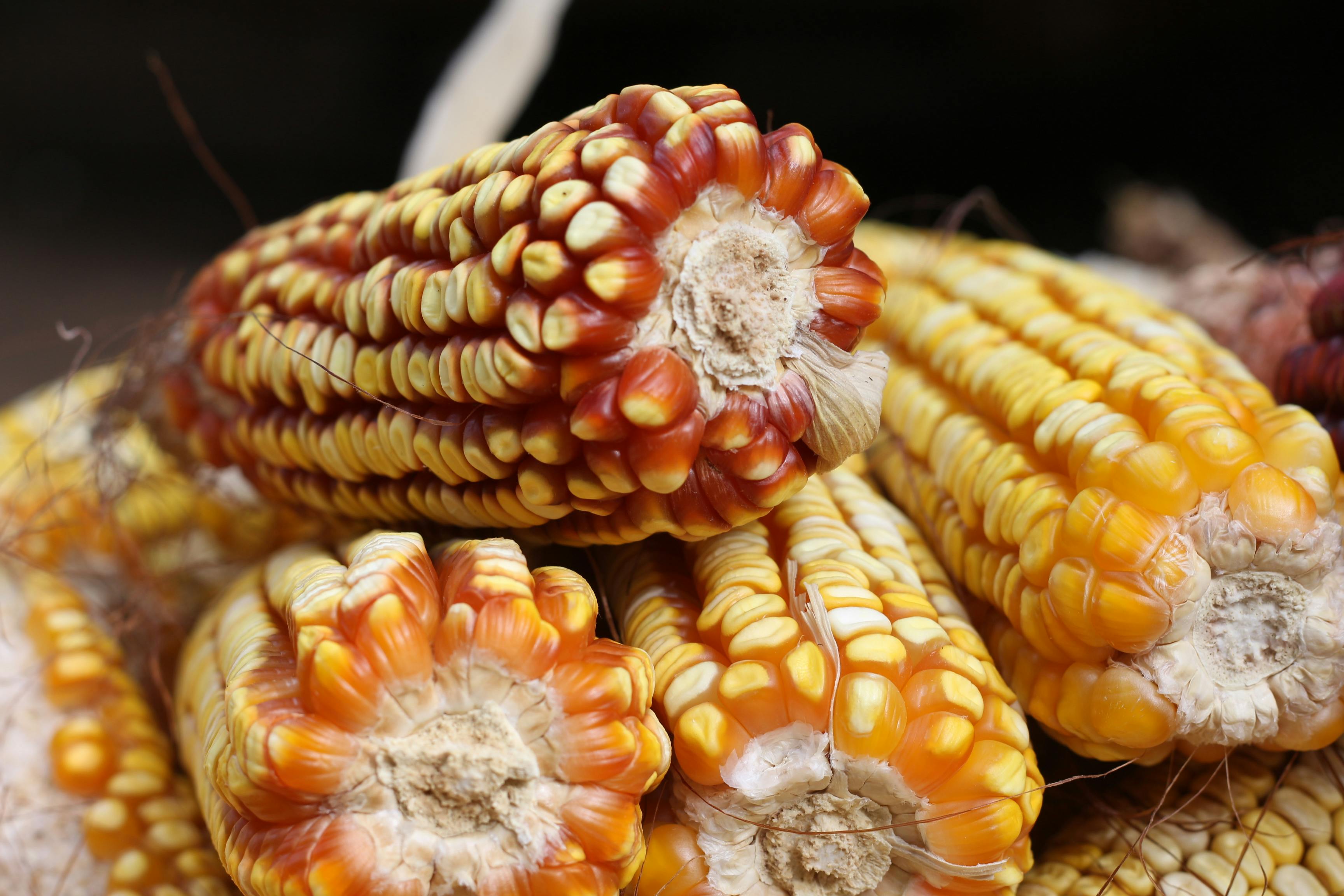
Kenya's agricultural landscape is undergoing a transformation as farmers grapple with declining maize yields, soil degradation, and climate unpredictability. Climate-smart diversified crop rotation is rapidly gaining importance, offering a sustainable solution for enhancing soil fertility and increasing profits.
Key Insights or Strategies
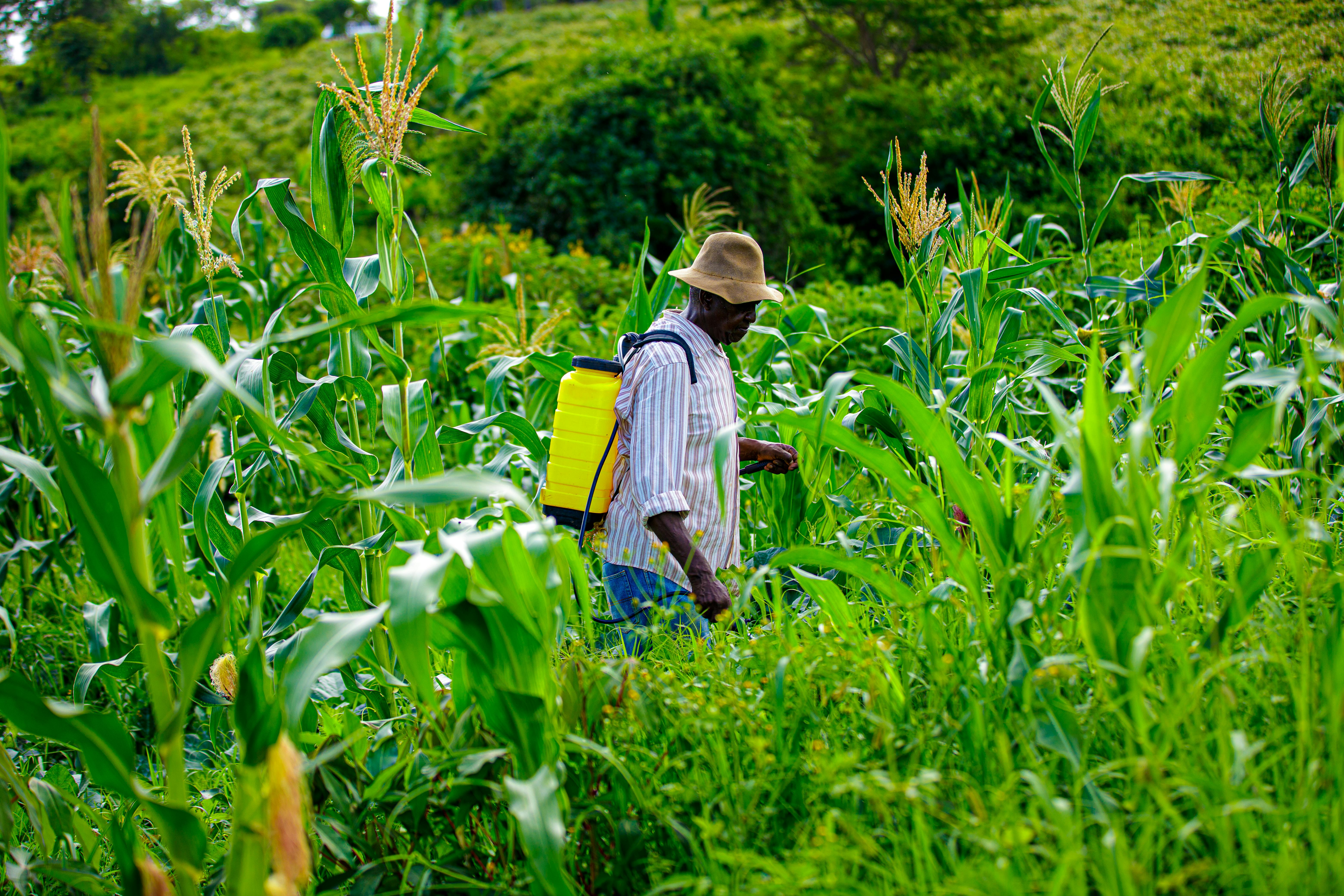
1. Soil Fertility Restoration
Integrate legumes like cowpeas or soybeans with maize to fix nitrogen naturally.Reduce synthetic fertilizer use by up to 40%.Utilize a Soil pH & Moisture Tester Kit to monitor your soil health and optimize nutrient application.2. Pest and Disease Control
Implement crop rotation to disrupt pest cycles inherent in monocultures.Reduce pesticide dependency by up to 50%.Consider applying products like WOW Wallace Organic Wonder fertilizer for sustainable nutrient management.3. Income Diversification
Incorporate high-value crops such as tomatoes or bananas.Stagger harvests to ensure continuous income flow.Utilize a Mini Greenhouse Kit to extend growing seasons. Explore sustainable organic farming solutions with Biofarm Kenya Case Studies, Examples, or Comparisons
In Kenya, climate-smart agriculture practices have shown significant results. For instance, a smallholder farmer in Nakuru incorporated legumes with maize, witnessing a reduction in fertilizer use by 40%, aligning with findings by FAO.
Common Mistakes to Avoid
Over-reliance on chemical fertilizers can lead to long-term soil degradation.Ignoring crop rotation's role in pest management can increase infestation risks.Inadequate water management during dry spells can reduce crop resilience.Expert Tips or Best Practices
Maintain healthy soil by using Organic Compost Starter Mix.Incorporate drip irrigation systems like the Flantor Drip Irrigation Kit to optimize water usage. Explore sustainable organic farming solutions with Biofarm Kenya Future Trends or Predictions
Climate-smart technologies such as AI-driven crop monitoring, smart irrigation, and vertical farming are emerging trends that promise to reshape agriculture in Kenya, aiding in resource management and enhancing yield predictability.
Conclusion
Sustainable agriculture through climate-smart crop rotation is more than just a trend; it's a necessity for Kenyan farmers seeking resilience and profitability in the face of climate change challenges. Explore trusted organic farming tools on Amazon and learn more about sustainable solutions with Biofarm Kenya.
FAQs
What is climate-smart agriculture? Climate-smart agriculture involves practices that mitigate and adapt to climate change effects, helping farmers maintain and improve productivity. Learn more from FAO.Why integrate legumes with maize? Legumes naturally fix nitrogen, enhancing soil fertility and reducing the need for chemical fertilizers.How does crop rotation aid pest control? Diversifying crops disrupts pest lifecycles, reducing dependence on pesticides.Where can I find reliable organic farming products? Check Amazon for various organic solutions.What role does irrigation play in climate-smart agriculture? Efficient water management through systems like drip irrigation optimizes resource use and supports plant health.What is Biofarm Kenya's role in local agriculture? Biofarm Kenya provides sustainable farming solutions tailored to the needs of Kenyan farmers. Explore more.External Links & Internal Biofarm Links
FAOScience DirectIAEABiofarm KenyaAmazonClimate Risk Management


0 Comments