

Estimated Reading Time: 15 minutes
TL;DR: Adaptation to climate change through drought-resistant crops can cut water use by 30-50%, reduce costs, and increase yield stability. Explore partnerships and tools for higher efficiency.
- Adopt drought-resistant crops like sorghum and millet to sustain yields during droughts.
- Use innovative planting techniques to maximize water efficiency.
- Integrate soil health practices like mulching with organic fertilizers.
- Leverage market linkages to drive profitability as demand for these crops increases.
Background & Context
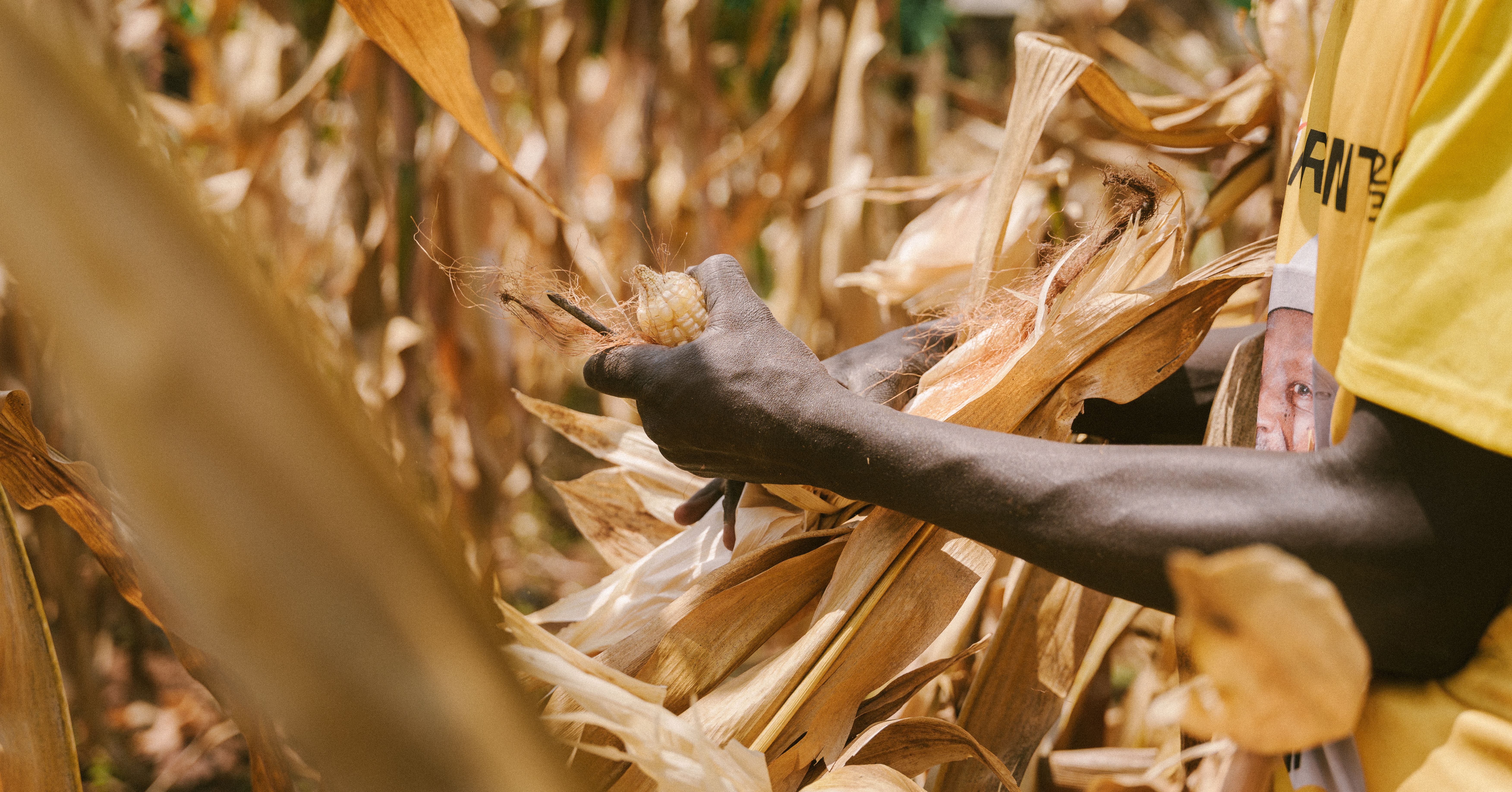
As climate change intensifies, Kenyan farmers are urgently searching for solutions to counter erratic rainfall and prolonged droughts. One solution gaining traction is the adoption of drought-resistant crops such as sorghum, millet, and improved bean cultivars, which use 30-50% less water compared to traditional crops like maize. The Kenyan agricultural sector is in a transformative phase, seeking resilient practices to maintain productivity and profitability under changing climatic conditions.
Key Insights or Strategies
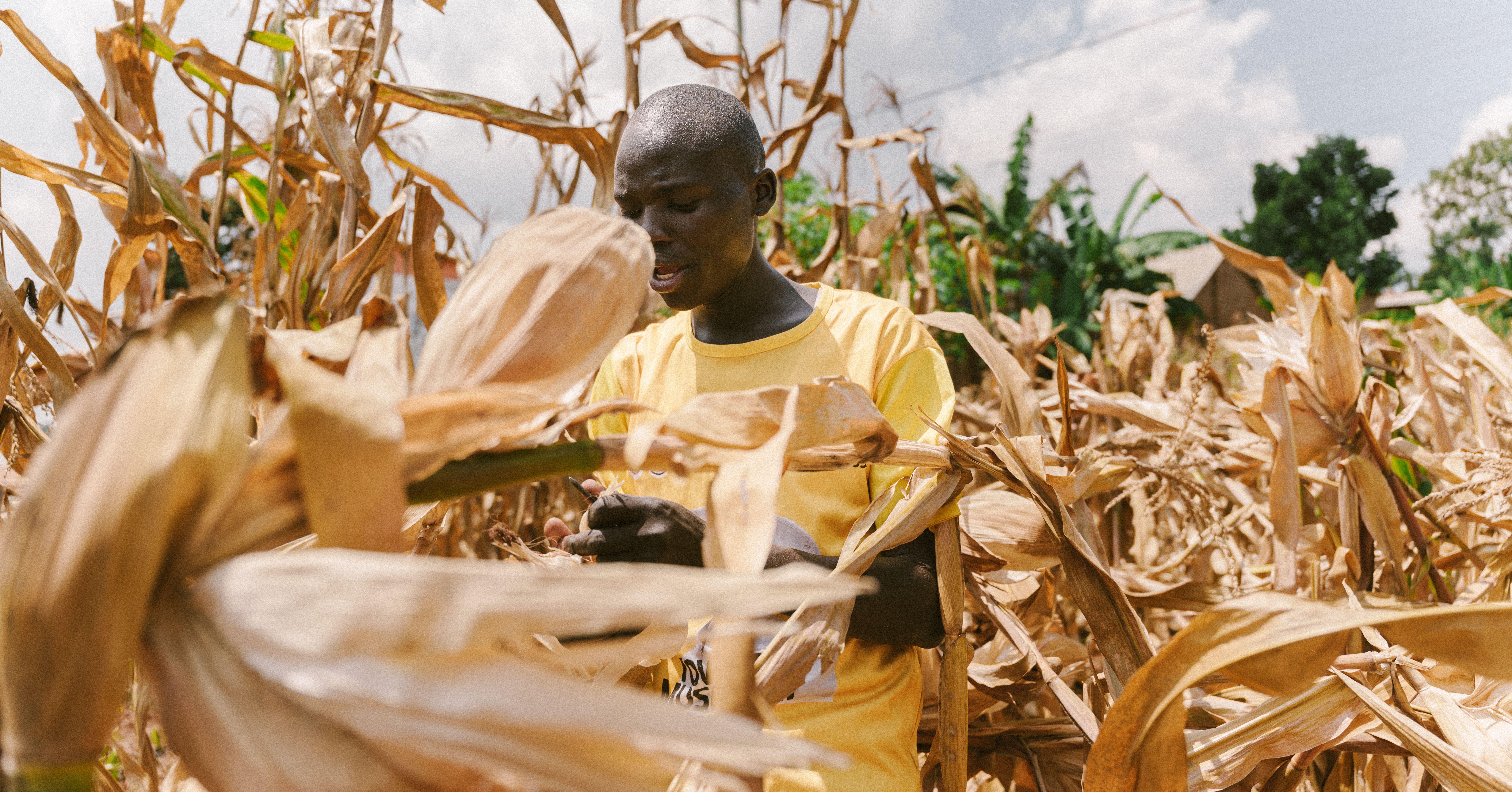
Adopting Drought-Resistant Crops
- Research and identify suitable drought-resistant varieties.
- Develop a crop rotation plan that includes these resilient crops.
- Start small to manage transition risks effectively.
Enhance soil health using MySoil Soil Test Kit – available on Amazon.
Explore sustainable organic farming solutions with Biofarm Kenya
Case Studies, Examples, or Comparisons
In Kitui County, Jane Mbiti transformed her yields by switching to drought-tolerant crops, increasing her production by up to 55%. AICCRA is actively scaling these innovations across Kenya’s drylands, creating success stories similar to Jane’s.
Common Mistakes to Avoid
- Neglecting soil testing before planting.
- Excessive reliance on synthetic fertilizers; use organic options instead.
- Improper irrigation techniques; adopt drip irrigation systems for efficiency.
Expert Tips or Best Practices
Maximize yields by mulching and using organic fertilizers like Wallace Organic Wonder, Soluble Humic & Fulvic Acid Powder.
For efficient soil management, integrate soil health practices such as crop rotation and organic amendments. Learn more about Biofarm Kenya's sustainable solutions.
Future Trends or Predictions
Look forward to innovations like smart irrigation systems and AI-driven crop monitoring that can further enhance agricultural resilience and productivity in East Africa.
Conclusion
Adopting drought-resistant crops and sustainable farming methods is crucial for Kenyan farmers facing climate challenges. Discover trusted organic farming tools on Amazon and learn more about sustainable solutions with Biofarm Kenya.
FAQs
- What are drought-resistant crops and why are they important? They help reduce water use and maintain yields. FAO
- How can I start transitioning to drought-resistant crops? Begin with soil testing and proper crop selection.
- What are the economic benefits of switching to these crops? Lower input costs and stable yields can improve profitability.
- How does climate change affect agriculture in Kenya? It leads to reduced rainfall and increased droughts. CGIAR
- Who are the leading suppliers of drought-resistant seeds? Major suppliers include Bayer CropScience and Syngenta.
- How can I improve soil fertility organically? Use compost and organic fertilizers for better soil health. Biofarm Kenya


0 Comments