

Estimated Reading Time: 11 minutes
TL;DR: Kenya's farmers are increasingly challenged by rising pest resistance and the escalating costs of chemical pesticides. Integrated Pest Management (IPM) offers a sustainable and profitable solution. By focusing on three key steps—monitoring pests with pheromone traps, introducing beneficial insects like Trichogramma wasps, and strategically timing organic pesticide applications—farmers can significantly reduce chemical dependency, boost profits by up to 25%, and preserve vital soil health for future generations. Embrace IPM for a healthier farm and a wealthier future.
Key Takeaways:
- Implement comprehensive pest monitoring using tools like pheromone traps to identify threats early and reduce broad-spectrum pesticide use.
- Integrate biological control methods, such as releasing beneficial insects, to naturally suppress pest populations.
- Optimize organic pesticide applications by understanding environmental factors and utilizing techniques like moon phase calendars for maximum efficacy.
- Adopt sustainable farming practices to enhance soil health, which is foundational to resilient crops and effective pest management.
- Leverage readily available resources and partner with organizations like Biofarm Kenya for expert guidance and proven IPM solutions.
Table of Contents
- Introduction
- Background & Context
- Key Insights or Strategies
- 1. Precision Monitoring with Pheromone Traps
- 2. Harnessing Nature: Beneficial Insects for Biological Control
- 3. Strategic Timing of Organic Pesticide Applications
- Case Studies, Examples, or Comparisons
- Common Mistakes to Avoid
- Expert Tips or Best Practices
- Future Trends or Predictions
- Conclusion
- FAQs
Boost Kenya Farm Profits with Proven IPM Strategies
In Kenya's vibrant agricultural landscape, farmers are at a crossroads. The persistent challenge of rising pest resistance coupled with ever-increasing chemical costs threatens livelihoods and environmental sustainability. For many, the traditional reliance on synthetic pesticides is becoming economically unfeasible and ecologically damaging. This pivotal moment demands a shift towards smarter, more sustainable farming practices. Integrated Pest Management (IPM) offers a powerful, holistic solution, enabling Kenyan farmers to safeguard their crops, reduce expenses, and significantly enhance profitability.
The urgency to adopt IPM is amplified as rising pest resistance and chemical costs drive Kenya's farmers to adopt IPM in 2025. This comprehensive approach moves beyond simply eliminating pests; it focuses on long-term prevention, monitoring, and control using a combination of biological, cultural, physical, and chemical tools in a way that minimizes economic, health, and environmental risks. For Kenyan farmers, this translates into healthier ecosystems, resilient crops, and ultimately, a more secure financial future. This article will delve into the core strategies of IPM, highlighting how practical steps can lead to tangible benefits, ensuring your farm thrives in the coming years.
Background & Context
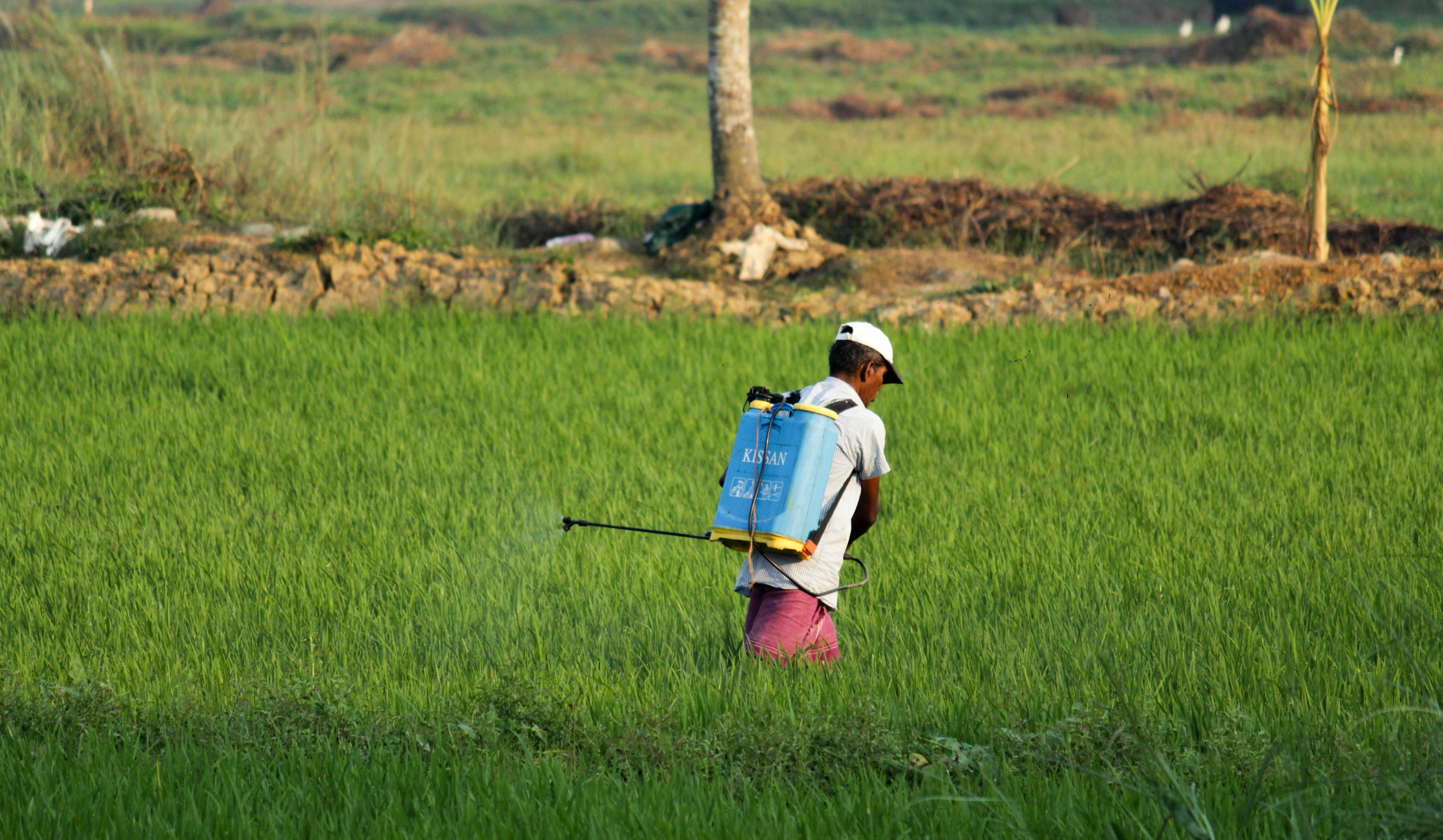
Kenya's agricultural sector is the backbone of its economy, contributing significantly to the GDP and providing livelihoods for a large portion of the population. However, this vital sector faces numerous challenges, including unpredictable weather patterns, soil degradation, and, critically, an escalating battle against crop pests. The over-reliance on synthetic pesticides has led to pests developing resistance, rendering many conventional chemicals ineffective and trapping farmers in a costly, unsustainable cycle.
The good news is that there's a growing movement towards sustainable agriculture practices in Kenya, with a particular emphasis on organic farming and robust soil fertility management. By 2025, there's a strong trend towards integrating technology and ecological principles to build resilient farming systems. Farmers are increasingly recognizing that healthy soil is the foundation of healthy plants, which are naturally more resistant to pests and diseases. This shift aligns perfectly with the principles of IPM, which prioritizes ecological balance and long-term farm viability over quick-fix chemical solutions.
The adoption of IPM is not just an environmental imperative; it's an economic one. Studies consistently show that well-implemented IPM programs can lead to significant reductions in input costs while maintaining or even increasing yields. This is particularly crucial for smallholder farmers who form the majority of Kenya's agricultural landscape, where every shilling saved and every extra kilogram harvested directly impacts household food security and income. IPM provides a pathway to not just survive, but to truly thrive in the evolving agricultural climate.
Key Insights or Strategies
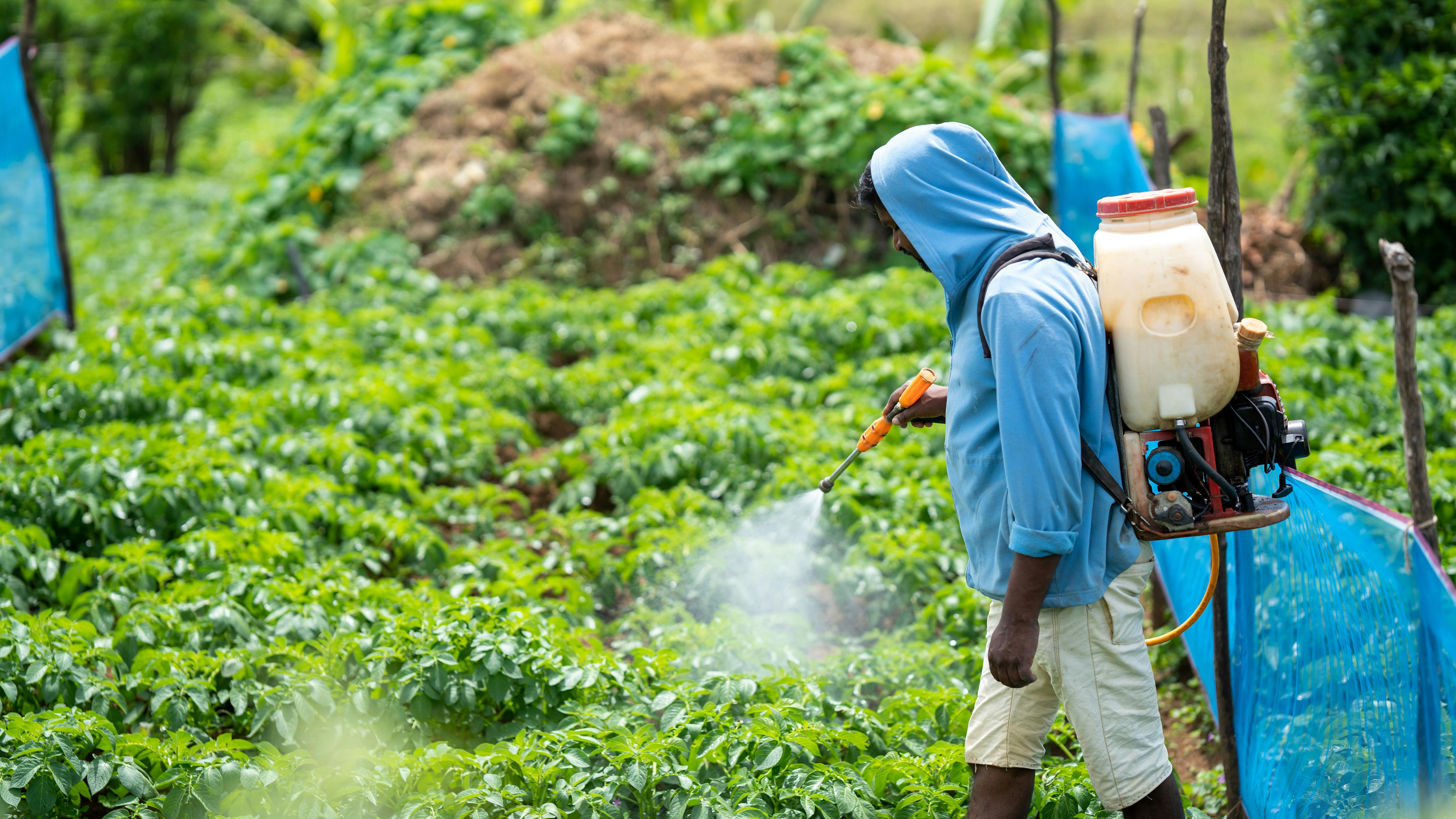
The effective implementation of Integrated Pest Management (IPM) hinges on a few core strategies that are both scientifically sound and practically applicable for Kenyan farmers. As training must focus on 3 steps, we'll break down these crucial components that empower farmers to manage pests effectively, reduce costs, and increase their farm's overall profitability.
1. Precision Monitoring with Pheromone Traps
The first and most critical step in any successful IPM program is accurate pest monitoring. You can't manage what you don't understand. Traditional methods often involve visual inspection, but specialized tools offer superior precision. Monitoring pests with pheromone traps allows farmers to detect pest populations early, understand their life cycles, and assess their numbers without relying on guesswork.
Pheromone traps use species-specific insect hormones to attract male pests, providing an early warning system for infestations. This allows for targeted interventions, preventing widespread damage and reducing the need for broad-spectrum pesticides. A KARI 2025 study on agricultural practices showed that farms actively using pheromone traps for early detection achieved a staggering 60% reduction in pesticide use, demonstrating the immense economic and environmental benefits.
Actionable Steps:
- Identify Target Pests: Research common pests in your region and specific crops to determine which pheromones are relevant.
- Strategic Placement: Place traps before planting or early in the growing season, following recommended spacing and height guidelines.
- Regular Inspection: Check traps frequently (e.g., twice a week) to count trapped insects and track population trends.
- Record Keeping: Maintain detailed records of pest counts, dates, and locations. This data is invaluable for informed decision-making.
For farmers looking to implement effective pest monitoring, consider the Trece Citrus Leafminer Trap Kit – available on Amazon. While specific to citrus leafminers, it exemplifies the power of targeted pheromone trapping for early detection and control, a principle applicable across various crops with the right lure.
2. Harnessing Nature: Beneficial Insects for Biological Control
Biological control involves using natural enemies like predators, parasitoids, and pathogens to keep pest populations in check. This strategy is a cornerstone of sustainable agriculture and a powerful component of IPM. Introducing beneficial insects like Trichogramma wasps for biological control is an excellent example of this, as these tiny wasps parasitize the eggs of various moth and butterfly pests, preventing them from hatching into destructive larvae.
By fostering a balanced ecosystem on your farm, you encourage these natural pest controllers to thrive. This not only reduces pest damage but also minimizes the need for chemical interventions, protecting biodiversity and enhancing overall farm health. The long-term impact is a more stable and resilient agricultural system.
Actionable Steps:
- Create Habitat: Plant flowering crops (e.g., dill, coriander, marigolds) that provide nectar and pollen for beneficial insects.
- Avoid Broad-Spectrum Pesticides: These chemicals kill beneficial insects along with pests, disrupting natural control.
- Identify Local Beneficials: Learn to recognize common beneficial insects in your area (ladybugs, lacewings, predatory mites).
- Strategic Release: If necessary, purchase and release beneficial insects when pest populations are at a manageable level, following supplier guidelines.
To bolster your farm's natural defenses, consider integrating beneficial nematodes. The Environmental Factor NemaKnights Slow-Release Nematodes – available on Amazon are a prime example of biological control, targeting soil-dwelling pests like fungus gnats and thrips larvae without harming plants or other beneficial organisms.
3. Strategic Timing of Organic Pesticide Applications
While IPM prioritizes non-chemical methods, there are instances where pest pressure necessitates the use of pesticides. In such cases, the emphasis shifts to using organic, least-toxic options and applying them judiciously. Timing organic pesticide applications is crucial for their effectiveness and to minimize any potential ecological impact.
The concept of using moon phase calendars for optimal timing, while often seen as traditional knowledge, aligns with understanding broader environmental rhythms that can influence pest activity and plant receptivity. Scientific studies, such as those often explored by institutions like KARI, continue to investigate the subtle impacts of environmental factors on agricultural outcomes. Applying organic pesticides when pests are most vulnerable (e.g., at specific life stages) and when weather conditions ensure maximum efficacy (e.g., calm winds, no immediate rain) significantly improves results.
Actionable Steps:
- Choose Certified Organic Products: Ensure any pesticide you use is approved for organic farming and targets your specific pest.
- Scout Before Spraying: Only apply pesticides when monitoring indicates pest populations have reached an economic threshold.
- Optimal Environmental Conditions: Spray during calm, cool parts of the day to prevent drift and maximize absorption.
- Rotate Products: Use different organic pesticides with varying modes of action to prevent pests from developing resistance to a single product.
When supplemental pest control is needed, an effective organic option can make a difference. The Bonide Captain Jack's Deadbug Brew, 32 oz Concentrate – available on Amazon, offers a powerful organic insecticide solution for controlling a wide range of common garden pests, aligning with sustainable farming practices.
Farmers using IPM report 25% higher profits while preserving soil health, a testament to the effectiveness and sustainability of these integrated approaches. Explore sustainable organic farming solutions with Biofarm Kenya to learn more about how these strategies can be tailored for your farm.
Case Studies, Examples, or Comparisons
The success of IPM strategies is not theoretical; it's being demonstrated by progressive farmers across Kenya. Take, for instance, the horticulture sector in central Kenya, where persistent challenges from diamondback moths and aphids once led to heavy pesticide use. Farmers in regions like Kirinyaga have transitioned to IPM, significantly reducing their input costs and enhancing the marketability of their produce.
One notable example is the adoption of precision agriculture technologies. Farmers are using satellite-driven insights and AI-powered advisories to monitor crop health and pest hotspots. This data-driven approach allows for highly localized interventions, preventing the spread of pests and diseases before they become major outbreaks. For example, a group of small-scale tomato farmers in Naivasha, guided by agricultural extension services and Biofarm Kenya, integrated pheromone traps with targeted releases of parasitic wasps. Within two seasons, they reported an average 30% reduction in pest-related crop losses and a corresponding increase in marketable yield, along with a significant decrease in pesticide expenditures.
Another compelling comparison lies in the approach to greenhouse farming. Traditionally, greenhouses in Kenya were seen as a way to control environmental factors but often still relied on prophylactic pesticide spraying. However, modern, eco-innovative greenhouse operators are now prioritizing beneficial insect releases and biological controls as the first line of defense. This shift has not only created healthier working environments but also produced premium-quality, residue-free produce that fetches better prices in local and international markets. The Ministry of Agriculture, Livestock, Fisheries and Cooperatives has been instrumental in promoting these success stories, advocating for IPM as a national strategy for food security and sustainable economic growth.
Common Mistakes to Avoid
Even with the best intentions, farmers can sometimes make errors that undermine IPM efforts or overall farm sustainability. Avoiding these pitfalls is key to maximizing your success and preserving your valuable resources:
- Over-reliance on a Single Solution:Mistake: Thinking IPM is just about using organic pesticides or just beneficial insects. IPM is an integrated approach, requiring a combination of strategies.Correction: Embrace a multi-faceted approach. Combine cultural practices (crop rotation), physical controls (traps), biological controls (beneficial insects), and only use targeted, least-toxic pesticides when absolutely necessary.
- Poor Soil Management:Mistake: Neglecting soil health, leading to nutrient deficiencies, poor water retention, and increased plant susceptibility to pests.Correction: Focus on building healthy soil through composting, cover cropping, minimal tillage, and proper organic fertilization. Healthy soil leads to strong, resilient plants that can better withstand pest attacks.
- Inadequate Pest Monitoring:Mistake: Reacting to visible pest damage rather than proactive monitoring, leading to delayed interventions that are less effective and more costly.Correction: Implement a rigorous monitoring schedule using tools like pheromone traps or regular field scouting. Early detection allows for timely, smaller-scale interventions.
- Incorrect Application of Biological Controls:Mistake: Releasing beneficial insects without proper habitat or at the wrong time, leading to their failure to establish or control pests effectively.Correction: Ensure there are sufficient food sources (nectar, pollen) and shelter for beneficial insects. Release them when pest populations are present but still manageable, following supplier instructions carefully.
- Improper Irrigation Systems:Mistake: Inefficient watering practices, such as overhead irrigation that promotes fungal diseases or underwatering that stresses plants and makes them vulnerable.Correction: Adopt efficient irrigation methods like drip irrigation, which delivers water directly to the plant roots, minimizing waste and reducing disease risk. Always water based on plant needs and soil moisture levels.
Expert Tips or Best Practices
To truly excel in sustainable farming and IPM in Kenya, consider these expert tips that blend traditional wisdom with modern agricultural science:
- Understand Your Microclimate: Every farm has a unique microclimate. Observe wind patterns, sun exposure, and water flow across your fields. This knowledge helps in strategic crop placement, pest barrier installation, and irrigation planning. For instance, planting pest-susceptible crops away from prevailing winds can reduce pest migration.
- Embrace Crop Diversity and Rotation: Monoculture creates an all-you-can-eat buffet for specific pests. Intercropping (planting different crops together) and regular crop rotation confuse pests, break disease cycles, and attract a wider range of beneficial insects. This also contributes to soil health and nutrient cycling.
- Invest in Quality Soil Health: Healthy soil is the foundation of a resilient farm. Regularly test your soil to understand its pH, nutrient levels, and organic matter content. For accurate readings, consider a professional-grade kit like the Luster Leaf 1662 Professional Soil Test Kit – available on Amazon. This will guide your organic fertilization and amendment strategies.
- Water Wisely with Drip Irrigation: Water scarcity and efficiency are critical in Kenya. Drip irrigation systems deliver water directly to the plant roots, minimizing evaporation and water-related diseases. This precise watering also reduces weed growth, further cutting down on labor and pest habitats. For small to medium farms, a reliable system like the MIXC Drip Irrigation System – available on Amazon can be a game-changer for water efficiency and plant health.
- Learn from Local Successes: Connect with other successful IPM practitioners in your community. Local knowledge and practical experience are invaluable. Attend farmer field schools, workshops, and agricultural shows to share and gain insights.
- Integrate Livestock Responsibly: If applicable, integrate livestock into your farming system. Chickens can control insects, sheep can manage weeds, and their manure can enrich your soil. Ensure proper management to prevent overgrazing or disease transmission.
By integrating these tips, you'll not only manage pests more effectively but also build a more resilient and profitable farm. Explore sustainable organic farming solutions with Biofarm Kenya for resources and partnerships that can further support your journey towards a thriving, eco-friendly farm.
Future Trends or Predictions
Kenya's agricultural sector is on the cusp of a technological revolution that promises to redefine farming practices and IPM strategies. The future of farming here is bright, with several key trends poised to reshape how farmers cultivate their land and manage pests:
- Smart Irrigation Systems: Beyond basic drip irrigation, intelligent systems are emerging that use soil moisture sensors, weather data, and even AI to determine precise watering needs. This hyper-efficient approach conserves water, optimizes plant health, and reduces conditions favorable for certain pests and diseases. Imagine systems that automatically adjust irrigation based on real-time rainfall data and crop growth stages.
- AI-Driven Crop Monitoring and Diagnostics: Artificial intelligence and machine learning are increasingly being applied to agriculture. Drones equipped with hyperspectral cameras can scan vast fields to detect early signs of pest infestations, nutrient deficiencies, or disease outbreaks. AI algorithms can then analyze this data to provide farmers with predictive insights and targeted intervention recommendations, significantly improving efficiency and reducing crop loss.
- Vertical Farming and Controlled Environment Agriculture (CEA): For urban and peri-urban areas, vertical farms and other CEA systems offer a way to produce high-value crops with minimal land and water. These controlled environments naturally reduce pest pressure, often eliminating the need for pesticides entirely, and offer consistent yields regardless of external weather conditions.
- Biotechnology and Bio-pesticide Innovation: Research into new, highly specific bio-pesticides derived from natural sources (e.g., fungi, bacteria, plant extracts) continues to advance. These solutions offer effective pest control with virtually no environmental residue or harm to beneficial organisms, providing farmers with powerful new tools for IPM.
- Blockchain for Traceability and Market Access: While not directly pest management, blockchain technology is set to enhance food traceability from farm to table. This transparency can help Kenyan farmers access premium markets for their organically grown or IPM-certified produce, assuring consumers of quality and sustainable practices.
- Farmer-Centric Digital Platforms: The rise of mobile technology will continue to empower farmers with access to localized weather forecasts, market prices, expert advice, and online communities for sharing best practices. These platforms will facilitate the rapid adoption of new IPM techniques and sustainable farming methods.
These innovations promise a future where Kenyan farms are not only more productive and profitable but also significantly more resilient and environmentally friendly, solidifying their role as leaders in sustainable agriculture in East Africa.
Conclusion
The journey towards sustainable and profitable farming in Kenya, especially in the face of escalating pest resistance and chemical costs, points unequivocally towards the adoption of Integrated Pest Management (IPM). By embracing a holistic strategy that prioritizes prevention, precise monitoring, and environmentally sound interventions, Kenyan farmers can transform their challenges into opportunities. We've seen how monitoring pests with pheromone traps, introducing beneficial insects like Trichogramma wasps, and strategically timing organic pesticide applications are not just academic concepts but practical steps that yield significant results.
Farmers who commit to these proven IPM strategies are not just reducing their environmental footprint; they are securing their financial future, reporting up to 25% higher profits and ensuring the long-term health and fertility of their soil. This integrated approach creates resilient farm ecosystems that are less dependent on external inputs and more capable of withstanding agricultural challenges.
The future of Kenyan agriculture lies in smart, sustainable practices. By making informed choices, leveraging both traditional wisdom and modern technology, and continuously learning, every farmer can contribute to a healthier, wealthier agricultural landscape for generations to come. Discover trusted organic farming tools on Amazon and learn more about sustainable solutions with Biofarm Kenya.
FAQs
1. What exactly is Integrated Pest Management (IPM) and why is it important for Kenyan farmers?
IPM is a sustainable approach to managing pests by combining biological, cultural, physical, and chemical tools in a way that minimizes economic, health, and environmental risks. For Kenyan farmers, it's crucial because it reduces reliance on costly chemical pesticides, combats pest resistance, protects beneficial insects and soil health, and ultimately leads to higher profits and more sustainable farming practices. Learn more about FAO's global IPM initiatives.
2. How can pheromone traps help me reduce pesticide use on my farm?
Pheromone traps are a key monitoring tool that attracts specific male pests, allowing you to detect their presence early and track population trends. By understanding when and where pests are active, you can make targeted interventions only when necessary, avoiding widespread, prophylactic pesticide spraying. This precision significantly reduces overall pesticide use and costs. Explore KARI's research on pest monitoring technologies.
3. What are beneficial insects and how do I introduce them to my farm?
Beneficial insects are natural enemies of pests, including predators (like ladybugs, lacewings) and parasitoids (like Trichogramma wasps) that help control pest populations. You can introduce them by creating a hospitable environment with diverse flowering plants that provide nectar and pollen, and by avoiding broad-spectrum pesticides. You can also purchase and release specific beneficial insects when needed, following expert guidance. Discover NEMA's guidelines on biodiversity and ecological balance in agriculture.
4. Is using moon phase calendars for organic pesticide application scientifically proven?
While the direct scientific evidence specifically linking moon phases to pesticide efficacy is still an area of ongoing research and traditional belief, the core principle is about aligning practices with natural rhythms. The critical scientific takeaway is the importance of 'timing' your applications based on pest life cycles, weather conditions, and plant vulnerability for maximum effectiveness and minimal environmental impact, which aligns with IPM principles. Consult Biofarm Kenya for expert advice on organic farming calendars and best practices.
5. What are some common mistakes Kenyan farmers make with soil health, and how can they be avoided?
Common mistakes include neglecting regular soil testing, not adding organic matter, excessive tillage, and improper fertilizer application. These lead to depleted soils, poor water retention, and reduced crop resilience. To avoid this, regularly test your soil, incorporate compost and cover crops, practice minimal tillage, and use organic fertilizers based on soil analysis. Refer to KEBS standards for organic agriculture and soil management.
6. How can technology, like AI and smart irrigation, benefit small-scale Kenyan farmers?
Even small-scale farmers can benefit from technology. AI-powered apps can provide localized weather forecasts and pest alerts. Smart irrigation systems, scaled appropriately, can optimize water use, a critical resource. Drones can be used for affordable, community-shared scouting services. These technologies lead to more informed decisions, higher yields, and reduced resource waste, making farming more efficient and profitable. Explore initiatives by the Ministry of Agriculture, Livestock, Fisheries and Cooperatives on agricultural technology adoption.



0 Comments