

Estimated Reading Time: 11 minutes
TL;DR:
Key Takeaways:
Table of Contents
Introduction
For generations, maize has been the cornerstone of food security and economic stability for countless households across Kenya. However, Kenyan farmers increasingly seek solutions for erratic rainfall and low soil fertility, challenges that threaten their livelihoods and the nation's food supply. Climate change has exacerbated these issues, leading to unpredictable harvests and increased reliance on costly external inputs. The good news is that viable, sustainable solutions exist, offering a path to not only overcome these hurdles but also to thrive.
This comprehensive guide is designed to empower farmers with the knowledge and practical steps to adopt intercropping legumes (e.g., pigeon peas, beans) with maize. This proven method goes beyond simply boosting yields; it’s a holistic approach that restores soil health naturally, slashes fertilizer expenses, and builds resilience against climate shocks. By integrating these practices, farmers can realistically expect to increase their maize yields by 30-50% while simultaneously enhancing the long-term productivity and sustainability of their land. Join us as we explore the transformative power of intercropping and other sustainable farming techniques.
Background & Context
Kenya's agricultural sector is the backbone of its economy, contributing significantly to the GDP and employing a large percentage of the population. Yet, many smallholder farmers grapple with declining soil fertility, a direct consequence of continuous cultivation without adequate nutrient replenishment, coupled with the escalating impacts of climate change. Erratic weather patterns, including prolonged droughts and intense floods, make traditional farming methods increasingly precarious.
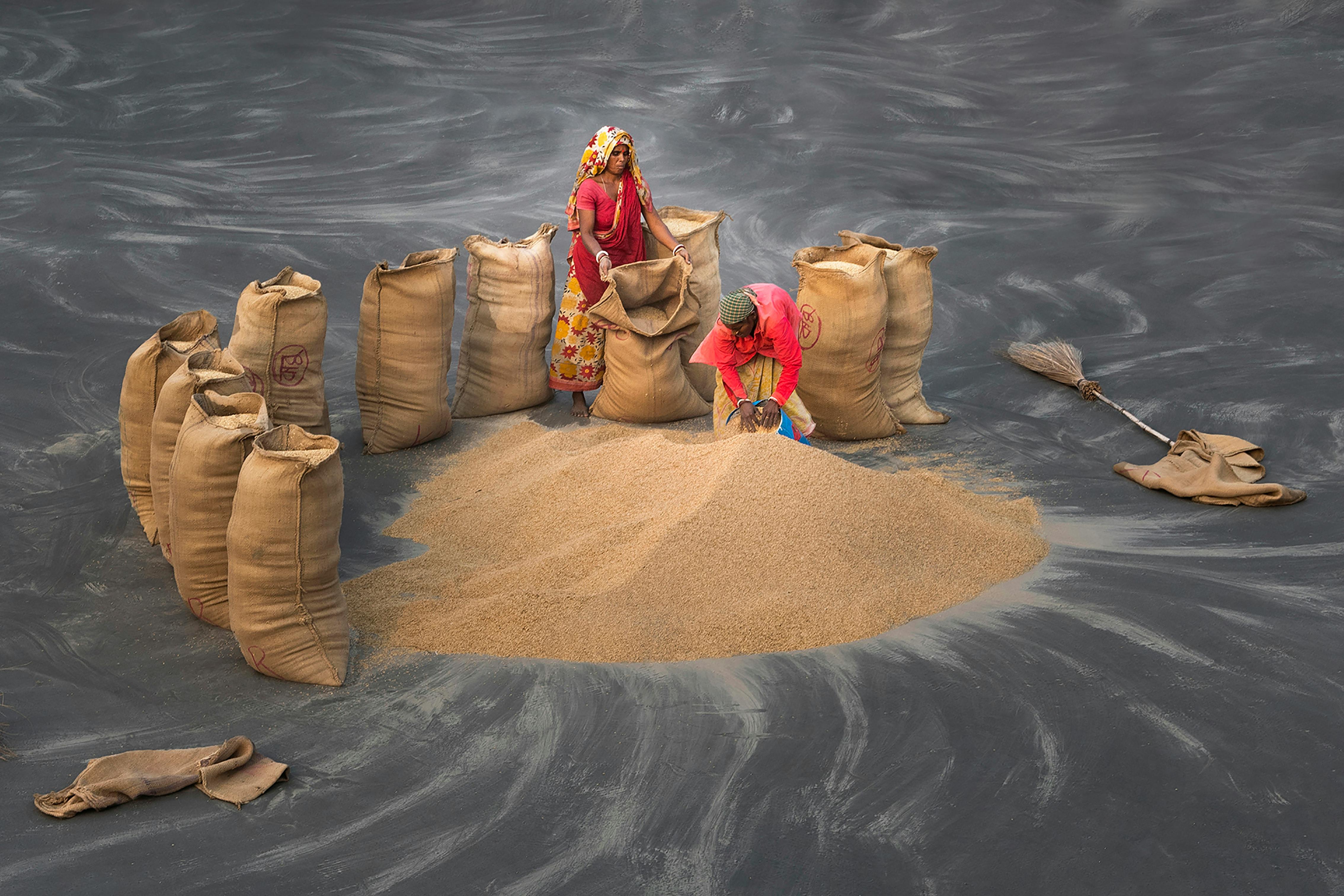
The urgency for sustainable agricultural practices has never been greater. Organic farming, conservation agriculture, and agroforestry are gaining traction as vital strategies to reverse soil degradation, improve water retention, and enhance biodiversity. Studies by organizations like Farm Africa highlight the dramatic transformations smallholder farmers are experiencing through the adoption of regenerative agriculture practices, leading to increased yields, incomes, and resilience. The Kenya Food Systems and Land Use Action Plan (2024-2030) also underscores the nation's commitment to resilient food systems. Intercropping maize with legumes stands out as a particularly effective and accessible method, aligning perfectly with the principles of ecological intensification to enhance soil health and crop productivity, as evidenced by ongoing research.
Key Insights or Strategies
Intercropping maize with legumes is a powerful strategy for sustainable farming in Kenya, offering a multitude of benefits from improved soil health to enhanced yields. Here are the key steps to implement this method effectively:

Selecting the Right Legume Varieties
The success of intercropping hinges on choosing legume varieties that are not only drought-tolerant but also compatible with your local maize strains. Compatibility ensures that crops do not excessively compete for light, water, and nutrients, but rather complement each other.
- Drought-Tolerant Pigeon Peas: Varieties like Egerton Mbaazi 1, Egerton Mbaazi 3, Egerton Mbaazi 4, and the Mituki pigeonpea are excellent choices for their resilience in arid and semi-arid regions of Kenya. They provide nitrogen fixation and an additional food source.
- Common Beans for Intercropping: Look for early-maturing, drought-tolerant common bean varieties such as Nyota or root-rot tolerant options like Chelelang Bean (wonder bean). These offer quick returns and enrich the soil.
- Green Grams and Cowpeas: In warmer eastern Kenya, green grams (mung beans) are a viable option. Drought-tolerant bushy cowpeas also perform well across a wide range of soil conditions, providing ground cover and nitrogen.
Before planting, understanding your soil's composition is crucial. A reliable soil testing kit can provide insights into pH, nutrient levels, and moisture. For comprehensive analysis, consider the Soil Test Kit -140 Test- 2025 Updated – available on Amazon , which offers detailed readings for Nitrogen, Phosphorus, and Potassium. This information will guide your choice of legumes and any supplementary organic inputs needed.
Optimizing Spacing for Resource Efficiency
Proper spacing is key to maximizing both light and water use efficiency in an intercropping system, ensuring both maize and legumes thrive without detrimental competition.
- Staggered Planting: Plant legumes a few weeks after maize. This gives the maize a head start, reducing initial competition for light and allowing the legumes to establish once the maize canopy is taller.
- Row Configuration: Implement alternate row intercropping or strip intercropping. For example, plant two rows of maize followed by one or two rows of legumes. This ensures adequate sunlight reaches the legumes and facilitates management.
- Intra-row Spacing: Maintain recommended spacing within rows for both maize and legumes to prevent overcrowding. This allows for better air circulation, reducing disease incidence.
- Consider Plant Architecture: Choose bushy, upright legume varieties that complement the maize’s growth habit. Avoid sprawling varieties that might smother young maize plants.
By optimizing spacing, you create a harmonious environment where plants can access resources effectively, leading to healthier growth and higher yields. For more advanced sustainable organic farming solutions and guidance on optimal planting practices, explore sustainable organic farming solutions with Biofarm Kenya .
Managing Pests Through Crop Diversity
Crop diversity inherent in intercropping is a natural and effective pest management strategy, reducing reliance on chemical pesticides and promoting ecological balance.
- Habitat Diversification: A diverse plant environment attracts beneficial insects that prey on common maize pests. The presence of legumes can confuse pests that specialize in maize, making it harder for them to locate their host.
- Push-Pull Strategy: Some legumes can act as 'repellent' crops (push) for pests like stemborers, while other plants (pull) are planted as trap crops around the field borders to lure pests away from the main crop.
- Soil Health and Plant Vigor: Healthy soil, improved by nitrogen-fixing legumes, leads to stronger, more resilient maize plants that are naturally better equipped to resist pest and disease attacks.
- Monitoring and Early Intervention: Regularly inspect your fields for signs of pests or diseases. Early detection allows for targeted, organic interventions like neem oil sprays or manual removal, minimizing damage.
This integrated approach significantly reduces pest pressure and promotes a healthier farm ecosystem. To further bolster your plants' natural defenses, consider supplementing with organic nutrients. The MAXIMUS All-Purpose Organic Plant Food Concentrate – available on Amazon , can provide the essential nourishment your crops need to thrive organically.
Case Studies, Examples, or Comparisons
Across Kenya, numerous smallholder farmers are successfully implementing intercropping and other sustainable practices, serving as powerful examples of the method's effectiveness.
In the semi-arid regions of Makueni County, where erratic rainfall is a constant threat, farmers working with partners like CIMMYT have embraced the drought-tolerant Mituki pigeonpea variety in intercropping systems with local maize. This has not only led to more consistent maize yields but also provided an additional source of income and food security from the pigeonpeas. Farmers report improved soil moisture retention and a noticeable reduction in the need for synthetic fertilizers, directly attributing these benefits to the leguminous component.
A recent 2024 ICRISAT-affiliated study (building on earlier research confirming the economic viability) highlighted that integrating legumes into maize-based cropping systems significantly increases profitability, showcasing yield gains and improved land use efficiency in various intercropping configurations across Africa. The study reinforces that such adaptive actions, including reducing N, P, K fertilizer rates and adapting more legumes, lead to enhanced sustainability. Furthermore, research published in Frontiers in Sustainable Food Systems emphasizes the importance of integrated soil fertility management (ISFM) practices, which combine organic and inorganic inputs, especially in areas facing severe land degradation and low soil fertility.
These real-world examples and scientific findings demonstrate that sustainable intercropping is not just an theoretical concept but a practical, impactful solution for Kenyan farmers increasingly seeking solutions for erratic rainfall and low soil fertility. By observing and learning from these successes, more farmers can confidently transition to methods that benefit both their farms and the environment.
Common Mistakes to Avoid
While intercropping offers immense benefits, certain pitfalls can hinder its success. Being aware of these common mistakes and how to correct them is essential for maximizing your yields and maintaining soil health.
- Ignoring Soil Testing: Planting without understanding your soil's current nutrient levels and pH is a recipe for imbalance. Without knowing what your soil lacks or has in excess, you can't tailor your intercropping choices or management.
Correction: Invest in regular soil testing. This informs your choice of legumes, optimal spacing, and any organic amendments needed. - Improper Legume Selection: Choosing legumes that are too competitive with maize, or not well-suited to local climatic conditions, can lead to reduced yields for both crops.
Correction: Always select drought-tolerant, locally adapted, and compatible legume varieties. Consult agricultural extension services for recommendations specific to your agro-ecological zone. - Inadequate Spacing: Overcrowding crops in an attempt to maximize plants per area often leads to intense competition for light, water, and nutrients, resulting in stunted growth and lower yields.
Correction: Adhere to recommended spacing guidelines for both maize and the intercropped legume. Staggered planting and alternate row patterns can mitigate competition. - Neglecting Organic Matter: Solely relying on the nitrogen-fixing capabilities of legumes without actively incorporating other organic matter (compost, crop residues) limits long-term soil health improvement.
Correction: Complement intercropping with continuous incorporation of compost, animal manure, and crop residues. This builds soil organic carbon, crucial for fertility and water retention. - Poor Pest and Disease Monitoring: Assuming crop diversity alone will eliminate all pest issues can lead to outbreaks if not actively monitored.
Correction: Implement regular field scouting. Understand the specific pests and diseases common to your area and be prepared with organic pest control methods if necessary. - Lack of Water Management: Even with drought-tolerant varieties, inefficient water use can still impact yields, especially during dry spells.
Correction: Combine intercropping with efficient irrigation techniques like drip irrigation, and employ mulching to conserve soil moisture.
Avoiding these common errors will pave the way for a more successful and productive intercropping system, ensuring your efforts lead to tangible improvements in both yields and soil health.
Expert Tips or Best Practices
To truly unlock the potential of sustainable farming and intercropping, embrace these expert tips and best practices tailored for Kenyan conditions:
- Embrace Integrated Soil Fertility Management (ISFM): Don't just rely on legumes. Combine their nitrogen-fixing power with other organic amendments like compost and well-rotted manure. This holistic approach builds long-term soil health and reduces the need for synthetic inputs. Regularly test your soil to precisely understand its needs.
- Water Conservation is Paramount: Given the challenge of erratic rainfall, efficient water use is critical. Implement water-harvesting techniques, practice mulching to reduce evaporation, and consider micro-irrigation systems for targeted water delivery. For small-scale operations, the Pawfly 50ft Drip Irrigation System Kit – available on Amazon , offers an excellent start to conserving water.
- Utilize Local Knowledge & Extension Services: Connect with experienced local farmers and agricultural extension officers. They possess invaluable insights into what works best in your specific locality, including suitable crop varieties and traditional sustainable practices.
- Crop Rotation Beyond Intercropping: While intercropping is beneficial, integrate broader crop rotation practices. This further breaks pest and disease cycles, improves soil structure, and optimizes nutrient cycling over successive growing seasons.
- Invest in Quality Seeds: Start with certified, high-quality seeds for both maize and legumes. This ensures better germination rates, disease resistance, and higher yield potential, making your initial investment worthwhile.
- Continuous Learning and Adaptation: Agriculture is dynamic. Stay informed about new drought-tolerant varieties, pest management techniques, and climate-smart innovations. Be prepared to adapt your practices based on changing environmental conditions and new research findings.
By integrating these tips, you can significantly enhance your farm's productivity, resilience, and sustainability, leading to better harvests and a healthier environment. To discover more resources and partnerships that can elevate your sustainable farming journey, explore sustainable organic farming solutions with Biofarm Kenya .
Future Trends or Predictions
The landscape of Kenyan agriculture is evolving rapidly, with innovation playing a crucial role in shaping a sustainable and prosperous future for smallholder farmers. Several key trends are set to revolutionize how food is grown and managed.
Smart Farming Technologies: We are at the dawn of an era where digital tools will empower farmers. Satellite technology for precision agriculture will allow for more accurate monitoring of crop health, soil moisture, and nutrient deficiencies. Mobile applications will provide real-time weather forecasts, market prices, and expert advice directly to farmers' phones, enabling data-driven decision-making. Drones, though currently more advanced, will eventually offer localized spraying and surveillance, optimizing resource use and pest management.
Vertical Farming and Controlled Environments: As urban populations grow and arable land becomes scarcer, vertical farming and greenhouse technologies will become more prevalent, especially for high-value crops. While initially capital-intensive, advancements will make these more accessible, offering year-round production, reduced water usage, and protection from extreme weather events. This will be particularly beneficial in peri-urban areas around cities like Nairobi and Mombasa.
AI-Driven Crop Monitoring and Analytics: Artificial Intelligence (AI) will move beyond basic data collection to provide predictive analytics. AI models will analyze vast datasets of climate patterns, soil conditions, and historical yields to offer personalized recommendations for planting times, irrigation schedules, and disease prevention, significantly reducing risks and increasing efficiency for Kenyan farmers increasingly seeking solutions for erratic rainfall and low soil fertility.
Enhanced Biodiversity and Agroecology: Beyond intercropping, there will be a greater emphasis on full agroecological systems that mimic natural ecosystems. This includes integrating trees (agroforestry), diverse cover crops, and livestock into farming systems to maximize ecological services, enhance soil fertility, and improve farm resilience against climate shocks and pest outbreaks. These integrated approaches will become the norm for truly sustainable food production.
These innovations promise to make farming more efficient, resilient, and environmentally friendly, ensuring a sustainable future for Kenyan agriculture. Staying abreast of these developments and gradually adopting suitable technologies will be key for farmers aiming for long-term success.
Conclusion
Boosting maize yields and enhancing soil health with sustainable farming practices, particularly through intercropping legumes, offers a powerful and proven pathway for Kenyan farmers. By embracing intercropping with drought-tolerant varieties of pigeon peas and beans, farmers can realistically achieve 30-50% higher maize yields, naturally restore vital soil nitrogen, and drastically cut down on expensive fertilizer costs by as much as 40%. More importantly, these methods build crucial resilience against the increasing challenges of erratic rainfall and climate risks, securing livelihoods and food supply for the future.
From careful variety selection and optimized spacing to natural pest management through crop diversity, the steps outlined in this guide provide a practical blueprint for success. Avoiding common mistakes and adopting expert tips, including integrated soil fertility management and water conservation, will further solidify your farm's productivity and sustainability. As we look ahead, the integration of smart farming technologies and agroecological principles promises an even more efficient and resilient agricultural sector in Kenya.
The journey towards sustainable agriculture is continuous, but the rewards are profound: healthier soils, abundant harvests, reduced costs, and a thriving farm that can withstand the challenges of a changing climate. Discover trusted organic farming tools on Amazon and learn more about sustainable solutions with Biofarm Kenya . Your commitment to these practices ensures a prosperous future for your farm and a food-secure Kenya.
FAQs
Q1: What are the primary benefits of intercropping maize with legumes in Kenya?
Intercropping maize with legumes like pigeon peas and beans offers multiple benefits. It significantly improves soil fertility through nitrogen fixation, reduces the need for chemical fertilizers, enhances soil moisture retention, and can increase overall land productivity by 30-50%. Additionally, the diverse crop system often deters pests, reducing crop losses and pest management costs. This practice contributes to diversified income streams and greater food security. Learn more about the benefits from CGIAR research.
Q2: Which legume varieties are best suited for intercropping with maize in drought-prone areas of Kenya?
For drought-prone regions, selecting robust, drought-tolerant legume varieties is crucial. Recommended pigeon pea varieties include Egerton Mbaazi 1, Egerton Mbaazi 3, Egerton Mbaazi 4, and Mituki. For common beans, early-maturing and drought-tolerant options like Nyota or root-rot tolerant varieties like Chelelang Bean are suitable. Additionally, drought-tolerant bushy cowpea varieties can thrive in various soil conditions. Read about new drought-tolerant varieties from ILRI.
Q3: How does intercropping maize and legumes help reduce fertilizer costs?
Legumes have a unique symbiotic relationship with certain soil bacteria (Rhizobia) that allows them to fix atmospheric nitrogen into a form usable by plants. This natural process, called nitrogen fixation, enriches the soil with nitrogen, a key nutrient for maize growth. As a result, farmers can significantly reduce their reliance on expensive synthetic nitrogen fertilizers, leading to substantial cost savings—potentially up to 40%. Discover more about natural soil enrichment with Biofarm Kenya.
Q4: What are the common challenges farmers face when adopting maize-legume intercropping?
While highly beneficial, intercropping can present challenges. These include potential competition between maize and legumes for light, water, and nutrients if not properly managed (e.g., incorrect spacing or timing). Farmers might also face initial knowledge gaps regarding suitable variety selection and optimal management practices. Pest and disease management can also differ in an intercropped system compared to monoculture. CIMMYT discusses balancing resource competition.
Q5: How can intercropping help mitigate climate risks, especially erratic rainfall?
Intercropping helps mitigate climate risks in several ways. The presence of a legume cover crop improves soil structure and organic matter content, leading to enhanced water infiltration and retention, which is crucial during dry spells. Crop diversity increases the overall resilience of the farming system, making it less vulnerable to the failure of a single crop due to extreme weather events. Furthermore, healthier soil fostered by intercropping promotes stronger plants better equipped to withstand environmental stresses. Explore how sustainable practices boost resilience on Farmonaut.
Q6: Are there specific spacing techniques recommended for optimal maize-legume intercropping?
Yes, optimal spacing techniques are vital. A staggered planting approach, where legumes are planted a few weeks after maize, can minimize early competition. Common configurations include alternate row intercropping (e.g., two rows of maize followed by one row of legumes) or strip intercropping. Maintaining appropriate intra-row spacing for both crops ensures adequate light penetration and nutrient access. The goal is to maximize the complementary benefits while minimizing negative interactions between the crops. Learn about staggered intercrop arrangements from ScienceDirect.
Further Resources from Biofarm Kenya:
- Explore sustainable organic farming solutions with Biofarm Kenya
- Discover Biofarm Kenya's organic farming products
- Attend Biofarm Kenya's farmer training workshops
- Read more articles on sustainable agriculture from Biofarm Kenya
- Contact Biofarm Kenya for personalized agricultural advice
- Learn more about Biofarm Kenya's mission and vision



0 Comments