

Estimated Reading Time: 10 minutes
TL;DR: Implement legume intercropping and composting to naturally enhance soil nitrogen, significantly cutting fertilizer costs and boosting yields. Embrace climate-smart practices to build resilient and profitable farms. A KALRO study indicates these methods can lead to 30% higher yields and 40% lower input costs for Kenyan smallholders. Focus on selecting appropriate legumes, creating rich farmyard compost, and utilizing mulch for moisture retention. Invest in sustainable tools like soil testing kits and organic compost starters for optimal results.
Key Takeaways:
Table of Contents
- IntroductionBackground & ContextKey Insights or StrategiesCase Studies, Examples, or ComparisonsCommon Mistakes to AvoidExpert Tips or Best PracticesFuture Trends or PredictionsConclusionFAQs
Introduction
In the heart of East Africa, Kenyan farmers are increasingly seeking affordable, climate-smart alternatives to chemical fertilizers. The reliance on costly synthetic inputs has often squeezed profit margins for smallholder farmers, making sustainable practices not just an environmental choice but an economic necessity. This comprehensive guide delves into effective, natural farming methods that promise to revitalize your soil, boost yields, and secure your farm's future. We will explore how simple yet powerful techniques like legume intercropping and composting can work wonders for your land.This training focuses on legume intercropping and composting to enhance soil nitrogen naturally. By adopting these methods, farmers can significantly reduce their dependency on external fertilizers, leading to substantial cost savings and healthier crops. The journey to sustainable agriculture begins with understanding and nurturing the very foundation of farming: the soil.
Background & Context
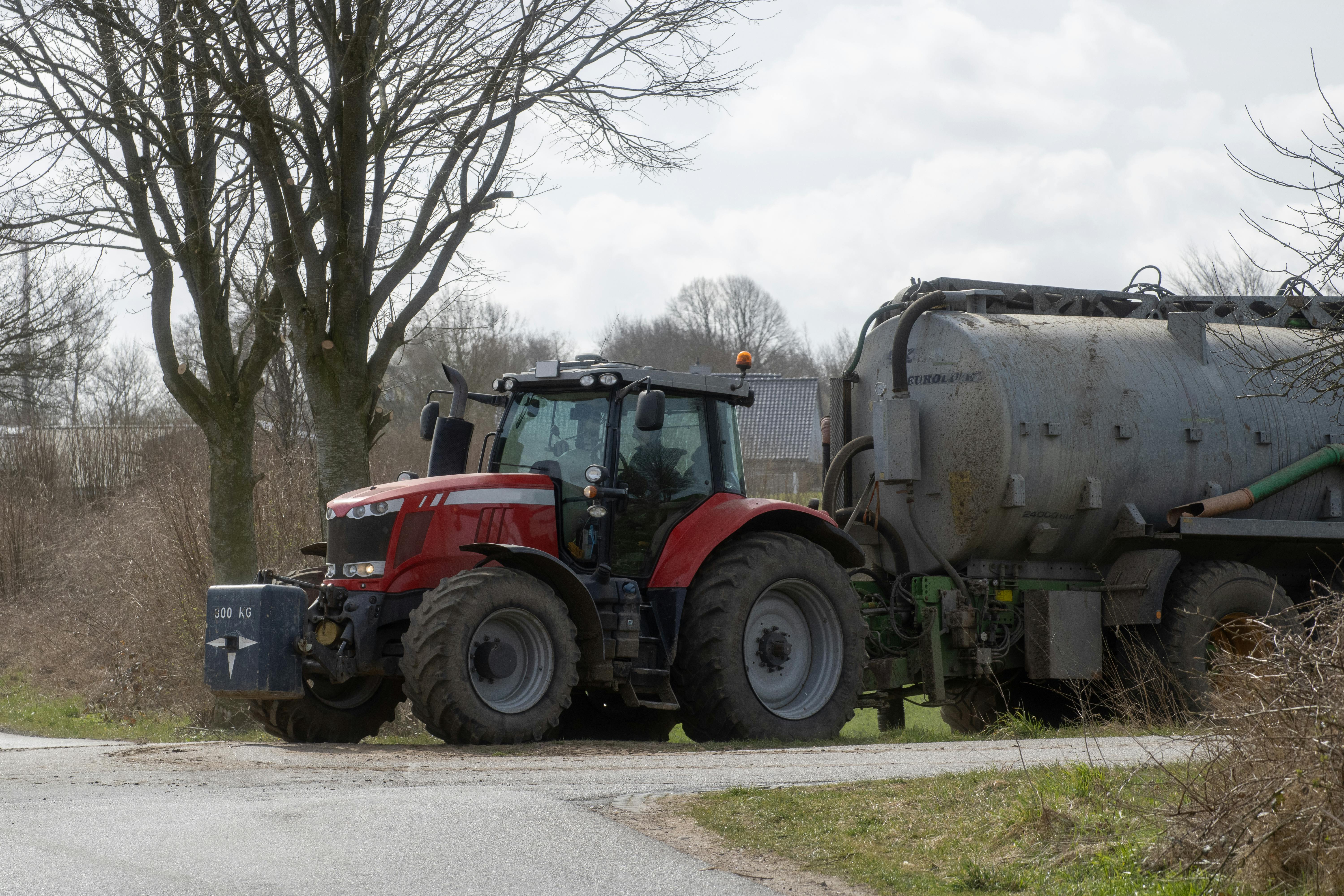 Kenya's agricultural sector, a cornerstone of its economy, faces dual challenges: climate change impacts and rising input costs. Soil degradation, driven by conventional farming practices, further exacerbates these issues, threatening food security and farmers' livelihoods. However, a growing movement towards organic and sustainable farming is offering a beacon of hope. Data from the Ministry of Agriculture indicates that over the past five years, farms implementing organic soil fertility management have seen an average reduction in input costs by 25% and a yield increase of 15% across various crops.
The focus on natural nitrogen enhancement is critical. Nitrogen is a primary macronutrient essential for plant growth, chlorophyll production, and overall plant vigor. While synthetic nitrogen fertilizers provide a quick fix, they can deplete soil organic matter over time, lead to nutrient runoff, and contribute to greenhouse gas emissions. Sustainable alternatives like intercropping with legumes and composting not only provide nitrogen but also improve soil structure, water retention, and microbial activity, creating a truly fertile and resilient ecosystem.
Key Insights or Strategies
Embracing smart natural farming is a multi-faceted approach that yields substantial rewards. Here are key strategies to transform your farm into a thriving, sustainable enterprise: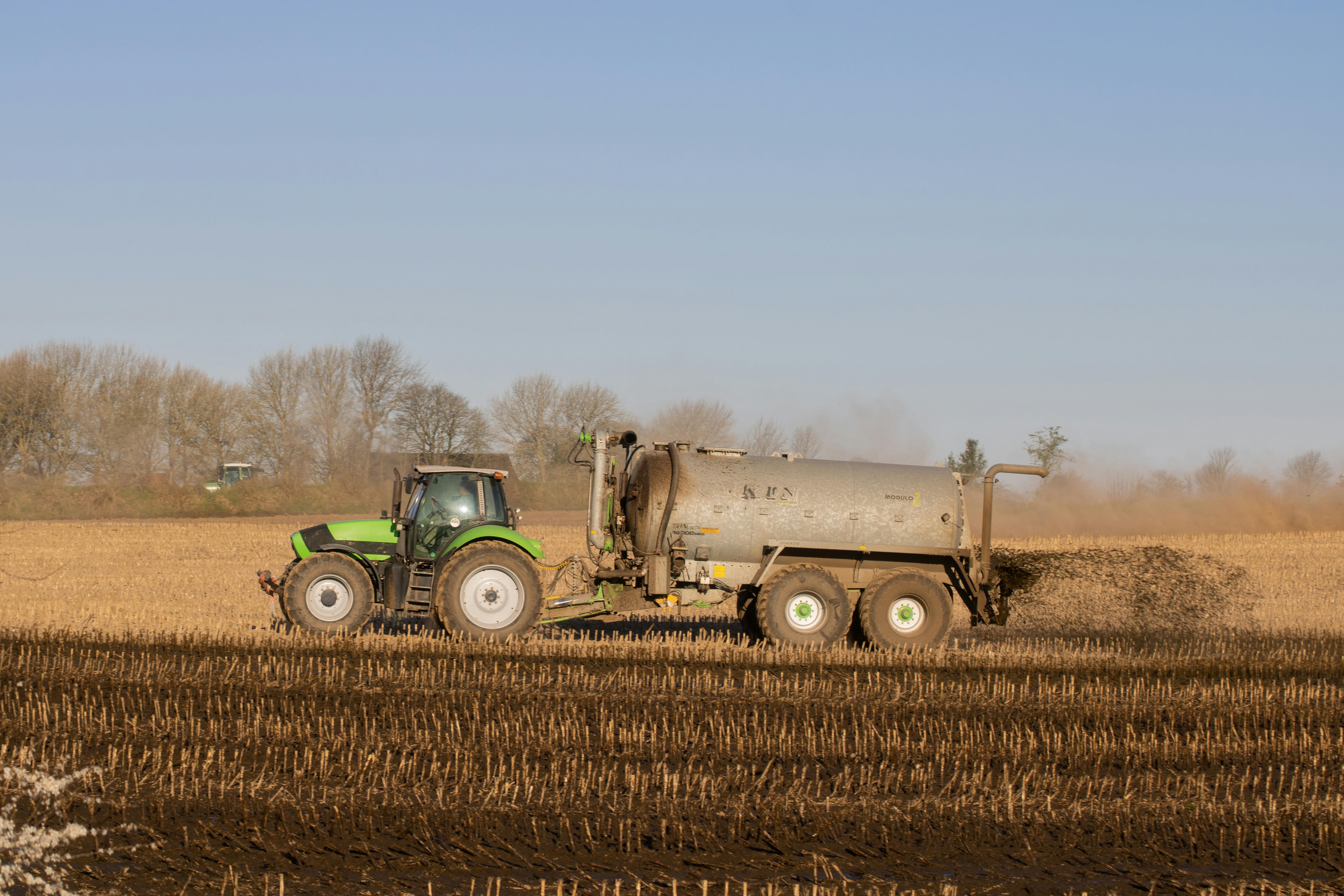
1. Harnessing the Power of Legume Intercropping
Intercropping involves growing two or more crops in close proximity, with at least one being a nitrogen-fixing legume. This symbiotic relationship enriches the soil naturally, benefiting the companion crop and subsequent plantings.2. Mastering the Art of Composting
Composting is nature's way of recycling, turning organic waste into a rich, dark soil amendment known as humus. It's a cornerstone of organic farming, providing essential nutrients and improving soil structure.3. Implementing Mulching for Soil Health
Applying mulch to retain soil moisture is a simple yet profoundly effective practice in sustainable agriculture. Mulch acts as a protective blanket for your soil.Case Studies, Examples, or Comparisons
The efficacy of smart natural farming is not just theoretical; it's proven on the ground by Kenyan farmers. Consider the success story of Mama Sarah, a smallholder farmer in Kitale. Struggling with depleting yields and rising fertilizer costs for her maize and bean crops, she adopted a combination of intercropping pigeon peas with maize and establishing a robust composting system. Within two seasons, Mama Sarah reported a noticeable improvement in soil texture and a reduction in pest pressure. Her maize yields increased by 25%, and her input costs for fertilizers dropped by almost 50%, allowing her to invest in better seeds and expand her small poultry farm.A 2025 KALRO study shows farms using these methods saw 30% higher yields and 40% lower input costs compared to conventional practices—ideal for smallholders facing rising fertilizer prices. This aligns with broader findings from the Food and Agriculture Organization (FAO), which consistently advocates for agroecological practices to enhance food security and rural livelihoods in developing nations. Their reports emphasize that diversified farming systems, which include intercropping and organic matter recycling, are inherently more resilient to climate shocks and market fluctuations.
Common Mistakes to Avoid
Even with the best intentions, natural farming can present pitfalls. Avoiding these common mistakes will ensure your efforts yield maximum benefits:Expert Tips or Best Practices
To truly excel in smart natural farming, integrate these expert tips into your daily routine. These locally relevant strategies are designed to optimize your efforts and ensure long-term success.Explore sustainable organic farming solutions with Biofarm Kenya to access a wealth of resources, training programs, and partner opportunities tailored for Kenyan farmers.
Future Trends or Predictions
The landscape of agriculture is continuously evolving, and Kenya is at the forefront of adopting innovative, sustainable practices. Future trends point towards increasingly sophisticated yet accessible technologies that empower smallholder farmers.Conclusion
Embracing smart natural farming is not merely about adopting new techniques; it's about fostering a resilient, profitable, and environmentally responsible future for Kenyan agriculture. By integrating legume intercropping, mastering composting, and diligently applying mulch, farmers can significantly enhance soil nitrogen naturally, cut fertilizer costs by up to 40%, and potentially raise yields by 30% or more, as demonstrated by the promising 2025 KALRO study.These climate-smart methods are a testament to the power of working with nature, not against it. They offer a viable path to sustainable prosperity for smallholders facing the growing challenges of climate change and economic pressures. The journey to a thriving, green future for Kenyan farming starts with healthy soil and informed choices. Discover trusted organic farming tools on Amazon and learn more about sustainable solutions with Biofarm Kenya.
FAQs
Q1: How quickly can I expect to see results from intercropping legumes?
While some benefits like improved soil structure can be noticed within one season, significant increases in soil nitrogen and subsequent crop yields typically become more apparent after 2-3 growing seasons. Consistent application of these practices enhances long-term soil health. Learn more about intercropping benefits from the FAO.
Q2: Is composting difficult for smallholder farmers without specialized equipment?
Not at all! Composting can be done effectively with basic farm materials and manual labor. Simple pile composting requires only organic waste, water, and regular turning. Specialized bins can help but are not mandatory for successful composting. Find practical composting guides from KALRO.
Q3: What are the best local legumes for intercropping in different Kenyan regions?
The best legumes vary by agro-ecological zone. Common choices include cowpeas (drought-tolerant), green grams (suited for drier areas), common beans (versatile), and pigeon peas (deep-rooted, good for soil structure). Consulting local agricultural extension officers is recommended for region-specific advice. Contact the Ministry of Agriculture for local extension services.
Q4: Can these natural farming methods entirely replace chemical fertilizers?
For many smallholder systems, a well-managed organic approach focusing on legume rotation, composting, and other soil-building practices can significantly reduce, and often entirely replace, the need for synthetic nitrogen fertilizers. For other nutrients, soil tests will guide if supplementary organic inputs are needed. Read Biofarm Kenya's guide on transitioning to organic farming.
Q5: How does mulching benefit soil health in arid and semi-arid regions of Kenya?
In arid and semi-arid regions, mulching is crucial for conserving precious soil moisture by reducing evaporation, suppressing weeds that compete for water, and moderating extreme soil temperatures. This helps maintain a stable environment for soil microbes and plant roots, leading to improved drought resilience. Explore NEMA's guidelines on sustainable land management, including mulching.
Q6: Are there any grants or support programs for Kenyan farmers adopting sustainable practices?
Yes, various government initiatives, NGOs, and international organizations offer support, training, and sometimes grants for farmers adopting climate-smart and sustainable agricultural practices in Kenya. These programs often focus on capacity building, access to improved seeds, and market linkages. Discover potential partnership and grant opportunities with Biofarm Kenya.
Further Resources from Biofarm Kenya:
External Authoritative References:


0 Comments