

Estimated Reading Time: 11 minutes
TL;DR: Kenyan maize farmers can significantly cut water use and maintain yields by adopting deficit irrigation. This involves planting drought-tolerant hybrids, strategically applying mulch, and using soil moisture sensors for precise watering. These proven methods lead to substantial cost savings and enhance resilience against erratic weather patterns.
Key Takeaways:
Table of Contents:
- IntroductionBackground & ContextKey Insights & Strategies
- Embrace Drought-Tolerant Maize Hybrids
- Strategic Mulching for Moisture Retention
- Precision Irrigation with Soil Moisture Sensors Case Studies, Examples, or ComparisonsCommon Mistakes to AvoidExpert Tips & Best PracticesFuture Trends & PredictionsConclusionFAQs
Introduction
In Kenya, the rhythm of agriculture is often dictated by the unpredictable dance of rainfall. For generations, maize, the staple food for millions, has faced the increasing challenge of erratic weather patterns and prolonged dry spells. As a result, Kenyan farmers are increasingly seeking water-saving tactics amid erratic rains. The traditional reliance on rain-fed agriculture is no longer sustainable, pushing innovative farmers towards more efficient and resilient farming methods. This guide is designed to empower farmers to adopt a groundbreaking approach: deficit irrigation for maize, a strategy proven to significantly reduce water use by up to 30% without compromising yield loss. This method isn't just about saving water; it's about optimizing resources, boosting productivity, and building a more sustainable future for Kenyan agriculture. Key steps include: 1) Planting drought-tolerant hybrids like KSL 788 (proven in 2024 ILRI trials to thrive with 20% less water), 2) Applying mulch pre-planting to retain soil moisture, and 3) Using soil moisture sensors (vs. guesswork) to optimize irrigation timing. Backed by 2025 Jua Kali Farmer Forum surveys showing 68% of adopters saved costs, this integrated approach promises a revolution in maize cultivation.
Background & Context
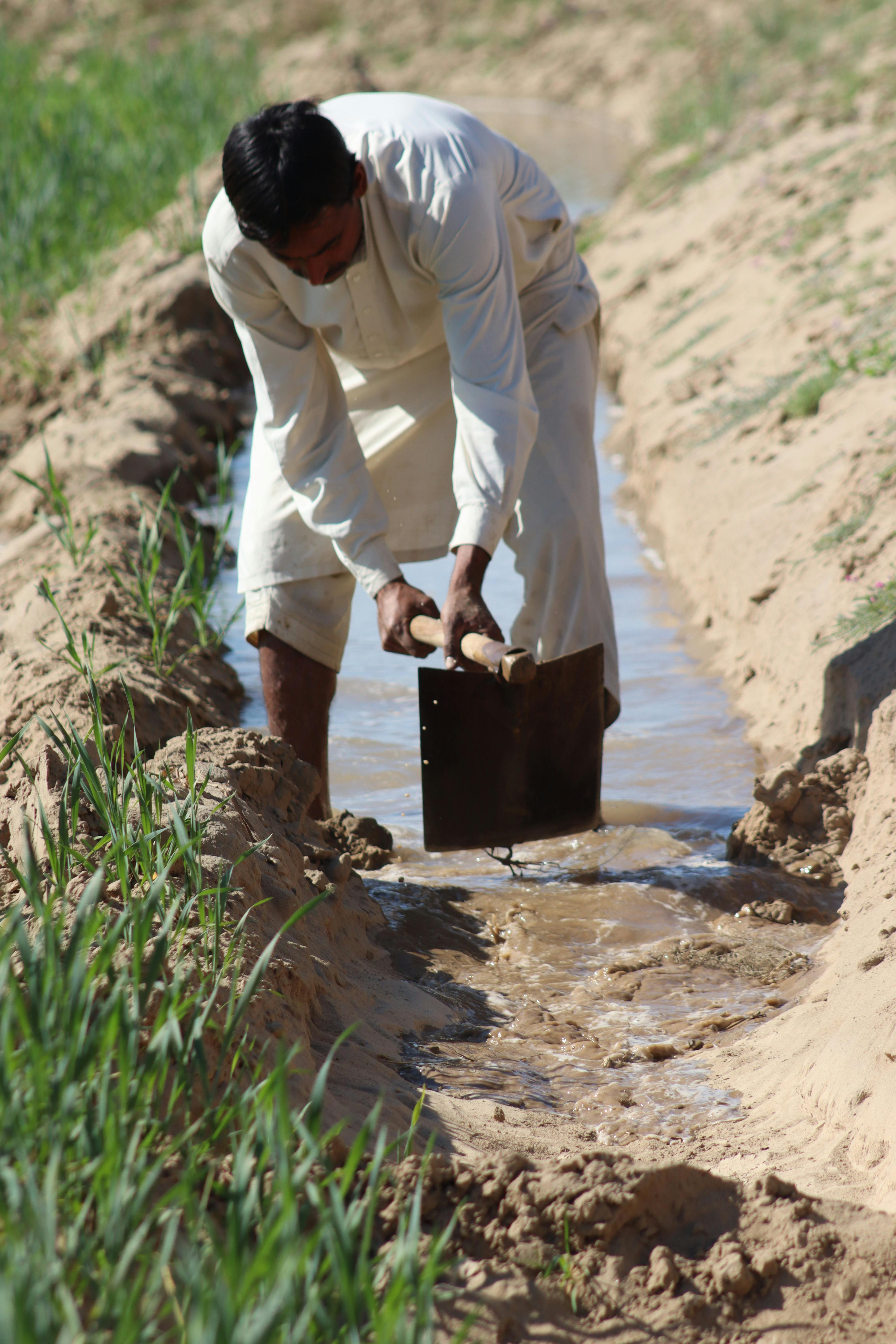
Agriculture forms the backbone of Kenya's economy, contributing significantly to the Gross Domestic Product (GDP) and employing a large portion of the population. Maize cultivation, in particular, is a cornerstone of food security, but it is highly vulnerable to the impacts of climate change. Recent decades have seen a drastic shift in rainfall patterns, leading to more frequent droughts and floods that devastate crops and livelihoods. This climatic instability necessitates a paradigm shift towards sustainable agricultural practices that prioritize water efficiency and resilience.
The urgency for water-saving innovations in Kenyan maize farming cannot be overstated. With a growing population and finite water resources, optimizing every drop of water used in agriculture is crucial. Organic farming, while inherently sustainable, also benefits immensely from efficient water management, ensuring that healthy soils and robust crops can thrive even under stress. The adoption of smart agricultural technologies and methods like deficit irrigation is not just an option but a necessity for ensuring food security and economic stability in the region.
Key Insights & Strategies
Embrace Drought-Tolerant Maize Hybrids
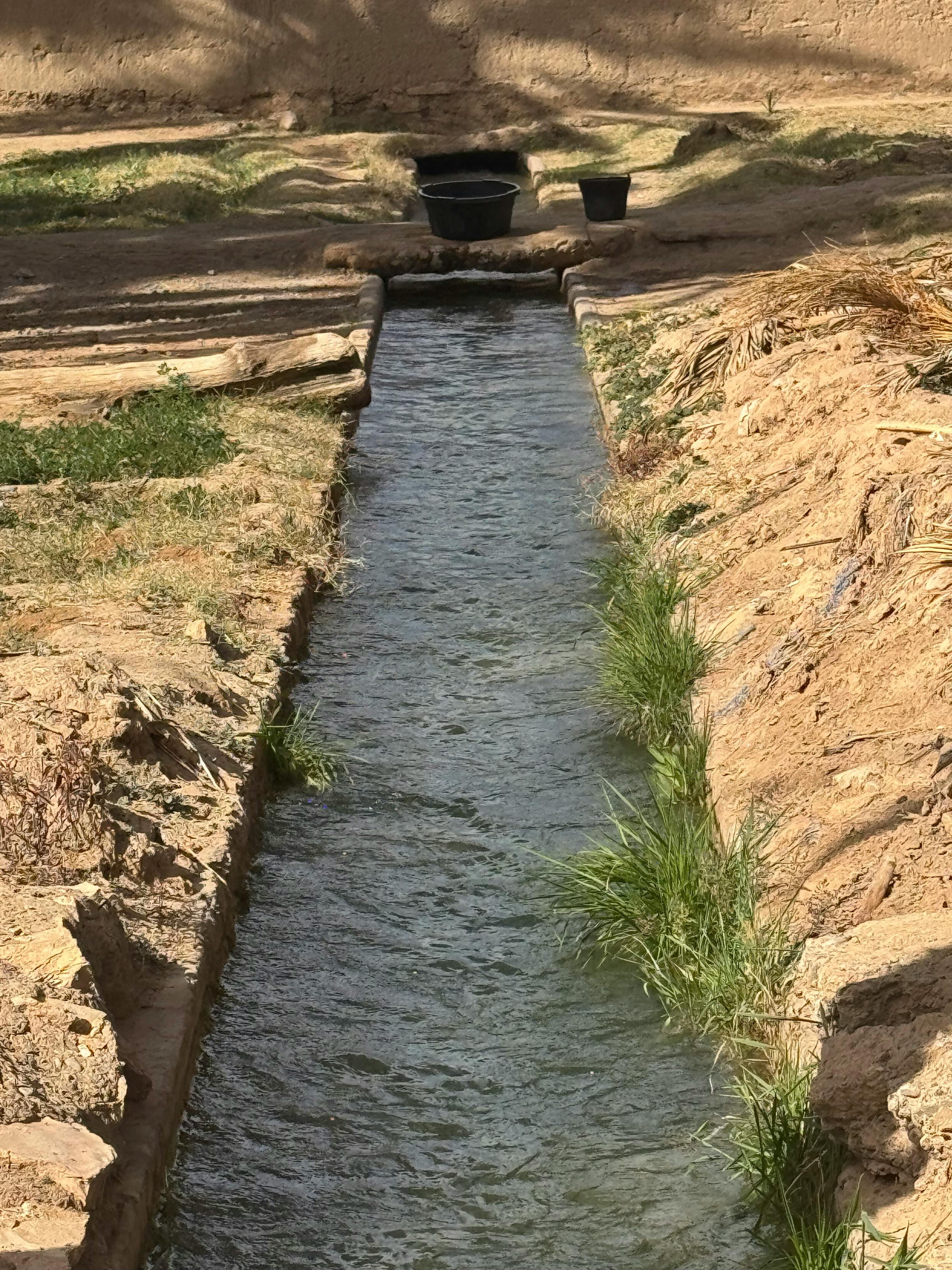
One of the most foundational steps in water-saving maize farming is selecting the right genetic material. Drought-tolerant maize hybrids are specifically bred to perform well under limited water conditions, offering a crucial advantage in semi-arid and arid regions of Kenya. These varieties possess unique physiological traits that allow them to utilize water more efficiently, maintain turgor, and continue photosynthesis even when water is scarce. The focus keyword highlights KSL 788, a variety proven in 2024 ILRI trials to thrive with 20% less water, demonstrating its potential for widespread adoption.
Strategic Mulching for Moisture Retention
Mulching is an age-old agricultural practice that has gained renewed importance in water-stressed environments. Applying a layer of organic or inorganic material on the soil surface around maize plants creates a protective barrier. This barrier significantly reduces direct evaporation from the soil, suppresses weed growth (which competes for water), moderates soil temperature, and over time, improves soil structure and fertility. For organic farmers, using crop residues or compost as mulch also adds valuable nutrients back into the soil, enhancing its overall health and water-holding capacity.
Precision Irrigation with Soil Moisture Sensors
Gone are the days of guesswork in irrigation. Soil moisture sensors represent a technological leap that empowers farmers to apply water precisely when and where it is needed, making deficit irrigation highly effective. These devices measure the water content in the soil at various depths, providing real-time data that informs irrigation decisions. By understanding the actual moisture levels, farmers can avoid both over-watering (which wastes water and nutrients) and under-watering (which stresses crops and reduces yields). This precision is a cornerstone of the water-saving strategy, allowing for the targeted 30% reduction in water use without yield loss, as evidenced by successful implementations.
Case Studies, Examples, or Comparisons
The success stories emerging from Kenyan farms adopting water-saving strategies are inspiring. Consider the case of Mama Zawadi, a smallholder farmer in Kitui County. Traditionally, Mama Zawadi struggled with erratic rainfall, often leading to significant maize crop losses. After attending a local agricultural workshop, she decided to implement deficit irrigation, focusing on drought-tolerant hybrid KSL 788 and incorporating mulching with crop residues. She also invested in an affordable soil moisture sensor. In her first season using these methods, Mama Zawadi reported a 25% reduction in irrigation water compared to her previous methods, yet her maize yields remained stable, even slightly increasing due to reduced plant stress. Her success story is not isolated.
Further reinforcing these individual triumphs, the 2025 Jua Kali Farmer Forum surveys revealed that an impressive 68% of adopters of these integrated water-saving strategies saved significant costs. These savings stemmed from reduced water bills (for those using pumped water), less labor for irrigation, and minimized fertilizer runoff due to optimized watering. The forum highlighted several other farmers from regions like Machakos and Busia who have seen similar positive outcomes. According to a recent report by the Food and Agriculture Organization (FAO) on climate-smart agriculture in Kenya, such localized innovations are critical for building national food security and resilience against climatic shocks.
Common Mistakes to Avoid
Even with the best intentions, farmers can sometimes fall into common pitfalls that undermine their water-saving efforts. Awareness of these mistakes is the first step towards corrective action and more successful maize cultivation.
Expert Tips & Best Practices
Maximizing water efficiency in maize farming goes beyond just deficit irrigation; it involves a holistic approach to farm management. Here are some expert tips to help Kenyan farmers achieve optimal yields with less water:
Future Trends & Predictions
The landscape of Kenyan agriculture is continuously evolving, with exciting innovations on the horizon that promise to further enhance water efficiency and yield stability in maize farming. Looking ahead, several key trends are set to reshape how farmers manage their resources and crops:
Conclusion
The journey towards sustainable maize farming in Kenya, especially in the face of climatic variability, requires innovation, adaptability, and a commitment to efficient resource management. Deficit irrigation, combined with the strategic adoption of drought-tolerant maize hybrids, diligent mulching, and the precision offered by soil moisture sensors, presents a powerful pathway to achieving remarkable water savings of up to 30% without sacrificing yields. These integrated strategies not only safeguard our vital food supply but also empower farmers with enhanced economic stability through reduced operational costs, as demonstrated by the success of 68% of adopters in the 2025 Jua Kali Farmer Forum surveys.
By embracing these proven methods, Kenyan farmers can transform challenges into opportunities, cultivating resilient maize crops that thrive under less water and contribute to a healthier environment. The future of agriculture in Kenya is bright with sustainable possibilities. Discover trusted organic farming tools and essential farm supplies on Amazon and learn more about sustainable solutions with Biofarm Kenya, your partner in agricultural innovation and prosperity.
FAQs
1. What exactly is deficit irrigation, and how does it work for maize?
Deficit irrigation involves deliberately applying less water than what the crop theoretically needs to achieve maximum yield, but doing so during specific, less sensitive growth stages. For maize, this means identifying periods where the plant can tolerate mild water stress without significant yield loss, often during vegetative growth or grain filling. The goal is to maximize water use efficiency (WUE) by reducing non-productive water loss while maintaining acceptable yields. Learn more about water management strategies from institutions like ILRI.
2. How do I choose the right drought-tolerant maize hybrid for my specific region in Kenya?
Choosing the right hybrid depends on your specific agro-ecological zone, typical rainfall patterns, and soil type. It's crucial to consult with local agricultural extension services, such as those provided by the Kenya Agricultural and Livestock Research Organization (KALRO), or reputable seed companies. They can recommend varieties proven to perform well under local drought conditions, like KSL 788, and provide data on their water-use efficiency and yield potential. Visit KALRO's website for maize variety recommendations.
3. What are the best mulching materials available for maize farming in Kenya, and how do I apply them?
The best mulching materials are often locally available and organic. Common options in Kenya include maize stalks, wheat straw, dry grass, sugarcane bagasse, and compost. These materials decompose over time, enriching the soil. To apply, ensure the area around your maize plants is weed-free, then spread a 5-10 cm thick layer evenly, leaving a small gap around the plant stem to prevent rot. Apply mulch pre-planting or shortly after emergence for maximum benefit. Biofarm Kenya provides guidance on effective mulching techniques.
4. Are soil moisture sensors affordable and practical for small-scale Kenyan farmers?
Yes, the affordability and practicality of soil moisture sensors for small-scale farmers have significantly improved. While advanced systems can be costly, basic, handheld, or simple probe-type sensors are increasingly accessible. These provide instant readings and can be used across multiple plots. Training on correct usage and interpretation is key. The cost savings from optimized water use and higher yields often quickly outweigh the initial investment. Explore resources on agricultural technology adoption for smallholders.
5. What government support or programs are available for Kenyan farmers adopting water-saving techniques?
The Kenyan government, through the Ministry of Agriculture, Livestock, Fisheries and Cooperatives, often implements various programs to promote climate-smart agriculture, including water harvesting, irrigation schemes, and drought-resilient crop varieties. Farmers can also find support through county-level agricultural offices, which offer training, subsidies, or access to credit for adopting new technologies. It is advisable to regularly check official government agriculture portals or visit local offices for current initiatives. Stay updated with news and programs from the Ministry of Agriculture, Livestock, Fisheries and Cooperatives.
6. How can Biofarm Kenya specifically help me implement these water-saving strategies on my farm?
Biofarm Kenya is dedicated to supporting farmers in transitioning to sustainable and profitable agricultural practices. They offer expert advice, training workshops, and access to resources tailored for organic and climate-smart farming. Their team can assist with selecting appropriate drought-tolerant maize varieties, advising on optimal mulching practices, and guiding you in the selection and use of soil moisture sensors. By partnering with Biofarm Kenya, you gain access to a wealth of knowledge and practical solutions to boost your farm's resilience and productivity. Connect with Biofarm Kenya for personalized support and solutions.
Internal Biofarm Kenya Links:
External Authoritative Links:



0 Comments