

Estimated Reading Time: 11 minutes
TL;DR: Kenyan farmers can significantly boost yields and soil health by adopting climate-smart intercropping techniques. This guide details optimal crop pairings, spacing, and pest management for increased profitability and reduced environmental impact. Intercropping diversifies income, reduces reliance on chemical fertilizers through natural nitrogen fixation, and builds resilience against climate change, crucial for sustainable agriculture in Kenya.
Key Takeaways:
Table of Contents:
Introduction: Cultivating Resilience in Kenyan Agriculture
In the face of unpredictable weather patterns and increasing food security concerns, Kenyan farmers are increasingly adopting intercropping as a climate-smart strategy to boost yields and soil health. This innovative approach, deeply rooted in traditional wisdom but enhanced by modern agricultural science, offers a powerful pathway to sustainable farming. By strategically planting two or more crop species simultaneously on the same field, farmers can unlock a multitude of benefits, from enhanced biodiversity to improved nutrient cycling.
This training guide focuses on evidence-based intercropping techniques, including optimal crop pairings (e.g., maize + beans), spacing ratios, and integrated pest management strategies tailored for the Kenyan agricultural landscape. We delve into how these methods not only elevate crop productivity but also fortify farm resilience against climatic shocks. Key findings from KARI’s (Kenya Agricultural and Livestock Research Organization) 2025 study, for instance, demonstrate that intercropped plots increased yields by up to 30% and significantly reduced fertilizer costs by leveraging natural nitrogen fixation, a vital process for soil fertility. Contrary to traditional monoculture practices, intercropping diversifies income streams and mitigates climate risks—critical for navigating the evolving 2026 farming trends and ensuring a prosperous future for Kenyan agriculture.
Background & Context: The Rise of Climate-Smart Farming in Kenya

Kenya's agricultural sector, the backbone of its economy, faces formidable challenges, including land degradation, water scarcity, and the profound impacts of climate change. These pressures have necessitated a paradigm shift towards sustainable and resilient farming practices. Organic farming, characterized by its reliance on natural inputs and processes, has gained significant traction, offering a viable alternative to conventional methods that often deplete soil health and rely heavily on synthetic chemicals.
Intercropping emerges as a cornerstone of this climate-smart agricultural movement. Data from the Ministry of Agriculture indicates that a growing number of smallholder farmers are experimenting with intercropping, driven by the visible benefits of improved soil fertility and enhanced yields. This shift is also supported by agribusiness growth that prioritizes sustainable supply chains. For example, studies by the FAO Kenya office highlight that farms implementing diversified cropping systems exhibit greater stability in yield during drought years compared to monoculture farms. This resilience is not just ecological; it translates directly into economic stability for farming communities across the nation.
Key Insights & Strategies: Mastering Intercropping for Maximum Impact
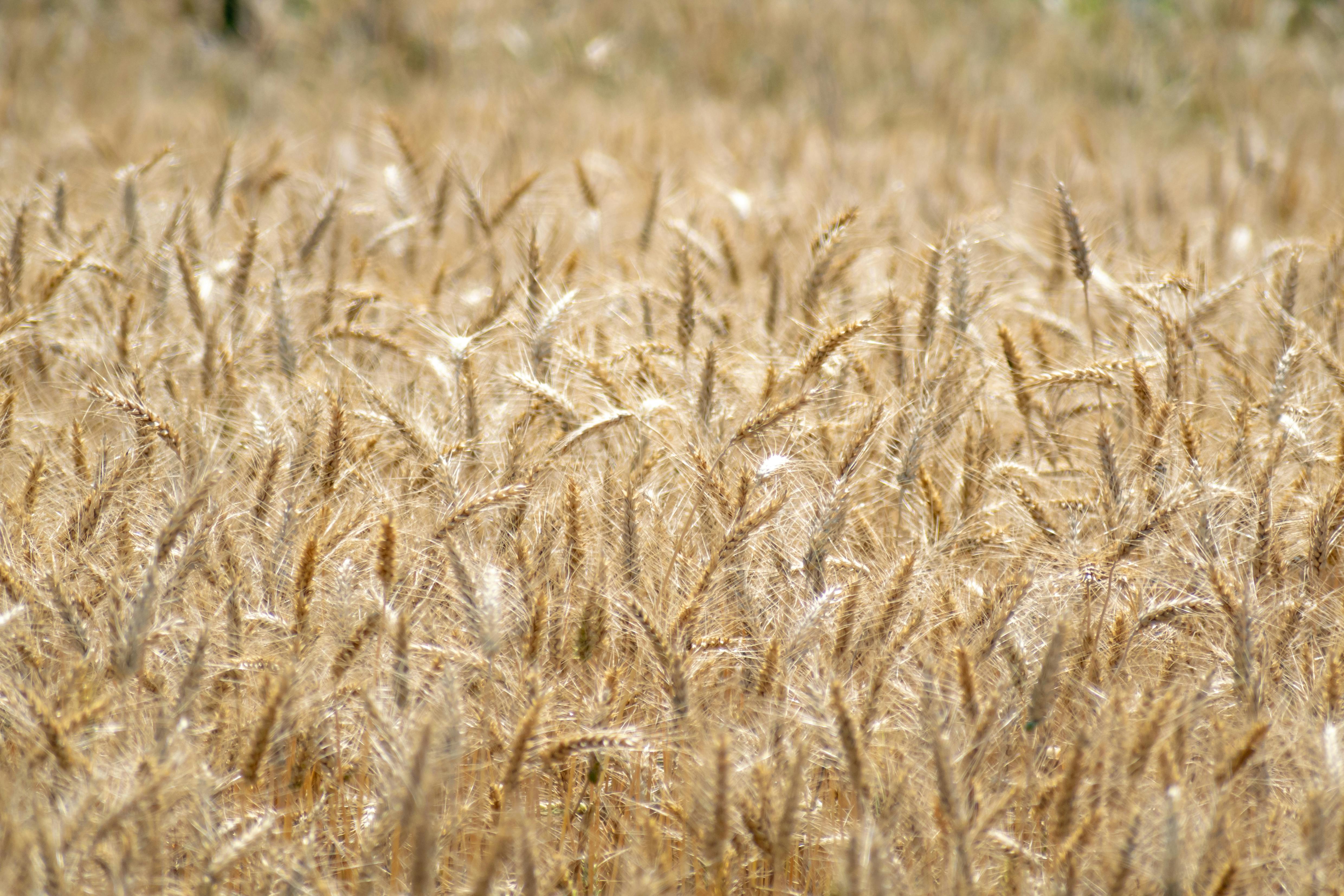
Synergistic Crop Pairings for Enhanced Productivity
Choosing the right crop combinations is paramount to successful intercropping. The most common and effective pairing in Kenya is maize and beans. Maize, a tall cereal, provides structural support and benefits from the nitrogen fixed by legumes like beans, while beans benefit from reduced weed competition and potentially less pest pressure due to the maize canopy.
Boost your yields and ensure optimal soil conditions with the Soil pH & Moisture Tester Kit – available on Amazon. Understanding your soil's needs is the first step towards a thriving intercropping system.
Optimizing Spacing and Density
Proper spacing is crucial to prevent competition between intercropped plants. The goal is to maximize resource utilization (light, water, nutrients) without causing overcrowding that could reduce individual plant yields.
Integrated Pest and Disease Management (IPDM)
Intercropping naturally reduces pest incidence by creating a more diverse ecosystem. However, a proactive approach is still essential.
For sustainable pest control, consider investing in an Organic Neem Oil Spray for Plants – available on Amazon, a natural solution for many common agricultural pests. Discover more ways to cultivate a resilient farm by exploring sustainable organic farming solutions with Biofarm Kenya.
Case Studies & Comparisons: Success Stories from Kenyan Fields
Across Kenya, numerous farmers are demonstrating the tangible benefits of intercropping. In Bungoma County, Sarah Wanjiku, a smallholder farmer, successfully transitioned from monoculture maize to an intercropped maize-bean system. Her yields for both crops increased by an average of 25% over two seasons, significantly boosting her household income and food security. Sarah attributes her success to adopting recommended spacing and using organic fertilizers.
Another inspiring example comes from the semi-arid regions of Kitui, where farmers participating in a KARI pilot program implemented drought-tolerant intercropping systems involving sorghum and cowpeas. The program, documented in the Ministry of Agriculture's 2023 Climate-Smart Agriculture Report, showcased how these diversified systems outperformed monoculture fields during periods of low rainfall, yielding more resilient harvests. The cowpeas provided essential ground cover, reducing soil moisture evaporation, while also enriching the soil with nitrogen for the sorghum.
These examples underscore that intercropping is not just an academic concept but a practical, effective strategy for improving agricultural productivity and sustainability in diverse Kenyan agro-ecological zones. The comparisons between intercropped and monoculture fields consistently highlight intercropping's superior performance in terms of yield stability, soil health, and economic returns, especially under variable climatic conditions.
Common Mistakes to Avoid: Paving the Way for Intercropping Success
While intercropping offers immense potential, certain pitfalls can hinder its success. Awareness and proactive measures are key to avoiding these common mistakes:
Correction: Research and select synergistic crop pairings that have different growth habits, rooting depths, or nutrient requirements. Consider crop height, maturity period, and pest/disease susceptibility.Improper Spacing and Density: Planting crops too densely or without sufficient space between rows can lead to intense competition, reduced yields, and increased disease pressure.
Correction: Follow recommended spacing guidelines for each intercrop combination. Err on the side of slightly wider spacing initially and adjust based on observations of plant growth and competition.Neglecting Soil Fertility Management: Assuming intercropping alone will maintain soil fertility without any additional organic inputs can lead to nutrient depletion over time.
Correction: Regularly conduct soil tests. Incorporate organic matter (compost, well-rotted manure) and use bio-fertilizers. Even with nitrogen-fixing legumes, other macronutrients and micronutrients might need replenishment.Lack of Integrated Pest Management: Relying solely on the natural pest-deterring effects of intercropping without active monitoring can lead to pest outbreaks.
Correction: Implement a comprehensive IPDM strategy. Scout fields regularly, identify pests early, and use biological controls or organic pesticides as needed.Ignoring Local Conditions: Adopting intercropping techniques blindly from other regions without considering local climate, soil types, and specific pest pressures.
Correction: Adapt intercropping strategies to your specific farm's conditions. Consult local agricultural extension officers and learn from successful neighboring farmers.
Expert Tips & Best Practices: Optimizing Your Intercropping System
To truly unlock the potential of climate-smart intercropping, consider these expert tips and best practices:
For more detailed guidance and to explore a wide range of sustainable farming resources, explore sustainable organic farming solutions with Biofarm Kenya.
Future Trends & Predictions: The Evolution of Climate-Smart Agriculture
The landscape of Kenyan agriculture is continually evolving, with exciting innovations on the horizon that will further enhance the effectiveness of climate-smart intercropping:
These trends point towards a future where Kenyan farmers will be equipped with more tools and knowledge to cultivate highly productive, sustainable, and climate-resilient farms through innovative intercropping strategies.
Conclusion: Growing a Sustainable Future, Together
Climate-smart intercropping offers a powerful and proven pathway for Kenyan farmers to navigate the complexities of modern agriculture. By embracing optimal crop pairings, diligent soil management, and integrated pest control, farmers can significantly boost yields, enhance soil health, and reduce reliance on costly chemical inputs. The benefits extend beyond the farm gate, contributing to national food security, environmental sustainability, and increased economic resilience for rural communities.
The shift from monoculture to diversified intercropping is not merely a change in farming technique; it's an investment in a sustainable future. As we look towards 2026 and beyond, the continued adoption and refinement of these climate-smart practices will be paramount for securing a prosperous and resilient agricultural sector in Kenya.
Discover trusted organic farming tools on Amazon and learn more about sustainable solutions with Biofarm Kenya.
FAQs: Your Intercropping Questions Answered
1. What are the primary benefits of intercropping for smallholder farmers in Kenya?
Intercropping provides multiple benefits, including increased overall yield per unit area, improved soil fertility through nitrogen fixation by legumes, enhanced biodiversity leading to better pest and disease control, and diversification of income streams. It also helps in mitigating climate risks by providing crop insurance against the failure of a single crop. For further reading, see resources from FAO Kenya.
2. Which crop combinations are most effective for intercropping in different Kenyan regions?
The most effective combinations depend on the agro-ecological zone. In high-potential areas, maize-bean is dominant. In semi-arid regions, sorghum/millet with cowpeas or green grams are highly effective due to their drought tolerance. For leafy greens, combinations like cabbage with onions or garlic are beneficial for pest deterrence. Consult the Kenya Agricultural and Livestock Research Organization (KALRO) for region-specific recommendations.
3. How does intercropping help in reducing the need for chemical fertilizers?
When legumes (like beans, cowpeas, groundnuts) are intercropped with cereals, they fix atmospheric nitrogen into the soil through their root nodules. This biologically available nitrogen directly benefits the companion cereal crop and enriches the soil, significantly reducing or even eliminating the need for synthetic nitrogen fertilizers. More information can be found on sustainable farming practices at Biofarm Kenya.
4. What are the key considerations for spacing and plant density in intercropping?
Key considerations include the growth habit of each crop (erect vs. spreading), their water and nutrient requirements, and their maturity periods. Proper spacing prevents excessive competition for light and nutrients. Generally, reducing the monoculture density of the main crop slightly (e.g., 75-80%) to accommodate the intercrop is a good starting point. Guidelines are often available from your local Ministry of Agriculture extension services.
5. Can intercropping effectively control pests and diseases in an organic farming system?
Yes, intercropping can be a powerful tool in organic pest and disease management. By increasing plant diversity, it confuses pests, provides habitat for beneficial insects that prey on pests, and can physically deter pests or mask host plants. However, it's part of an integrated strategy and should be combined with other organic methods like companion planting, crop rotation, and the use of natural repellents. Learn more about organic pest management with Biofarm Kenya.
6. What role does climate change play in the increasing adoption of intercropping in Kenya?
Climate change is a major driver. Intercropping enhances resilience by diversifying risk; if one crop fails due to extreme weather, the other might still yield. It improves soil health and water retention, making farms more tolerant to drought. The enhanced biodiversity also creates more stable ecosystems less vulnerable to climate-induced shocks, which is crucial for adaptation. Further insights can be gained from UNEP Africa reports on climate change adaptation in agriculture.



0 Comments