

Estimated Reading Time: 8 minutes
TL;DR: Stop Maize Root Rot in Kenya
Key Takeaways: Actionable Steps for Kenyan Farmers
Boost Maize Yields: Precision Irrigation for Kenyan Farms
In Kenya, the vibrant heart of East African agriculture, maize is more than just a crop; it's a lifeline. It sustains millions, forms the backbone of food security, and drives countless rural economies. However, despite the increasing adoption of drought-resistant soil techniques, a silent threat often undermines farmers' efforts: over-watering. New research unequivocally shows that over-watering remains the top cause of maize root rot, a devastating condition that can drastically reduce yields. This vital training focuses on empowering Kenyan farmers with precision irrigation timing, leveraging local weather patterns and simple, yet effective, soil moisture checks.
Understanding the delicate balance between too little and too much water is crucial for optimizing maize production. This article will guide you through practical, sustainable farming methods that not only prevent root rot but also promise to boost yields significantly. By implementing key steps such as using finger-testing (2–3 inches deep) to avoid watering when soil is >30% moist, applying mulch only after irrigation to lock in moisture, and prioritizing evening watering to reduce evaporation, farmers can transform their maize fields. A groundbreaking 2025 KALRO study found these precise practices boosted yields by an impressive 40% in semi-arid regions, demonstrating the profound impact of intelligent water management.
Background & Context

Kenya's agricultural sector is undergoing a significant transformation, with a growing emphasis on sustainable and organic farming practices. This shift is driven by a combination of factors, including climate change impacts, increasing consumer demand for organic produce, and the recognition that healthy soils are fundamental to long-term food security. Maize, being the primary staple crop, is at the forefront of this evolution. Its cultivation covers vast areas, and its success directly correlates with the nation's well-being.
However, conventional irrigation methods often fall short, leading to both water wastage and crop damage. Data from the World Bank highlights that sustainable agriculture land management projects in Kenya have successfully doubled maize production in certain areas, by empowering smallholder farmers to adopt improved practices. This underscores the potential for growth when innovative and sustainable approaches are integrated into traditional farming. The challenge lies in disseminating these practices widely and effectively, ensuring every Kenyan farmer has the knowledge and tools to thrive.
Organic farming in Kenya has seen remarkable growth, with over 150,000 farmers now utilizing these methods nationwide. Organizations like the Kenya Organic Agriculture Network (KOAN) are setting benchmarks, ensuring adherence to sustainable practices that improve soil health, preserve biodiversity, and enhance food security. This movement towards ecological balance in farming provides a fertile ground for precision irrigation techniques to flourish, integrating water efficiency with broader environmental goals.
Key Insights or Strategies
Understanding Soil Moisture: The Foundation of Precision
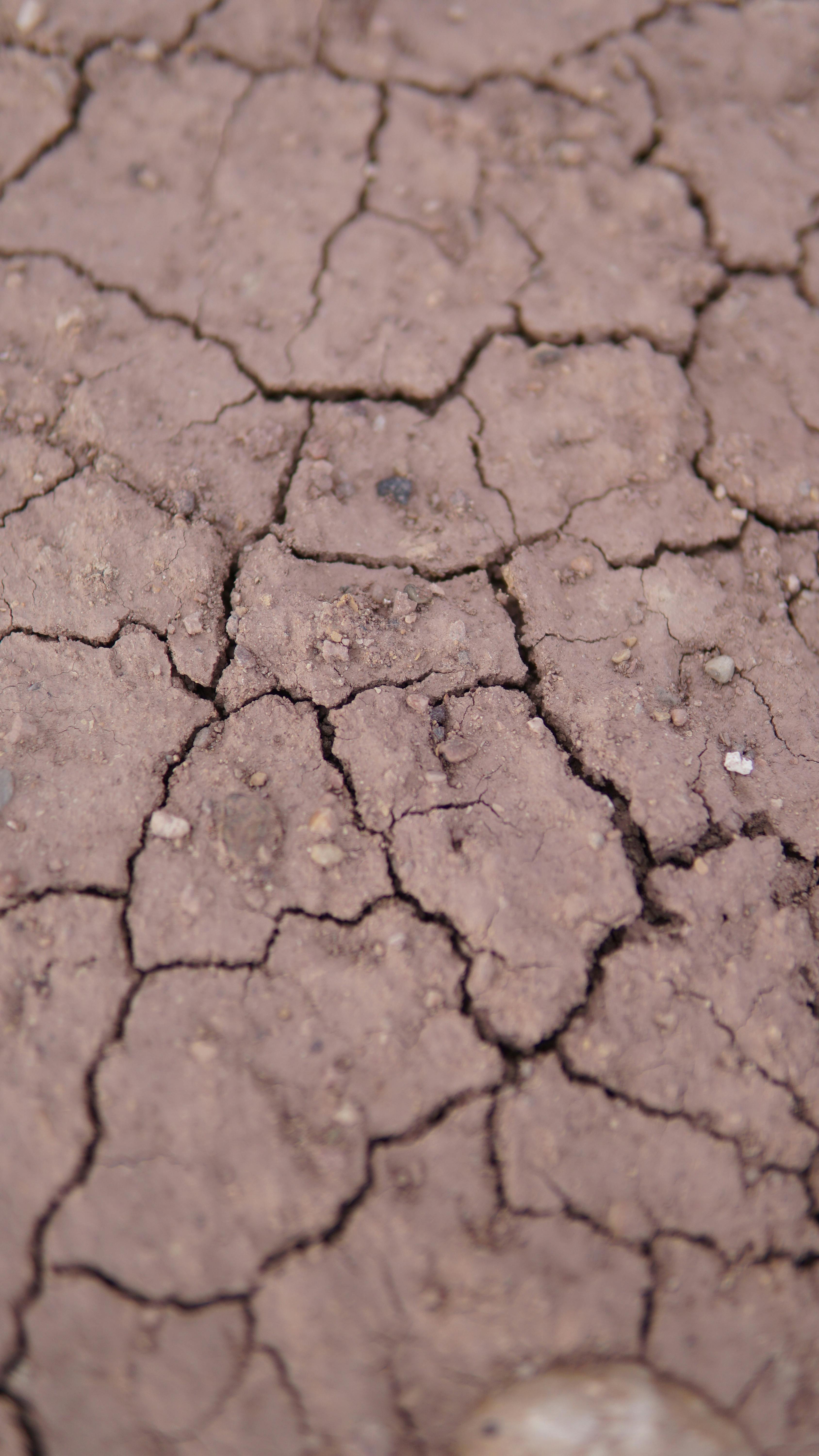
The most critical step in precision irrigation is knowing when your soil actually needs water. Overwatering deprives roots of oxygen, creating conditions ripe for root rot pathogens. Conversely, underwatering stresses the plant, stunting growth and reducing yield. The key is balance.
- The Finger Test: This simple, yet highly effective method requires no special tools. Insert your finger 2–3 inches into the soil near the maize plants.
- Assess Moisture Level: If the soil feels moist at this depth, it likely has sufficient water (above 30% moisture content). If it feels dry, it's time to irrigate.
- Frequency: Perform this test regularly, especially during dry spells or after rainfall, to get a real-time understanding of your soil's needs.
For farmers seeking a more precise, data-driven approach, especially for larger plots, a reliable soil moisture meter can be invaluable. Consider the XLUX Long Probe Deep Use Soil Moisture Meter Sensor – available on Amazon. This tool provides an accurate reading, taking the guesswork out of irrigation.
Optimal Irrigation Timing: Maximizing Absorption, Minimizing Loss
When you irrigate is almost as important as how much. Evaporation can steal a significant portion of your precious water, especially under the Kenyan sun.
- Prioritize Evening Watering: Irrigating in the late evening allows water to slowly penetrate the soil overnight, when temperatures are cooler and wind is calmer. This significantly reduces evaporation.
- Early Morning Option: If evening watering isn't feasible, early morning before the sun fully rises is the next best option. Avoid midday irrigation at all costs.
- Observe Weather Patterns: Pay attention to local weather forecasts. If rain is expected, adjust your irrigation schedule to avoid over-saturating the soil.
Strategic Mulching: Your Ally Against Evaporation
Mulching is a time-honored practice that complements precision irrigation beautifully. It's not just about adding organic matter; it's about creating a protective layer.
- Apply Mulch Post-Irrigation: The optimal time to apply mulch is immediately after you’ve irrigated and the soil is sufficiently moist. This traps the moisture in the soil.
- Choose Organic Materials: Utilize readily available organic materials such as maize stover, grass clippings, or crop residues. These break down over time, enriching your soil.
- Benefits of Mulch: Mulch not only locks in moisture but also suppresses weed growth, regulates soil temperature, and slowly releases nutrients back into the soil, feeding your maize plants naturally.
Implementing an efficient irrigation system further enhances these strategies. Drip irrigation systems deliver water directly to the plant roots, minimizing waste. For small to medium-sized farms, the Drip Irrigation Kit for Small Farms – available on Amazon offers a practical and scalable solution.
To explore more sustainable organic farming solutions and partnerships, Explore sustainable organic farming solutions with Biofarm Kenya.
Case Studies, Examples, or Comparisons
Across Kenya, numerous farmers are embracing innovative and sustainable practices, demonstrating tangible results in maize yield and soil health. One inspiring example comes from smallholder farmers in Makueni County, a semi-arid region prone to drought. Through the adoption of practices promoted by local agricultural extension services, including meticulous soil moisture monitoring and targeted irrigation, these farmers have seen a marked reduction in maize diseases and a significant improvement in harvest quality.
Another success story is evident in Western Kenya, where farmers participating in a collaborative project with the Kenya Agricultural and Livestock Research Organization (KALRO) began implementing precise water management alongside improved, drought-tolerant maize varieties. These farmers observed that consistent, yet measured, watering not only prevented root rot but also allowed the drought-tolerant characteristics of the maize to fully manifest, leading to stronger plants and higher yields even in challenging conditions. The 2025 KALRO study, as mentioned in our focus keyword, specifically highlighted how these precision irrigation practices, when combined with drought-resistant soil techniques, boosted yields by 40% in semi-arid regions. This wasn't merely about drought resistance but about optimizing the environment for the plant to thrive.
Furthermore, the adoption of 'Zai pits' in certain dryland areas of Kenya provides a compelling comparison. While not directly irrigation, Zai pits are a traditional soil and water conservation technique where small, excavated pits are filled with organic matter. This allows for concentrated water harvesting and nutrient delivery, essentially creating micro-environments of precision moisture. Farmers using Zai pits, especially with added manure, have shown significantly better maize growth rates and yield per ear compared to conventional planting methods, as reported in a study on Zai Pits as a Climate-Smart Agriculture Technique. This illustrates the power of localized, targeted water and nutrient management, principles that underpin precision irrigation. These homegrown innovations, supported by scientific research, exemplify Kenya's potential to lead in eco-friendly and productive agriculture.
Common Mistakes to Avoid
Even with the best intentions, farmers often fall into common pitfalls that hinder maize productivity and soil health. Understanding these mistakes is the first step towards rectifying them and establishing truly sustainable practices.
Overwatering: The Silent Crop Killer
As our primary focus keyword highlights, over-watering is a leading cause of maize root rot. Many farmers assume more water equals better growth, especially when cultivating drought-resistant soil. However, excess water starves roots of oxygen, making them vulnerable to fungal diseases. Symptoms of overwatering can mimic drought stress, such as wilting, leading to a vicious cycle of applying even more water. Always check soil moisture before irrigating. Instagram posts by Kenyan agricultural pages frequently caution that overwatering can waste up to 40% of water and severely damage root systems.
Incorrect Irrigation Timing: Losing Water to the Air
Watering during the hottest part of the day, typically midday, leads to significant water loss through evaporation. Studies show that up to 60% of water applied during peak sunlight hours can be lost to the atmosphere before it even reaches the root zone. This is not only inefficient but also costly. It means plants receive less water than intended, despite the farmer's efforts. Prioritizing evening or early morning irrigation is a simple yet impactful adjustment.
Inconsistent Watering Schedules: Stressed Plants, Reduced Yields
Erratic watering, characterized by long dry spells followed by heavy irrigation, stresses maize plants. This inconsistency inhibits uniform nutrient uptake and can lead to issues like blossom end rot or stunted growth. Maize thrives on consistent, appropriate moisture levels. Developing a routine based on soil moisture and plant needs, rather than a fixed calendar, is essential.
Ignoring Soil Health and Structure
Healthy soil with good organic matter content has better water retention and drainage capabilities. Many farmers overlook the importance of soil health, leading to compacted soils that struggle with both water infiltration and aeration. Poor soil structure exacerbates the problems of overwatering and makes drought-resistant soil techniques less effective. Regular addition of compost and minimal tillage are crucial for improving soil structure.
Mismanaging Fertilizers with Irrigation
Incorrect fertilizer application, especially synthetic ones, combined with overwatering can lead to nutrient leaching, polluting groundwater and wasting valuable inputs. Nutrients are washed away before plants can absorb them. Precision irrigation allows for more targeted nutrient delivery, whether through organic amendments or fertigation (applying fertilizers through irrigation water).
Expert Tips or Best Practices
For Kenyan maize farmers aiming for consistently high yields and robust plant health, integrating a few expert tips into your routine can make a world of difference. These practices are not only sustainable but also economically viable, ensuring your farm thrives for generations.
Regular Soil Health Assessment
Beyond moisture, understanding your soil's overall health is paramount. Conduct regular soil tests to determine pH levels, nutrient deficiencies, and organic matter content. This information empowers you to make informed decisions about amendments and fertilization. Healthy soil, rich in organic matter, naturally improves water retention and drainage, making your drought-resistant soil even more effective.
Implement Cover Cropping
Planting cover crops during the off-season, or even intercropping with maize, offers multiple benefits. They protect the soil from erosion, suppress weeds, add organic matter when tilled in, and improve soil structure. This enhances the soil's capacity to absorb and retain moisture, reducing the need for frequent irrigation and supporting a healthier root environment.
Embrace Organic Fertilization
Moving away from purely synthetic fertilizers and incorporating organic alternatives supports long-term soil fertility and microbial life. Organic fertilizers release nutrients slowly and improve soil structure, complementing your precision irrigation efforts. To give your maize a natural boost, consider using a high-quality product like Espoma Organic Grow! Liquid Concentrate Plant Food. This provides essential nutrients while nurturing your soil's ecosystem.
Harness the Power of Composting
Compost is black gold for your farm. It's a natural soil amendment that significantly increases organic matter, improves soil structure, enhances water retention, and provides a slow-release source of nutrients. Starting a compost pile is easy, and you can accelerate the process with a good compost starter. Consider the Jobe's Organics Compost Starter to quickly transform your organic waste into nutrient-rich humus for your maize fields.
Continuous Learning and Adaptation
Agriculture is dynamic, and best practices evolve. Stay updated on the latest research from institutions like KALRO and engage with local agricultural extension officers. Participate in farmer field schools and workshops. Sharing experiences with fellow farmers can also provide invaluable insights into what works best in your specific locality and climate zone.
For further resources and to connect with a community dedicated to sustainable farming, Explore sustainable organic farming solutions with Biofarm Kenya.
Future Trends or Predictions
The future of maize farming in Kenya is poised for exciting advancements, driven by technology, data, and a deepening commitment to sustainability. These emerging trends promise to make precision irrigation even more effective and accessible, further revolutionizing how Kenyan farmers cultivate their land.
Smart Irrigation Systems and IoT
The integration of Internet of Things (IoT) sensors and smart irrigation systems is rapidly gaining traction. These systems use real-time data from soil moisture sensors, weather stations, and even plant growth to automatically adjust irrigation schedules and water volumes. This ensures that maize plants receive precisely the right amount of water at the optimal time, minimizing waste and maximizing efficiency. Companies like SupPlant are already bringing smart irrigation to Kenya, leveraging Israeli technology to combat drought. Such innovations will redefine precision.
AI-Driven Crop Monitoring and Predictive Analytics
Artificial Intelligence (AI) and machine learning are set to transform crop monitoring. Drones equipped with multispectral cameras can scan vast maize fields, identifying areas of water stress, nutrient deficiency, or disease outbreaks long before they are visible to the human eye. AI algorithms can then analyze this data, combined with historical weather patterns and soil data, to provide predictive analytics, advising farmers on optimal planting times, fertilization, and irrigation needs. Apollo Agriculture in Kenya, for example, is already utilizing satellite data and machine learning to offer tailored advice and services to smallholders.
Vertical Farming and Hydroponics (Niche Applications)
While large-scale maize production will remain field-based, niche applications like vertical farming and hydroponics are gaining ground for high-value crops and specialized seed production. These controlled-environment agriculture (CEA) methods offer unparalleled precision in water and nutrient delivery, using significantly less land and water. As technology becomes more affordable, some of these concepts might inspire small-scale, highly efficient maize propagation or breeding programs.
Enhanced Drought-Tolerant Varieties and Genetic Innovation
Continued research and development from institutions like KALRO and CIMMYT will introduce even more robust drought-tolerant maize varieties. These varieties, combined with precision irrigation, will create an extremely resilient farming system, capable of withstanding the unpredictable challenges of climate change. Genetic mapping and breeding programs are constantly identifying genes that enhance water-use efficiency and root development, further strengthening the plant's natural ability to thrive in challenging conditions.
Digital Platforms and Farmer Empowerment
Digital platforms and mobile applications will continue to empower farmers with critical information. These platforms can provide localized weather forecasts, market prices, best practice guides for precision irrigation, and even connect farmers to financing and input suppliers. The 'One Million Farmer Initiative' by the World Bank Group in Kenya aims to get one million Kenyan farmers onto a digital platform, showcasing the immense potential for digital tools to drive agricultural progress and knowledge sharing.
Conclusion
The journey towards boosting maize yields in Kenya is deeply intertwined with mastering precision irrigation. While the focus on drought-resistant soil techniques is commendable and necessary, neglecting the nuances of water application can inadvertently lead to significant crop losses from root rot. By embracing simple, actionable strategies such as meticulous soil moisture checks, strategic evening watering, and the judicious application of mulch, Kenyan farmers can unlock the full potential of their maize fields. The proven 40% yield increase in semi-arid regions, as validated by the 2025 KALRO study, serves as a powerful testament to the efficacy of these methods.
This article has highlighted that sustainable agriculture is a holistic endeavor, where water management, soil health, and informed decision-making work in harmony. Avoiding common mistakes like overwatering and untimely irrigation, while adopting expert tips on soil assessment, cover cropping, and organic fertilization, will not only safeguard your maize but also contribute to the long-term vitality of your land. The future of farming in Kenya is bright, with emerging technologies promising even greater efficiency and resilience.
By integrating these precision irrigation techniques, you are not just watering plants; you are cultivating a more sustainable, profitable, and food-secure future for your farm and your community.
Discover trusted organic farming tools on Amazon and learn more about sustainable solutions with Biofarm Kenya.



0 Comments