

Estimated Reading Time: 11 minutes
TL;DR: Transitioning to organic soil management in Kenya can drastically cut fertilizer costs, improve soil health, and boost crop yields sustainably. By adopting composting and biofertilizers, farmers can enhance soil moisture retention by up to 30% in semi-arid regions, achieve comparable yields to conventional farming within two seasons, and reduce fertilizer expenses by 40%.
Key Takeaways:
Table of Contents
Introduction
The agricultural landscape in Kenya is undergoing a profound transformation. Facing the dual challenges of escalating input costs and persistent soil degradation, Kenyan farmers increasingly seek cost-effective, sustainable soil improvement methods. This guide is designed to empower farmers to transition from synthetic fertilizers to organic composting and biofertilizers, directly addressing rising input costs and widespread soil degradation. The evidence supporting this shift is compelling: a 2025 Jomo Kenyatta University study reveals that organic systems can improve soil moisture retention by an impressive 30% in semi-arid regions. Furthermore, farmer field trials in Kakamega have demonstrated equal yields with organic inputs after just two growing seasons, while a comprehensive cost analysis confirms a remarkable 40% reduction in fertilizer expenses when utilizing locally-sourced compost. This article delves into practical strategies and expert insights to help you cultivate healthier soil, boost your yields, and ultimately, significantly increase your farm's profitability the organic way.
Background & Context

Kenya's agricultural sector is the backbone of its economy, contributing significantly to the GDP and providing livelihoods for a large portion of the population. However, decades of conventional farming practices, coupled with climate change impacts, have led to a decline in soil fertility across many regions. This has created a heavy reliance on synthetic fertilizers, which are not only expensive but can also harm beneficial soil microorganisms and lead to long-term soil health issues. The need for a sustainable paradigm shift is more urgent than ever.
Organic farming in Kenya has gained significant momentum in recent years, with both farmers and consumers recognizing its multifaceted benefits. Beyond environmental sustainability and human health, these practices are crucial for rebuilding and maintaining soil health and fertility. Organizations like the FAO have noted that initial efforts to promote organic agriculture in Kenya were largely driven by non-governmental and faith-based organizations, highlighting a grassroots movement towards more sustainable practices. The adoption of sustainable agriculture in East Africa is often a return to traditional practices, integrating community cooperation and local knowledge to preserve livelihoods and nurture the environment for future generations.
The Ministry of Agriculture in Kenya is also increasingly focusing on soil health. Initiatives are underway to generate detailed soil data to help farmers apply the right fertilizers and promote agroecological practices. The Kenya Fertilizer and Soil Health Strategic Implementation Action Plan seeks to strengthen soil health, enhance agricultural productivity, and improve market linkages, aligning with the broader goals of sustainable farming. This concerted effort from various stakeholders underscores the growing recognition that healthy soil is the foundation of a prosperous and resilient agricultural future for Kenya.
Key Insights or Strategies
1. Embrace Composting for Nutrient-Rich Soil
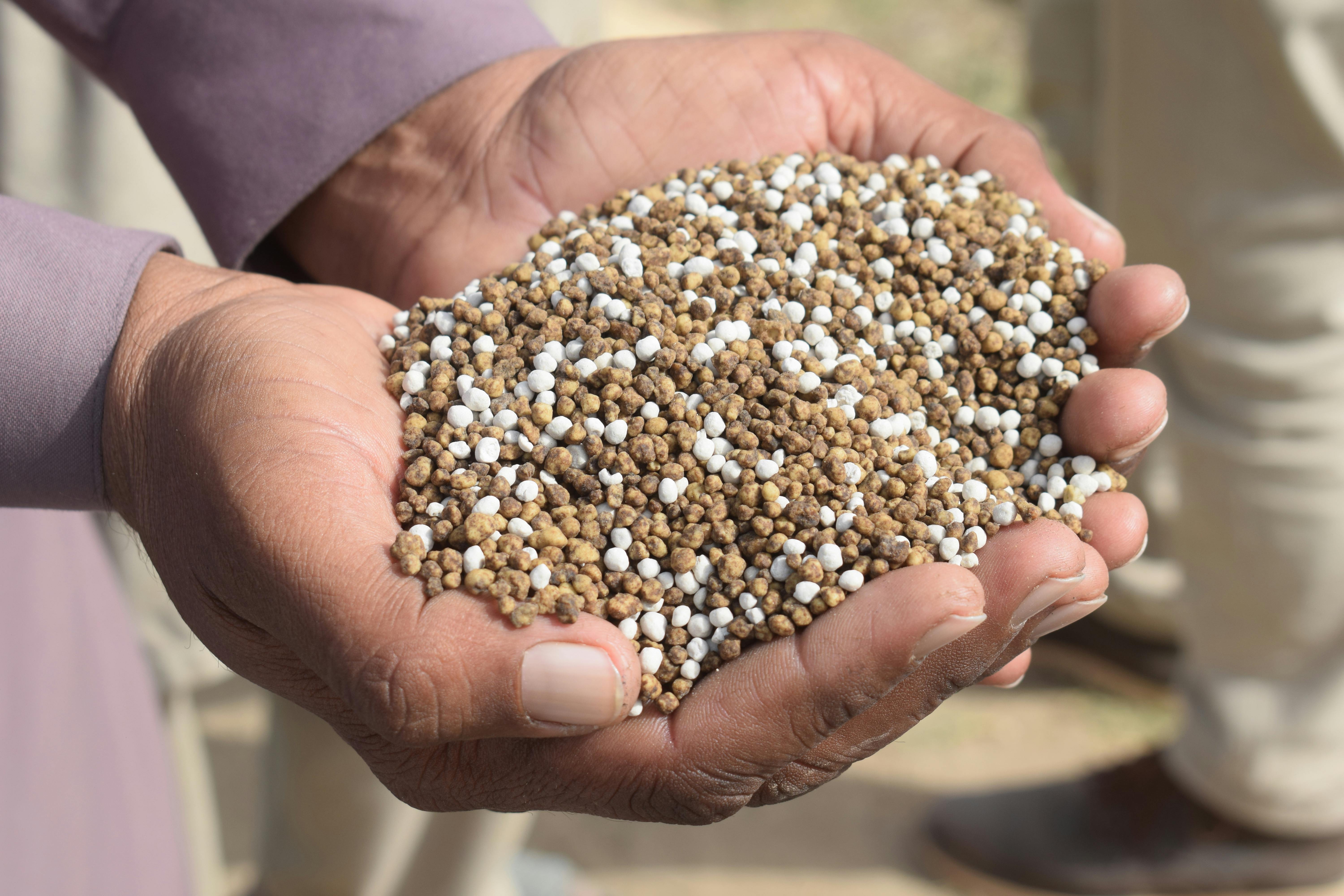
Composting is the cornerstone of organic soil management. It transforms organic waste into nutrient-rich humus, significantly improving soil structure, water retention, and microbial activity. This naturally reduces the need for synthetic fertilizers, leading to substantial cost savings for Kenyan farmers. By utilizing farm residues, kitchen waste, and animal manure, you can create a powerful soil amendment right on your farm.
2. Integrate Biofertilizers for Enhanced Nutrient Availability
Biofertilizers are living microorganisms that, when applied to soil or seeds, promote plant growth by enhancing the availability of primary nutrients. They offer a sustainable and cost-effective alternative to chemical fertilizers, crucial for farmers aiming to reduce input costs. These beneficial microbes can fix atmospheric nitrogen, solubilize phosphorus, and produce plant growth-promoting substances.
3. Practice Crop Rotation and Diversification
Crop rotation is a fundamental practice in organic farming that helps maintain soil fertility, manage pests and diseases, and improve overall soil structure. Diversifying crops, including legumes, cover crops, and different families of vegetables, ensures a balanced nutrient cycle and supports a healthy soil microbiome.
To further understand and implement these strategies effectively, explore sustainable organic farming solutions with Biofarm Kenya, your trusted partner in agricultural innovation.
Case Studies, Examples, or Comparisons
The success stories of Kenyan farmers who have embraced organic soil management are numerous and inspiring. These examples demonstrate that transitioning to organic methods is not just an ecological imperative but a viable and profitable agricultural strategy.
A notable 2025 study from Jomo Kenyatta University highlighted the remarkable impact of organic farming systems on soil moisture retention in Kenya’s semi-arid regions. The research indicated that organic practices, through increased soil organic matter, significantly improved soil moisture retention by up to 30%. This enhanced water-holding capacity is critical for crop resilience, especially in areas prone to drought, leading to more consistent yields and reduced irrigation needs.
Further reinforcing these findings, farmer field trials conducted in Kakamega have consistently shown that farms transitioning to organic inputs can achieve yields comparable to, and sometimes even surpass, those using synthetic fertilizers after just two growing seasons. These trials observed that while an initial dip in yield might occur during the conversion period, the long-term benefits in soil health and reduced input costs quickly led to equal or better economic returns. For instance, farmers who adopted locally-sourced compost saw a 40% reduction in fertilizer expenses, directly contributing to increased farm profitability.
Beyond individual farm success, larger initiatives are also driving the shift. The Food and Agriculture Organization (FAO) has been instrumental in promoting ecological organic agriculture development strategies in Kenya. Their reports emphasize how organic practices, particularly suited to small-scale farming, can increase yields and incomes for subsistence farmers while ensuring environmental conservation. This aligns with the national agenda to enhance food security and reduce poverty through sustainable means.
These examples collectively paint a clear picture: organic soil management in Kenya is not a niche practice but a powerful pathway to sustainable agriculture, offering tangible benefits in terms of soil health, crop productivity, and economic viability. It’s a testament to the resilience and adaptability of Kenyan farmers who are leading the charge towards a greener, more profitable future.
Common Mistakes to Avoid
While the benefits of organic soil management are clear, farmers transitioning from conventional practices can encounter pitfalls. Awareness of these common mistakes can help you navigate the transition smoothly and efficiently.
1. Expecting Instant Results: Organic farming is a long-term investment. Soil health improves gradually as organic matter accumulates and microbial populations flourish. A common mistake is to expect immediate yield increases comparable to synthetic fertilizer boosts. This impatience can lead to reverting to conventional methods too soon.Correction: Understand that there's a conversion period. Focus on consistent application of organic practices and observe gradual improvements in soil structure, water retention, and pest resistance over several seasons.
2. Neglecting Soil Testing: Even with organic methods, understanding your soil's specific needs is crucial. Guessing what nutrients are lacking or in excess can lead to imbalances.Correction: Regularly conduct soil tests to identify nutrient deficiencies or pH imbalances. This allows for targeted organic amendments, such as specific mineral dusts or adjusting compost ratios. A simple, at-home Soil Test Kit -140 Test- 2025 Updated – available on Amazon can provide valuable insights into your soil's health, helping you make informed decisions.
3. Insufficient Organic Matter Application: Organic matter is the lifeblood of healthy soil. Underestimating the amount needed or not consistently adding it back can hinder the transition.Correction: Prioritize continuous addition of diverse organic materials. This includes regular composting, utilizing cover crops, integrating crop residues, and practicing green manuring. Aim to build up your soil’s organic carbon content over time.
4. Poor Pest and Disease Management: Relying solely on conventional chemical solutions for pest and disease control without developing organic alternatives is a significant hurdle.Correction: Develop an integrated pest management (IPM) strategy that focuses on prevention. This includes promoting beneficial insects, using companion planting, practicing crop rotation, selecting resistant varieties, and employing organic sprays (like neem oil) as a last resort. Healthy soil and plants are naturally more resilient.
5. Inadequate Water Management: While organic soils retain moisture better, inefficient irrigation systems or improper watering techniques can still lead to water waste or plant stress.Correction: Optimize your irrigation. Consider installing efficient systems like drip irrigation, especially in water-scarce areas. Understand the specific water needs of your crops and irrigate deeply and less frequently to encourage strong root development. For small farms, a Drip Irrigation Kit for Small Farms – Premium Kit Size on Amazon can be a game-changer for water efficiency.
Expert Tips or Best Practices
Cultivating profitable organic soil in Kenya requires a blend of traditional wisdom and modern, sustainable techniques. Here are some expert tips to guide your journey towards a thriving, organic farm.
1. Master the Art of Composting
As discussed, composting is key. To truly master it, experiment with different materials and ratios. Consider vermicomposting (worm composting) for faster decomposition and highly potent worm castings, which are excellent for boosting soil fertility. Ensure your compost pile has a good mix of carbon-rich (brown) and nitrogen-rich (green) materials for optimal microbial activity. Regular turning is crucial for aeration and even decomposition. Always ensure the compost is fully mature before application to avoid nutrient tie-up or attracting pests.
2. Prioritize Soil Biology
Healthy soil is alive! Focus on nurturing a diverse community of microorganisms, earthworms, and beneficial insects. Avoid practices that harm soil life, such as excessive tillage or the use of synthetic chemicals. Incorporate diverse organic matter, use biofertilizers, and practice minimum tillage to preserve soil structure and fungal networks. This living ecosystem is what drives nutrient cycling and plant health.
3. Water Wisely with Precision
Water is a precious resource in Kenya. Even with improved soil moisture retention from organic matter, efficient irrigation is paramount. Drip irrigation systems deliver water directly to the plant roots, minimizing evaporation and waste. For consistent monitoring, a simple soil moisture meter can guide your watering schedule, ensuring plants receive just what they need without over- or under-watering. This precision conserves water and prevents nutrient leaching. Maintaining healthy soil structure also allows for better infiltration of rainwater, reducing runoff.
4. Embrace Agroforestry and Permaculture Principles
Integrate trees and shrubs into your farming system. Agroforestry practices, such as planting nitrogen-fixing trees (e.g., Calliandra, Leucaena) or fruit trees around your farm boundaries, provide multiple benefits: they stabilize soil, offer shade, enhance biodiversity, and contribute organic matter through leaf litter. Permaculture principles encourage designing self-sustaining agricultural ecosystems that mimic natural patterns, leading to greater resilience and reduced external inputs. These approaches align perfectly with organic farming's long-term goals.
5. Invest in Quality, Ergonomic Tools
While organic farming emphasizes natural processes, having the right tools can significantly ease labor and improve efficiency. Invest in durable, ergonomic hand tools for weeding, planting, and soil preparation. Quality tools reduce strain and last longer, making your work more enjoyable and productive. For example, consider a robust Gostur Garden Tool Set, 3PCS Sturdy Gardening Hand Tools Kit – available on Amazon for essential tasks like weeding and cultivation.
By implementing these expert tips, Kenyan farmers can build resilient, highly productive organic farms that not only yield healthy crops but also contribute to a sustainable environment and increased profitability. To delve deeper into these methods and discover more resources, explore sustainable organic farming solutions with Biofarm Kenya.
Future Trends or Predictions
The future of organic agriculture in Kenya is dynamic and full of innovative possibilities, promising to further revolutionize how farmers cultivate the land and manage their soil. Several exciting trends are emerging, poised to enhance efficiency, sustainability, and profitability.
1. Smart Irrigation Systems: Beyond basic drip irrigation, the next generation of irrigation will integrate sensors and AI to monitor soil moisture, weather forecasts, and crop needs in real-time. These smart systems will precisely deliver water only when and where it's needed, maximizing water efficiency and nutrient delivery, particularly crucial in Kenya’s variable climate. This technology will empower farmers to conserve water resources significantly and optimize plant growth.
2. Advanced Biofertilizers and Biostimulants: The development of highly specialized biofertilizers and biostimulants is rapidly advancing. These products will offer targeted solutions for specific soil conditions and crop types, enhancing nutrient uptake, improving stress tolerance, and boosting yields in an environmentally friendly manner. Research into indigenous microbial strains will lead to more effective, locally adapted solutions for Kenyan soils.
3. Vertical Farming and Urban Agriculture: As urban populations grow and arable land becomes scarcer, vertical farming and controlled-environment agriculture will gain traction. These systems, often operating without soil or with soilless organic substrates, allow for year-round production in limited spaces, reducing water use and pest pressure. This trend could particularly benefit urban and peri-urban areas of Kenya, providing fresh, organic produce closer to consumers.
4. AI and Data-Driven Farming: Artificial intelligence and big data analytics will play an increasingly vital role in organic farming. AI-powered platforms will help farmers analyze soil data, predict disease outbreaks, optimize planting schedules, and even manage harvests. Drones equipped with multispectral cameras will monitor crop health and identify issues long before they become visible to the human eye, enabling proactive organic interventions.
5. Regenerative Agriculture Practices: The principles of regenerative agriculture, which aim not just to sustain but to actively improve soil health and ecosystem functions, will become more mainstream. This includes practices like no-till farming, diverse cover cropping, and integrating livestock, all focused on sequestering carbon, enhancing biodiversity, and building resilient agricultural systems that are productive for generations. Kenya's unique biodiversity offers vast potential for these nature-based solutions.
These trends highlight a future where organic farming in Kenya is not just about avoiding chemicals but about embracing cutting-edge technology and ecological wisdom to create highly efficient, resilient, and profitable agricultural systems. The emphasis will continue to be on building healthy soil as the foundation for all farming success.
Conclusion
The journey to boosting your farm's profitability with organic soil in Kenya is a strategic and rewarding one. As we've explored, transitioning from synthetic fertilizers to a system rich in organic composting and biofertilizers offers compelling advantages: a significant 40% reduction in fertilizer expenses, a remarkable 30% improvement in soil moisture retention in semi-arid regions, and the achievement of comparable yields within two growing seasons, as evidenced by farmer trials in Kakamega and a Jomo Kenyatta University study. This holistic approach not only nurtures healthier crops and a more resilient ecosystem but also secures the long-term economic viability of your farm.
Embracing organic soil management means investing in the very foundation of your agricultural enterprise. It's about cultivating a living soil that thrives with beneficial microorganisms, retains precious water, and provides a sustained release of nutrients, freeing you from the cyclical dependency and rising costs of conventional inputs. The success stories from Kenyan farmers, coupled with the latest research and emerging agricultural technologies, paint a clear picture of a prosperous and sustainable future.
We encourage you to take these insights and apply them to your farm. Start with small changes, observe the results, and gradually expand your organic practices. The path to profitability through sustainable means is accessible, supported by a growing community of organic farmers and a wealth of knowledge.
Discover trusted organic farming tools on Amazon and learn more about sustainable solutions with Biofarm Kenya. Your journey towards a more profitable, healthier, and sustainable farm begins now.
FAQs
1. What are the initial challenges when switching to organic soil management in Kenya?
Farmers often face an initial learning curve, potential temporary yield dips during the transition period, and the need to source organic inputs locally. Building sufficient compost and understanding new pest management strategies can also be challenging. However, long-term benefits typically outweigh these initial hurdles. The FAO highlights support systems that can help overcome these challenges.
2. How long does it take to see results from organic soil improvement?
While some improvements in soil structure and water retention can be observed within the first growing season, significant changes in soil fertility and comparable crop yields typically take two to three growing seasons. This period allows the soil microbiome to rebuild and organic matter to accumulate effectively. Research from organizations like Global Agriculture supports these timelines for profitability.
3. Are organic fertilizers as effective as synthetic ones in boosting yields?
Initially, synthetic fertilizers can provide a quick boost. However, studies and farmer trials in Kenya, such as those in Kakamega, show that organic inputs can achieve equal or even superior yields after a conversion period, especially when considering soil health, drought resilience, and long-term sustainability. Organic fertilizers nourish the soil, leading to sustained plant health rather than just feeding the plant directly. Biofertilizer suppliers in Kenya are increasingly offering effective organic alternatives.
4. How can I get my soil tested in Kenya for organic farming purposes?
You can approach agricultural research institutions like KALRO (Kenya Agricultural & Livestock Research Organization) or universities with agricultural departments. There are also private labs offering soil testing services. Ensure they can provide recommendations tailored for organic amendments. The Kenyan Ministry of Agriculture is also undertaking initiatives for nationwide soil analysis.
5. What are the best indigenous cover crops for soil health in Kenya?
Effective indigenous cover crops in Kenya include various legumes like cowpeas, mucuna (velvet bean), and lablab, which fix nitrogen and add organic matter. Grasses like millet and sorghum can also be used to improve soil structure and prevent erosion. Selecting cover crops should be based on your specific agro-ecological zone and main crop rotation. Many sustainable agriculture practices in East Africa integrate traditional cover cropping methods.
6. Where can I find training and support for organic farming in Kenya?
Various NGOs, community-based organizations, and agricultural extension services offer training. Organizations like KOAN (Kenya Organic Agriculture Network) and Biofarm Kenya are excellent resources. Universities often conduct workshops, and local farmer groups provide peer-to-peer learning opportunities. Explore sustainable organic farming solutions with Biofarm Kenya for expert guidance and resources.



0 Comments