

Estimated Reading Time: 9 minutes
TL;DR: Kenyan farmers can significantly boost yields and build climate resilience by adopting Conservation Agriculture (CA). This approach, centered on minimal soil disturbance, permanent soil cover, and crop diversification, offers a sustainable path to higher productivity and reduced costs. Proven to increase yields by 30-50% and cut labor by 40%, CA is vital for combating soil degradation and erratic rains. This guide provides practical steps, addresses common pitfalls, and highlights expert tips for successful implementation, ultimately fostering a healthier future for Kenyan agriculture.
Key Takeaways:
Table of Contents
Introduction
The agricultural landscape in Kenya faces a complex array of challenges, from unpredictable weather patterns and prolonged droughts to severe soil degradation and declining fertility. For generations, traditional farming methods, particularly intensive plowing, have inadvertently contributed to these issues, stripping vital nutrients from the soil and leaving it vulnerable to erosion. However, a transformative solution is gaining widespread recognition and adoption: Conservation Agriculture (CA).
Kenyan farmers are increasingly adopting conservation agriculture (CA) to combat soil degradation and erratic rains. This training guide focuses on CA's three pillars: minimal soil disturbance, permanent soil cover, and crop diversification. These principles are not just theoretical concepts; they are practical, evidence-based strategies that empower farmers to create more resilient, productive, and sustainable farming systems. The promise of CA is significant: Key evidence shows CA increases yields by 30-50% in semi-arid areas (KALRO 2025) and reduces labor costs by 40% (FAO 2026). This article serves as a comprehensive resource, delving into the core components of CA and offering practical, step-by-step modules to train farmers in essential techniques like mulching, cover cropping, and zai pit preparation. We challenge conventional plowing's short-term cost-effectiveness, advocating instead for CA's long-term soil resilience and environmental benefits.
Background & Context
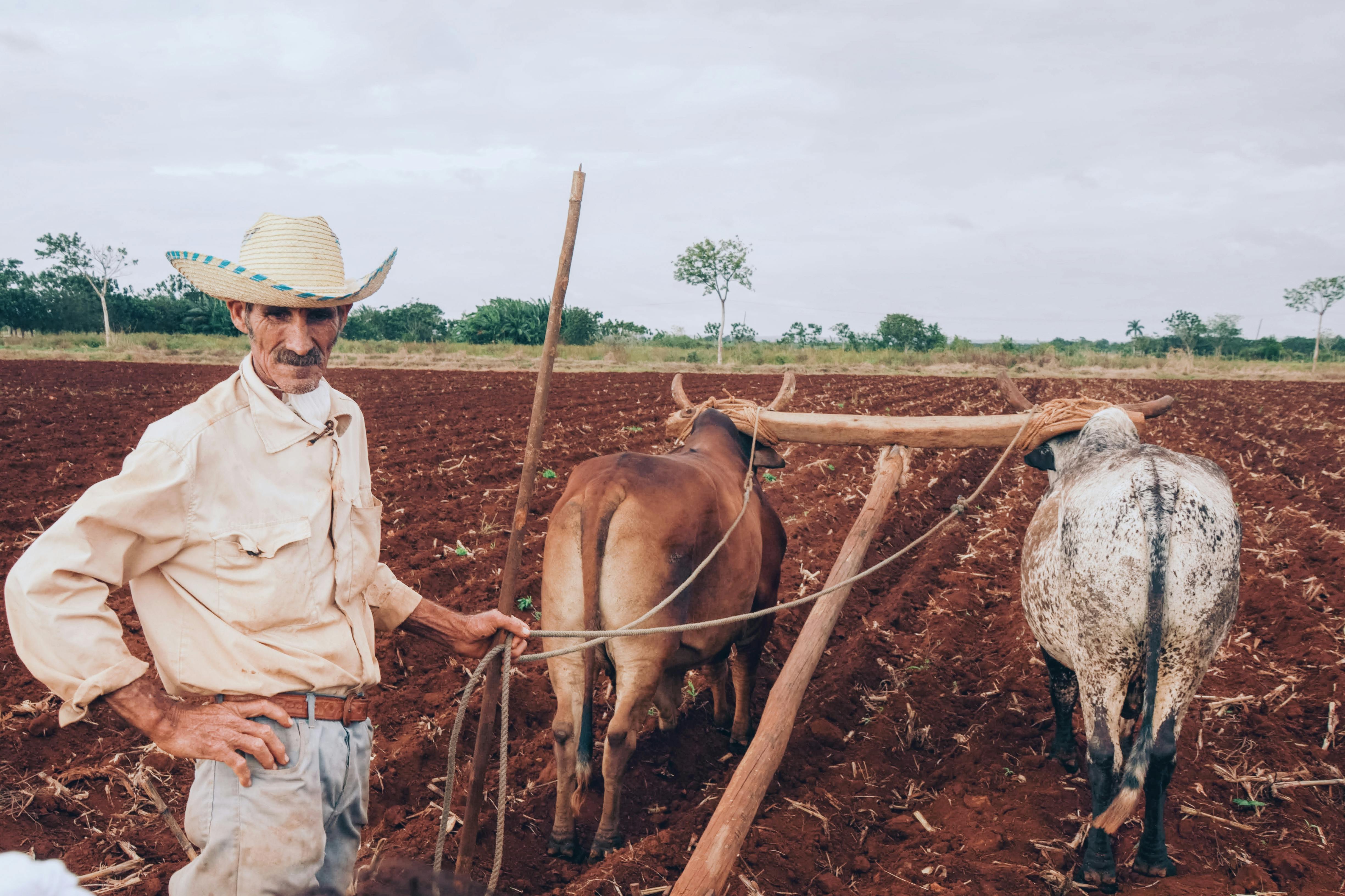
Kenya's economy is heavily reliant on agriculture, which accounts for over a third of its GDP and employs a significant portion of its population. Despite its importance, the sector is highly vulnerable to climate change. Recurring droughts, floods, and changes in rainfall patterns severely impact food security and farmer livelihoods. Traditional farming practices, often characterized by monoculture and extensive tilling, have exacerbated these vulnerabilities by leading to soil compaction, loss of organic matter, and reduced water infiltration.
In this critical context, sustainable agriculture, and specifically organic farming, offers a viable path forward. The demand for organic produce is growing both locally and internationally, signaling a shift towards healthier, environmentally friendly food systems. Statistics indicate a steady increase in land area under organic cultivation in Kenya, driven by consumer awareness and the potential for premium market prices. Enhancing soil fertility through natural means and promoting biodiversity are central to this growth, providing a strong foundation for the adoption of conservation agriculture principles. This holistic approach not only benefits the environment but also provides economic stability for farming communities across the country.
Key Insights & Strategies for CA Success
Conservation Agriculture is built upon three interconnected pillars, each crucial for optimizing soil health, water retention, and overall farm productivity. Mastering these strategies is key to unlocking the full potential of your farm.
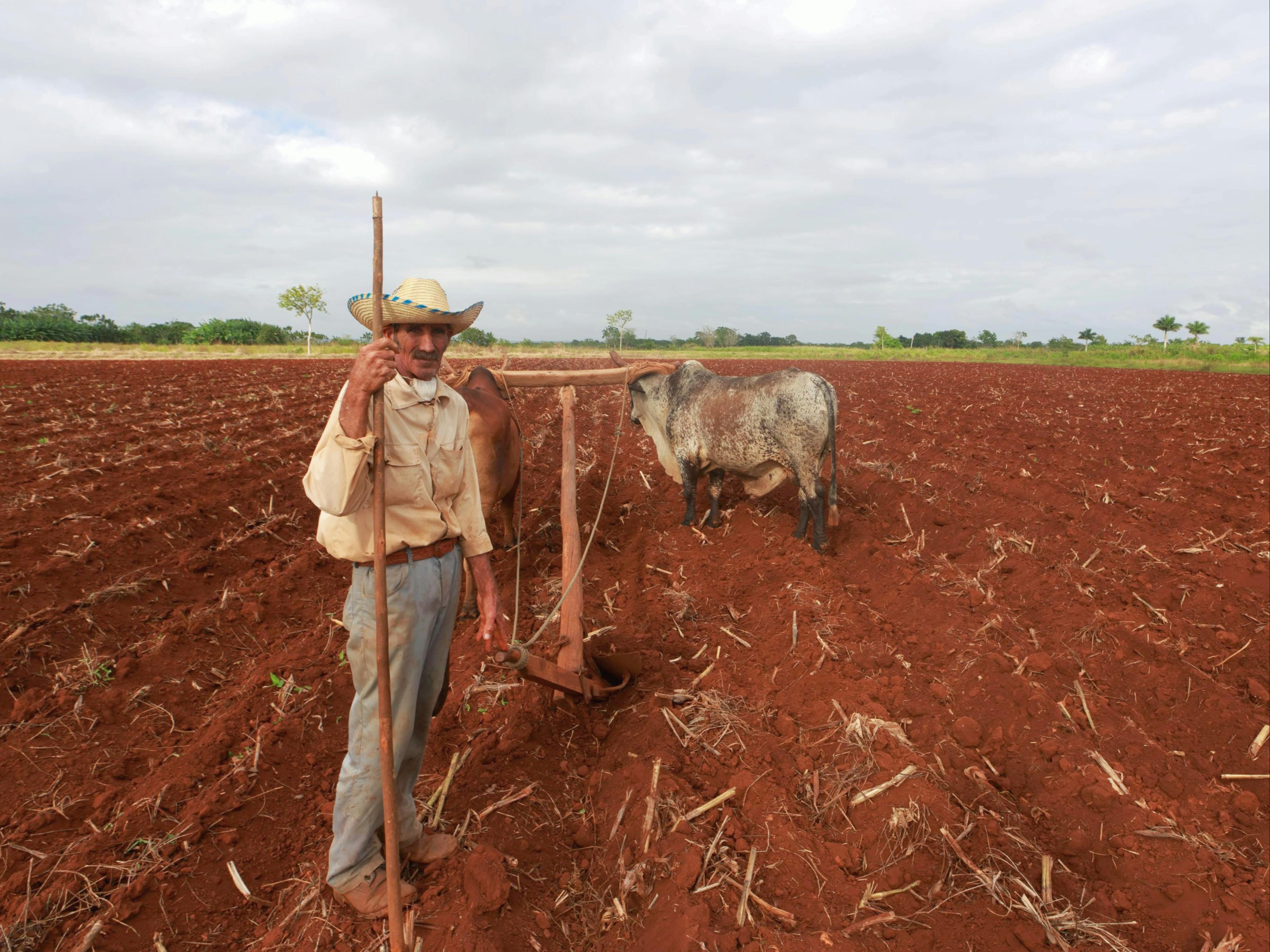
1. Minimal Soil Disturbance (No-Till/Reduced Tillage)
This fundamental pillar involves minimizing or eliminating mechanical soil disturbance through plowing or harrowing. By leaving the soil structure intact, you protect its natural ecosystem, prevent erosion, and enhance water infiltration. This approach allows beneficial microorganisms to thrive, leading to healthier, more fertile soil over time.
For farmers looking to understand their soil's specific needs, an accurate measurement is crucial. Boost your yields with the Luster Leaf 1601 Rapitest Soil Test Kit – available on Amazon, which helps assess pH and nutrient levels, guiding your CA practices effectively.
2. Permanent Soil Cover (Mulching & Cover Cropping)
Maintaining a permanent organic cover on the soil surface is vital. This can be achieved through crop residues, mulching, or planting cover crops. The cover acts as a protective shield, regulating soil temperature, conserving moisture, suppressing weeds, and continuously adding organic matter back into the soil as it decomposes.
To establish a robust permanent soil cover, particularly with cover crops, efficient water delivery is paramount. Consider integrating a KORAM Drip Irrigation Kit, DIY Micro Drip Irrigation System – available on Amazon to ensure your cover crops and main crops receive consistent moisture while conserving water.
3. Crop Diversification (Rotations & Intercropping)
Moving away from monoculture, crop diversification involves rotating different crops and intercropping (planting two or more crops in the same field simultaneously). This strategy breaks pest and disease cycles, improves nutrient cycling, enhances soil structure, and promotes biodiversity, leading to a more stable and productive ecosystem.
By integrating these three pillars, Kenyan farmers can foster healthier soil, conserve precious water resources, and achieve higher, more consistent yields, even in challenging environmental conditions. To learn more about sustainable organic farming solutions and how they align with CA, explore sustainable organic farming solutions with Biofarm Kenya.
Case Studies: Kenyan Farmers Thriving with CA
The success of Conservation Agriculture is not merely theoretical; it's being demonstrated on farms across Kenya. Numerous smallholder and commercial farmers have transitioned to CA, witnessing tangible improvements in their yields and resilience.
One notable example comes from the semi-arid regions of Kitui and Machakos, where farmers, in collaboration with organizations like KALRO and FAO, have adopted zai pits and mulching techniques. These farmers, traditionally struggling with erratic rainfall and poor soils, have reported significant turnarounds. By digging small pits (zai pits) that collect water and applying mulch, they’ve managed to establish crops where previously none would thrive. Yields for maize and beans have increased by over 40% in some areas, providing consistent food security and surplus for market. This demonstrates how localized CA techniques can directly address the unique challenges of Kenyan topography and climate.
Another inspiring case is found in Western Kenya, where farmer groups have embraced integrated soil fertility management combined with minimum tillage and crop rotation. By rotating maize with nitrogen-fixing legumes like groundnuts and soybeans, and leaving crop residues on the field, these farmers have observed a noticeable improvement in soil structure and organic matter content. This has led to reduced reliance on expensive synthetic fertilizers and a healthier crop stand, reducing susceptibility to common diseases. The Food and Agriculture Organization (FAO) regularly highlights such success stories, underscoring the potential for CA to transform livelihoods across the continent.
These examples illustrate that CA is not a one-size-fits-all solution but a flexible framework that can be adapted to various local conditions, crop types, and socio-economic contexts. The common thread is a commitment to working with nature, rather than against it, to build long-term farm productivity and resilience.
Common Mistakes to Avoid in Conservation Agriculture
While Conservation Agriculture offers immense benefits, successful implementation requires careful planning and a conscious effort to avoid common pitfalls. Understanding these errors can save farmers time, resources, and potential setbacks.
1. Incomplete Transition to No-Till: Many farmers struggle with fully committing to minimal soil disturbance, often reverting to occasional plowing out of habit or perceived necessity. This negates the benefits of CA by disrupting the soil structure that CA aims to build.
Correction: Gradually reduce tillage over several seasons, allowing the soil biology to adapt. Focus on building organic matter to improve soil workability.
2. Insufficient Soil Cover: Leaving the soil bare, even for short periods, exposes it to erosion, moisture loss, and extreme temperatures. Sometimes, farmers remove too much crop residue for livestock feed or fuel.
Correction: Prioritize leaving at least 30% crop residue cover. If residue is scarce, actively plant cover crops or import mulching materials to ensure continuous soil protection.
3. Lack of Crop Diversification: Sticking to monoculture despite adopting other CA principles limits the benefits. Without rotation or intercropping, pest and disease cycles can persist, and nutrient imbalances may occur.
Correction: Develop a strategic crop rotation plan that includes legumes, cereals, and other crop types. Experiment with intercropping to enhance biodiversity and nutrient synergy.
4. Improper Weed Management: Relying solely on herbicides without integrating other weed control methods can lead to herbicide resistance and environmental concerns. Traditional tilling often handled weeds, so new strategies are needed in CA.
Correction: Combine diversified crop rotations, mulching, and targeted manual weeding or organic herbicides. Integrated Pest Management (IPM) principles are crucial.
5. Ignoring Soil Health Assessments: Assuming soil conditions will automatically improve without regular monitoring can lead to misinformed decisions. Soil pH, nutrient levels, and organic matter content need to be tracked.
Correction: Conduct regular soil tests (e.g., annually or bi-annually) to understand soil dynamics and adjust nutrient management strategies accordingly. This helps tailor interventions to actual soil needs.
Avoiding these common mistakes ensures that the transition to Conservation Agriculture is smoother and more effective, leading to sustainable improvements in farm productivity and resilience.
Expert Tips & Best Practices for Maximizing CA
Implementing Conservation Agriculture successfully goes beyond simply understanding its pillars; it involves adopting a mindset of continuous learning and adaptation. Here are expert tips tailored for Kenyan farmers to truly thrive with CA:
1. Start Small and Learn: Don't try to convert your entire farm at once. Designate a small section or a few beds for CA practices. This allows you to experiment, observe, and learn what works best for your specific soil type and microclimate before scaling up. Join local farmer field schools or groups for shared learning.
2. Embrace Local Materials for Mulching: Utilize readily available organic materials such as dry grass, maize stalks, coffee husks, or even pruned branches for mulching. These local resources are cost-effective and contribute significantly to soil organic matter. Remember, the goal is consistent soil cover.
3. Integrate Livestock Wisely: If you have livestock, consider their role in CA. Controlled grazing can help manage cover crops and add manure, but uncontrolled grazing can damage soil cover and structure. Plan grazing rotations that complement your CA objectives.
4. Understand Your Soil's Biology: Healthy soil is teeming with life – earthworms, fungi, bacteria. Learn to identify signs of healthy soil biology (e.g., presence of earthworms). Minimizing disturbance nurtures these crucial organisms. To enhance your soil's living ecosystem, consider adding a Jobe's Organics Compost Starter, 4 lb Granules – available on Amazon, which helps accelerate decomposition and nutrient cycling.
5. Water Management is Key: While CA improves water retention, efficient water use remains critical, especially in arid and semi-arid regions. Consider localized irrigation methods like drip systems, particularly for high-value crops, to supplement rainfall and maximize water efficiency. Properly managing water alongside CA principles ensures your plants receive consistent moisture.
6. Invest in Appropriate Tools: While minimal tillage reduces the need for heavy machinery, some specialized tools can greatly aid CA. Direct seeders, manual jab planters, and good quality hand tools for preparing zai pits or managing cover crops can be invaluable. For those looking for essential gardening tools to support their CA journey, a versatile set like the VIVOSUN Gardening Hand Tools Set 8 Pieces – found on Amazon, can make a significant difference in daily farm tasks.
7. Seek Knowledge and Collaboration: Connect with agricultural extension officers, NGOs promoting CA, and fellow farmers. Knowledge sharing and peer support are powerful tools for successful adoption. Organizations like Biofarm Kenya offer invaluable resources and training. To further your knowledge and connect with a community dedicated to sustainable practices, explore sustainable organic farming solutions with Biofarm Kenya.
Future Trends & Innovations in Kenyan Agriculture
The agricultural sector in Kenya is dynamic, continually evolving with technological advancements and a growing emphasis on climate resilience. Conservation Agriculture serves as a robust foundation, but several emerging trends are poised to further revolutionize farming practices and boost yields.
Smart Irrigation Systems: Beyond traditional drip irrigation, smart systems are gaining traction. These utilize sensors to monitor soil moisture, weather conditions, and crop needs, automatically delivering precise amounts of water. This drastically reduces water waste and ensures optimal plant hydration, particularly crucial in water-scarce regions.
Precision Agriculture and AI: Drones and satellite imagery, combined with AI analytics, are enabling farmers to monitor crop health, identify pest outbreaks, and assess nutrient deficiencies with unprecedented accuracy. This precision allows for targeted interventions, optimizing resource use and minimizing environmental impact. AI-driven platforms can also offer tailored recommendations for planting, fertilizing, and harvesting based on local conditions.
Vertical Farming and Hydroponics/Aeroponics: For urban and peri-urban areas, vertical farming systems, hydroponics (growing in nutrient-rich water), and aeroponics (growing with misted nutrients) offer solutions to land scarcity and water constraints. These controlled environments allow for year-round production of high-value crops with minimal land and water footprint, providing fresh produce closer to markets.
Climate-Resilient Crop Varieties: Research institutions like KALRO are continuously developing new crop varieties that are more tolerant to drought, heat, and common diseases. These genetically improved crops are crucial for maintaining food security in the face of a changing climate. Combining these varieties with CA practices creates a powerful synergy for enhanced resilience.
Renewable Energy Integration: Solar-powered irrigation pumps, cold storage units, and processing facilities are becoming more accessible. The integration of renewable energy sources reduces operational costs for farmers, enhances energy independence, and lowers the carbon footprint of agricultural activities.
These trends, when integrated with the core principles of Conservation Agriculture, promise a future where Kenyan farms are not only highly productive but also sustainable, environmentally sound, and resilient to the challenges of the 21st century.
Conclusion
The journey towards sustainable and productive agriculture in Kenya is both a challenge and an immense opportunity. Conservation Agriculture, with its emphasis on minimal soil disturbance, permanent soil cover, and crop diversification, stands as a cornerstone of this transformation. By adopting these proven techniques, Kenyan farmers can not only significantly boost their yields—by 30-50% in semi-arid areas—but also dramatically reduce operational costs, particularly labor, by up to 40%. More importantly, CA empowers farms to build resilient soil, a vital defense against the escalating impacts of climate change and erratic weather patterns.
The benefits extend beyond individual farm productivity, contributing to national food security, environmental health, and the economic well-being of rural communities. The shift from conventional plowing, while requiring initial commitment and learning, ultimately delivers long-term benefits that outweigh short-term adjustments. As we look to the future, embracing CA alongside emerging innovations will pave the way for a vibrant, sustainable, and prosperous agricultural sector in Kenya. Continue to seek knowledge, collaborate with peers, and leverage available resources to make your farm a beacon of conservation agriculture success. Discover trusted organic farming tools on Amazon and learn more about sustainable solutions with Biofarm Kenya.
FAQs
What are the three core principles of Conservation Agriculture?
The three core principles of Conservation Agriculture are: minimal soil disturbance (often referred to as no-till or reduced tillage), permanent organic soil cover (through mulching or cover crops), and crop diversification (via rotations and intercropping). These principles work synergistically to improve soil health and farm resilience. Learn more about these principles from the FAO.
How does Conservation Agriculture help in combating climate change in Kenya?
Conservation Agriculture plays a crucial role in climate change mitigation and adaptation. By minimizing soil disturbance and maintaining soil cover, it significantly increases soil organic matter, which enhances carbon sequestration (drawing carbon dioxide from the atmosphere). It also improves water infiltration and retention, making farms more resilient to droughts and erratic rainfall patterns prevalent in Kenya. Read about Kenya's climate change efforts from NEMA.
What are the primary advantages of adopting Conservation Agriculture for Kenyan farmers?
Kenyan farmers adopting CA can expect numerous advantages, including increased crop yields (up to 30-50% in semi-arid areas), reduced labor and fuel costs (by up to 40%), improved soil fertility and structure, enhanced water conservation, reduced soil erosion, and greater resilience to adverse weather conditions. These benefits lead to improved food security and economic stability. Explore KALRO's research on CA benefits.
Are there any disadvantages or challenges in implementing Conservation Agriculture?
While highly beneficial, CA can present initial challenges. These may include the need for new specialized equipment (e.g., direct planters), a learning curve for new management practices (especially weed control without tillage), and a potential initial dip in yields during the transition phase as soil biology adjusts. Overcoming these often requires farmer training, access to appropriate tools, and community support. Find resources to overcome CA challenges with Biofarm Kenya.
What role does KALRO play in promoting Conservation Agriculture in Kenya?
The Kenya Agricultural and Livestock Research Organization (KALRO) is at the forefront of CA promotion in Kenya. KALRO conducts extensive research on CA techniques suitable for various agro-ecological zones, develops climate-resilient crop varieties, and provides training and extension services to farmers. Their studies often provide the data supporting the yield and cost benefits of CA in the Kenyan context. Visit the KALRO website for more information.
How can a smallholder farmer in Kenya begin transitioning to Conservation Agriculture?
Smallholder farmers can begin by implementing CA principles gradually. Start with a small plot to practice minimal tillage, leave crop residues as mulch, and introduce simple crop rotations or intercropping with legumes. Seek advice from local agricultural extension officers or experienced CA farmers. Investing in basic hand tools suitable for minimal disturbance and utilizing locally available organic materials for mulching are excellent starting points. Get started with Biofarm Kenya's guides for smallholder farmers.
External Authoritative Links:
Internal Biofarm Kenya Links (Further Resources):



0 Comments