

Estimated Reading Time: 10-11 minutes
TL;DR: Kenya's agricultural sector faces severe water scarcity, demanding innovative solutions beyond traditional methods. This article outlines advanced strategies like site-specific water mapping, permaculture earthworks (swales), efficient mulching, and small-scale farm reservoirs to optimize water utility. By adopting these proactive, evidence-backed techniques, farmers can significantly enhance drought resilience, reduce reliance on erratic rainfall, and ensure stable crop production even in a changing climate. Integrating smart irrigation and soil health practices is crucial for long-term sustainability and food security.
Key Takeaways:
Introduction
Kenya, a nation deeply rooted in agriculture, continually grapples with the harsh realities of climate change. Among the myriad challenges, water scarcity remains Kenya's most critical agricultural challenge, intensifying farmer demand for effective solutions. Erratic rainfall patterns, prolonged droughts, and increasing population pressure have made conventional farming practices unsustainable. Farmers across the country are seeking robust strategies to secure their livelihoods and ensure food security for their communities. This article delves beyond basic water harvesting methods, focusing on proactive, evidence-backed strategies for genuine drought resilience. We aim to equip Kenyan farmers with advanced techniques that transcend traditional limitations, enabling them to maximize water utility, reduce dependency on erratic rainfall, and ensure crop stability in a changing climate.
At Biofarm Kenya, we understand that true resilience comes from embracing innovative and sustainable approaches. By adopting a holistic perspective, farmers can transform their fields into vibrant, productive ecosystems even in the face of climatic adversity. The goal is not just to survive the dry spells, but to thrive, ensuring a prosperous future for Kenyan agriculture.
Background & Context
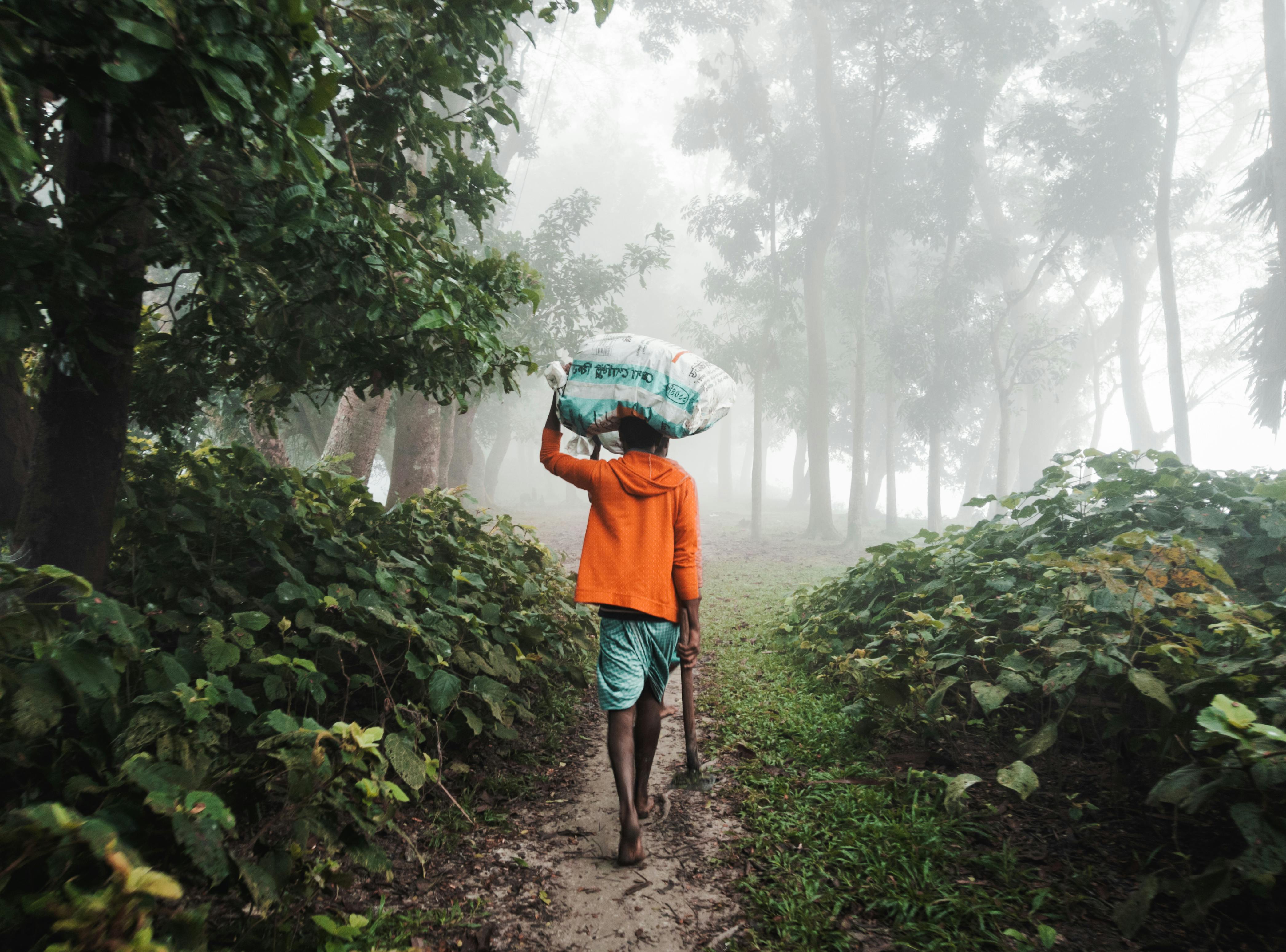
Kenya's agricultural sector, contributing approximately 22.4% to the Gross Domestic Product (GDP), is predominantly rain-fed, making it highly vulnerable to climatic shocks. Recent data from the National Drought Management Authority (NDMA) consistently highlights the escalating frequency and severity of droughts, impacting millions and decimating livestock and crops. This dire situation underscores the urgent need for a paradigm shift in water management. While traditional methods like shallow wells and basic rainwater collection have their place, they often fall short in prolonged dry periods.
The imperative for sustainable agriculture in Kenya is clear. Organic farming practices, for instance, are gaining traction not only for their environmental benefits but also for their inherent ability to build soil health, which is intrinsically linked to water retention. Healthy, organically rich soils can hold significantly more water than degraded soils, acting as a natural sponge during dry spells. This approach offers a powerful synergy between soil fertility and drought resilience, paving the way for a more secure agricultural future. For more insights into organic farming, discover the advantages of organic farming in Kenya.
Key Insights & Advanced Strategies for Water Resilience

To genuinely build drought resilience, Kenyan farmers must move beyond conventional water harvesting. Here are advanced, evidence-backed strategies that offer profound impacts:
1. Site-Specific Water Mapping and Permaculture-Inspired Earthworks
Understanding the micro-topography of your farm is the first step. Site-specific water mapping involves assessing slopes, soil types, and natural water flow patterns to design efficient water capture and distribution systems. Integrating permaculture-inspired earthworks, such as swales, can dramatically improve water infiltration and retention. Swales are ditches dug on contour, designed to slow down, spread, and sink rainwater into the landscape rather than allowing it to run off.
These earthworks create living sponges, recharging groundwater and making moisture available to plants for longer periods. For farmers looking to optimize their land’s natural water dynamics, understanding soil composition is key. Boost your yields and make informed decisions with the 4-in-1 Soil Moisture, Light, Nutrient & pH Tester – available on Amazon. This tool helps you accurately assess your soil’s needs, which is crucial for effective water management.
2. Efficient Mulching for Soil Moisture Retention
Mulching is a cornerstone of water-efficient farming. By covering the soil surface with organic materials, farmers can significantly reduce evaporation, suppress weeds (which compete for water), regulate soil temperature, and gradually improve soil structure and fertility. This simple yet powerful practice is often overlooked but provides immense benefits in drought-prone regions.
In addition to organic mulches, synthetic options like weed barrier fabric can be highly effective in reducing evaporation and weed growth in specific applications. For robust, long-lasting weed control that conserves soil moisture, consider the HOOPLE 3ftx180ft Heavy Duty Weed Barrier Landscape Fabric – found on Amazon. This can be particularly useful for pathways or permanent beds.
3. Exploring Small-Scale Farm Reservoirs and On-Farm Water Storage
Moving beyond basic tanks, developing small-scale farm reservoirs, such as lined ponds or modified earth dams, can provide crucial water reserves for irrigation during dry periods. These can be fed by rainwater runoff, boreholes, or even seasonal streams.
For efficient rainwater collection, an effective diverter kit is essential. The EarthMinded Rain Barrel Diverter Kit – available on Amazon, ensures that rainwater is channeled directly into your storage barrel and automatically diverts excess water once full, preventing overflow and maximizing collection.
By implementing these strategies, Kenyan farmers can significantly enhance their capacity to manage water effectively, even in the face of increasingly unpredictable climate patterns. Explore sustainable organic farming solutions with Biofarm Kenya to find more resources and support for these advanced techniques.
Case Studies & Success Stories in Kenyan Agriculture
Across Kenya, pioneering farmers are demonstrating the effectiveness of advanced water strategies. These examples provide tangible proof that genuine drought resilience is achievable.
The Machakos County Transformation
In Machakos County, traditionally prone to severe droughts, farmers have embraced a combination of permaculture earthworks and efficient water harvesting. Organizations like the Practical Permaculture Institute of Kenya have trained local communities in digging swales and constructing small check dams. One farmer, Mama Sarah, transformed her 2-acre plot. By implementing a system of contour swales, she noticed a significant increase in soil moisture, allowing her to grow a wider variety of drought-resistant crops like pigeon peas and sorghum, even during extended dry spells. Her yields improved by over 40%, providing a stable income and food source for her family. This success story is a testament to the power of integrating natural design principles with practical farming needs. (Source: Practical Permaculture Institute of Kenya, internal reports and farmer testimonials).
Drip Irrigation Revolution in Kitui
In Kitui County, another arid region, smallholder farmers have adopted solar-powered drip irrigation systems, moving away from inefficient flood irrigation. A collaborative project between the Ministry of Agriculture and local NGOs introduced affordable drip kits to farmer cooperatives. These systems deliver water directly to the plant's root zone, minimizing evaporation and water wastage. Farmers reported saving up to 60% of their water usage compared to traditional methods, enabling them to cultivate high-value crops like tomatoes and capsicum throughout the year, independent of rainfall. This technological adoption has not only improved food security but also created new market opportunities. For more on the impact of irrigation in Kenya, refer to the FAO's work on irrigation development in Kenya.
Community-Led Water Pan Construction in Laikipia
In Laikipia, pastoralist communities are increasingly integrating crop farming. Facing acute water shortages, several communities, with support from the National Environment Management Authority (NEMA), have successfully constructed communal water pans. These large-scale earth dams collect vast amounts of rainwater during short rainy seasons, providing water for both livestock and small-scale irrigation. These initiatives often involve community labor and local materials, fostering a sense of ownership and collective resilience. These projects highlight the critical role of community-led initiatives and government support in scaling up effective water strategies. (Source: NEMA environmental impact assessments and community reports).
Common Mistakes to Avoid in Water Management
Even with the best intentions, farmers can sometimes make mistakes that undermine their water conservation efforts. Being aware of these pitfalls is crucial for genuine drought resilience.
1. Over-reliance on Traditional Rainwater Harvesting Alone: While collecting rainwater from roofs is beneficial, relying solely on this for large-scale crop production in drought-prone areas is insufficient. The limited storage capacity and unpredictable rainfall mean this method needs to be complemented by other strategies like earthworks and efficient irrigation.
2. Inefficient Irrigation Methods: Flood irrigation, common in many areas, wastes enormous amounts of water through evaporation and runoff. Similarly, overhead sprinklers can be inefficient in windy or hot conditions. Transitioning to drip irrigation or micro-sprinklers is vital to maximize water delivery to the plant root zone.
3. Ignoring Soil Health: Degraded soil with low organic matter has poor water retention capacity. Farmers often focus on external water sources without addressing the soil's ability to hold and utilize that water. Neglecting practices like composting and cover cropping is a significant oversight.
Correction: Actively incorporate organic matter into your soil through composting, mulching, and planting cover crops. A healthy soil structure acts as a natural reservoir. Learn more about enhancing soil health.
4. Lack of Water Monitoring: Many farmers irrigate on a schedule rather than based on actual plant or soil needs. This can lead to overwatering (wasting water) or underwatering (stressing plants). Without monitoring, it's impossible to optimize water use.
Correction: Utilize simple soil moisture meters or observe plant wilting signals. This allows for precise irrigation, saving water and promoting healthier plants.
5. Planting Water-Intensive Crops in Arid Zones: Attempting to grow crops that require significant amounts of water (e.g., certain varieties of rice or bananas) in semi-arid or arid regions without adequate, sustainable water sources is a recipe for failure. This exacerbates water stress and often leads to crop loss.
Correction: Prioritize drought-resistant and climate-appropriate crop varieties. Research local indigenous crops that have historically thrived in similar conditions. Discover suitable drought-resistant crops for Kenya.
Expert Tips & Best Practices for Maximizing Water Utility
For Biofarm Kenya, genuinely effective water strategies are about smart, integrated approaches that work with nature, not against it. Here are some expert tips to guide your journey towards unparalleled drought resilience.
1. Embrace Conservation Agriculture Principles
Conservation agriculture (CA) is a highly effective framework for water management. It revolves around three core principles: minimum soil disturbance (no-till farming), permanent soil cover (mulching/cover cropping), and crop rotation. These practices collectively improve soil structure, increase organic matter, enhance water infiltration, and reduce evaporation, leading to significant water savings and healthier soils.
2. Invest in Smart, Small-Scale Irrigation Technology
Drip irrigation remains the gold standard for water efficiency in agriculture. Modern kits are affordable, easy to install, and deliver water directly to the plant roots with minimal loss. This is especially critical in regions where every drop counts.
For small farms, a reliable and efficient drip irrigation system is a game-changer. The RAINPOINT Compact Programmable Solar Automatic Drip Irrigation Pump Kit – available on Amazon, offers an excellent solution, supporting up to 20 plants with automatic, solar-powered watering, perfect for reducing manual labor and conserving water.
3. Cultivate Indigenous and Drought-Tolerant Varieties
Many local crop varieties have evolved to thrive in Kenya's climate. Reintroducing and cultivating these indigenous crops, alongside modern drought-tolerant hybrids, is a smart strategy. They often require less water, are more resistant to local pests and diseases, and are well-adapted to specific soil conditions.
4. Build and Maintain Healthy Compost
Compost is black gold for water retention. Incorporating well-rotted compost into your soil dramatically increases its organic matter content, improving its structure and ability to absorb and hold water. It also provides essential nutrients, reducing the need for synthetic fertilizers.
To produce your own nutrient-rich compost efficiently, consider investing in a quality compost bin. The PLASTIC PRINCE 43 Gallon Garden Compost Bin Outdoor – available on Amazon, is a durable and practical choice for home and farm use, accelerating the composting process.
By integrating these expert tips, Kenyan farmers can build robust, sustainable farming systems that are truly resilient to drought. Explore sustainable organic farming solutions with Biofarm Kenya to access more resources and connect with our network of sustainable agriculture experts.
Future Trends & Innovations in Drought-Resilient Farming
The future of agriculture in Kenya will be defined by innovation, technology, and a deeper understanding of ecological principles. Emerging trends offer exciting possibilities for enhancing drought resilience.
1. Smart Irrigation Systems with AI and Sensors
Beyond basic drip irrigation, the next frontier involves smart systems that use soil moisture sensors, weather data, and artificial intelligence to precisely determine when and how much to irrigate. These systems can autonomously adjust watering schedules, minimizing waste and ensuring optimal plant hydration. This technology promises unprecedented efficiency in water use.
2. Vertical Farming and Hydroponics
In areas with extremely limited land and water, vertical farming and hydroponic systems offer highly efficient alternatives. These methods grow crops in vertically stacked layers or nutrient-rich water solutions, often in controlled environments, using significantly less water and space than traditional field farming. While initial investment can be higher, their efficiency makes them viable for urban and peri-urban food production.
3. Advanced Drought-Tolerant Crop Breeding
Ongoing research in agricultural biotechnology is leading to the development of new crop varieties with enhanced drought tolerance. This involves identifying genes responsible for water efficiency and stress resistance, offering crops that can maintain yields even under severe water scarcity. This complements the use of indigenous varieties by providing additional robust options.
4. Water Recycling and Greywater Systems
The concept of reusing water is gaining traction. Treating and recycling greywater (wastewater from sinks, showers, and laundry, but not toilets) for irrigation can provide a supplementary water source for non-edible crops or fruit trees. Large-scale agricultural operations may also explore advanced water treatment for irrigation.
5. Agroforestry for Enhanced Water Cycles
Integrating trees into farming systems (agroforestry) plays a crucial role in regulating local water cycles. Trees improve soil health, reduce erosion, increase infiltration, and can even contribute to localized rainfall patterns. Their deep roots access water unavailable to shallow-rooted crops, and their canopy reduces evaporation from the soil beneath.
These trends highlight a future where technology and ecological wisdom combine to create truly resilient agricultural systems, capable of feeding a growing population amidst a changing climate.
Conclusion
Addressing water scarcity in Kenya requires a multi-faceted, proactive approach that moves beyond conventional methods. By embracing strategies like site-specific water mapping, permaculture-inspired earthworks, efficient mulching, and the development of small-scale farm reservoirs, Kenyan farmers can significantly enhance their drought resilience. These techniques, coupled with smart irrigation, improved soil health, and the cultivation of drought-tolerant crops, form the bedrock of sustainable agriculture in a changing climate.
The journey towards genuine drought resilience is continuous, demanding adaptability, innovation, and a commitment to sustainable practices. Biofarm Kenya is dedicated to supporting farmers in this vital endeavor, providing resources and knowledge to build a more secure and prosperous agricultural future. Discover trusted organic farming tools on Amazon and learn more about sustainable solutions with Biofarm Kenya.
FAQs: Addressing Your Water Scarcity Concerns
Q1: What are permaculture-inspired earthworks, and how do they help with water scarcity?
Permaculture earthworks like swales and terraces are designed to capture, slow, and sink rainwater into the soil, preventing runoff and erosion. Swales, in particular, are ditches dug along contour lines that allow water to infiltrate deeply, recharging groundwater and providing prolonged moisture for plants. This passive water harvesting significantly enhances soil moisture retention and drought resilience. Learn more about permaculture water harvesting in Kenya.
Q2: How can smallholder farmers afford advanced irrigation systems like drip irrigation?
Many organizations and government initiatives in Kenya offer subsidized drip irrigation kits or micro-financing options for smallholder farmers. Additionally, the increasing availability of affordable, small-scale solar-powered drip kits makes this technology more accessible. The long-term water savings and increased yields often offset the initial investment, making it a cost-effective solution for genuine drought resilience. Explore affordable irrigation solutions from Irri-Hub Ke (example external link for context).
Q3: What are some effective methods for soil moisture retention besides mulching?
Beyond mulching, integrating significant amounts of organic matter (compost, manure) into the soil dramatically improves its water-holding capacity. Practicing conservation agriculture (minimum tillage, cover cropping) also fosters healthy soil structure that can absorb and retain more moisture. Additionally, growing drought-tolerant cover crops during fallow periods can protect the soil from direct sun and wind, reducing evaporation. Discover more soil moisture retention tips from Biofarm Kenya.
Q4: How important is selecting drought-resistant crops for Kenyan farmers?
Extremely important. Planting crops that are naturally adapted to arid or semi-arid conditions is a fundamental strategy for drought resilience. These crops require less water, have deeper root systems, or possess mechanisms to conserve moisture. Examples include indigenous varieties of millet, sorghum, pigeon peas, and certain types of beans. This reduces risk and improves the chances of a successful harvest during dry spells. Read about crop adaptation to water scarcity.
Q5: Can greywater harvesting be a viable water source for agriculture in Kenya?
Yes, greywater harvesting holds significant potential, especially for non-edible crops, fruit trees, or landscaping. Properly treated greywater from households (excluding toilet waste) can significantly supplement irrigation needs, reducing pressure on potable water sources. It requires careful planning and appropriate filtration to prevent contamination and ensure plant health. Regulations and guidelines for greywater use should always be followed. Explore nature-based solutions to water scarcity, including water reuse.
Q6: What role does community collaboration play in addressing agricultural water scarcity?
Community collaboration is paramount. Collective action enables the implementation of larger-scale water projects like communal water pans, shared boreholes, and catchment protection initiatives that individual farmers might not undertake alone. It also facilitates knowledge sharing, collective purchasing of resources, and coordinated efforts in responding to drought emergencies. Empowered communities are more resilient. Understand the impact of community collaboration on water access.
External Authoritative Links:
Internal Biofarm Kenya Links:


0 Comments