

Estimated Reading Time: 11 minutes
TL;DR:
- Legume-crop rotation significantly boosts yields (up to 30%) and reduces fertilizer costs (by 40%) for Kenyan dryland farmers.
- Drought-tolerant legumes like pigeon peas and green grams are key to building climate resilience and food security.
- Improved soil health through nitrogen fixation and organic matter is a cornerstone of this sustainable farming approach.
- Government seed subsidies and accessible training programs are crucial for widespread adoption and success.
- Embracing agroecological solutions over traditional chemical reliance leads to long-term profitability and environmental benefits.
Key Takeaways:
- Implement diverse legume-crop rotation cycles tailored to local dryland conditions.
- Invest in quality, drought-tolerant legume seeds, leveraging available government subsidies.
- Prioritize soil testing to understand specific nutrient needs and optimize organic fertilizer application.
- Adopt water-efficient irrigation methods like drip systems, especially in arid and semi-arid lands (ASALs).
- Participate in farmer training programs to acquire knowledge on intercropping, pest management, and sustainable practices.
Table of Contents:
Introduction: Cultivating Resilience in Kenya's Drylands
For generations, maize has been the staple crop across much of Kenya. However, the escalating challenges of erratic rains and severe soil degradation are pushing Kenyan dryland farmers to rethink traditional monoculture approaches. The urgent need for sustainable, climate-resilient farming methods has never been clearer. Fortunately, a powerful and ancient solution is gaining renewed attention: legume-crop rotation. This practice, involving crops like beans, pigeon peas, and green grams, offers a viable and impactful alternative, directly addressing the immediate needs of dryland communities.
By improving soil nitrogen levels naturally, reducing pest outbreaks, and diversifying income streams, legumes are proving to be a game-changer. Evidence from recent 2024-2025 KALRO studies highlights the transformative power of this method, with farms adopting legume-crop rotation seeing an impressive 30% higher yields and a substantial 40% lower fertilizer costs compared to those relying solely on monoculture. This article delves into the strategies, benefits, and practical steps for Kenyan dryland farmers to embrace legume farming, ensuring both environmental sustainability and increased profitability.
Background & Context: The Urgency of Sustainable Agriculture

Kenya's agricultural landscape is dominated by smallholder farmers, many of whom operate in arid and semi-arid lands (ASALs), which constitute over 80% of the country's landmass. These regions are particularly vulnerable to climate change impacts, including prolonged droughts and unpredictable rainfall patterns. The continuous cultivation of a single crop, such as maize, depletes essential soil nutrients, leading to reduced fertility and increased reliance on expensive chemical fertilizers. This cycle not only strains farmers' finances but also degrades the very foundation of their livelihoods – the soil.
The imperative for adopting organic farming and sustainable agriculture practices is growing. Organizations like the Kenya Organic Agriculture Network (KOAN) are actively promoting benchmarks for sustainable practices, while government programs and extension services are providing vital training and support. The agribusiness sector in Kenya is increasingly recognizing the potential of climate-smart agriculture and regenerative farming to build resilience, restore degraded lands, and ensure food security for a growing population. Legume farming stands out as a natural, effective, and economically sensible solution within this broader shift towards sustainability.
Key Insights & Strategies: Unlocking Legume Potential
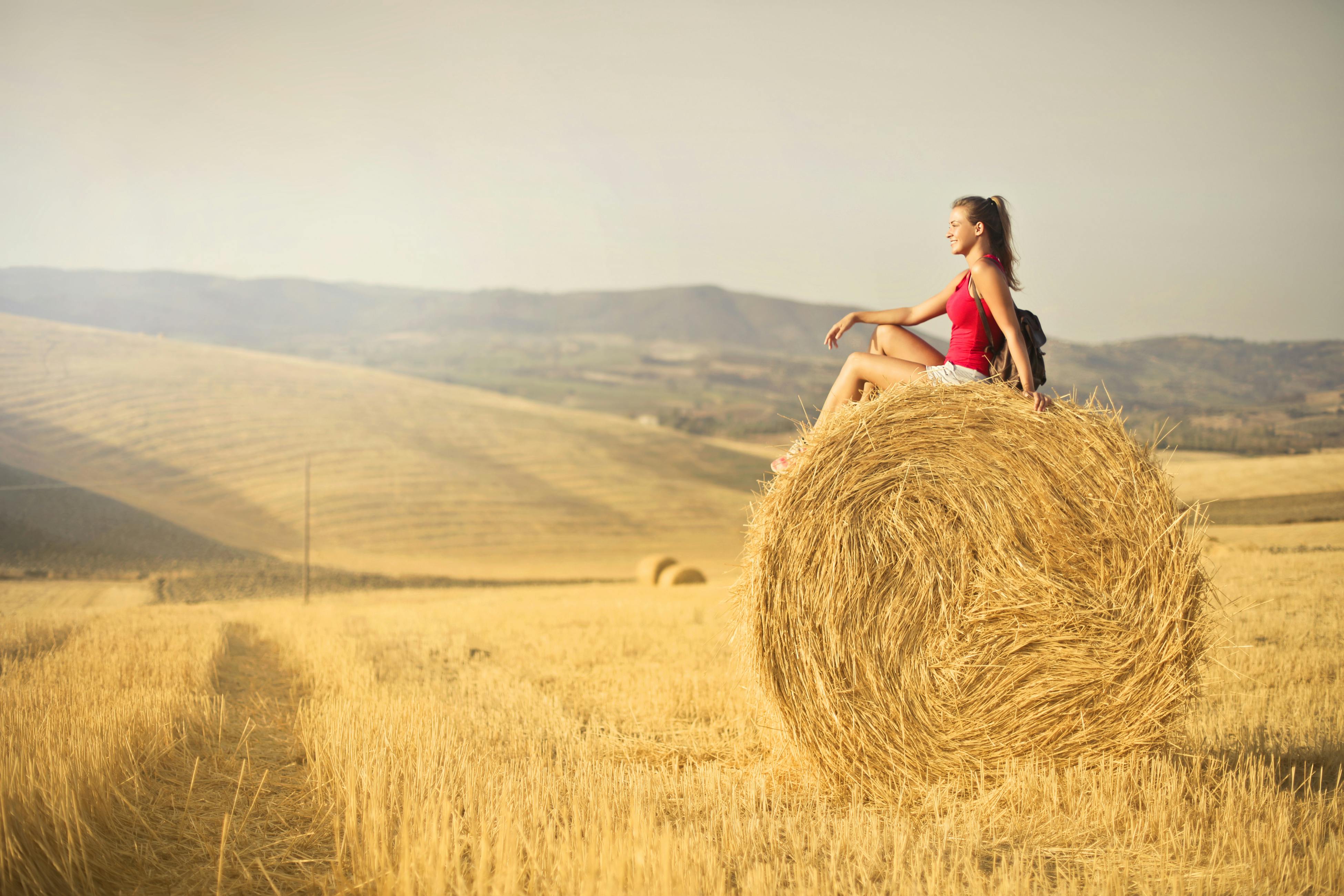
Integrating legumes into dryland farming systems offers a multitude of benefits, from ecological restoration to economic empowerment. Understanding the core strategies can help Kenyan dryland farmers maximize their returns and build more resilient farms.
1. Harnessing Nitrogen Fixation for Soil Fertility
Legumes have a unique ability to fix atmospheric nitrogen into the soil through a symbiotic relationship with rhizobia bacteria in their root nodules. This natural process enriches the soil, significantly reducing the need for synthetic nitrogen fertilizers.
- Select appropriate legumes: Choose indigenous and drought-tolerant varieties like pigeon peas, cowpeas, green grams, and various common bean types that thrive in Kenya's dryland conditions.
- Incorporate into rotation: Rotate legumes with cereal crops such as maize or sorghum. This ensures continuous soil enrichment and breaks pest and disease cycles associated with monoculture.
- Proper inoculation: Ensure seeds are inoculated with the correct rhizobium strains for optimal nitrogen fixation, especially when introducing legumes to new areas.
To accurately assess your soil's current nutrient levels and pH, consider using a reliable tool like the NewTest Soil Test Kit 4 Parameters – available on Amazon. Understanding your soil is the first step to truly effective nutrient management.
2. Enhancing Pest and Disease Management
Crop rotation naturally disrupts the life cycles of many pests and pathogens that specialize in attacking specific crops. When legumes are rotated with non-legumes, it creates an unfavorable environment for these specialized threats.
- Strategic sequencing: Plan your crop rotation to prevent the buildup of pests and diseases. For instance, following maize with a legume can reduce stalk borer populations.
- Intercropping benefits: Practice intercropping, where legumes are grown alongside other crops. This increases biodiversity, which can attract beneficial insects and naturally deter pests.
- Resistant varieties: Select legume varieties known for their resistance to common dryland pests and diseases, further reducing the need for chemical interventions.
3. Diversifying Income Streams and Market Access
Legumes provide multiple benefits beyond soil improvement; they offer a diversified harvest that can be sold or consumed, mitigating risks associated with reliance on a single crop.
- Multiple harvest options: Many legumes, like pigeon peas, offer both grain and fodder, providing food security and animal feed.
- Value addition: Explore opportunities for value addition, such as milling legumes into flour or processing them into animal feed, to fetch better market prices.
- Market linkages: Connect with cooperatives or aggregators to ensure a stable market for legume produce, reducing post-harvest losses and improving profitability.
To further explore and implement these sustainable farming solutions, Explore sustainable organic farming solutions with Biofarm Kenya, where you can find resources and support for your agricultural journey.
Case Studies, Examples, or Comparisons: Success Stories from the Field
Across Kenya, pioneering farmers are demonstrating the tangible benefits of integrating legumes into their dryland farming systems. These real-world examples serve as powerful testaments to the efficacy of agroecological solutions.
In Makueni County, a region frequently impacted by drought, Mr. Japhet Mwanzia transitioned from exclusive maize cultivation to a system incorporating pigeon peas and green grams. Initially skeptical, Mwanzia witnessed a significant improvement in his soil structure and water retention capabilities within two seasons. His pigeon pea yields not only provided food for his family during dry spells but also generated income from surplus sales, demonstrating the dual benefits of food security and economic resilience. This aligns with the findings from KALRO research, which consistently shows the positive impact of legume-cereal rotations on overall farm productivity in ASALs. The World Agroforestry Centre (ICRAF) has documented similar successes, highlighting how smallholders are restoring drylands through innovative, climate-smart agriculture.
Another inspiring case comes from Embu County, where a group of farmers, supported by local agricultural extension services, adopted integrated soil fertility management practices that heavily feature common beans in rotation with maize. They reported a noticeable reduction in the need for synthetic nitrogen fertilizers, translating into direct cost savings. Furthermore, the diverse cropping system led to a decrease in pest pressure, minimizing crop losses. These farmers are not just growing food; they are actively regenerating their land, showcasing how sustainable practices can lead to enhanced productivity and environmental health.
Common Mistakes to Avoid: Pathways to Productive Dryland Farming
While legume farming offers immense potential, farmers can encounter pitfalls if not careful. Avoiding these common mistakes is crucial for maximizing success in dryland agriculture.
- Over-reliance on a single legume variety: Just as monoculture maize poses risks, relying on only one legume can make your farm vulnerable to specific pests or diseases. Diversify your legume choices to spread risks and gain varied benefits.
- Ignoring soil testing: Guessing your soil's nutrient profile and pH can lead to inefficient fertilizer use and poor crop performance. Regular soil testing is vital to understand what your soil truly needs, allowing for targeted and effective amendments.
- Inadequate water management: Even drought-tolerant legumes benefit from efficient water use. Relying solely on rainfall without considering water harvesting or supplementary irrigation during critical growth stages can lead to reduced yields.
- Improper crop spacing: Overcrowding legumes, especially when intercropping, can lead to competition for light, water, and nutrients, ultimately hindering growth and yield for all crops. Adhere to recommended spacing guidelines for optimal plant health.
- Neglecting organic matter: While legumes add nitrogen, soil health also depends on organic matter. Failing to incorporate crop residues, compost, or cover crops can limit the long-term benefits of legume-based systems.
- Late planting: In dryland regions, timing is critical. Planting legumes too late can expose them to harsher dry conditions, leading to poor germination and establishment. Plant at the onset of rains to leverage available moisture.
Expert Tips & Best Practices: Maximizing Your Dryland Harvest
Achieving optimal yields and profitability in Kenyan drylands with legumes requires a combination of traditional wisdom and modern, sustainable practices. Here are expert tips to guide your journey.
- Embrace Drought-Tolerant Legume Varieties: Prioritize local and improved varieties of pigeon peas, cowpeas, green grams, and certain bean types that are specifically bred for resilience in water-stressed environments. These varieties offer the best chance of success under erratic rainfall. For farmers looking for reliable, drought-tolerant options, consider sourcing Generic Pigeon Pea Seeds Mixed Colors (Cajanus Cajan) – available on Amazon, known for their adaptability.
- Optimize Intercropping Strategies: When intercropping, ensure proper spacing between rows and individual plants to prevent competition and allow for adequate sunlight penetration. Common intercropping patterns include alternating rows of cereals and legumes, or planting legumes between rows of tree crops in agroforestry systems. This enhances land use efficiency and boosts overall farm productivity.
- Implement Water Harvesting and Conservation Techniques: In drylands, every drop of water counts. Adopt practices like Zai pits, contour farming, and mulching to maximize water infiltration and retention. Consider investing in a small-scale drip irrigation system for critical growth stages. A Drip Irrigation Kit for Small Farms - Deluxe Size – found on Amazon can significantly improve water use efficiency and plant health.
- Prioritize Organic Soil Amendments: Beyond nitrogen fixation, legumes thrive in healthy, organically rich soil. Supplement with compost, animal manure, and other organic fertilizers to improve soil structure, water-holding capacity, and overall nutrient availability. Using products like Wallace Organic Wonder, Soluble DS-80 Humic/Fulvic Acid – available on Amazon can further boost soil microbial activity and nutrient uptake.
- Leverage Government Support and Training: Stay informed about government seed subsidies and extension services offered by organizations like KALRO and the Ministry of Agriculture. These programs often provide access to improved seeds, training on best practices, and crucial market information.
- Continuous Learning and Adaptation: Agricultural conditions are constantly evolving. Engage with farmer field schools, agricultural experts, and fellow farmers to share knowledge and adapt your practices based on local conditions and new research findings.
For a comprehensive approach to sustainable farming, including access to innovative tools and expert guidance, be sure to Explore sustainable organic farming solutions with Biofarm Kenya. Our partners are dedicated to empowering farmers with the knowledge and resources needed for a prosperous future.
Future Trends or Predictions: Innovating for a Greener Tomorrow
The future of dryland agriculture in Kenya is poised for significant transformation, driven by innovation and a deepening commitment to sustainability. Several key trends are emerging that will further enhance the effectiveness of legume farming and overall farm resilience.
One major trend is the increasing adoption of smart irrigation systems. These systems, often powered by solar energy, utilize sensors to monitor soil moisture levels and deliver water precisely when and where it's needed, drastically reducing water wastage. This precision farming approach is particularly crucial for ASALs, ensuring optimal water use for legumes and other crops. Another area of growth is AI-driven crop monitoring and analytics. Drones and satellite imagery combined with artificial intelligence can provide farmers with real-time insights into crop health, pest infestations, and nutrient deficiencies, allowing for proactive and efficient management. This technology can help optimize intercropping spacing and identify areas where legumes are performing best.
Furthermore, vertical farming and controlled environment agriculture are gaining traction, especially for high-value crops and in urban fringes. While perhaps not directly applicable to extensive dryland legume fields, the principles of efficient resource use and optimized growing conditions can inspire innovations in open-field dryland systems. The development of new, highly specialized drought- and heat-tolerant legume varieties through advanced breeding programs will also play a critical role, offering even greater resilience against climate change. Finally, the strengthening of digital platforms for market access and knowledge sharing will empower farmers to connect with buyers, access expert advice, and stay updated on the latest sustainable farming techniques, making legume farming even more accessible and profitable.
Conclusion: A Sustainable Future Rooted in Legumes
The challenges facing Kenyan dryland farmers are significant, but the solutions offered by legume farming are equally compelling. By embracing legume-crop rotation, farmers can not only escape the limitations of monoculture maize but also actively regenerate their soil, build climate resilience, and secure a more prosperous future. The evidence from KALRO studies, demonstrating higher yields and reduced costs, underscores the undeniable benefits of this agroecological approach.
From the natural nitrogen-fixing power of pigeon peas and beans to the diversified income streams they offer, legumes are more than just crops; they are cornerstones of sustainable agriculture. The journey towards a resilient and profitable dryland farming future begins with informed choices about crop selection, meticulous soil management, and the adoption of water-wise practices. As we look ahead, the integration of innovative technologies will further amplify these efforts, ensuring that Kenyan dryland farmers remain at the forefront of sustainable food production.
Discover trusted organic farming tools on Amazon and learn more about sustainable solutions with Biofarm Kenya.
FAQs: Your Questions on Legume Farming Answered
Q1: What are the most common legumes grown in Kenya's drylands?
A: In Kenya's dryland regions, farmers commonly cultivate a variety of legumes well-suited to arid and semi-arid conditions. These include common beans (such as Rosecoco, Canadian Wonder), pigeon peas, cowpeas, green grams (mung bean), and sometimes Dolichos lablab. These varieties are chosen for their drought tolerance, nutritional value, and ability to improve soil health. For more on legume diversity in Kenya, you can refer to resources from Global Bean.
Q2: How does legume farming improve soil health?
A: Legume farming significantly enhances soil health primarily through nitrogen fixation. Legumes form a symbiotic relationship with rhizobia bacteria in their root nodules, converting atmospheric nitrogen into a usable form for plants, thereby enriching the soil. Additionally, their root systems improve soil structure, increase organic matter content when residues are incorporated, and reduce soil erosion. This leads to a healthier, more fertile soil ecosystem that requires fewer external chemical inputs. The Greenlife website provides further insights into sustainable agriculture practices in Kenya.
Q3: What are the economic benefits of legume-crop rotation for Kenyan farmers?
A: Legume-crop rotation offers substantial economic benefits for Kenyan dryland farmers. As demonstrated by KALRO studies, farmers can experience up to 30% higher yields and a remarkable 40% lower fertilizer costs compared to monoculture. This is due to reduced reliance on expensive synthetic nitrogen fertilizers and improved overall soil fertility. Furthermore, legumes provide diversified income streams, as they can be sold for food or fodder, cushioning farmers against market fluctuations of a single crop like maize. AgEcon Search offers detailed analyses on grain legumes in Kenya.
Q4: Which government initiatives support legume farming in Kenya?
A: The Kenyan government, through institutions like the Kenya Agricultural and Livestock Research Organization (KALRO) and the Ministry of Agriculture, actively supports legume farming. Key initiatives include providing access to subsidized improved legume seeds, offering extensive farmer training programs on best practices for legume cultivation and crop rotation, and promoting agroecological solutions. These efforts aim to empower farmers with the knowledge and resources needed to enhance food security and agricultural productivity in dryland areas. More information can often be found on the KALRO official website.
Q5: What are the challenges of transitioning from monoculture to legume-based farming in drylands?
A: Transitioning from traditional monoculture to legume-based farming can present several challenges. These include a potential knowledge gap among farmers regarding new cultivation techniques, optimal intercropping spacing, and pest management specific to legumes. Access to quality, drought-tolerant legume seeds can also be an initial hurdle. Furthermore, there might be a need for initial investment in new farming tools or irrigation systems, and overcoming the traditional reliance on chemical fertilizers requires a shift in mindset and access to agroecological alternatives. Biofarm Kenya offers resources to help overcome these challenges at Biofarm Kenya Partners.
Q6: How do drought-tolerant legumes contribute to climate resilience?
A: Drought-tolerant legumes are crucial for building climate resilience in dryland regions. Their ability to survive and produce yields with limited and erratic rainfall provides essential food security when other crops fail. By improving soil health through nitrogen fixation and increased organic matter, they also enhance the soil's water-holding capacity, making the entire farming system more robust against drought. This resilience ensures sustained agricultural productivity and livelihoods for farmers facing the increasing impacts of climate change. Information on climate-resilient farming can be found on resources such as the International Tree Foundation.
External Authoritative Links:
- World Agroforestry Centre (ICRAF) - Restoring drylands in Kenya
- Global Bean - Legume diversity in Kenya
- Greenlife - Sustainable Agriculture in Kenya
- Kenya Agricultural and Livestock Research Organization (KALRO)
- AgEcon Search - Grain legumes in Kenya
- International Tree Foundation - Transforming Kenyan drylands
Internal Biofarm Kenya Links (using partner link as specified for general Biofarm mentions):


0 Comments