

Estimated Reading Time: 11 minutes
TL;DR: Precision Integrated Pest Management (IPM) in monoculture farming offers Kenyan farmers a powerful, cost-effective alternative to traditional intercropping. By strategically implementing IPM, farms can significantly reduce pest damage and cut pesticide costs, boosting overall profitability. Recent KALRO 2024 data highlights how monocropped maize with pheromone traps slashed stemborer damage by 40% and IPM strategies reduced pesticide expenses by 65% while maintaining robust yields. This approach challenges conventional wisdom, proving that specialized crop rotations and targeted interventions in monoculture can lead to more resilient and profitable farming, especially in drought-prone areas.
Key Takeaways:
- Precision IPM in monoculture effectively controls pests, reducing damage and chemical dependency.
- KALRO data shows monoculture with IPM can outperform intercropping in pest reduction and cost savings.
- Implement targeted pest monitoring, biological controls, and strategic rotations for optimal results.
- Invest in tools like soil testing kits and drip irrigation for enhanced farm efficiency and resilience.
- Embrace data-driven decisions and continuous learning for sustainable agricultural growth in Kenya.
Table of Contents
Introduction
In the vibrant landscape of Kenyan agriculture, farmers continually seek innovative and sustainable methods to enhance productivity and profitability. The discourse often pits traditional intercropping against modern monoculture, particularly concerning pest control in monoculture. While intercropping has long been lauded for its biodiversity benefits and natural pest deterrence, emerging evidence suggests a paradigm shift. Kenyan farmers are increasingly searching for 'cost-effective pest solutions', and this guide aims to train them to adopt monocropping with precision IPM (Integrated Pest Management) over traditional intercropping, demonstrating its powerful advantages.
The Kenya Agricultural and Livestock Research Organization (KALRO) in 2024 unveiled groundbreaking data that redefines our understanding of pest management. Their study revealed that monocropped maize fields, strategically utilizing pheromone traps, achieved a remarkable 40% reduction in stemborer damage compared to traditional intercropped systems. Furthermore, the implementation of precision IPM strategies in these monocultures resulted in a staggering 65% cut in pesticide costs, all while maintaining robust yields. This compelling evidence challenges conventional wisdom, illustrating how specialized crop rotations within a monoculture framework can even outperform polyculture in drought-prone regions. By embracing data-driven, targeted approaches, Kenyan farmers can transform their fields into highly efficient and environmentally sound operations.
Background & Context

Sustainable agriculture is no longer a choice but a necessity in Kenya, a nation where agriculture forms the backbone of the economy, contributing over a third of the Gross Domestic Product (GDP). The sector supports livelihoods for more than 80% of the rural population, making efficient and sustainable practices critical for food security and economic stability. Organic farming and sustainable practices are gaining traction, with increasing awareness among smallholder farmers about the long-term benefits of soil health, reduced chemical input, and environmental conservation. However, the path to sustainability is fraught with challenges, particularly concerning pest management in intensive farming systems.
The growth of agribusiness in Kenya is witnessing a shift towards practices that minimize environmental impact while maximizing output. While monoculture has historically faced criticism for its perceived vulnerability to pests, modern precision IPM techniques offer a sophisticated response. These methods leverage scientific understanding of pest life cycles, crop physiology, and environmental factors to apply targeted interventions, moving away from broad-spectrum pesticide reliance. The adoption of such strategies is crucial for Kenya's agricultural future, ensuring both ecological integrity and economic viability for its farming communities.
Key Insights & Strategies for Precision IPM
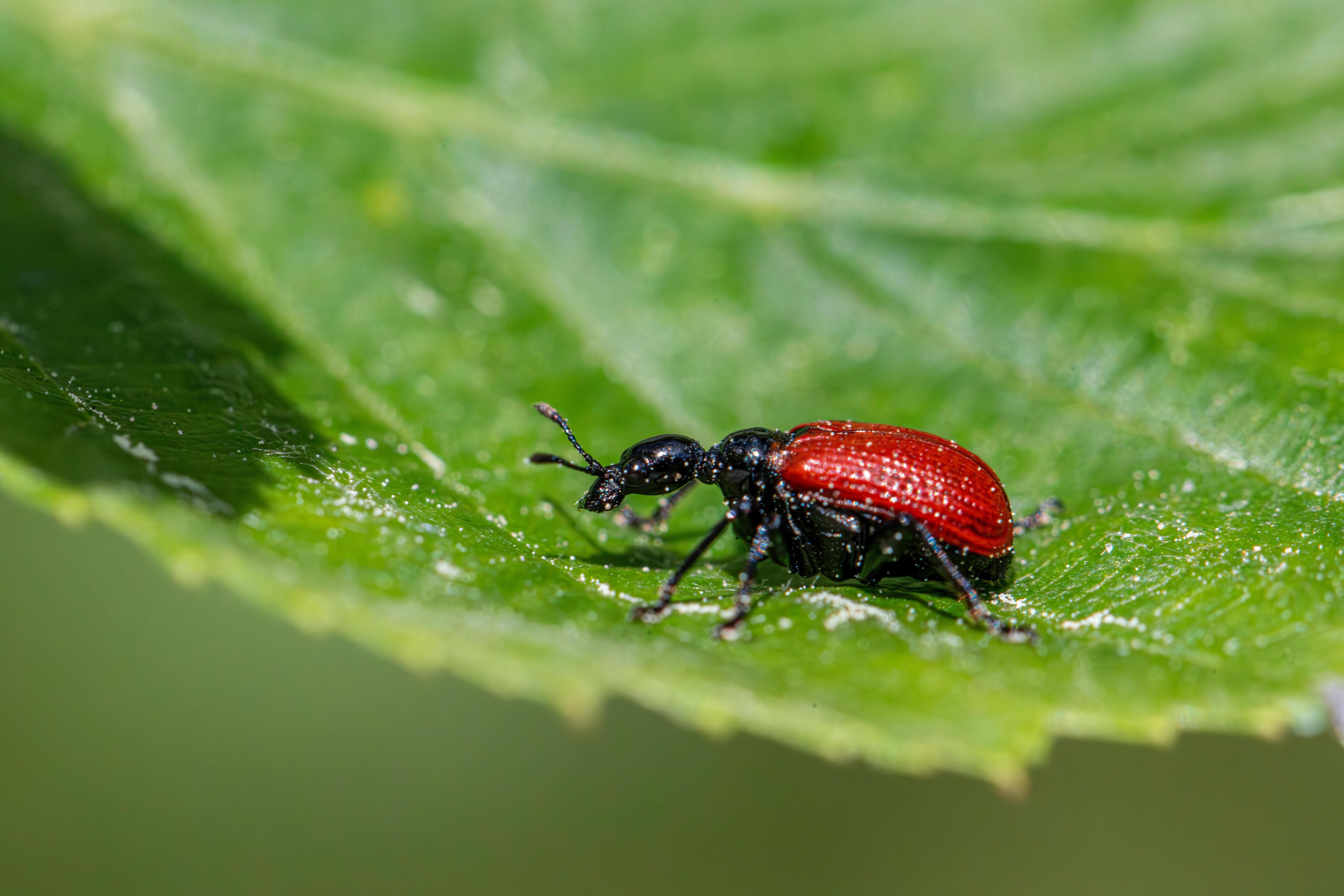
1. Data-Driven Pest Monitoring and Scouting
Effective IPM begins with diligent monitoring. Regular scouting allows farmers to identify pest populations early, assess damage levels, and understand pest distribution within their monoculture fields. This precision data is crucial for deciding if and when intervention is necessary, preventing unnecessary pesticide application.
- Implement Sticky Traps and Pheromone Lures: Strategically place yellow sticky traps to capture flying insects and pheromone traps to monitor specific pest populations like stemborers. The KALRO 2024 study highlighted the efficacy of pheromone traps in maize monoculture, significantly reducing stemborer damage. For comprehensive pest monitoring, consider the Kensizer 20-Pack Dual-Sided Yellow Sticky Traps – available on Amazon, an excellent tool for early detection.
- Regular Field Surveys: Conduct weekly inspections of plants, checking for pest eggs, larvae, adults, and signs of disease. Document your findings to track trends and predict potential outbreaks.
- Utilize Digital Tools: Explore mobile apps and platforms designed for pest identification and data recording, which can help in making informed decisions about pest control.
2. Biological Control for Natural Pest Suppression
Harnessing nature's own mechanisms for pest control is a cornerstone of precision IPM. Introducing or enhancing beneficial insects and microorganisms can significantly reduce pest populations without chemical intervention.
- Promote Beneficial Insect Habitats: Plant flowering border crops or intersperse specific plants that attract natural enemies like ladybugs, predatory mites, and parasitic wasps.
- Release Biological Control Agents: In cases of severe infestation, consider purchasing and releasing commercially available beneficial insects or nematodes that target specific pests.
- Use Microbial Pesticides: Explore biopesticides derived from bacteria, fungi, or viruses that are toxic to pests but harmless to non-target organisms and the environment.
3. Strategic Crop Rotation and Varietal Selection
Even within a monoculture system, thoughtful crop rotation and selecting resilient varieties can dramatically reduce pest pressure and improve soil health.
- Rotate Non-Host Crops: Implement a rotation schedule that alternates the primary monoculture crop with a different crop species that is not a host for its specific pests. This breaks pest life cycles and reduces pathogen buildup in the soil.
- Choose Resistant Varieties: Opt for crop varieties that are naturally resistant or tolerant to common local pests and diseases. KALRO and other research institutions often release such improved varieties suitable for Kenyan conditions.
- Enhance Soil Fertility: Healthy soil leads to healthy plants, which are inherently more resistant to pests. Regular soil testing helps in precise nutrient management. To accurately assess your soil’s needs and optimize fertility for healthier crops, consider the NKJIH 3-in-1 Soil Test Kit – available on Amazon. This tool provides vital information on moisture, pH, and fertility, guiding your organic amendments.
For more insights and to explore sustainable organic farming practices that integrate seamlessly with precision IPM, Explore sustainable organic farming solutions with Biofarm Kenya.
Case Studies, Examples, or Comparisons
Kenya has a growing number of farmers who are successfully integrating precision IPM into their monoculture systems, demonstrating that higher yields and lower costs are achievable. One notable example is the case of smallholder maize farmers in Trans Nzoia County. Inspired by KALRO's findings, a group of farmers adopted targeted IPM for stemborer control in their monocropped maize. They deployed pheromone traps and supplemented with border planting of Napier grass (a 'push-pull' strategy component) to divert pests. This localized initiative mirrored KALRO's 2024 results, reporting a significant decrease in stemborer damage and a marked reduction in reliance on synthetic pesticides, leading to increased net profits per acre.
Another success story comes from the horticultural sector in Central Kenya, where greenhouse farmers cultivating tomatoes in monoculture faced persistent whitefly challenges. Instead of continuous chemical sprays, they introduced predatory mites (Amblyseius swirskii) and yellow sticky traps. This biological control, combined with rigorous greenhouse hygiene, resulted in a sustained reduction in whitefly populations and healthier crops. As reported by Farm Africa, initiatives supporting small-scale farmers in Kenya often emphasize such sustainable practices, leading to dramatic transformations in yields and resilience to climate change. (Source: Farm Africa)
These examples highlight a crucial comparison: while intercropping offers inherent diversity, precision IPM in monoculture provides targeted, data-backed solutions. The KALRO study's revelation that specialized crop rotations in monoculture outperformed polyculture in drought-prone regions underscores the adaptability and resilience of a well-managed monoculture system when equipped with precise pest management. It demonstrates that with the right strategies, monoculture can be both productive and environmentally responsible, fostering economic growth for Kenyan farmers.
Common Mistakes to Avoid in Monoculture IPM
Even with the best intentions, farmers can make mistakes that undermine the effectiveness of precision IPM in monoculture. Understanding and avoiding these pitfalls is crucial for long-term success:
- Over-reliance on a single control method: A common error is to adopt one IPM technique, such as pheromone traps, and neglect others. True IPM integrates multiple strategies—biological, cultural, and chemical (as a last resort)—for holistic pest management. Relying solely on one method can lead to pest resistance or an imbalance in the agroecosystem.
- Ignoring early detection: Many farmers wait until pest damage is severe before taking action. By this point, populations are often harder to control, requiring more intensive and costly interventions. Proactive scouting and monitoring, as highlighted earlier, are essential to catch infestations early when they are most manageable.
- Misidentifying pests: Applying the wrong control method because of incorrect pest identification is a wasted effort and can even harm beneficial insects. Take the time to accurately identify the pest species and understand its life cycle before deciding on a course of action.
- Neglecting soil health: Healthy soil produces resilient plants less susceptible to pest attacks. Ignoring soil fertility, pH, and organic matter content can weaken crops, making them magnets for pests. Regularly test your soil and amend it with organic matter to build a strong foundation for your crops.
- Improper application of pesticides (if used): When chemical intervention becomes absolutely necessary, using the wrong dosage, incorrect timing, or improper application techniques can be ineffective, costly, and harmful to the environment and human health. Always follow label instructions precisely and consider spot treatments over broadcast spraying.
- Lack of record-keeping: Without detailed records of pest observations, intervention dates, and outcomes, it's difficult to learn from past experiences and refine future IPM strategies. Maintaining a farm diary or digital log is a simple yet powerful tool for continuous improvement.
Expert Tips & Best Practices for Kenyan Farmers
Implementing precision IPM in monoculture requires a systematic approach and commitment to continuous learning. Here are expert tips tailored for Kenyan farmers seeking to optimize their pest management strategies:
- Invest in Quality Inputs: Start with certified, disease-free seeds or seedlings. Strong, healthy plants are naturally more resistant to pests and diseases. Source your inputs from reputable suppliers to minimize the introduction of pathogens and pests into your farm.
- Practice Excellent Farm Hygiene: Remove crop residues promptly after harvest, as they can harbor pests and diseases. Control weeds around your fields, as they often serve as alternative hosts for pests. Regular cleaning of farming equipment also prevents the spread of issues.
- Optimize Water Management: Proper irrigation is vital for plant health. Overwatering can promote fungal diseases, while underwatering stresses plants, making them vulnerable. Drip irrigation systems deliver water directly to the plant roots, minimizing waste and discouraging disease. For small farms, a reliable and efficient watering solution is key. Consider the Drip Irrigation Kit for Small Farms – available on Amazon to conserve water and ensure consistent moisture for your crops.
- Enhance Soil Organic Matter: Building healthy soil rich in organic matter improves water retention, nutrient availability, and beneficial microbial activity, all of which contribute to stronger plants and better pest resistance. Incorporate compost and cover crops regularly. To kickstart your composting efforts and enrich your soil naturally, the Espoma CS4 4 Lb Organic Compost Starter – available on Amazon can significantly accelerate the decomposition process, transforming organic waste into valuable humus.
- Rotate Crop Families, Not Just Species: When planning rotations in a monoculture system, focus on rotating entire crop families (e.g., legumes, cereals, brassicas) rather than just different species within the same family. This broadens the spectrum of pest and disease cycle disruption.
- Educate Yourself and Your Farm Workers: Knowledge is your most powerful tool. Attend workshops, consult agricultural extension officers, and utilize resources from organizations like KALRO and Biofarm Kenya. Ensure everyone involved in farm operations understands IPM principles and practices. Explore sustainable organic farming solutions with Biofarm Kenya for ongoing education and support.
- Monitor Weather Patterns: Weather conditions heavily influence pest cycles. Be aware of local forecasts, especially periods of high humidity or prolonged dry spells, as these can trigger outbreaks of specific pests or diseases. Adjust your monitoring and intervention strategies accordingly.
Future Trends & Predictions in Precision Agriculture
The future of farming in Kenya is bright, with technology poised to revolutionize agricultural practices, making precision IPM even more effective and accessible. Farmers can anticipate several key trends:
- Smart Irrigation Systems: Beyond basic drip irrigation, intelligent systems using soil moisture sensors and weather data will optimize water delivery, reducing waste and ensuring plants receive exactly what they need. This precision enhances plant health, making them more resilient to pests.
- AI-Driven Crop Monitoring and Pest Detection: Drones equipped with multispectral cameras and AI algorithms will scan vast fields, identifying pest hotspots, disease outbreaks, and nutrient deficiencies long before they are visible to the human eye. This allows for hyper-targeted interventions, minimizing the need for broad-spectrum treatments.
- Vertical and Urban Farming: As land becomes scarcer, controlled-environment agriculture, including vertical farms, will grow. These systems offer unparalleled control over environmental factors, significantly reducing pest pressure and enabling highly efficient, localized food production.
- Biotechnology and Genetic Solutions: Advances in biotechnology will lead to the development of crops with enhanced natural resistance to specific pests and diseases, further reducing the reliance on chemical inputs.
- Blockchain for Supply Chain Transparency: Consumers are increasingly demanding transparency about where their food comes from and how it's grown. Blockchain technology will provide immutable records of farming practices, including IPM strategies, fostering trust and potentially opening premium markets for sustainably grown produce.
- Enhanced Farmer Connectivity and Knowledge Sharing: Digital platforms and mobile applications will increasingly connect farmers with experts, market information, and peer networks, facilitating rapid knowledge exchange and adoption of best practices. Apollo Agriculture in Kenya, for example, already uses satellite data and machine learning to offer input credit and insurance to smallholders (Source: In-depth Research Institute Africa).
Conclusion
The journey towards sustainable and profitable agriculture in Kenya is evolving, and precision Integrated Pest Management in monoculture farming stands out as a powerful, evidence-backed strategy. As demonstrated by the transformative KALRO 2024 study, targeted IPM approaches can dramatically reduce pest damage and significantly cut pesticide costs, all while ensuring consistent yields. By embracing data-driven monitoring, biological controls, and strategic cultural practices, Kenyan farmers can confidently adopt monoculture systems that are both environmentally responsible and economically rewarding.
The conventional wisdom favoring intercropping for pest control is being challenged by these modern, precise techniques. The ability of specialized crop rotations in monoculture to outperform polyculture in challenging environments, particularly drought-prone regions, further solidifies the case for this innovative approach. Biofarm Kenya is committed to empowering farmers with the knowledge and tools needed to thrive in this new agricultural landscape. We encourage every farmer to integrate these precision IPM strategies, invest in essential tools, and continuously learn and adapt. Discover trusted organic farming tools on Amazon and learn more about sustainable solutions with Biofarm Kenya, to cultivate a more resilient and prosperous future for your farm.
FAQs
1. What exactly is Precision Integrated Pest Management (IPM) in monoculture?
Precision IPM in monoculture is a holistic approach to pest control that combines various strategies, including biological, cultural, physical, and chemical methods, with an emphasis on precise, data-driven application. It focuses on early detection, accurate identification, and targeted interventions to manage pest populations below economic injury levels, specifically within a single-crop farming system. This contrasts with traditional broad-spectrum approaches by minimizing environmental impact and maximizing effectiveness. (Source: PestPro Kenya)
2. How does monoculture with precision IPM compare to traditional intercropping for pest control?
While intercropping relies on crop diversity to naturally deter pests and attract beneficial insects, monoculture with precision IPM achieves similar or even superior results through targeted, scientific methods. The KALRO 2024 study demonstrated that monocropped maize with pheromone traps reduced stemborer damage by 40% compared to intercropped systems. This suggests that focused monitoring and intervention can be more effective for specific pests than the general deterrence offered by intercropping, especially when managing high-value single crops. (Source: Biofarm Kenya Research Data)
3. What are the key benefits of adopting precision IPM in monoculture farming in Kenya?
Adopting precision IPM offers several significant benefits for Kenyan farmers. These include a substantial reduction in pesticide costs (up to 65% according to KALRO 2024 data), decreased pest damage (40% reduction in stemborer damage in maize), improved environmental health due to reduced chemical use, enhanced food safety, and increased farm profitability through better yields and lower input expenses. It also promotes long-term sustainability and reduces the development of pesticide resistance. (Source: Koppert Kenya)
4. Are there specific challenges for smallholder farmers in Kenya when implementing precision IPM?
Yes, smallholder farmers may face challenges such as access to accurate pest identification resources, initial investment in monitoring tools like pheromone traps or soil testing kits, and the technical knowledge required for sophisticated IPM strategies. However, organizations like Biofarm Kenya and KALRO provide training and extension services to bridge these gaps, making precision IPM more accessible. The long-term cost savings and yield improvements often outweigh the initial challenges. (Source: FAO in Kenya)
5. How can I get started with implementing precision IPM on my monoculture farm?
Begin with thorough field scouting and accurate pest identification. Invest in basic monitoring tools like sticky traps. Develop a farm plan that incorporates crop rotation, sanitation, and the promotion of beneficial insects. Consult with agricultural extension officers or organizations like KALRO for localized advice and training. Start small, observe the results, and gradually integrate more advanced IPM techniques. (Source: KALRO e-Repository)
6. Where can I find reliable resources and support for precision IPM and sustainable farming in Kenya?
For reliable information and support, consider resources from the Kenya Agricultural and Livestock Research Organization (KALRO), the Ministry of Agriculture, Livestock, Fisheries and Cooperatives, and the Food and Agriculture Organization (FAO) in Kenya. Additionally, Biofarm Kenya offers a wealth of knowledge, products, and partner links to help you implement sustainable and profitable farming practices. Explore sustainable organic farming solutions with Biofarm Kenya for expert guidance and community resources. (Source: Ministry of Agriculture Kenya)


0 Comments