

Estimated Reading Time: 11 minutes
TL;DR:
- Kenya's drought crisis demands a shift to drought-tolerant crops for sustained farming.
- Pearl millet, sorghum, pigeon peas, green grams, and cowpeas offer resilience and profitability.
- Implement water-efficient techniques like drip irrigation and enhance soil health with organic practices.
- Market diversification and value addition are crucial for securing income from these resilient crops.
- Embrace climate-smart agriculture, data-driven decisions, and community collaboration for long-term success.
Key Takeaways:
- Prioritize the selection of indigenous and improved drought-tolerant crop varieties suited to your specific agro-ecological zone.
- Invest in water conservation methods such as mulching, Zai pits, and especially efficient drip irrigation systems – available on Amazon.
- Focus on building and maintaining healthy soil through organic matter addition and minimal tillage to improve water retention and nutrient availability.
- Explore market linkages and value addition opportunities for drought-tolerant crops to maximize profitability.
- Engage with agricultural extension services and local farmer groups to share knowledge and adopt best practices.
Table of Contents:
- Introduction: Cultivating Resilience in Kenya's Arid Lands
- Background & Context: The Imperative for Change
- Key Insights & Strategies: Thriving with Drought-Tolerant Crops
- Case Studies, Examples, or Comparisons: Kenyan Farmers Leading the Way
- Common Mistakes to Avoid: Paving the Path to Sustainable Success
- Expert Tips & Best Practices: Maximizing Your Harvest
- Future Trends & Predictions: Innovating for a Resilient Tomorrow
- Conclusion: A Future Rooted in Resilience and Profit
- FAQs: Your Questions Answered
Introduction: Cultivating Resilience in Kenya's Arid Lands
Kenya, a nation deeply reliant on agriculture, faces an escalating drought crisis that makes traditional crop reliance unsustainable. The unpredictable rainfall patterns and prolonged dry spells pose a severe threat to food security and the livelihoods of millions of smallholder farmers. In response to this pressing challenge, farmers urgently need training to transition to profitable, drought-tolerant alternatives. This strategic shift is not just about survival; it's about ensuring food security and income stability for farming communities across the country.
This comprehensive guide is meticulously designed for Kenyan farmers, focusing on identifying, cultivating, and marketing high-yielding, drought-resistant crops. We delve into key steps, including selecting appropriate varieties like pearl millet, sorghum, or pigeon peas, implementing water-efficient farming techniques, and understanding market demand for these resilient crops. Our aim is to build farming resilience against climate shocks and secure livelihoods, paving the way for a more sustainable and prosperous agricultural future in Kenya.
Background & Context: The Imperative for Change
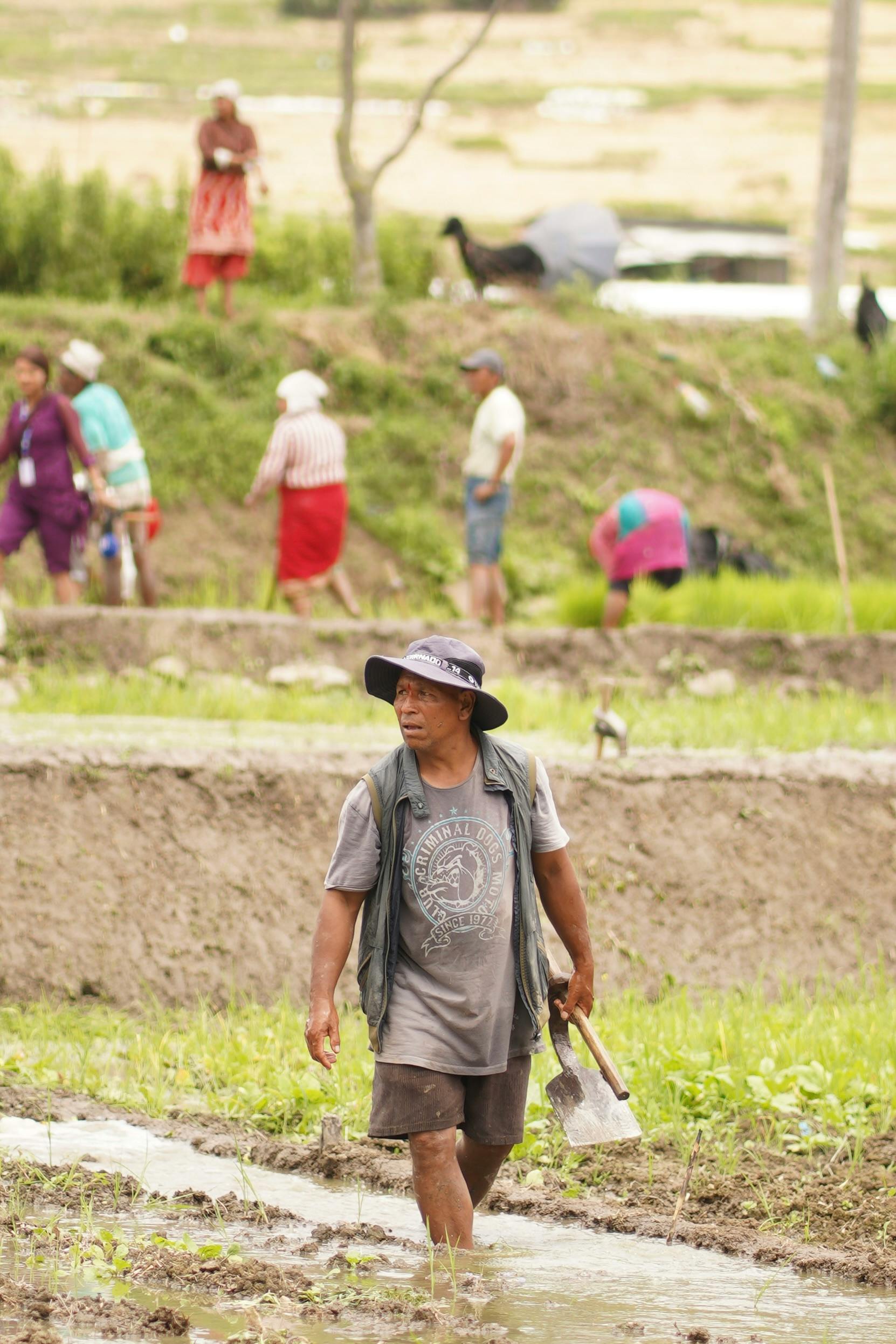
The impact of drought on Kenya's agricultural sector is profound and far-reaching. Recent data indicates that millions of people in Kenya are facing crisis-level food insecurity due to consecutive seasons of failed rains. Livestock deaths are in the millions, and crop failures are widespread, particularly in the arid and semi-arid lands (ASALs) that constitute over 80% of Kenya's landmass. This climate vulnerability underscores the critical need for adopting farming practices that can withstand these harsh conditions.
Organic farming and sustainable agriculture are not merely buzzwords; they represent a viable pathway to resilience. Practices such as improving soil fertility through composting, cover cropping, and minimal tillage enhance the soil's capacity to retain water and nutrients, making crops more robust even in dry spells. The growth of agribusiness in Kenya, coupled with a rising demand for organically produced goods, presents a significant opportunity for farmers to transition to these methods, ensuring both environmental sustainability and economic viability. By embracing these innovative approaches, Kenyan farmers can transform challenges into opportunities for growth and stability.
Key Insights & Strategies: Thriving with Drought-Tolerant Crops

1. Strategic Crop Selection for Resilience
The foundation of profitable drought-tolerant farming lies in selecting the right crops for your specific environment. Indigenous varieties and improved drought-resistant cultivars are crucial.
- Pearl Millet: Highly tolerant to drought and heat, pearl millet offers excellent nutritional value and can thrive in poor soils. It's a staple in many dryland regions.
- Sorghum: Known for its deep root system, sorghum is incredibly water-efficient and produces good yields even with limited rainfall. It has diverse uses, from food to animal feed.
- Pigeon Peas: A leguminous crop, pigeon peas are not only drought-tolerant but also enrich the soil with nitrogen, benefiting subsequent crops. They provide a good source of protein.
- Green Grams (Mung Beans): Early-maturing and drought-escaping, green grams offer a quick harvest and are a popular cash crop, improving soil fertility.
- Cowpeas: Extremely versatile and resilient, cowpeas can withstand dry conditions and are a valuable source of protein and essential nutrients.
For successful germination and initial growth, especially in challenging conditions, consider using Heavy Duty Seed Starter Trays with Humidity Domes – available on Amazon. These provide a controlled environment, increasing your seedling survival rate before transplanting.
2. Implementing Water-Efficient Farming Techniques
Minimizing water loss and maximizing its use are paramount in drought-prone areas.
- Drip Irrigation: This method delivers water directly to the plant roots, significantly reducing evaporation and water waste. It's highly efficient for small-scale farming.
- Mulching: Covering the soil surface with organic materials like straw, dry leaves, or crop residues helps conserve soil moisture, suppress weeds, and regulate soil temperature.
- Zai Pits: A traditional African farming technique, Zai pits are small planting pits that collect rainwater and concentrate organic matter, improving water infiltration and nutrient availability.
- Rainwater Harvesting: Collecting and storing rainwater, whether in tanks or earth dams, provides a crucial water source for irrigation during dry periods.
To ensure optimal water usage and prevent over- or under-watering, a reliable XLUX Soil Moisture Meter – available on Amazon is an invaluable tool for every farmer. It helps you make informed irrigation decisions, saving water and improving crop health.
3. Enhancing Soil Health and Fertility
Healthy soil is the bedrock of resilient farming. Rich, organic soil holds water better and provides essential nutrients, reducing reliance on external inputs.
- Composting: Creating and applying compost enriches the soil with organic matter, improving its structure, water retention capacity, and microbial activity.
- Cover Cropping: Planting non-cash crops like legumes between main cropping seasons protects the soil from erosion, adds organic matter, and fixes nitrogen.
- Crop Rotation: Rotating different crop types helps break pest and disease cycles, improves soil structure, and balances nutrient uptake.
- Minimal Tillage: Reducing soil disturbance helps maintain soil structure, prevent erosion, and preserve beneficial soil organisms.
To kickstart your composting efforts and rapidly create nutrient-rich soil, consider using Jobe's Organics Compost Starter 4-4-2 – get yours on Amazon. This organic accelerator speeds up the decomposition process, providing your farm with valuable organic fertilizer sooner.
For more in-depth knowledge and resources on sustainable farming practices, Explore sustainable organic farming solutions with Biofarm Kenya.
Case Studies, Examples, or Comparisons: Kenyan Farmers Leading the Way
Across Kenya, numerous farmers are demonstrating that profitable drought-tolerant farming is not just a concept but a tangible reality. In Kitui County, a region frequently hit by drought, farmers participating in initiatives promoted by organizations like the International Crops Research Institute for the Semi-Arid Tropics (ICRISAT) have successfully adopted high-yielding, early-maturing varieties of pearl millet and sorghum. These farmers report significantly improved yields compared to traditional maize cultivation, which often fails in dry conditions. They are increasingly diversifying their crops, incorporating drought-tolerant grains, peas, and beans, which not only provides a buffer against climate variability but also enhances their dietary diversity and income.
Another inspiring example comes from smallholder farmers in Makueni County who have embraced pigeon peas. Traditionally grown for subsistence, these farmers are now tapping into larger markets, supplying local processors and even export markets. The crop's ability to thrive with minimal rainfall, coupled with its soil-enriching properties, has made it a favorite. Many have also integrated simple, effective rainwater harvesting techniques and mulching, further bolstering their resilience. These successes underscore the potential for widespread adoption of drought-tolerant crops to transform livelihoods in Kenya's most vulnerable regions. (Source: Adapted from ICRISAT and scientific reports on climate change adaptation in Kenya).
Common Mistakes to Avoid: Paving the Path to Sustainable Success
While the promise of drought-tolerant crops is immense, farmers often encounter pitfalls that can hinder their success. Recognizing and avoiding these common mistakes is crucial for maximizing your yields and securing your livelihood.
- Ignoring Soil Testing: Planting crops without understanding your soil's composition, pH, and nutrient levels is like shooting in the dark. This can lead to inefficient fertilizer use and poor crop performance. Always conduct regular soil tests to tailor your soil management practices.
- Over-reliance on Monoculture: Sticking to a single crop, even if it's drought-tolerant, leaves your farm vulnerable to specific pests, diseases, and market fluctuations. Diversify your crops to spread risk and enhance soil health through rotation.
- Inadequate Water Management: Even drought-tolerant crops benefit from efficient water use. Relying solely on rainfall without implementing any water conservation techniques (like mulching, Zai pits, or drip irrigation systems – available on Amazon) can still lead to reduced yields during prolonged dry spells.
- Neglecting Organic Matter: Poor soil structure, often a result of insufficient organic matter, severely limits water retention and nutrient availability. Skipping composting or cover cropping depletes the soil and makes it less resilient to drought.
- Poor Seed Quality and Untested Varieties: Using uncertified or low-quality seeds, or varieties not specifically adapted to your local conditions, can result in poor germination, susceptibility to diseases, and low yields. Always source certified seeds of proven drought-tolerant varieties.
- Ignoring Market Demand: Growing drought-tolerant crops is beneficial, but if there's no market for them, profitability will suffer. Research local and regional market demand, and explore value-addition opportunities before planting.
Expert Tips & Best Practices: Maximizing Your Harvest
To truly unlock the potential of drought-tolerant crops and build a resilient farm, integrating these expert tips and best practices is essential. These strategies are tailored for the Kenyan context, focusing on practical and sustainable approaches.
- Timely Planting: Plant your drought-tolerant crops at the onset of the short rains. This allows them to establish a strong root system before the dry spell intensifies. Early maturing varieties are particularly beneficial in unpredictable climates.
- Micro-Catchment Techniques: For areas with very low rainfall, implement micro-catchment techniques like tied ridges, semi-circular bunds, or contour farming. These structures help collect and concentrate rainwater around individual plants, maximizing water availability.
- Integrated Pest Management (IPM): Drought-stressed crops can be more susceptible to pests. Adopt IPM strategies that prioritize biological control, cultural practices (like crop rotation and resistant varieties), and only resort to organic pesticides as a last resort.
- Intercropping: Practice intercropping drought-tolerant legumes (like pigeon peas or cowpeas) with cereals (like sorghum or millet). This improves soil fertility, reduces pest incidence, and provides diverse harvests, enhancing overall farm resilience.
- Value Addition: Don't just sell raw produce. Explore simple value-addition techniques. For instance, process sorghum into flour, make pigeon pea splits, or dry green grams for longer shelf life. This increases market value and income.
- Continuous Learning and Adaptation: Climate patterns are changing. Stay informed about new drought-tolerant varieties, farming technologies, and market trends. Participate in farmer field schools and agricultural workshops.
Maintaining healthy soil is a continuous process. Boost your soil's vitality and accelerate decomposition with an effective Organic Compost Starter Mix – discover it on Amazon. This ensures your crops receive the best possible foundation. Moreover, for precise water management in your small farm, a Drip Irrigation Kit for Small Farms – find it on Amazon, can dramatically improve water efficiency and reduce labor.
To further enhance your farming knowledge and access more tailored advice, remember to Explore sustainable organic farming solutions with Biofarm Kenya.
Future Trends & Predictions: Innovating for a Resilient Tomorrow
The future of farming in Kenya, particularly in the face of climate change, is increasingly intertwined with technological innovation and sustainable practices. Several exciting trends are emerging that promise to further enhance the resilience and profitability of agriculture.
One significant trend is the rise of Smart Irrigation Systems. These systems utilize sensors to monitor soil moisture, weather forecasts, and plant needs, delivering water precisely when and where it's required. This minimizes water waste and optimizes crop growth, even for drought-tolerant varieties. Coupled with solar power, these systems offer a sustainable and cost-effective solution for irrigation.
Another area of growth is Vertical Farming and Controlled Environment Agriculture (CEA). While currently more capital-intensive, advancements are making smaller, more localized vertical farms viable, especially for high-value crops. These systems can drastically reduce water use, eliminate pests, and offer year-round production, creating micro-climates independent of external drought conditions.
AI-driven Crop Monitoring and Data Analytics are also transforming decision-making. Drones equipped with multispectral cameras can assess crop health, detect nutrient deficiencies, and identify early signs of stress across large areas. This data empowers farmers to make timely interventions, optimizing inputs and maximizing yields. Similarly, mobile applications are providing real-time weather alerts, market prices, and tailored advice for drought-tolerant crop management.
Finally, increased research into Genetically Modified (GM) and Gene-Edited Crops designed for extreme drought tolerance or improved nutrient uptake will play a role, although their adoption will depend on local regulations and farmer acceptance. These innovations, combined with a continued focus on agro-ecological principles, will shape a more resilient and productive agricultural landscape in Kenya.
Conclusion: A Future Rooted in Resilience and Profit
Kenya's journey towards agricultural resilience in the face of escalating drought is a critical one, demanding a fundamental shift in farming practices. By embracing profitable drought-tolerant crops like pearl millet, sorghum, and pigeon peas, coupled with strategic water-efficient techniques and enhanced soil health management, Kenyan farmers can transform vulnerability into stability. This guide has illuminated the pathways to selecting, cultivating, and marketing these resilient varieties, ensuring not only food security but also sustained livelihoods for communities across the nation.
The transition to climate-smart agriculture is an investment in the future, providing a robust defense against climate shocks and opening doors to new market opportunities. By adopting these proven strategies and continuously adapting to evolving environmental conditions, Kenyan farmers can build a stronger, more sustainable agricultural sector.
Discover trusted organic farming tools on Amazon and learn more about sustainable solutions with Biofarm Kenya.
FAQs: Your Questions Answered
Q1: What are the most profitable drought-tolerant crops for smallholder farmers in Kenya?
A1: While profitability can vary with market demand, crops like pearl millet, sorghum, pigeon peas, green grams (mung beans), and cowpeas are consistently recommended due to their high drought tolerance, nutritional value, and growing market demand. They also have relatively low input requirements. For more information on suitable varieties, consult the Kenya Agricultural and Livestock Research Organization (KALRO).
Q2: How can I improve my farm's soil water retention in dry areas?
A2: Improving soil water retention primarily involves increasing organic matter content. This can be achieved through regular application of compost and farmyard manure, planting cover crops, and practicing mulching. Minimal tillage also helps preserve soil structure and microbial life, both crucial for water retention. Biofarm Kenya offers resources on organic soil enrichment.
Q3: Is drip irrigation feasible for small-scale farmers in Kenya?
A3: Absolutely. Drip irrigation systems have become increasingly accessible and affordable for small-scale farmers. They are highly efficient, significantly reducing water usage compared to traditional methods, which is critical in drought-prone regions. Many local suppliers and NGOs provide training and subsidies for installation. You can find various kits on Amazon.
Q4: How do I find markets for new drought-tolerant crops?
A4: Research local markets (hawkers, small shops, direct consumers) first. Connect with local aggregators, processors, and even institutions like schools and hospitals. Farmer cooperatives can also help pool produce and access larger markets. Online platforms and social media can also be used to advertise your produce.
Q5: What support is available for Kenyan farmers transitioning to drought-tolerant crops?
A5: Several organizations, including government agencies like the Ministry of Agriculture, research institutions (e.g., KALRO, ICRISAT), and various NGOs, offer support. This includes training on drought-tolerant varieties, sustainable farming practices, access to improved seeds, and sometimes financial assistance or market linkages. Explore Biofarm Kenya's partnerships for related initiatives.
Q6: Are there any specific climate-smart agricultural practices I should adopt immediately?
A6: Yes, prioritize practices that enhance water conservation and soil health. This includes adopting water-efficient irrigation (like drip systems), implementing mulching, integrating cover cropping and crop rotation, and enriching your soil with organic compost. These practices collectively build resilience against climate shocks. The FAO website provides comprehensive resources on Climate-Smart Agriculture.
External Authoritative Links:
- ICRISAT: Over 1,000 Farmers in Kenya's Semi-Arid Regions Trained in Climate-Smart Innovations
- Chlorophyll Africa: Sustainable Farming Practices in Kenya
- Norwegian Refugee Council (NRC): Data is critical tool as farmers fight drought in Kenya
- Organic Farming in Kenya: Analyzing the Market, Benefits and Challenges (PDF)
- Action Against Hunger: Women Farmers in Kenya Weather the Drought
- Food and Agriculture Organization (FAO): Climate-Smart Agriculture
Internal Biofarm Kenya Links:


0 Comments