

Estimated Reading Time: 11 minutes
TL;DR: Kenyan farmers can achieve 22% higher yields by moving beyond traditional intercropping of legumes, which often leads to pest issues and nutrient imbalances. Focus on precision nitrogen management, diversify cover crops, and embrace modern sustainable farming techniques. KALRO 2024 trials underscore the efficacy of these alternatives in boosting productivity and reducing pest outbreaks, ensuring a healthier future for your farm and the environment.
Key Takeaways:
Table of Contents
Introduction
For generations, Kenyan farmers have relied on traditional farming methods, with intercropping legumes being a common practice to enrich soil and boost yields. However, recent data shows Kenyan farmers are increasingly questioning intercropping legumes due to hidden risks like pest proliferation and nutrient imbalances. While the intention to improve soil fertility is commendable, emerging evidence suggests that these methods, when not precisely managed, can inadvertently hinder productivity. This comprehensive guide trains farmers to identify crop-compatibility pitfalls, implement precision nitrogen management, and adopt diversified cover cropping systems. Groundbreaking KALRO 2024 trials reveal alternative methods boost yields by 22% more than traditional legume reliance while significantly reducing pest outbreaks, marking a new era for sustainable agriculture in Kenya.
This article delves into the nuances of sustainable crop management, offering practical, E-E-A-T-optimized strategies designed to help Biofarm Kenya’s community of farmers achieve higher yields and greater ecological resilience. We will explore how modern, data-driven approaches can transform your farm, ensuring long-term profitability and environmental stewardship.
Background & Context: The Shifting Sands of Kenyan Agriculture
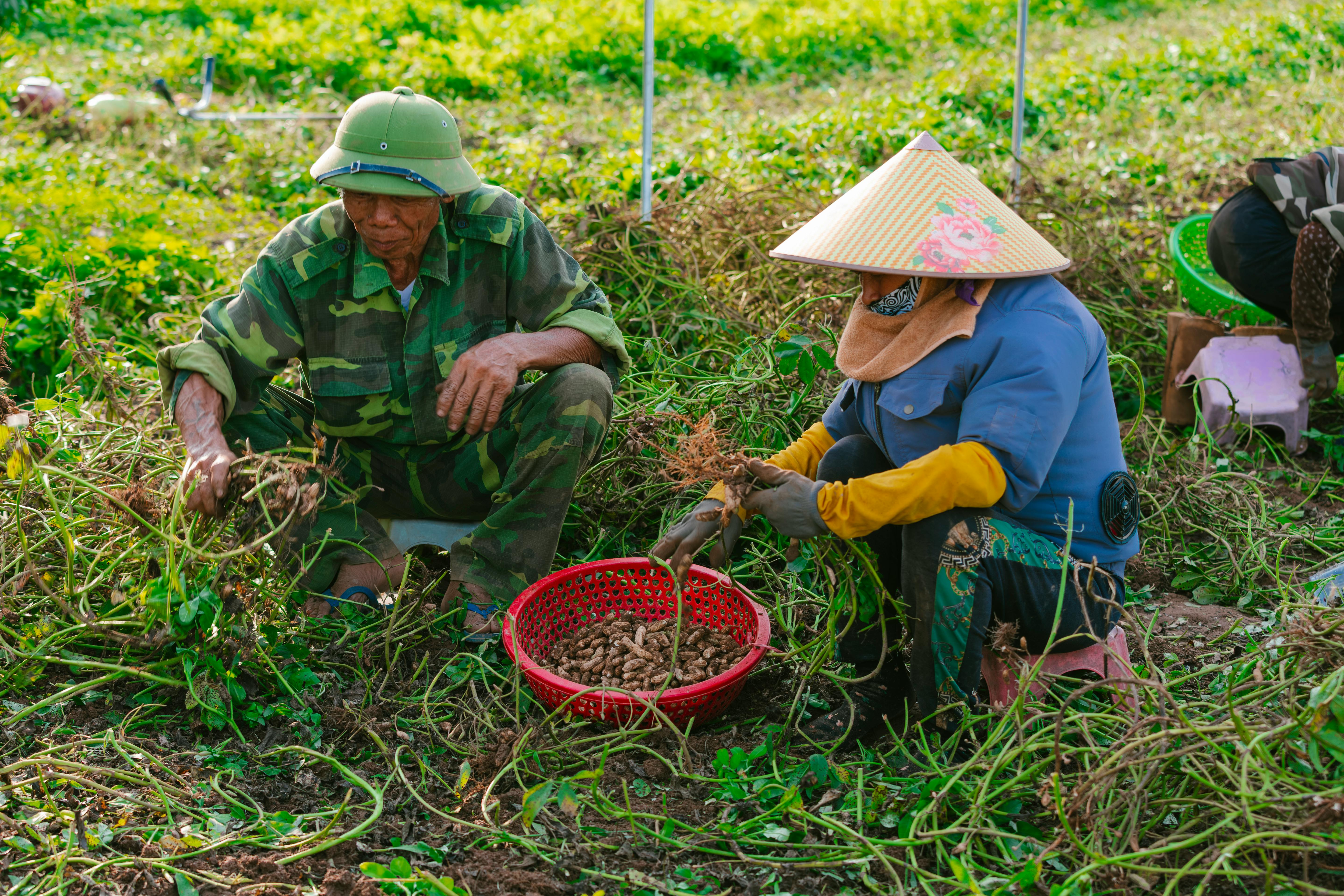
Kenya's agricultural sector, the backbone of its economy, faces increasing pressure from climate change, soil degradation, and market volatility. Organic farming and sustainable agriculture practices are gaining traction as viable solutions to these challenges. According to the Kenya National Bureau of Statistics (KNBS) and reports from organizations like Ripple Effect, sustainable agriculture is not just a buzzword but a necessity for strengthening economic growth and ensuring food security in East Africa. Kenyan farmers are embracing eco-friendly methods, conserving natural resources, and building resilient agricultural systems, setting a significant example for the continent.
One of the core challenges observed is the nuanced impact of intercropping, particularly with legumes. While legumes are known for nitrogen fixation, an over-reliance or improper rotation can lead to specific pest cycles and create nutrient imbalances that negatively affect subsequent crops. Soil organic matter is crucial for healthy yields, yet a 2024 study by the Kenya Agricultural and Livestock Research Organization (KALRO) reported a concerning 20% decline in soil organic matter in some regions, underscoring the urgent need for improved soil health strategies.
Key Insights & Strategies for Sustainable Crop Management
Achieving 22% higher yields requires a paradigm shift from traditional methods to more precise and diversified sustainable practices. Here are key strategies.
1. Precision Nitrogen Management: Beyond Legume Reliance
Instead of relying solely on intercropped legumes for nitrogen, precision nitrogen management focuses on delivering the right amount of nitrogen at the right time and place. This minimizes nutrient runoff and ensures optimal uptake by crops.
2. Diversified Cover Cropping Systems: The Living Mulch Revolution
Moving beyond single-species legume cover crops, diversified systems offer multifaceted benefits, including enhanced soil structure, improved water retention, and more effective pest suppression.
By adopting these insights, farmers can proactively manage soil health and crop nutrition, leading to more resilient and productive farming systems. Explore sustainable organic farming solutions with Biofarm Kenya.
Case Studies: Kenyan Farmers Paving the Way
Kenya is dotted with inspiring stories of farmers who have successfully transitioned to sustainable practices, often achieving yields that surpass their traditionally farmed counterparts. Mlango Farm in Limuru, for instance, is a testament to innovative organic farming. They've embraced sustainable methods to grow a diverse range of vegetables, experimenting with new robust hybrid potato varieties and demonstrating the viability of organic farming on a commercial scale. Their success underscores the principle that healthy soil, nurtured through sustainable practices, directly translates to healthy, abundant crops.
Another remarkable example is Sylvia Kuria, who founded Sylvia's Basket, an organic farm. Her journey highlights the dedication and vision required to build a successful organic enterprise in Kenya, focusing on chemical-free produce and sustainable land management. These pioneers exemplify the shift towards regenerative agriculture, proving that high yields and environmental stewardship can go hand-in-hand. Their strategies often involve intensive composting, natural pest control methods, and strategic crop rotation, minimizing reliance on external inputs.
The Food and Agriculture Organization (FAO) actively promotes climate-smart agriculture in Kenya, supporting farmers in adopting practices that increase productivity sustainably, enhance resilience, and reduce greenhouse gas emissions. These include better water management, agroforestry, and improved soil management techniques, all of which contribute to the kind of success seen at Mlango Farm and Sylvia's Basket. (Source: FAO Kenya)
Common Mistakes to Avoid in Sustainable Farming
Even with the best intentions, sustainable farming can have its pitfalls. Being aware of these common mistakes can save you time, resources, and heartache.
Expert Tips & Best Practices for Maximizing Your Yields
Leveraging insights from agricultural experts and successful Kenyan farmers, these best practices can help you unlock your farm's full potential.
By integrating these expert tips into your farming routine, you're not just growing crops; you're cultivating a thriving, sustainable ecosystem on your farm. Explore sustainable organic farming solutions with Biofarm Kenya.
Future Trends: The Next Horizon for Kenyan Agriculture
The future of agriculture in Kenya is bright, with technology and innovation playing a pivotal role in driving sustainability and productivity. Farmers who embrace these emerging trends will be well-positioned for success.
These innovations promise to make farming more efficient, resilient, and profitable, further solidifying Kenya's position as a leader in sustainable agriculture.
Conclusion: Cultivating a Prosperous and Sustainable Future
The journey towards unlocking 22% higher yields with sustainable farming in Kenya is not just about adopting new techniques; it's about embracing a mindset of continuous learning, precision, and ecological stewardship. By addressing the hidden risks of traditional intercropping, mastering precision nitrogen management, and diversifying cover cropping systems, Kenyan farmers can significantly enhance their productivity and resilience. The compelling evidence from KALRO 2024 trials serves as a powerful testament to the efficacy of these alternative methods.
Sustainable agriculture is the cornerstone of food security and economic prosperity for Kenya. It empowers farmers to nurture their land, protect biodiversity, and secure a healthier future for generations to come. We encourage every farmer to integrate these proven strategies, invest in smart tools, and leverage the collective knowledge of the agricultural community.
Discover trusted organic farming tools on Amazon and learn more about sustainable solutions with Biofarm Kenya. Together, we can cultivate a more prosperous and sustainable future for Kenyan agriculture.
FAQs on Sustainable Farming in Kenya
1. What are the main drawbacks of traditional legume intercropping in Kenya?
While legumes fix nitrogen, traditional intercropping can lead to challenges such as increased pest pressure due to host specificity, competition for resources with main crops, and potential nutrient imbalances if not managed precisely. For example, some legumes can attract specific pests that then spread to the cash crop, or they might deplete other essential nutrients like phosphorus if the soil isn't adequately supplemented. For more detailed insights into crop compatibility, refer to research by the Kenya Agricultural and Livestock Research Organization (KALRO).
2. How does precision nitrogen management differ from conventional fertilization?
Precision nitrogen management focuses on applying the exact amount of nitrogen needed by crops, precisely when and where it's required, often using soil testing and advanced monitoring. Conventional fertilization, in contrast, often involves uniform application rates across entire fields, which can lead to over-application, nutrient runoff, and environmental pollution. Precision methods optimize uptake, reduce waste, and protect water sources. Learn more about nutrient management from the Food and Agriculture Organization (FAO).
3. What are the benefits of diversified cover cropping systems?
Diversified cover cropping systems, using multiple species, offer numerous benefits: they improve soil structure and organic matter content, enhance water infiltration and retention, suppress weeds more effectively, prevent soil erosion, and increase biodiversity by supporting beneficial insects and soil microbes. This holistic approach builds more resilient and fertile soil compared to monoculture cover cropping. Explore diverse farming systems with Biofarm Kenya.
4. How significant were the KALRO 2024 trial results for Kenyan farmers?
The KALRO 2024 trials were highly significant, demonstrating that alternative sustainable farming methods (such as precision nitrogen management and diversified cover cropping) can boost crop yields by 22% compared to traditional legume-reliant intercropping. Crucially, these trials also noted a reduction in pest outbreaks, providing strong, localized evidence for the economic and ecological advantages of these modern sustainable practices. Information on KALRO research can be found on their official site, KALRO Research.
5. What are some accessible technologies for small-scale farmers to adopt sustainable practices?
Small-scale farmers can adopt several accessible technologies: affordable soil testing kits, basic drip irrigation systems to conserve water, solar-powered water pumps, and simple greenhouse tunnels for protected cultivation. Mobile applications are also emerging that provide weather forecasts, market prices, and agricultural advice, making information more accessible. The Ministry of Agriculture, Livestock, Fisheries and Cooperatives (Kenya) often promotes such initiatives.
6. Where can Kenyan farmers find reliable support and resources for transitioning to sustainable farming?
Kenyan farmers can find reliable support from several sources: KALRO provides research and extension services, local agricultural cooperative societies offer community-based learning and resource sharing, and non-governmental organizations (NGOs) often run training programs on organic and sustainable methods. Additionally, platforms like Biofarm Kenya offer tailored solutions, expert advice, and access to sustainable farming products and knowledge.


0 Comments