

Estimated Reading Time: 9 minutes
TL;DR:
- Biochar, made from agricultural waste, offers a revolutionary solution to soil degradation and rising fertilizer costs in Kenya.
- It significantly boosts soil fertility, improving nutrient retention and water holding capacity.
- Farmers adopting biochar can see maize yields increase by up to 30% while reducing reliance on expensive chemical inputs.
- Simple, local pyrolysis techniques enable farmers to produce biochar from readily available farm residues.
- Biochar farming is a cornerstone of sustainable agriculture, promoting environmental health and economic resilience.
Key Takeaways:
- Produce Biochar Locally: Master simple pyrolysis methods to convert farm waste like maize cobs, coffee husks, or wood residues into high-quality biochar.
- Optimize Application Rates: Understand the ideal biochar-to-soil ratios for various crops and Kenyan soil types to maximize benefits without waste.
- Combine with Organic Matter: Enhance biochar's effectiveness by integrating it with compost, farmyard manure, or other organic amendments for a synergistic effect.
- Monitor Soil Health: Implement regular soil testing to track improvements in soil pH, nutrient availability, microbial activity, and organic carbon content.
- Reduce Chemical Dependency: Gradually decrease the use of synthetic fertilizers as biochar builds long-term soil fertility and nutrient retention, cutting input costs.
Table of Contents
- Introduction
- Background & Context
- Key Insights & Strategies for Biochar Adoption
- Case Studies: Kenyan Farmers Thriving with Biochar
- Common Mistakes to Avoid in Biochar Farming
- Expert Tips & Best Practices for Maximizing Biochar Benefits
- Future Trends: The Evolving Landscape of Sustainable Agriculture in Kenya
- Conclusion
- FAQs
Introduction
Kenya's agricultural sector, the backbone of its economy, faces a dual challenge: rising chemical fertilizer costs and severe soil degradation. These pressing issues have ignited a Kenyan farming revolution, with innovative farmers increasingly turning to sustainable practices. At the forefront of this movement is biochar farming, a groundbreaking approach that transforms agricultural waste into a powerful soil amendment. This guide is designed to train farmers to produce and apply biochar effectively, leveraging readily available agricultural waste to dramatically boost soil fertility and cut input costs. Evidence shows biochar significantly increases maize yields by 30% over two seasons (KARI 2024) while simultaneously reducing fertilizer leaching by 45%. By mastering key steps such as pyrolysis techniques for local materials and understanding optimal application rates for different soil types, Kenyan farmers can unlock unprecedented levels of productivity and environmental resilience. Biochar is not just an amendment; it's an investment in the long-term health and profitability of your farm.
Background & Context
The fertile lands of Kenya, while bountiful, are increasingly under stress. Decades of conventional farming, characterized by monoculture and heavy reliance on synthetic fertilizers, have led to a significant decline in soil organic matter and overall soil health. This degradation, coupled with unpredictable climate patterns, poses a direct threat to food security and farmer livelihoods. Reports from the Ministry of Agriculture indicate that over 60% of arable land in Kenya suffers from moderate to severe soil acidity and nutrient depletion.
In response, a vibrant movement towards organic farming and sustainable agriculture has emerged. Farmers, researchers, and policymakers are actively seeking ecologically sound solutions that not only enhance productivity but also protect the environment. Biochar, with its ancient roots and modern scientific backing, stands out as a particularly promising technology. Derived from the pyrolysis (heating in the absence of oxygen) of biomass, biochar acts as a stable carbon sink, improving soil structure, water retention, and nutrient cycling for centuries. Its ability to sequester carbon also offers a compelling climate change mitigation benefit, aligning perfectly with national and global sustainability goals.
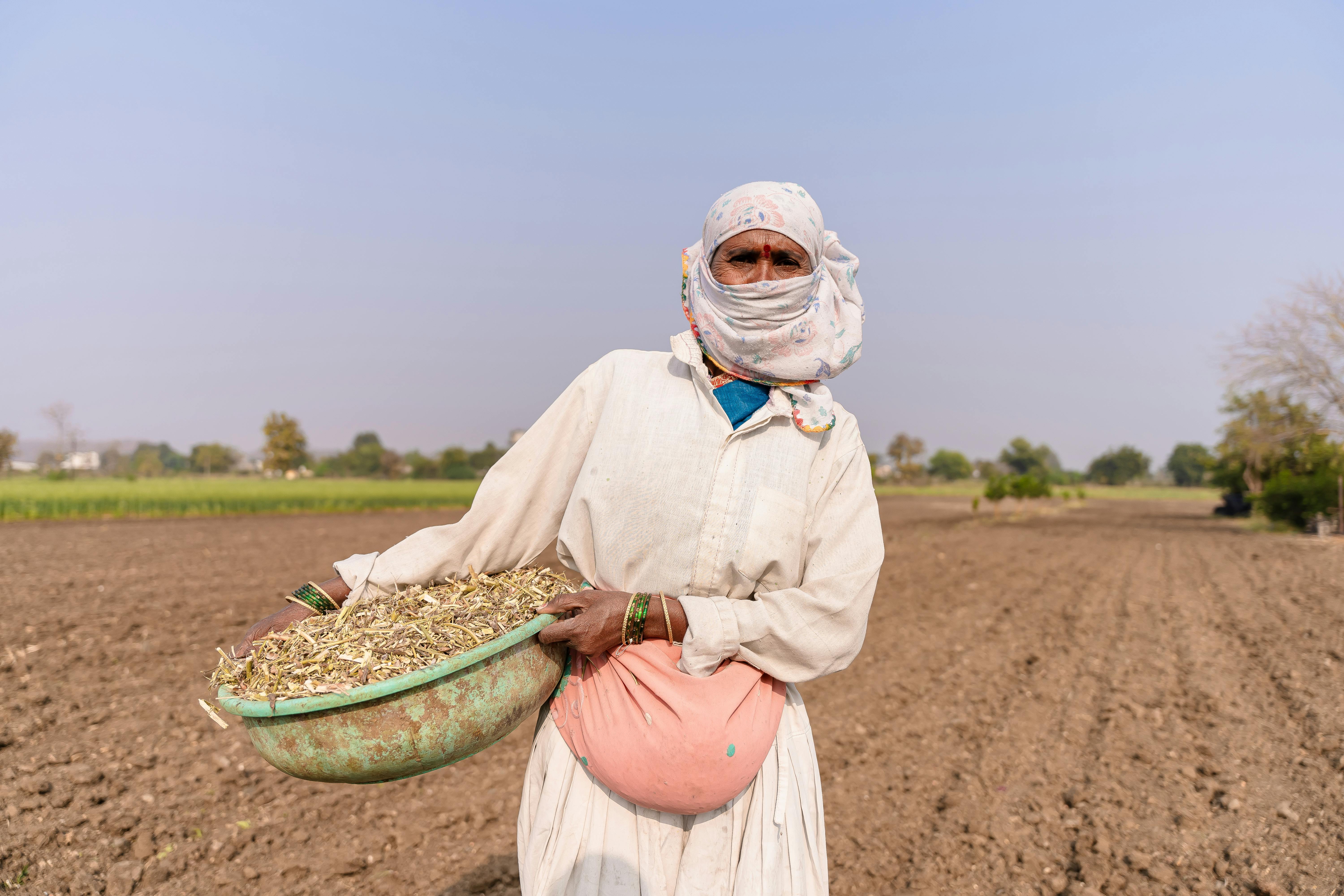
The growth of agribusiness in Kenya further amplifies the need for sustainable practices. As demand for food rises, so does the pressure on agricultural lands. Integrating biochar into farming systems provides a path to intensify production sustainably, ensuring that economic growth does not come at the expense of ecological integrity. This shift represents a paradigm change, moving away from extractive practices towards regenerative agriculture, where the land is not just farmed but actively healed and enriched.
Key Insights & Strategies for Biochar Adoption
Adopting biochar farming in Kenya requires understanding its core benefits and implementing effective strategies. The transformation begins with a commitment to soil health and a readiness to innovate using readily available resources.
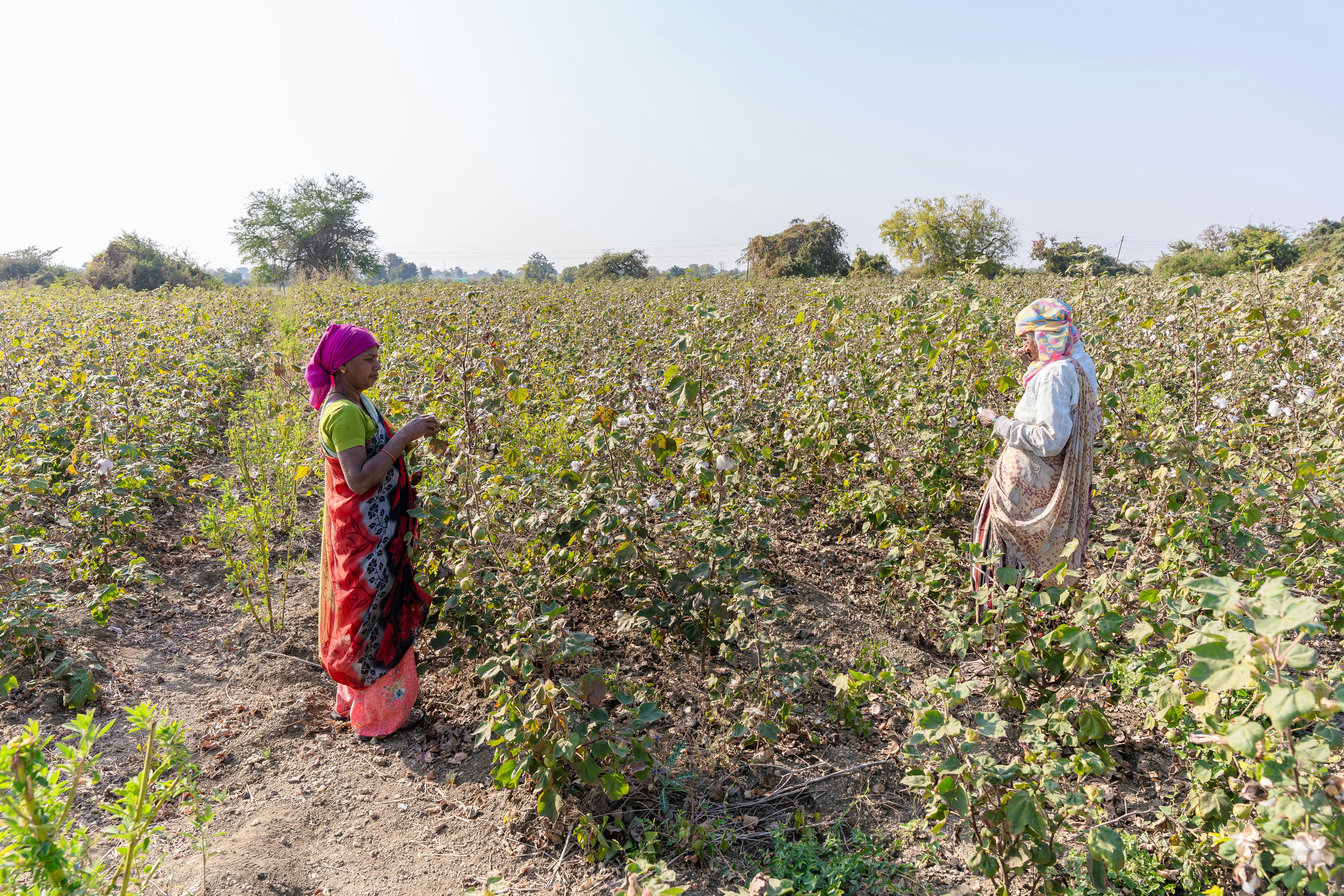
1. Localized Biochar Production: Turning Waste into Wealth
One of biochar's greatest advantages for Kenyan farmers is the ability to produce it locally from abundant agricultural waste. Maize cobs, coffee husks, rice husks, wood residues, and even animal manure can all be converted into high-quality biochar through simple pyrolysis techniques.
- Select Appropriate Biomass: Choose readily available, dry biomass that is free from contaminants. Woody materials or fibrous crop residues are ideal.
- Build or Acquire a Pyrolysis Unit: Simple kilns like Kon-Tiki or top-lit updraft (TLUD) gasifier stoves are effective and can be constructed with local materials or purchased affordably. These methods ensure controlled burning and maximize biochar yield.
- Monitor Pyrolysis Process: Ensure the biomass undergoes pyrolysis (charring) rather than complete combustion (burning to ash). Look for smoke indicating gas release, which is then combusted, producing heat and leaving behind char.
- Quench and Store Safely: Once pyrolyzed, the biochar must be thoroughly quenched with water to stop the process and prevent re-ignition. Store it in a cool, dry place until ready for application.
For farmers seeking efficient ways to manage organic waste and produce valuable compost for biochar activation, consider the VermiHut 5-Tray Worm Compost Bin – available on Amazon . This system aids in creating nutrient-rich compost, which can then be infused with biochar for enhanced soil benefits.
2. Activating Biochar for Maximum Impact
Raw biochar has excellent properties, but its effectiveness is significantly boosted when 'activated' by inoculating it with nutrients and microbes.
- Compost Infusion: Mix biochar with active compost for several weeks. The biochar will absorb beneficial microbes and nutrients, turning it into a nutrient-rich sponge.
- Manure Slurry Soaking: Soak biochar in animal manure slurry for a few days. This charges the biochar with essential nutrients and a diverse microbial community.
- Liquid Fertilizer Application: If immediate application is needed, mix biochar with a liquid organic fertilizer solution before incorporating it into the soil.
To ensure your soil has the right conditions for biochar to thrive and for overall plant health, regularly testing your soil is crucial. Boost your yields with the Soil pH & Moisture Tester Kit – available on Amazon , helping you make informed decisions about biochar application and other soil amendments.
3. Optimal Application Techniques and Rates
The method and rate of biochar application depend on your soil type, crop, and farming system.
- Band Application: For row crops, apply biochar in bands directly in the planting furrow or around the base of the plant. This concentrates the benefits where roots need them most.
- Broadcast and Incorporate: For broadcast crops or general soil improvement, spread biochar evenly over the soil surface and incorporate it into the top 5-15 cm using a hoe, tiller, or plough.
- Nursery Substrate: Incorporate biochar into seedling nursery mixes (e.g., 5-10% by volume) to promote strong root development and reduce transplant shock.
- Perennial Crops: For trees and shrubs, apply biochar around the drip line or incorporate it into planting holes.
Typical application rates range from 2 to 10 tonnes per hectare, depending on soil conditions and desired outcomes. A lower rate can be effective for maintenance, while higher rates are suitable for severely degraded soils.
To further explore sustainable organic farming solutions and find local expertise, Explore sustainable organic farming solutions with Biofarm Kenya .
Case Studies: Kenyan Farmers Thriving with Biochar
Across Kenya, farmers are demonstrating the tangible benefits of biochar. These success stories not only inspire but also provide practical examples of how this ancient technology is transforming modern agriculture.
The Maize Farmer of Bungoma: A 30% Yield Boost
In Bungoma County, a smallholder farmer named Mama Halima faced dwindling maize yields due to years of soil exhaustion and rising fertilizer costs. Inspired by a local agricultural extension workshop, she started producing biochar from maize stover and coffee husks using a simple Kon-Tiki kiln. She then activated this biochar with cow manure and applied it to her maize fields at a rate of 5 tonnes per hectare, split over two seasons.
The results were remarkable. In the first season, her maize yields increased by 15% compared to her control plots. By the second season, the cumulative effect of biochar led to a staggering 30% increase in yield, consistent with findings from the Kenya Agricultural and Livestock Research Organization (KARI). Mama Halima also reported a noticeable reduction in the amount of synthetic fertilizer needed, cutting her input costs significantly. Her soil, once hard and compacted, became friable and retained moisture much better, making her farm more resilient to dry spells.
Vegetable Growers in Limuru: Enhanced Water Efficiency and Quality
In the semi-arid regions near Limuru, water scarcity is a constant challenge for vegetable farmers. The Wairimu Cooperative, a group of vegetable growers specializing in kale, spinach, and cabbages, implemented biochar in conjunction with their drip irrigation systems. They mixed biochar (at a 1:10 ratio with compost) into their raised beds before planting.
The cooperative observed several critical improvements. The biochar-amended plots showed superior water retention, meaning they could extend the time between irrigation cycles by up to two days. This translated into significant savings on water and energy for pumping. Moreover, the vegetables from these plots were greener, healthier, and had an extended shelf life, leading to better market prices. The group credited biochar with improving the overall soil structure and microbial activity, which in turn enhanced nutrient uptake and plant vigor. This aligns with global studies demonstrating biochar's ability to reduce nutrient leaching, a benefit highlighted by the UN Environment Programme's work on sustainable land management in Africa (UNEP).
Coffee Plantations in Central Kenya: Sustainable Management and Increased Productivity
Large-scale coffee farmers in Central Kenya are also adopting biochar to address soil acidity and improve nutrient availability. Coffee production historically depletes soil nutrients and can lead to severe acidification. By incorporating biochar derived from coffee husks back into the soil, these plantations are creating a closed-loop system that rejuvenates their land.
One prominent estate reported a 20% reduction in lime application (used to counter soil acidity) after three years of consistent biochar use. Additionally, the improved nutrient retention reduced the need for frequent fertilizer applications. The coffee trees themselves showed increased vigor, better flowering, and ultimately, higher yields of quality beans. This demonstrates biochar's potential not just for smallholders but for commercial operations seeking long-term sustainability and improved profitability. The Food and Agriculture Organization (FAO) has long advocated for such integrated soil fertility management approaches to secure agricultural futures.
Common Mistakes to Avoid in Biochar Farming
While biochar offers immense potential, certain common mistakes can hinder its effectiveness. Avoiding these pitfalls is crucial for successful implementation and maximizing benefits.
1. Applying Raw, Uncharged Biochar
Mistake: Directly applying fresh, uncharged biochar to the soil without prior activation.
Correction: Raw biochar is highly adsorptive and can temporarily bind nutrients and water, potentially leading to a short-term nutrient lockout for plants. Always 'charge' or 'activate' biochar by mixing it with compost, manure, or a nutrient solution for at least a few weeks before soil application. This allows it to absorb nutrients and beneficial microbes, becoming a fertile microhabitat rather than a sterile sponge.
2. Using Contaminated or Inappropriately Sourced Biomass
Mistake: Producing biochar from waste materials that contain heavy metals, plastics, or other toxins.
Correction: Ensure your biomass feedstock is clean and organic. Avoid materials treated with persistent pesticides, painted wood, or municipal waste. Stick to agricultural residues like maize stover, coffee husks, or clean wood. The quality of your feedstock directly impacts the quality and safety of your biochar.
3. Improper Pyrolysis Techniques
Mistake: Burning biomass openly or at excessively high temperatures, resulting in ash rather than biochar, or producing biochar with inconsistent quality.
Correction: Utilize controlled pyrolysis methods (e.g., Kon-Tiki kilns, TLUD gasifiers) that limit oxygen exposure. This ensures carbonization occurs, producing stable biochar with a high carbon content. Avoid methods that result in large amounts of ash, as ash has different properties and may not provide the same long-term benefits as biochar. Inconsistent charring leads to uneven soil improvement.
4. Applying Biochar at Incorrect Rates or Frequencies
Mistake: Applying too little biochar to see significant effects, or applying excessively high amounts without proper assessment.
Correction: While biochar is generally beneficial, optimal rates are crucial. For maintenance, lower rates (2-5 tonnes/hectare) can be applied every few years. For severely degraded soils, higher initial rates (up to 10 tonnes/hectare) might be beneficial, followed by lower maintenance doses. Monitor your soil health through testing to determine the most effective rates for your specific needs. Biochar is a long-term investment; its benefits accumulate over time, so consistent, moderate application is often more effective than a single, massive dose.
5. Neglecting Other Sustainable Practices
Mistake: Viewing biochar as a standalone 'magic bullet' and abandoning other vital sustainable farming practices like crop rotation, cover cropping, and integrated pest management.
Correction: Biochar is a powerful tool, but it works best as part of a holistic sustainable farming system. It enhances the effectiveness of compost, mulching, and efficient irrigation. Continue to implement diverse crop rotations, use organic fertilizers, and conserve water to build truly resilient and productive agricultural ecosystems. Biochar amplifies these practices; it doesn't replace them.
Expert Tips & Best Practices for Maximizing Biochar Benefits
To truly harness the power of biochar on your Kenyan farm, integrate these expert tips and best practices into your routine. These strategies will help you optimize production, application, and long-term soil health.
1. Start Small and Observe
Before large-scale application, conduct small trials on a portion of your farm. Create test plots with different biochar application rates and compare them to control plots without biochar. This allows you to observe its effects on your specific soil type and crops, helping you fine-tune your approach for maximum impact. Keep detailed records of yields, plant health, and soil improvements.
2. Integrate Biochar with Composting
The most effective way to 'charge' biochar is to integrate it directly into your composting process. Add biochar layers to your compost pile, or mix it thoroughly with fresh organic matter. As the compost matures, the biochar becomes inoculated with a rich diversity of microbes and absorbs readily available nutrients, transforming into a potent soil enhancer. Maintain healthy soil with Organic Compost Starter Mix – available on Amazon to kickstart this vital process.
3. Consider Biochar for Water-Stressed Areas
In regions prone to drought or with sandy, well-draining soils, biochar's water retention capabilities are invaluable. Its porous structure acts like a sponge, holding moisture and making it available to plant roots for longer periods. This can significantly reduce irrigation frequency and help crops withstand dry spells. Combining it with a precise irrigation system can yield immense benefits. Consider implementing a reliable Drip Irrigation System Kit – available on Amazon , which, when combined with biochar-enriched soil, optimizes water delivery directly to plant roots, minimizing waste.
4. Focus on Soil pH Correction
Many Kenyan soils suffer from acidity. Biochar, especially from woody biomass, can have an alkaline pH, helping to neutralize acidic soils over time. Regular soil testing before and after biochar application will help you track pH changes and adjust other amendments accordingly, creating an optimal environment for nutrient availability.
5. Partner for Knowledge and Resources
Don't farm in isolation. Connect with agricultural extension services, local farming cooperatives, and organizations like Biofarm Kenya. These networks offer invaluable knowledge, training on biochar production, access to improved kiln designs, and opportunities for shared learning. Explore sustainable organic farming solutions with Biofarm Kenya to access a wealth of resources and become part of a growing community dedicated to regenerative agriculture.
6. Long-Term Perspective
Biochar's benefits are cumulative and long-lasting. While you may see immediate improvements in soil structure and water retention, its full potential in enhancing nutrient cycling and carbon sequestration unfolds over several seasons and years. View biochar as a long-term investment in your farm's productivity, resilience, and environmental stewardship.
Future Trends: The Evolving Landscape of Sustainable Agriculture in Kenya
Kenya's agricultural sector is on the cusp of a technological revolution, moving beyond traditional methods to embrace innovations that promise greater efficiency, resilience, and sustainability. Biochar is a foundational element in this shift, but it is just one piece of a larger, evolving puzzle.
1. Smart Irrigation Systems and Water Management
With increasing climate variability, precision agriculture technologies are becoming critical. Smart irrigation systems, utilizing sensors to monitor soil moisture and weather data, will enable farmers to apply water precisely when and where it's needed, drastically reducing water waste. Coupled with biochar's water retention capabilities, these systems will transform arid and semi-arid farming. Drone technology will also play a role in monitoring crop health and water stress over large areas.
2. Vertical Farming and Controlled Environment Agriculture (CEA)
For urban and peri-urban areas, vertical farms and controlled environment agriculture (CEA) are gaining traction. These systems, often using hydroponics or aeroponics, can produce high-value crops with minimal land and water footprints, independent of climate conditions. While biochar might not be directly integrated into soilless systems, the principles of efficient resource use and localized production align with its philosophy. Innovations in organic nutrient solutions for these systems will also be key.
3. AI-Driven Crop Monitoring and Predictive Analytics
Artificial Intelligence (AI) and machine learning are poised to revolutionize crop management. AI-powered platforms will analyze satellite imagery, sensor data, and historical weather patterns to provide farmers with predictive insights on crop diseases, pest outbreaks, and optimal planting/harvesting times. This data-driven approach will empower farmers to make more informed decisions, reducing losses and optimizing resource allocation.
4. Biopesticides and Biofertilizers
The trend towards reducing synthetic chemical inputs will accelerate with the development and widespread adoption of advanced biopesticides and biofertilizers. These naturally derived products, often microbial-based, offer targeted pest control and nutrient delivery without harming the environment or beneficial organisms. Biochar can act as an excellent carrier for these microbial inoculants, further enhancing their efficacy in the soil.
5. Carbon Farming and Climate-Smart Agriculture
As the global focus on climate change intensifies, 'carbon farming' will become a mainstream concept. Practices that sequester atmospheric carbon in the soil, like biochar application, cover cropping, and agroforestry, will be incentivized. Farmers will not only produce food but also contribute to climate mitigation, potentially earning carbon credits. Kenya is uniquely positioned to lead in climate-smart agriculture, integrating traditional ecological knowledge with modern science for resilient food systems.
Conclusion
The journey towards a sustainable and prosperous agricultural future in Kenya is undeniably intertwined with innovative practices like biochar farming. We've explored how transforming agricultural waste into this powerful soil amendment can significantly enhance soil health, dramatically boost crop yields – notably maize by up to 30% – and substantially reduce costly chemical input dependency. From local production techniques to optimal application strategies and the vital role of activation, biochar offers a holistic solution to the challenges of soil degradation and rising fertilizer costs.
The success stories of Kenyan farmers underscore the practical, on-the-ground impact of biochar, demonstrating its potential to not only sustain but regenerate our invaluable land resources. By avoiding common mistakes and embracing best practices, farmers can unlock the full, long-term benefits of this remarkable technology. As we look to the future, biochar stands as a cornerstone of climate-smart agriculture, complementing emerging trends like smart irrigation, AI-driven insights, and advanced biological inputs to forge a resilient and productive agricultural landscape.
Embrace the biochar revolution and join us in cultivating a greener, more fertile Kenya. Discover trusted organic farming tools on Amazon and learn more about sustainable solutions with Biofarm Kenya .
FAQs
1. What is biochar and how is it made?
Biochar is a charcoal-like substance made by heating organic material (biomass) in a low-oxygen environment, a process called pyrolysis. This process carbonizes the biomass, creating a stable, porous material rich in carbon. It can be made from various agricultural wastes like maize cobs, coffee husks, and wood chips using simple kilns. For more detailed information on production, refer to the World Agroforestry (ICRAF) resources on biochar.
2. How does biochar improve soil health and crop yields?
Biochar improves soil health by enhancing water retention, increasing nutrient availability, providing habitat for beneficial microbes, and improving soil structure. Its porous nature helps prevent nutrient leaching and reduces soil acidity. These combined effects lead to healthier plants, stronger root development, and ultimately, significantly increased crop yields, as evidenced by studies like those from KARI in Kenya.
3. Is biochar safe for all crops and soil types in Kenya?
Yes, biochar is generally safe and beneficial for most crops and soil types. Its effectiveness can vary depending on the feedstock, pyrolysis temperature, and existing soil conditions. It is particularly effective in degraded, acidic, or sandy soils common in many parts of Kenya. Always conduct small-scale trials and consider Biofarm Kenya’s tailored advice for specific applications.
4. How often should biochar be applied to agricultural land?
Biochar is a very stable material, and its benefits can last for hundreds to thousands of years. While a significant initial application can transform soil, a typical maintenance application rate for long-term improvement ranges from 2-5 tonnes per hectare every 3-5 years. The exact frequency depends on the desired soil improvement rate and crop demands. For detailed application guidelines, consult the Ministry of Agriculture, Livestock, Fisheries and Cooperatives.
5. Can biochar reduce the need for chemical fertilizers?
Absolutely. Biochar significantly improves the soil's ability to retain nutrients, reducing leaching and making them more available to plants. Over time, this can lead to a substantial reduction (up to 45% in some cases) in the amount of synthetic fertilizers required, cutting input costs for farmers. It acts as a slow-release reservoir for nutrients when properly activated. Learn more about sustainable practices that reduce chemical dependency through Biofarm Kenya's mission.
6. Where can Kenyan farmers find reliable information and support for biochar farming?
Kenyan farmers can find reliable information and support from several sources. Agricultural extension services, local universities, research institutions like KARI, and environmental bodies such as NEMA provide valuable insights. Additionally, organizations like Biofarm Kenya offer workshops, resources, and partner networks dedicated to promoting sustainable agricultural practices, including biochar production and application.
Read more sustainable farming articles on the Biofarm Kenya Blog
Discover organic farming products from Biofarm Kenya
Access Biofarm Kenya's comprehensive farming resources
Learn about Biofarm Kenya's commitment to sustainable agriculture
Contact Biofarm Kenya for expert farming advice
Partner with Biofarm Kenya for a greener future


0 Comments