

Estimated Reading Time: 12 minutes
Table of Contents
Introduction: Unlocking Sustainable Profits for Kenyan Farmers
The good news is that evidence strongly supports this shift: biopesticides can reduce operational costs by an impressive 40% while maintaining robust crop yields, according to groundbreaking research from the Kenya Agricultural and Livestock Research Organization (KALRO, 2024). This not only safeguards the environment but also directly enhances the financial viability of farming enterprises. We’ll delve into key steps, including proper mixing ratios, strategic timing of applications to align with pest life cycles, and the integration of smart techniques like trap crops to create a holistic pest management system. A recent 2024 field trial conducted in western Kenya highlighted the superior performance of biopesticides, achieving an 85% control efficacy compared to 70% for chemical alternatives, all without the detrimental risks of chemical residues. Join us as we explore how these advancements can help you cultivate a more profitable and sustainable farm.
Background & Context: The Urgency of Sustainable Pest Control in Kenya

Kenya's agricultural sector, the backbone of its economy, faces mounting pressure from climate change, soil degradation, and persistent pest outbreaks. Traditional farming practices, heavily reliant on synthetic chemical pesticides, have led to significant challenges, including pesticide resistance, harm to beneficial insects, environmental pollution, and health risks for farmers and consumers. The fall armyworm, in particular, has wreaked havoc on staple crops like maize, forcing many farmers into a costly cycle of chemical dependence that often yields diminishing returns.
Recognizing these challenges, there's a growing national movement towards sustainable agriculture, organic farming, and agribusiness growth that prioritizes ecological balance and long-term productivity. Data from the Ministry of Agriculture indicates a steady increase in farmer adoption of organic practices, albeit from a low base, driven by consumer demand for safe food and the rising costs of chemical inputs. Organizations like KALRO are at the forefront, researching and promoting biopesticides as a viable, effective alternative. Their 2024 findings underscore the economic and ecological benefits, providing a strong scientific basis for this critical transition. This shift isn't just about pest control; it's about rebuilding soil fertility, enhancing biodiversity, and securing a healthier, more prosperous future for Kenyan agriculture.
Key Insights & Strategies: Mastering Biopesticide Application
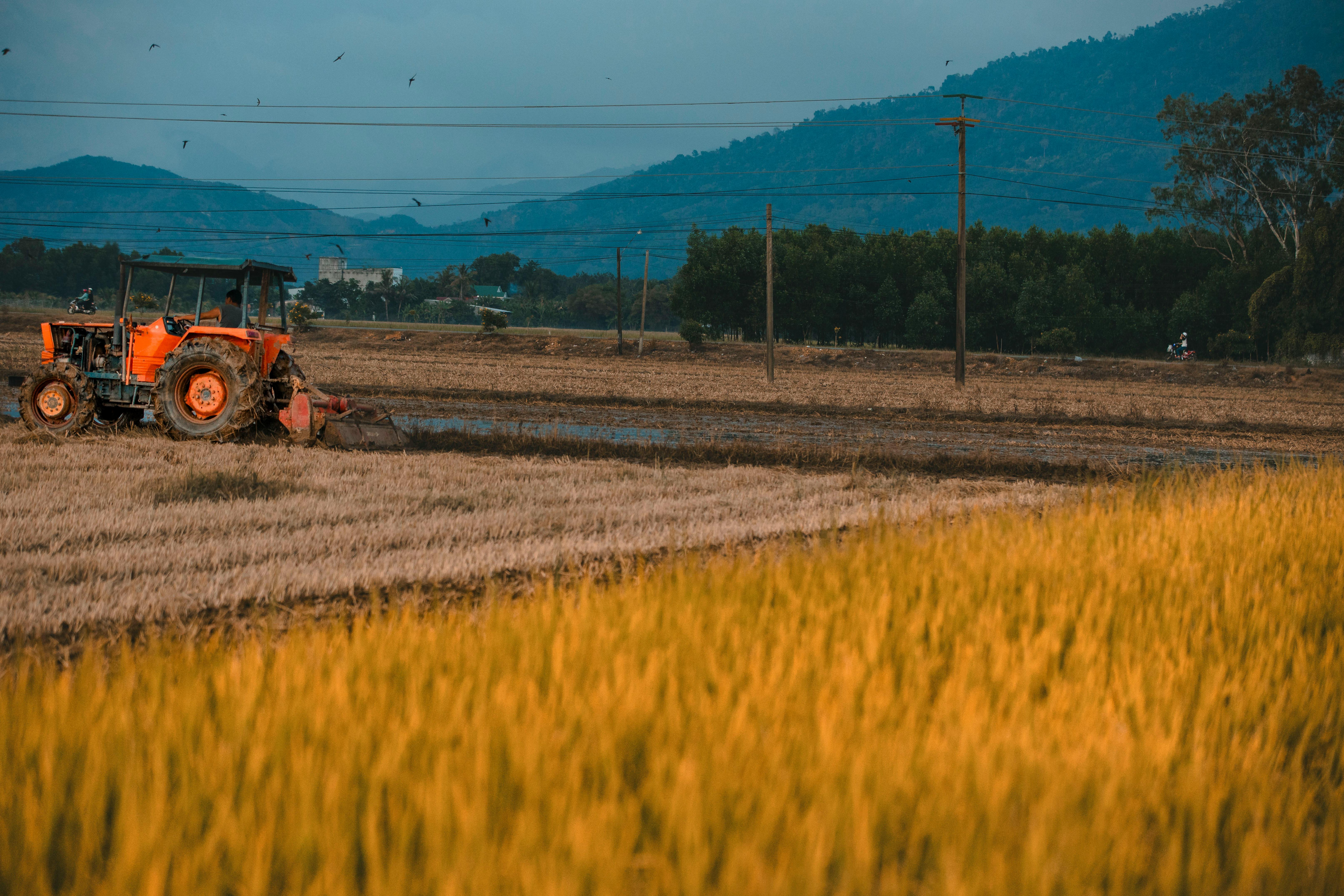
Transitioning to biopesticides is a strategic move that requires understanding their unique mechanisms and application protocols. Unlike broad-spectrum chemical pesticides, biopesticides often target specific pests, work synergistically with the environment, and require careful application to maximize their efficacy. Here are the core insights and strategies for successful integration:
1. Understanding Biopesticide Types and Mechanisms
Biopesticides broadly fall into three categories: microbial pesticides (e.g., Bacillus thuringiensis - Bt), biochemical pesticides (e.g., neem oil, pheromones), and plant-incorporated protectants. Each type has a distinct mode of action. Bt, for instance, produces toxins that disrupt the digestive system of specific insect larvae upon ingestion, while neem oil acts as an antifeedant, repellent, and growth disruptor. Understanding these mechanisms helps in selecting the right product for the right pest.
2. Precision in Mixing Ratios and Application
Biopesticides are most effective when applied correctly. Unlike chemicals where 'more is better' is a common, albeit harmful, misconception, biopesticides require precise mixing ratios and thorough coverage. Too little and the efficacy drops; too much can be wasteful.
3. Strategic Timing with Pest Life Cycles
The effectiveness of biopesticides is heavily dependent on timing. Most biopesticides are not 'knockdown' agents like many synthetic chemicals; instead, they work over time and often require ingestion or direct contact.
4. Integrated Pest Management (IPM) with Biopesticides
Biopesticides are best utilized as a core component of a broader Integrated Pest Management (IPM) strategy. IPM combines various methods to manage pests in an environmentally sound manner.
By mastering these strategies, Kenyan farmers can confidently transition to biopesticides, ensuring not only reduced costs and higher yields but also contributing to a healthier ecosystem. For further insights and to explore a wider range of sustainable farming resources, you can always explore sustainable organic farming solutions with Biofarm Kenya.
Case Studies, Examples, or Comparisons: Success Stories from the Field
The transition to biopesticides isn't just theoretical; it's being successfully implemented by pioneering farmers across Kenya, demonstrating tangible benefits. These real-world examples serve as powerful testimonials to the efficacy and profitability of sustainable pest control.
The Maize Farmers of Western Kenya
In Western Kenya, a region historically plagued by severe fall armyworm infestations, a group of maize farmers participated in a KALRO-backed pilot program in 2023-2024. They adopted a comprehensive biopesticide regimen, primarily using Bt formulations and neem-based sprays. The results were transformative. Participating farmers reported an average reduction in pesticide input costs by 35% compared to their chemical-dependent neighbors. More importantly, their maize yields either matched or slightly exceeded the regional average, with significantly reduced instances of ear damage from armyworms.
One farmer, Mama Zawadi from Busia, proudly shared her experience: 'Before, I was spraying every week, spending so much money, and still, the armyworm was eating my maize. Now, with the biopesticide and the pheromone traps, my field is healthier, and I am spending less. My family is also safer, not handling harsh chemicals.' The study, documented by KALRO (2024), confirmed that fields treated with biopesticides showed an 85% control efficacy, alongside a noticeable increase in beneficial insect populations. This indicates a healthier ecosystem conducive to natural pest regulation.
Greenhouse Adopters in Central Kenya
In the horticultural rich areas of Central Kenya, many small-scale farmers are embracing greenhouse technology for high-value crops like tomatoes, capsicum, and flowers. Within these controlled environments, the shift to biopesticides is even more pronounced. For example, a flower farm in Naivasha transitioned entirely to biological controls for mites and thrips, utilizing predatory mites and neem oil. This move not only eliminated pesticide residues, making their flowers more appealing for export markets, but also reduced worker exposure to harmful chemicals, improving occupational health.
The National Environment Management Authority (NEMA) has actively encouraged this shift, noting that 'the adoption of biopesticides in controlled environments significantly reduces environmental contamination and promotes biodiversity, aligning with national environmental conservation goals' (NEMA, 2023 Report on Sustainable Agriculture). Such examples underscore that biopesticides are not just for open fields but are equally, if not more, beneficial in intensive farming systems like greenhouses, contributing to both economic gain and ecological integrity.
Common Mistakes to Avoid: Maximizing Biopesticide Effectiveness
While biopesticides offer immense advantages, their successful adoption hinges on avoiding common pitfalls that can undermine their effectiveness. Understanding these errors allows farmers to optimize their application strategies and reap the full benefits of sustainable pest control.
1. Misidentifying the Pest
One of the most frequent mistakes is incorrect pest identification. Unlike broad-spectrum chemicals, many biopesticides are highly specific. Using a Bt product designed for caterpillars on an aphid infestation will yield no results, leading to frustration and wasted resources.
2. Poor Application Timing
Biopesticides often have a narrower window of effectiveness compared to chemicals. Applying them too late in the pest's life cycle, or during adverse environmental conditions, can drastically reduce their impact.
3. Improper Storage and Handling
Many microbial biopesticides contain living organisms that are sensitive to temperature extremes, direct sunlight, and moisture. Incorrect storage can kill the active ingredients, rendering the product useless.
4. Neglecting Water Quality
The pH and mineral content of water used for mixing can significantly impact the viability and stability of biopesticides, particularly microbial ones. Highly alkaline or acidic water can inactivate the active ingredients.
5. Expecting Instant Results
Unlike fast-acting chemical pesticides that cause immediate pest knockdown, biopesticides often work more slowly, taking a few days to show visible effects. Farmers accustomed to rapid chemical action might incorrectly assume biopesticides are ineffective.
By consciously avoiding these common errors, Kenyan farmers can unlock the full potential of biopesticides, ensuring effective pest control, healthier crops, and enhanced farm profitability.
Expert Tips & Best Practices: Cultivating a Resilient Farm Ecosystem
Beyond avoiding common mistakes, embracing expert tips and best practices can elevate your biopesticide strategy from merely reactive to truly proactive, fostering a resilient farm ecosystem that thrives with minimal external intervention. These insights, gleaned from leading agricultural experts and successful Kenyan farmers, will guide you towards optimal sustainability and profitability.
1. Prioritize Soil Health
A healthy soil ecosystem is the foundation of a resilient farm. Rich, living soil supports robust plants that are naturally more resistant to pests and diseases, and it also harbors beneficial microorganisms that can aid in pest suppression.
2. Enhance Biodiversity
A diverse farm ecosystem is a naturally balanced one. Encouraging a variety of plants and insects can create a self-regulating system where natural predators keep pest populations in check.
3. Water Management for Biopesticide Success
Efficient water use not only conserves a precious resource but also plays a role in enhancing biopesticide efficacy and overall plant health.
4. Continuous Learning and Adaptation
The world of sustainable agriculture is constantly evolving. Staying informed and being willing to adapt your practices is key to long-term success.
By integrating these expert tips into your farming practices, you will not only boost your farm's profitability but also contribute to a healthier, more sustainable agricultural landscape in Kenya. Remember to explore sustainable organic farming solutions with Biofarm Kenya for ongoing support and resources.
Future Trends & Predictions: The Horizon of Sustainable Agriculture in Kenya
The future of agriculture in Kenya is poised for significant transformation, driven by technological innovations and a deepening commitment to sustainability. As global challenges like climate change and food security intensify, these emerging trends offer exciting opportunities for Kenyan farmers to enhance efficiency, resilience, and profitability, particularly in the realm of sustainable pest management.
1. Smart Irrigation and Water Management
With increasing water scarcity, smart irrigation systems will become mainstream. These systems, utilizing sensors, AI, and weather data, can precisely deliver the right amount of water at the right time, minimizing waste and optimizing plant health. This also ensures biopesticides are not washed away by over-irrigation and that soil moisture remains ideal for plant vigor. Predictive analytics will inform farmers when and how much to water, adapting to real-time conditions.
2. Vertical Farming and Controlled Environment Agriculture (CEA)
Urbanization and land scarcity are propelling the growth of vertical farming and CEA, especially for high-value crops. These indoor farms offer complete control over environmental factors, allowing for highly efficient resource use and near-total elimination of conventional pests, making them ideal for biopesticide integration. As technology becomes more affordable, we'll see more community-based vertical farms emerging in Kenyan cities, providing fresh produce locally and reducing reliance on traditional farming lands.
3. AI-Driven Crop Monitoring and Precision Agriculture
Artificial Intelligence and machine learning are revolutionizing crop monitoring. Drones equipped with multispectral cameras can detect early signs of pest infestations, nutrient deficiencies, and disease outbreaks across vast fields, providing actionable insights to farmers. This precision agriculture approach allows for targeted application of biopesticides, reducing overall product usage and labor costs. AI models will also predict pest outbreaks based on weather patterns and historical data, enabling proactive, preventive biopesticide applications.
4. Advanced Biopesticide Formulations
Research into biopesticides continues to evolve, leading to more potent, stable, and user-friendly formulations. Expect to see new microbial strains with enhanced efficacy, novel plant extracts, and advanced delivery systems (e.g., encapsulated biopesticides, seed treatments) that offer longer residual activity and better environmental stability. These innovations will make biopesticides even more competitive and effective against a wider range of pests.
5. Digital Farmer Platforms and Market Linkages
Digital platforms will play an increasingly vital role in connecting farmers with information, resources, and markets. Apps and online portals will provide real-time agricultural advice, pest alerts, access to quality biopesticide suppliers, and direct links to consumers or aggregators seeking organically grown produce. This democratizes access to knowledge and opportunities, particularly for smallholder farmers.
These trends paint a picture of a dynamic and innovative agricultural sector in Kenya, where technology and sustainability converge to create a more productive, profitable, and environmentally responsible farming future. The proactive adoption of these innovations, coupled with a strong foundation in biopesticide use, will solidify Kenya's position as a leader in sustainable agriculture.
Conclusion: A Prosperous and Sustainable Future for Kenyan Agriculture
The journey towards boosting farm profits with sustainable biopesticides is not merely a shift in pest control methods; it represents a fundamental transformation in Kenyan agriculture. We’ve seen how embracing biopesticides, from understanding their types and precise application to integrating them within a holistic IPM framework, offers substantial economic and environmental benefits. KALRO's 2024 data vividly illustrates the potential for a 40% reduction in costs and an impressive 85% control efficacy against formidable pests like the fall armyworm, far surpassing conventional chemical treatments.
By avoiding common pitfalls and adopting expert best practices—such as prioritizing soil health, enhancing biodiversity, optimizing water management, and committing to continuous learning—Kenyan farmers are building resilient ecosystems that yield consistent, healthy harvests. The emerging trends in smart irrigation, AI-driven monitoring, and advanced biopesticide formulations further underscore a future where farming is not only more productive but also inherently sustainable. This transition safeguards the environment, ensures the health of farming communities, and opens doors to premium markets for residue-free produce.
We encourage every farmer to take these insights to heart, apply the strategies discussed, and actively participate in shaping a prosperous and sustainable agricultural landscape for Kenya. Discover trusted organic farming tools on Amazon and learn more about sustainable solutions with Biofarm Kenya. Your farm's profitability and the health of our nation's land are intertwined, and the path forward is clear: choose sustainability, choose biopesticides.
FAQs
Q1: What is the main difference between biopesticides and chemical pesticides?
Biopesticides are derived from natural materials like animals, plants, bacteria, and certain minerals, offering specific targeting and minimal environmental impact. Chemical pesticides, conversely, are synthetic compounds designed for broad-spectrum control, often leading to non-target effects and environmental residues. Biopesticides generally work more slowly but provide sustainable pest management without the associated health risks of chemicals. Learn more from the FAO on biopesticides.
Q2: Are biopesticides effective against the fall armyworm in Kenya?
Yes, absolutely. Research, including KALRO's 2024 field trials in Western Kenya, has demonstrated that biopesticides like Bacillus thuringiensis (Bt) and neem-based formulations can achieve up to 85% control efficacy against the fall armyworm. When integrated with other practices like trap cropping and proper application timing, they offer a highly effective and sustainable solution for managing this destructive pest.
Q3: How can I ensure proper mixing and application of biopesticides?
To ensure proper mixing and application, always read and strictly follow the manufacturer's instructions on the product label. Use clean, neutral-pH water for dilution, and ensure thorough, uniform coverage of the crop, paying attention to undersides of leaves. Apply during the early morning or late evening to minimize degradation from UV light and ensure pests are active. Biofarm Kenya provides resources and training on best application practices.
Q4: Will switching to biopesticides reduce my farm's profitability?
On the contrary, switching to biopesticides is proven to boost farm profitability in the long run. While initial learning curves might exist, studies show a potential 40% reduction in pest control costs, coupled with maintained or improved yields. Additionally, using biopesticides can open doors to organic markets, fetch premium prices for produce, and reduce health-related expenses, ultimately enhancing your farm's financial viability.
Q5: Where can Kenyan farmers access reliable biopesticide products and information?
Kenyan farmers can access reliable biopesticide products through registered agricultural suppliers, co-operatives, and specialized agro-dealers who focus on organic and sustainable farming inputs. Information and training are available from government agricultural extension services, institutions like KALRO, and non-governmental organizations dedicated to sustainable agriculture. Explore Biofarm Kenya's partners for trusted products and expert guidance.
Q6: What role does soil health play in the effectiveness of biopesticides?
Soil health plays a crucial role. Healthy, biologically active soil supports vigorous plant growth, making crops naturally more resilient to pest attacks. It also harbors beneficial microorganisms that can complement biopesticides or even directly suppress soil-borne pests. By improving soil organic matter and nutrient balance, you create an environment where both your crops and biopesticides can perform optimally. KALRO offers extensive research on soil health management in Kenya.


0 Comments