

Estimated Reading Time: 9 minutes
Key Takeaways:
Introduction
In the heart of Kenya's agricultural landscape, a quiet revolution is taking root. Farmers, long reliant on conventional methods to feed a growing nation, are now facing the undeniable challenges of environmental degradation and diminishing returns. The promise of bountiful harvests, once delivered by heavy applications of synthetic fertilizers like Diammonium Phosphate (DAP), is now clouded by concerns over soil acidification, nutrient imbalances, and declining long-term productivity. Kenyan farmers are increasingly questioning the long-term impacts of heavy DAP fertilizer use linked to soil acidification and declining yields. This pivotal shift in perspective highlights the urgent need for sustainable soil health practices that not only boost yields but also safeguard the very foundation of our food systems for generations to come.
This comprehensive training focuses on evidence-based techniques to integrate organic compost, biochar, and phosphate-solubilizing microbes alongside reduced DAP. By adopting these methods, farmers can embark on a path towards regenerative agriculture, fostering healthier soil ecosystems and ensuring the resilience of their farms. We will explore key steps including accurate soil pH testing, optimizing compost recipes for maximum nutrient benefits, and strategic split-application timing, all proven to maintain soil health while meeting diverse crop nutrient demands. The Kenya Agricultural & Technology Research Institute (2025) emphasizes these integrated approaches as critical for sustainable agricultural development in the region.
The journey towards sustainable soil health is not merely an environmental imperative; it is an economic necessity. Healthy soil translates directly into robust crops, reduced input costs over time, and improved resistance to pests and diseases. For Kenyan farmers, this means greater food security, enhanced livelihoods, and a vibrant future for their communities.
Background & Context
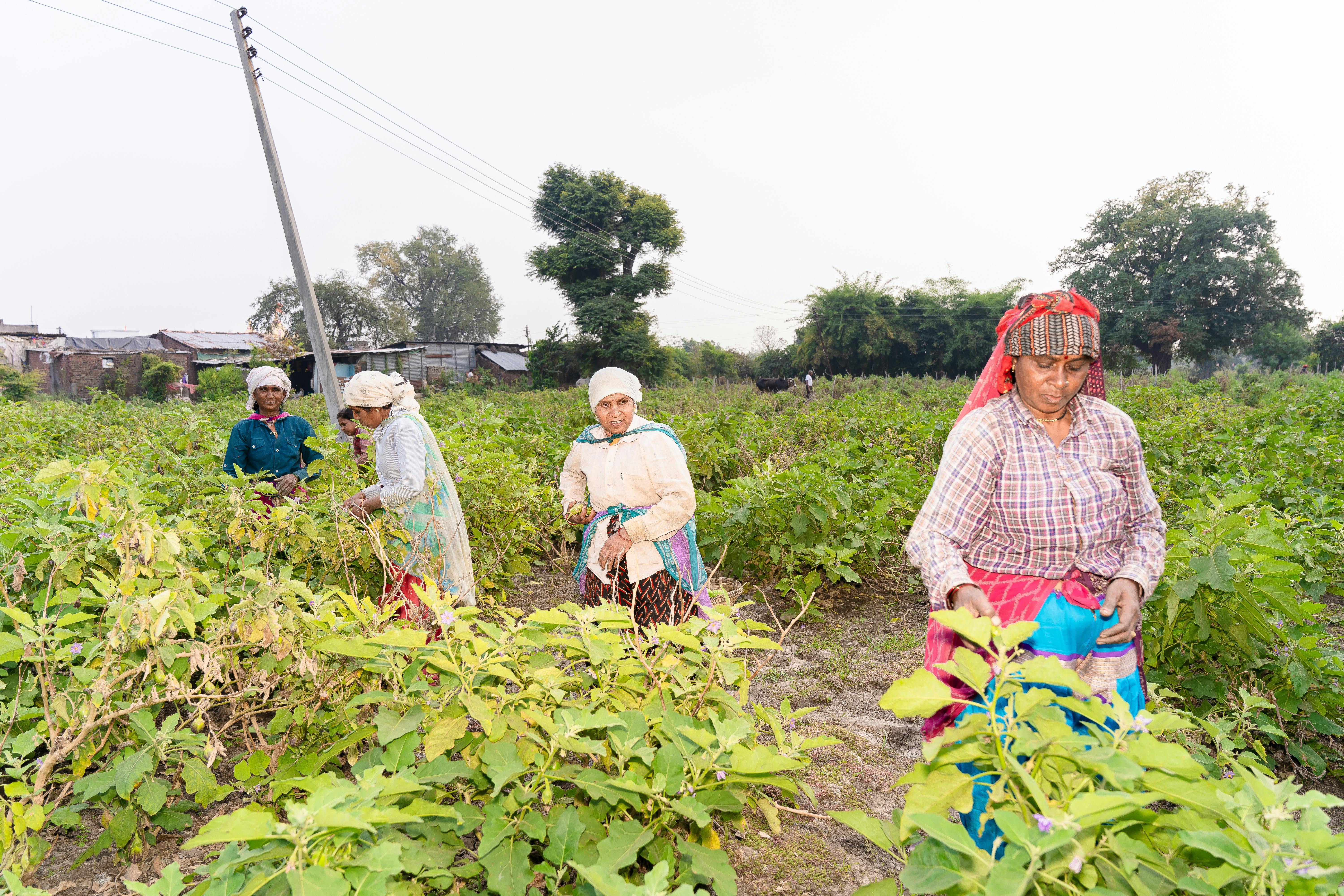
Kenya's agricultural sector, the backbone of its economy, contributes significantly to the national GDP and employs a large percentage of the population. However, decades of intensive farming, coupled with the widespread use of synthetic fertilizers, have taken a toll on soil fertility. Studies show that many agricultural lands in Kenya suffer from depleted organic matter, compacted soils, and an imbalanced pH, largely attributed to the persistent application of acid-forming fertilizers. The reliance on DAP, while initially providing a quick nutrient boost, has inadvertently led to long-term soil degradation, making it harder for crops to thrive.
Organic farming in Kenya has gained significant momentum in recent years, as more farmers and consumers recognize its benefits for both environmental sustainability and human health (CSHEP Kenya). This growing interest is not just a trend but a strategic response to the pressing challenges of climate change and food security. Sustainable agriculture practices, such as conservation tillage, crop rotation, and agroforestry, are increasingly being adopted to enhance soil health, improve crop yields, and promote the conservation of natural resources. Initiatives like the Sustain Africa program in Kenya are actively promoting the integration of organic fertilizers and input manufacturers into soil health management plans to enhance agricultural productivity sustainably. This collective movement underscores a commitment to reclaiming and revitalizing Kenya's precious agricultural land.
Key Insights or Strategies

Transitioning to sustainable soil health requires a multi-faceted approach, integrating modern scientific understanding with traditional ecological wisdom. Here are key strategies and actionable steps to revitalize your farm's soil:
1. Precision Soil Analysis and pH Management
Understanding your soil's current state is the first and most critical step. Regular soil testing provides invaluable data on pH, nutrient levels, and organic matter content. This information empowers farmers to make informed decisions, targeting specific deficiencies rather than applying generic fertilizer blends. Soil pH is particularly crucial as it dictates nutrient availability; highly acidic or alkaline soils lock up essential elements, making them inaccessible to plants.
Accurate soil data reduces guesswork, minimizes waste, and ensures your efforts are concentrated where they're most needed.
2. Maximizing the Power of Organic Compost
Compost is black gold for your soil. It improves soil structure, increases water retention, enhances nutrient availability, and fosters a thriving microbial community. Moving away from heavy DAP use means embracing nutrient cycling through organic matter.
Compost enriches the soil's biological, chemical, and physical properties, making it more resilient and productive.
3. Harnessing Biochar for Long-Term Soil Fertility
Biochar, a charcoal-like substance produced from biomass pyrolysis, is gaining recognition for its remarkable ability to improve soil health and carbon sequestration. Its porous structure provides a habitat for beneficial microbes and helps retain water and nutrients.
Biochar's effects are long-lasting, contributing to improved soil fertility for many years.
4. Unleashing Phosphate-Solubilizing Microbes
Many soils, despite containing phosphate, have it in forms unavailable to plants. Phosphate-solubilizing microbes (PSMs) are microscopic heroes that convert insoluble phosphate into plant-available forms, effectively mining nutrients already present in your soil.
This biological approach reduces the need for external phosphate fertilizers, saving costs and promoting a healthier soil microbiome.
By integrating these strategies, Kenyan farmers can build a robust foundation for sustainable agriculture. Explore sustainable organic farming solutions with Biofarm Kenya to discover more tailored approaches and resources.
Case Studies, Examples, or Comparisons
Across Kenya, innovative farmers are demonstrating the tangible benefits of sustainable soil health practices. Their success stories serve as powerful testaments to the efficacy of these methods, inspiring others to transition away from conventional, chemical-intensive farming.
Consider the story of Agnes Mwangangi, a smallholder farmer in Machakos County. For years, Agnes struggled with declining maize yields and increasing fertilizer costs. Her soil, compacted and acidic from continuous DAP application, barely supported her crops. After attending a local agricultural training on organic farming techniques, Agnes decided to adopt composting and integrate phosphate-solubilizing microbes. She started a large compost pile using farm waste, animal manure, and kitchen scraps. Within two seasons, her soil's organic matter content significantly improved, and her maize plants showed remarkable vigor. Agnes reported a 20% increase in yield, with healthier plants more resistant to common pests. She significantly reduced her DAP input, cutting fertilizer costs by nearly 40% (Kenya Ministry of Agriculture, Livestock, Fisheries and Cooperatives Report, 2023). Her farm now serves as a demonstration site for neighboring farmers.
Another compelling example comes from the Rift Valley, where a cooperative of avocado farmers implemented biochar application alongside drip irrigation systems. Their soils, previously prone to erosion and nutrient leaching, saw a dramatic improvement in water retention and nutrient availability. The biochar, produced from local agricultural waste, also helped to sequester carbon, contributing to climate change mitigation efforts. The Food and Agriculture Organization (FAO) highlights similar initiatives, emphasizing the critical role of sustainable soil management in enhancing food security and mitigating climate change impacts in sub-Saharan Africa (FAO, 2021). These farmers observed not only an increase in avocado fruit size and quality but also a reduction in irrigation water usage by up to 30%, showcasing the multi-faceted benefits of integrated sustainable practices.
These case studies underscore a vital lesson: sustainable soil health is not a compromise on productivity but rather an investment in long-term resilience and profitability. By focusing on nourishing the soil, Kenyan farmers are building more robust and sustainable agricultural systems, securing their future and contributing to national food security.
Common Mistakes to Avoid
While the transition to sustainable soil health practices is rewarding, farmers can encounter pitfalls. Awareness of common mistakes can help avoid setbacks and ensure a smoother journey towards healthier soils and higher yields.
By being mindful of these common errors and proactively implementing the corrections, Kenyan farmers can navigate their journey towards sustainable soil health with greater confidence and success.
Expert Tips or Best Practices
Adopting sustainable soil health practices is a continuous learning process. Here are expert tips and best practices, tailored for Kenyan farmers, to ensure robust yields and resilient land:
These expert tips, combined with consistent effort, will transform your soil into a vibrant, productive ecosystem. For more in-depth guidance and resources, explore sustainable organic farming solutions with Biofarm Kenya .
Future Trends or Predictions
The future of agriculture in Kenya is poised for significant transformation, driven by a confluence of technological advancements, ecological imperatives, and evolving consumer demands. Sustainable soil health practices will remain at the core of these innovations, with new trends further enhancing efficiency and productivity.
One major trend is the rise of smart irrigation systems. Leveraging sensors, artificial intelligence (AI), and weather data, these systems will precisely deliver water to crops based on real-time needs, minimizing waste and optimizing moisture levels in the soil. This level of precision will be crucial for maintaining soil health, preventing both waterlogging and drought stress, and ensuring efficient nutrient uptake, especially as climate patterns become more unpredictable.
Furthermore, AI-driven crop monitoring and precision agriculture will become more accessible. Drones equipped with multispectral cameras will analyze crop health, detect nutrient deficiencies, and identify pest infestations with unprecedented accuracy. This data will allow farmers to apply targeted interventions, whether it's a specific organic amendment or a biological pest control, reducing overall input use and promoting a healthier environment for soil microorganisms. The integration of big data and machine learning will empower farmers with predictive analytics, allowing them to anticipate challenges and optimize their farming strategies.
Finally, the development of advanced bio-stimulants and enhanced microbial inoculants will continue to grow. These products will offer more targeted solutions for nutrient solubilization, stress tolerance, and root development, further reducing the reliance on synthetic fertilizers and pesticides. Biotechnology research will lead to new strains of microbes specifically adapted to Kenyan soil conditions, offering tailored solutions for local challenges. These advancements collectively point towards a future where Kenyan agriculture is not only highly productive but also inherently regenerative and sustainable.
Conclusion
The journey to boost Kenyan yields through sustainable soil health is not just a strategic agricultural shift; it is a fundamental re-commitment to the land that sustains us. As we have explored, the challenges posed by conventional farming practices, particularly the heavy reliance on DAP fertilizers, demand innovative, evidence-based solutions. By embracing practices such as rigorous soil pH testing, optimizing organic compost recipes, integrating biochar, and leveraging the power of phosphate-solubilizing microbes, farmers can reduce their environmental footprint while simultaneously enhancing their farm's productivity and resilience.
The benefits extend far beyond the immediate harvest: healthier soils lead to more nutritious crops, reduced input costs, increased water retention, and a more robust ecosystem capable of withstanding the impacts of climate change. The success stories from Kenyan farmers adopting these methods serve as powerful inspiration, demonstrating that a transition to sustainable agriculture is not only possible but also profitable.
The future of Kenyan agriculture lies in nurturing the very foundation of our food system – the soil. By investing in its health, we invest in our future, ensuring food security and prosperity for generations to come. Discover trusted organic farming tools on Amazon and learn more about sustainable solutions with Biofarm Kenya .
FAQs
Q1: What are the main impacts of heavy DAP fertilizer use on Kenyan soils?
Heavy and prolonged use of Diammonium Phosphate (DAP) fertilizer in Kenyan soils often leads to increased soil acidification due to the ammonium component, which releases hydrogen ions into the soil. This lowered pH can lock up essential nutrients like phosphorus, iron, and zinc, making them unavailable to plants, despite their presence in the soil. It also contributes to reduced microbial activity, soil compaction, and a decline in organic matter, ultimately leading to decreased long-term soil fertility and lower crop yields. Learn more about soil health research at KALRO.
Q2: How does organic compost improve soil health compared to synthetic fertilizers?
Organic compost significantly improves soil health by adding a diverse range of organic matter, which synthetic fertilizers lack. Compost enhances soil structure, increasing aeration and water retention capacity, and reduces soil erosion. It feeds beneficial soil microorganisms, fostering a healthy microbiome that aids in nutrient cycling, disease suppression, and overall plant vigor. Unlike synthetic fertilizers that provide a quick but often imbalanced nutrient boost, compost releases nutrients slowly and steadily, providing long-term soil enrichment. Read about environmental benefits of organic farming from NEMA.
Q3: What is biochar and how does it contribute to sustainable soil management?
Biochar is a stable form of charcoal produced from the pyrolysis (heating in the absence of oxygen) of biomass, such as agricultural waste. When incorporated into soil, biochar acts like a sponge due to its highly porous structure. It improves water retention, reduces nutrient leaching, and provides an ideal habitat for beneficial soil microbes. Biochar also helps to sequester carbon, contributing to climate change mitigation, and can effectively raise soil pH in acidic soils over time. Its effects are long-lasting, often improving soil fertility for decades. Discover biochar applications with Biofarm Kenya.
Q4: How can phosphate-solubilizing microbes reduce the need for DAP?
Phosphate-solubilizing microbes (PSMs) are beneficial microorganisms that have the ability to convert insoluble forms of phosphate in the soil into forms that are readily available for plant uptake. Many soils naturally contain large reserves of phosphate, but it is often bound in forms that plants cannot access. By introducing PSMs, farmers can unlock these existing phosphate reserves, effectively reducing the need for external phosphate fertilizers like DAP. This biological process not only saves costs but also promotes a healthier, more active soil ecosystem. Explore the role of soil biodiversity with FAO.
Q5: What are the key steps for effective soil pH testing and adjustment?
Effective soil pH testing involves taking representative soil samples from different areas of your farm, ideally at various depths. These samples should then be sent to an accredited agricultural laboratory for accurate analysis. Alternatively, rapid on-site kits can provide preliminary results. Based on the test results: if the soil is too acidic (low pH), apply agricultural lime to raise the pH. If it's too alkaline (high pH), incorporate organic matter like compost or use elemental sulfur to lower the pH. Always follow recommended application rates to avoid over-correction and re-test periodically to monitor changes. Find reliable soil testing services through Biofarm Kenya.
Q6: What role do indigenous knowledge and traditional farming practices play in sustainable soil health in Kenya?
Indigenous knowledge and traditional farming practices hold invaluable insights for sustainable soil health in Kenya. Practices like intercropping, terracing, crop rotation, traditional composting methods, and the use of local plant materials for soil enrichment have been developed over generations to suit specific local conditions. These practices often prioritize ecological balance, biodiversity, and nutrient recycling, fostering long-term soil fertility without reliance on external chemical inputs. Integrating this rich indigenous knowledge with modern scientific understanding can lead to highly effective and locally appropriate sustainable agricultural solutions, ensuring resilience and cultural relevance. Learn more about local agricultural initiatives from the Ministry of Agriculture.


0 Comments