

Estimated Reading Time: 9 minutes
Table of Contents
- Introduction: Cultivating Resilience in Kenya's Arid LandsBackground & Context: The Foundation of Kenyan AgricultureKey Insights & Strategies: Nurturing Soil for Sustained YieldsCase Studies & Examples: Kenyan Farmers Leading the WayCommon Mistakes to Avoid: Safeguarding Your Soil's FutureExpert Tips & Best Practices: Elevating Your Farm's PotentialFuture Trends & Predictions: Innovating for Tomorrow's FarmsConclusion: A Sustainable Harvest for KenyaFAQs: Your Questions on Soil Health & Drought Crops Answered
Introduction: Cultivating Resilience in Kenya's Arid Lands
In the heart of East Africa, Kenyan farmers stand at the forefront of a profound agricultural transformation. With a climate increasingly defined by unpredictable rainfall and prolonged dry spells, the reliance on drought-resistant crops has become a necessity. However, current trends show Kenyan farmers increasingly adopt drought-resistant crops, but recent studies reveal over-reliance may harm soil health. This guide trains farmers to balance crop selection with advanced moisture retention techniques. The long-term viability of our farms hinges not just on what we plant, but how we nurture the very ground beneath our feet. This article delves into crucial strategies that empower farmers to boost soil health for balanced drought crops, ensuring sustainable farm yields and enhanced resilience against climate change.
The challenge is clear: how do we ensure food security while protecting our most valuable asset – the soil? The answer lies in a holistic approach that integrates traditional wisdom with modern sustainable practices. By understanding and implementing strategies that enhance soil structure, organic matter content, and water retention capabilities, we can cultivate a robust foundation for future generations.
Background & Context: The Foundation of Kenyan Agriculture
Kenya's agricultural sector is the backbone of its economy, contributing significantly to the Gross Domestic Product and providing livelihoods for a majority of the rural population. However, climate change presents formidable challenges, particularly in the form of recurrent droughts that threaten food security and economic stability.

The push towards sustainable agriculture in Kenya is not merely an environmental choice but an economic imperative. Organic farming practices, focusing on soil fertility and biodiversity, are gaining traction as farmers seek alternatives to conventional methods that can degrade soil over time. Data from the Ministry of Agriculture, Livestock, Fisheries and Cooperatives indicates a growing interest in climate-smart agriculture, with initiatives aimed at improving soil organic carbon and water use efficiency. Research by KALRO (Kenya Agricultural and Livestock Research Organization) consistently highlights the benefits of organic soil amendments in improving soil structure and nutrient cycling, crucial for regions prone to aridity.
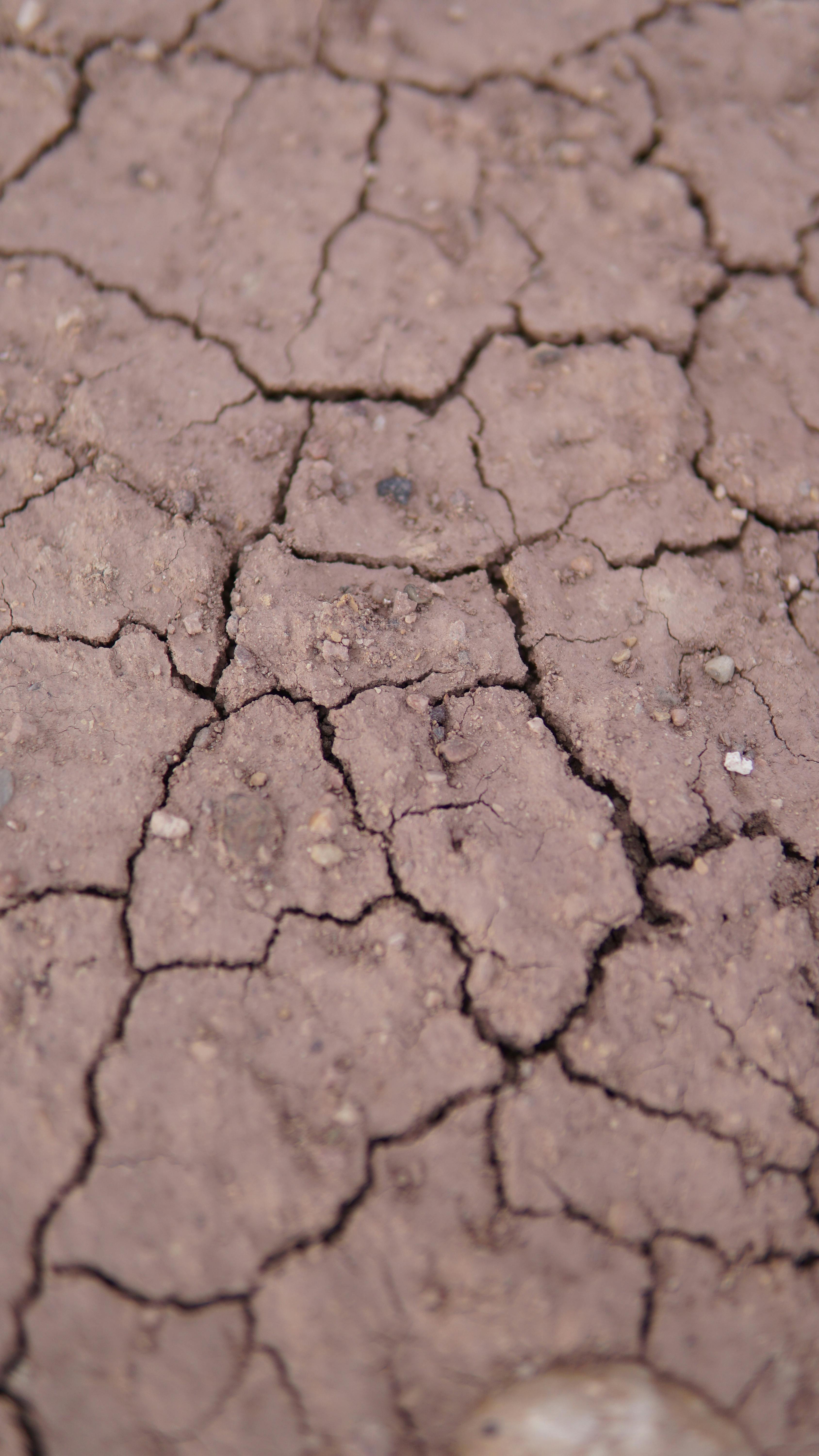
Understanding the intricate relationship between soil health and drought resilience is paramount. Healthy soil acts like a sponge, absorbing and retaining water, making it available to plants even during dry periods. Conversely, degraded soil, lacking organic matter, struggles to hold moisture, exacerbating the impact of drought on crops.
Key Insights & Strategies: Nurturing Soil for Sustained Yields
Achieving a balance between drought-resistant crop cultivation and robust soil health requires strategic interventions. These steps are designed to build a resilient farming system that can withstand climatic shocks.
1. Integrating Cover Crops to Boost Soil Organic Matter
Cover crops are game-changers for soil health. By keeping the soil covered, they prevent erosion, suppress weeds, and, most importantly, add organic matter when incorporated into the soil. Key steps include:
To effectively monitor your soil's progress and ensure your cover cropping efforts are paying off, consider using a reliable soil testing kit. Boost your yields with the 3-in-1 Soil pH, Moisture & Light Meter – available on Amazon. This essential tool provides insights into pH levels, moisture content, and light intensity, guiding your soil management decisions.
2. Implementing Zai Pits for Enhanced Infiltration
Zai pits are a traditional, yet highly effective, water harvesting technique particularly suited for semi-arid regions. These small, hand-dug planting pits improve water infiltration and concentration.
For farmers looking to maximize water retention in their zai pits and other planting areas, incorporating specialized additives can be highly beneficial. Enhance your soil's capacity to hold water with Water Storing Crystal Soil Additive Commercial Grade – available on Amazon. These granules absorb hundreds of times their weight in water, slowly releasing it to plant roots.
3. Rotating Drought-Resistant Varieties with Nitrogen-Fixers
Crop rotation is a foundational principle of sustainable agriculture that prevents soil degradation and nutrient depletion.
By integrating these strategies, Kenyan farmers can move beyond mere survival in drought conditions to thriving, productive, and truly sustainable agricultural systems. To learn more about comprehensive organic farming practices and discover innovative solutions tailored for the Kenyan context, explore sustainable organic farming solutions with Biofarm Kenya.
Case Studies & Examples: Kenyan Farmers Leading the Way
Across Kenya, innovative farmers are demonstrating the power of sustainable soil management in the face of drought. Their successes serve as powerful examples for the wider agricultural community.
In Kitui County, a region often grappling with water scarcity, the Mwende family farm transformed its dryland cultivation through the strategic use of zai pits and cover crops. Previously experiencing erratic yields from maize and beans, they adopted drought-resistant sorghum and green grams, planted in compost-enriched zai pits. They also integrated mucuna as a cover crop during fallow periods. Within three seasons, their yields for sorghum increased by over 150%, and the soil showed marked improvements in moisture retention and organic matter content, as reported by a local extension officer from the Ministry of Agriculture. This approach exemplifies how 'soil health over crop type' strategies can revolutionize productivity even in challenging environments.
Another inspiring example comes from a women's cooperative in Machakos County, which embraced conservation agriculture principles, including minimum tillage and crop rotation. By reducing soil disturbance and rotating drought-tolerant crops like cassava with cowpeas, they significantly reduced soil erosion and enhanced water infiltration. This cooperative has become a model for neighboring communities, demonstrating how community-led initiatives, supported by organizations like the FAO, can lead to sustainable food production and economic empowerment. The FAO's recent reports on climate-smart agriculture often highlight such grassroots innovations as critical for building resilience in vulnerable regions.
Common Mistakes to Avoid: Safeguarding Your Soil's Future
While the path to sustainable soil health is clear, certain pitfalls can hinder progress. Avoiding these common mistakes is crucial for long-term success.
Expert Tips & Best Practices: Elevating Your Farm's Potential
To truly thrive in Kenya's evolving agricultural landscape, farmers must adopt a proactive and informed approach to soil management. These expert tips are designed to enhance your farm's resilience and productivity.
Efficient water management is a cornerstone of sustainable farming, especially when balancing drought crops with soil health. For precise and economical water delivery, consider investing in an automated system. Maintain healthy soil with Raindrip R875CT Hose-End Smart Water Sprinkler Timer – available on Amazon. This smart timer helps optimize water usage, ensuring your crops get exactly what they need without wastage, crucial for both water conservation and preventing soil nutrient leaching. To further your knowledge and access cutting-edge organic farming techniques and resources, explore sustainable organic farming solutions with Biofarm Kenya.
Future Trends & Predictions: Innovating for Tomorrow's Farms
The future of Kenyan agriculture is bright with innovation, with several trends poised to transform farming practices and enhance resilience against climate change. Embracing these advancements will be key to long-term sustainability.
These trends point towards a future where technology and ecological principles work hand-in-hand to create highly productive, resource-efficient, and environmentally sound agricultural systems.
Conclusion: A Sustainable Harvest for Kenya
Balancing the cultivation of drought crops with robust soil health is not just a best practice; it's the cornerstone of a resilient and prosperous agricultural future for Kenya. By diligently implementing strategies such as integrating cover crops like mucuna to significantly boost soil organic matter (a 30% water retention increase), adopting effective water harvesting techniques like zai pits with compost (leading to 200% yield improvements), and practicing strategic crop rotations, farmers can transform their fields into bastions of productivity, even in the face of climatic adversity.
The journey towards sustainable farming is continuous, requiring dedication, informed decision-making, and a commitment to nurturing our natural resources. As we've explored, the benefits extend far beyond individual farms, contributing to national food security, environmental protection, and economic stability. Discover trusted organic farming tools on Amazon and learn more about sustainable solutions with Biofarm Kenya. Embrace these practices, and together, we can cultivate a greener, more resilient Kenya for generations to come.
FAQs: Your Questions on Soil Health & Drought Crops Answered
Soil health is paramount because even drought-resistant crops need some moisture to thrive. Healthy soil, rich in organic matter, acts like a sponge, significantly improving water retention and infiltration. This makes the limited rainfall or irrigation more effective, ensuring that water is available to plant roots for longer periods, thus enhancing the resilience and productivity of drought crops. Learn more about boosting Kenya's agriculture through sustainable practices.
Effective cover crops for Kenya's semi-arid regions include legumes like mucuna (velvet bean), lablab, and sunn hemp, which are excellent for nitrogen fixation and biomass production. Cereal cover crops such as sorghum or millet can also provide good soil coverage and organic matter. These crops protect the soil from erosion, suppress weeds, and enrich the soil when incorporated. Explore KALRO's research on suitable cover crops for Kenyan conditions.
Zai pits are a micro-catchment technique that significantly enhances water infiltration and concentration around the plant's root zone. By collecting rainwater and directing it to a smaller area, especially when enriched with compost, they ensure that crops receive sufficient moisture even during dry spells. This localized water and nutrient availability can dramatically improve crop establishment, growth, and overall yields, often by over 200% in trials. Discover more about water harvesting techniques from FAO.
Crop rotation prevents soil degradation by breaking pest and disease cycles, balancing nutrient uptake, and improving soil structure. By alternating drought-resistant crops with different nutrient requirements (e.g., cereals) with nitrogen-fixing legumes, farmers can naturally replenish soil fertility, reduce the need for synthetic fertilizers, and foster a diverse, healthy soil microbiome. Consult the Ministry of Agriculture, Kenya for guidelines on crop rotation.
Yes, absolutely. While planting drought-resistant crops is a necessary first step, focusing on 'soil health over crop type' strategies is what ensures long-term food security. Healthy soil maximizes the potential of any crop, making it more resilient to stress, more efficient in nutrient and water uptake, and ultimately, more productive. This holistic approach builds sustainable agricultural systems capable of withstanding future climate challenges. Read about innovations transforming Kenya's agriculture for sustainability.
Kenyan farmers can find reliable information and support from several sources. Government agricultural extension services, local NGOs focused on sustainable development, research institutions like KALRO, and community farmer field schools are excellent resources. Additionally, platforms like Biofarm Kenya provide valuable insights, resources, and partner links for sustainable organic farming solutions. Explore sustainable organic farming solutions with Biofarm Kenya.
1. https://farmonaut.com/africa/boosting-kenyas-agriculture-how-sustainable-practices-are-transforming-soil-health-and-crop-yields
2. https://www.kalro.org/
3. https://www.fao.org/conservation-agriculture/en/
4. https://www.agriculture.go.ke/
5. https://kimbumbugarden.com/farming/transforming-kenyas-agriculture-innovations-driving-sustainable-farming-practices/
6. https://www.greenlife.co.ke/sustainable-agriculture-in-kenya/
1. https://biofarmkenya.link/partners
2. https://biofarmkenya.link/organic-fertilizers
3. https://biofarmkenya.link/drought-resistant-seeds
4. https://biofarmkenya.link/soil-testing-services
5. https://biofarmkenya.link/water-management-solutions
6. https://biofarmkenya.link/training-workshops


0 Comments