

Estimated Reading Time: 9 minutes
TL;DR:
No-till farming with cover crops is a game-changer for Kenyan farmers, boosting soil health, water retention, and crop yields. By minimizing soil disturbance and planting resilient leguminous cover crops like lablab or cowpeas, farmers can effectively combat soil degradation and adapt to erratic rainfall patterns. This approach can lead to significant yield increases, as demonstrated by studies, and builds vital climate resilience for agricultural systems. Implementing these practices requires careful planning but offers measurable long-term benefits for both productivity and environmental sustainability.
Key Takeaways:
- Implement no-till to preserve soil structure, reduce erosion, and enhance water infiltration.
- Integrate leguminous cover crops (e.g., lablab, cowpeas) to naturally fix nitrogen, suppress weeds, and improve soil organic matter.
- Adopt precise planting techniques compatible with no-till systems to ensure optimal seed-to-soil contact.
- Monitor soil health regularly using simple testing methods to adjust management practices effectively.
- Embrace diversified cropping systems alongside no-till to enhance biodiversity and farm resilience.
Table of Contents
- Introduction
- Background & Context
- Key Insights or Strategies
- Case Studies, Examples, or Comparisons
- Common Mistakes to Avoid
- Expert Tips or Best Practices
- Future Trends or Predictions
- Conclusion
- FAQs
Introduction
In the dynamic agricultural landscape of East Africa, Kenyan farmers are increasingly adopting no-till combined with leguminous cover crops to combat soil degradation and erratic rainfall. This innovative approach offers a sustainable pathway to enhance productivity and secure food systems against the backdrop of climate change. Traditional tilling practices, while historically prevalent, often strip the soil of its vitality, leading to erosion, nutrient loss, and diminished water retention capabilities. This guide trains farmers to implement the practice by: 1) Selecting drought-resistant cover crops like lablab or cowpeas to fix nitrogen and retain soil moisture; 2) Mastering no-till planting techniques to preserve soil structure; 3) Using a KALRO study showing 30% yield increases in maize over 3 years. By challenging conventional tilling practices and offering measurable climate resilience, no-till farming with cover crops is proving to be a powerful tool for a more sustainable and prosperous agricultural future in Kenya.
Background & Context
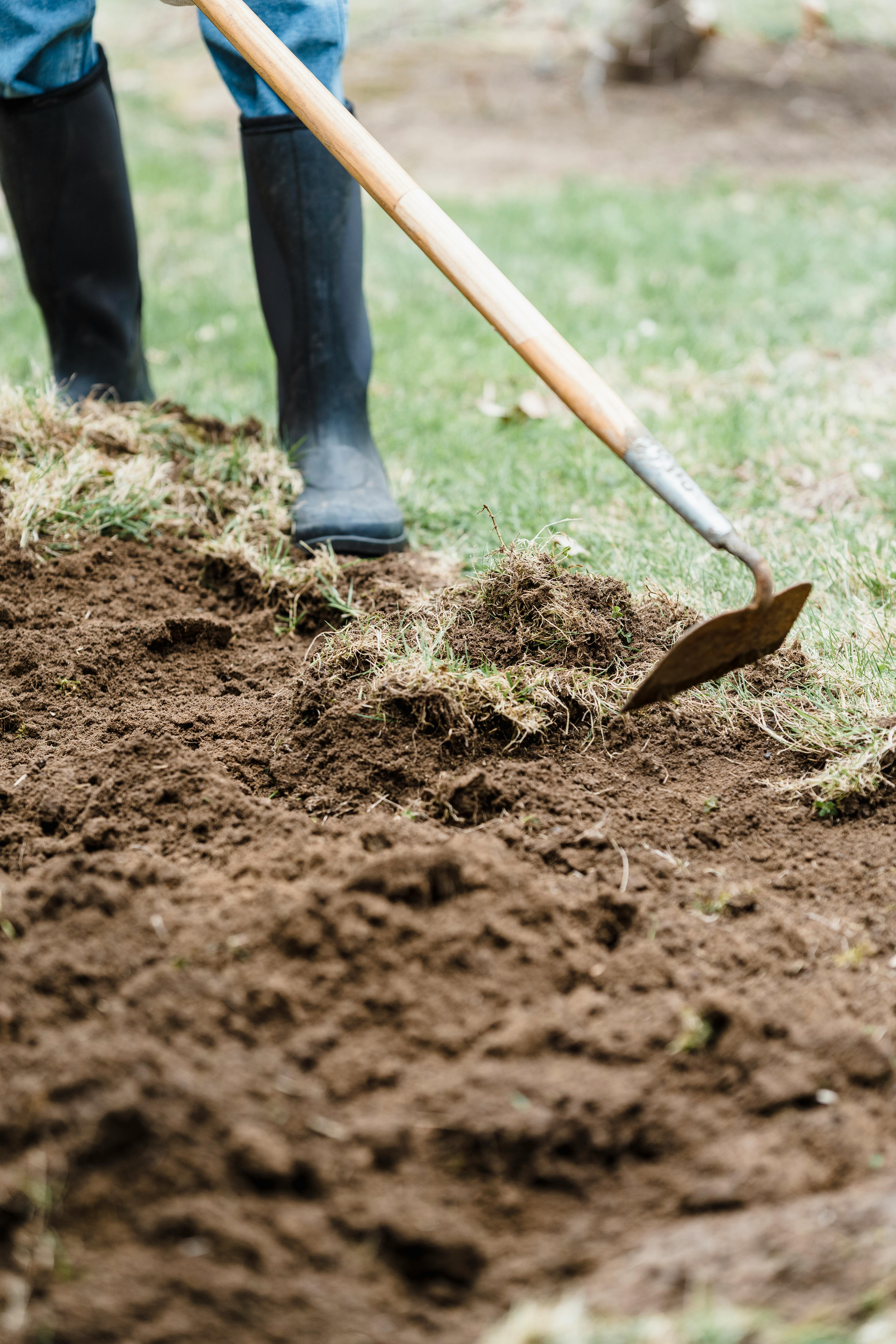
Kenya's agricultural sector forms the backbone of its economy, contributing significantly to the GDP and employing a large portion of the population. However, it faces persistent challenges, including declining soil fertility, exacerbated by conventional farming methods, and the increasingly unpredictable nature of rainfall. Soil degradation is a critical concern, with studies indicating widespread loss of topsoil and organic matter across many farming regions. This not only reduces crop yields but also diminishes the land's capacity to store carbon and absorb water, making farms more vulnerable to both droughts and floods.
The urgency to transition towards more sustainable agricultural practices has never been greater. Organic farming, while gaining traction, emphasizes a holistic approach to land management, prioritizing soil health, biodiversity, and ecological balance. No-till farming, a cornerstone of conservation agriculture, aligns perfectly with these principles by advocating for minimal soil disturbance. When combined with the strategic use of cover crops, it offers a robust solution to enhance soil structure, replenish nutrients, and improve water use efficiency, thereby building resilience in farming systems throughout Kenya.
Key Insights or Strategies
Embracing Minimal Soil Disturbance for Healthier Soils
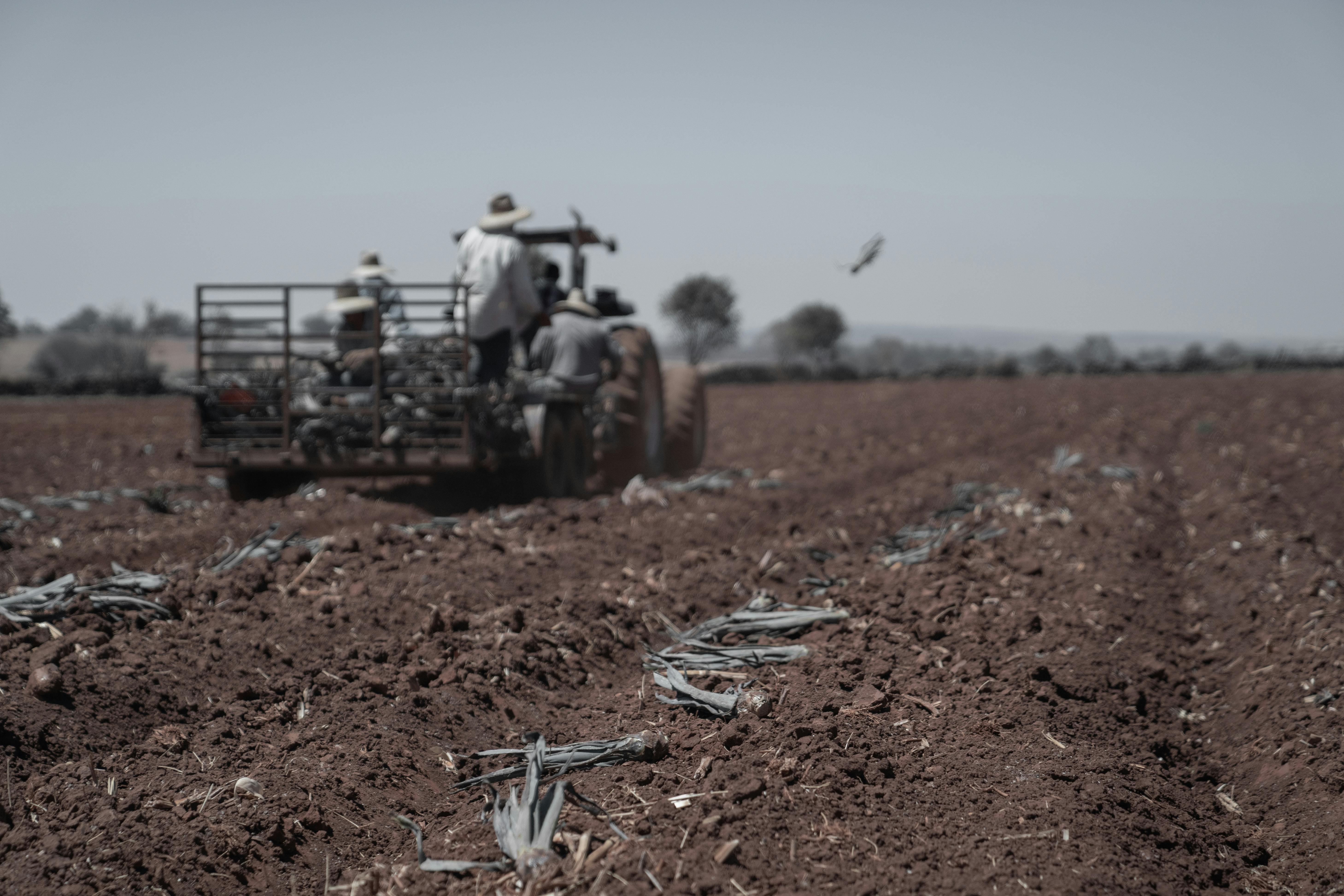
The principle of no-till is simple: leave the soil undisturbed. This practice allows soil microorganisms to thrive, maintains intricate fungal networks, and prevents the breakdown of organic matter that occurs with plowing. The benefits are profound, leading to better soil aggregation, improved water infiltration, and reduced erosion.
- Cease Tilling: Transition from conventional plowing or harrowing to direct planting. This requires specialized planters that can cut through crop residue and place seeds effectively.
- Manage Residue: Leave crop residues on the soil surface. This acts as a protective mulch, suppressing weeds, moderating soil temperature, and preventing moisture evaporation.
- Observe Soil Structure: Regularly dig small pits to observe the development of soil structure, earthworm activity, and root penetration, which are indicators of improving soil health.
For farmers keen on understanding their soil's foundation, investing in a reliable testing kit is crucial. Boost your yields and make informed decisions with the Atree Soil pH Meter and Moisture Tester – available on Amazon . This simple tool helps assess crucial soil parameters.
Integrating Leguminous Cover Crops for Natural Fertilization
Cover crops are the unsung heroes of no-till farming. Leguminous varieties, in particular, have a remarkable ability to fix atmospheric nitrogen into the soil, significantly reducing the need for synthetic fertilizers. They also add organic matter, improve soil structure, and suppress weeds.
- Select Drought-Resistant Legumes: In Kenya's climate, choices like lablab (Dolichos lablab), cowpeas (Vigna unguiculata), or mucuna (Mucuna pruriens) are excellent. These thrive in dry conditions, provide valuable forage, and contribute nitrogen.
- Plant Strategically: Plant cover crops after the main harvest or intercrop them with your primary cash crops. Ensure they establish well before the dry season or next planting cycle.
- Terminate Effectively: Depending on your system, cover crops can be terminated by rolling, crimping, or naturally dying back. Avoid tilling them in.
To further enrich your soil and support vigorous cover crop growth, consider supplementing with organic nutrients. Maintain healthy soil with Neptune's Harvest Organic Fish & Seaweed Fertilizer – available on Amazon .
Explore sustainable organic farming solutions with Biofarm Kenya for more insights into cover crop selection and management.
Case Studies, Examples, or Comparisons
Across Kenya, a growing number of farmers are experiencing firsthand the transformative power of no-till farming. In Western Kenya, for instance, a group of smallholder maize farmers, traditionally reliant on intensive plowing, transitioned to no-till combined with cowpea cover crops. Over three seasons, they reported a noticeable improvement in soil friability, reduced weeding efforts, and a significant increase in water retention during dry spells. Critically, these farmers observed maize yield increases ranging from 15% to 25%, directly attributing this success to improved soil health and consistent moisture availability.
A comprehensive study by the Kenya Agricultural and Livestock Research Organization (KALRO) on maize production across various agro-ecological zones provided compelling evidence. The KALRO study, conducted over a three-year period, specifically compared conventional tillage with no-till systems incorporating leguminous cover crops. The findings were conclusive: farms utilizing no-till and cover crops consistently showed a 30% yield increase in maize compared to conventionally tilled plots, alongside substantial improvements in soil organic carbon content and reduced input costs for fuel and labor. This demonstrates the measurable economic and environmental benefits for Kenyan farmers.
Furthermore, comparisons with regions still heavily reliant on conventional tilling highlight the stark contrast. Areas with extensive plowing often face severe soil erosion, particularly during heavy rains, leading to gullies, nutrient runoff into waterways, and desertification. Farmers in these areas frequently report declining yields, increased susceptibility to drought, and higher operational costs due to continuous soil preparation. The move towards no-till offers not just an alternative, but a necessary paradigm shift for long-term agricultural sustainability in Kenya.
Common Mistakes to Avoid
Adopting no-till farming, while highly beneficial, requires a shift in mindset and practices. Avoiding common pitfalls can ensure a smoother transition and maximize the benefits.
- Inadequate Residue Management: One of the biggest mistakes is failing to leave sufficient crop residue on the soil surface. Residue is crucial for moisture retention, weed suppression, and soil protection. Removing it for fodder or burning negates many no-till benefits. Ensure you leave at least 30% residue cover.
- Ignoring Soil Compaction (Initial Phase): If your soil is severely compacted from years of conventional tillage, simply switching to no-till might not immediately resolve deep compaction issues. Consider a one-time deep ripping (subsoiling) without inversion to break up hardpans before fully committing to no-till.
- Poor Cover Crop Selection: Choosing the wrong cover crop for your specific agro-ecological zone and farm objectives can be detrimental. Some cover crops might consume too much water, become invasive, or not provide the desired benefits. Research local recommendations and experiment on a small scale.
- Lack of Weed Management Strategy: While cover crops help with weed suppression, no-till often requires a proactive and integrated weed management plan. Relying solely on cover crops without considering other methods (like precise herbicides if non-organic, or manual weeding for organic systems) can lead to initial weed challenges.
- Improper Planter Setup: No-till planters require specific adjustments to handle crop residue and ensure proper seed placement and soil contact. Incorrect settings can lead to poor germination and uneven stands. Invest time in learning how to calibrate and operate no-till equipment correctly.
- Neglecting Soil Fertility Monitoring: While leguminous cover crops fix nitrogen, other nutrients (phosphorus, potassium, micronutrients) still need to be monitored. Assuming cover crops will solve all fertility issues without regular soil testing can lead to deficiencies.
Expert Tips or Best Practices
Successfully implementing no-till with cover crops in Kenya demands a nuanced approach, blending global best practices with local wisdom. Here are some expert tips to guide your journey towards higher yields and greater resilience:
- Start Small and Learn: Don't convert your entire farm at once. Begin with a smaller plot to experiment with different cover crop varieties, planting methods, and residue management techniques. This allows you to learn from experience and adapt before scaling up.
- Diversify Cover Crops: While legumes are excellent nitrogen fixers, consider incorporating a mix of cover crops. Grasses (like oats or millet) offer excellent biomass for organic matter, and broadleaves (like radishes) can help break up compaction with their taproots. A diverse mix builds richer soil.
- Prioritize Soil Testing: Regular soil testing (at least every 2-3 years) is non-negotiable. It provides crucial insights into pH, nutrient levels, and organic matter content, allowing you to make targeted amendments. This precision farming approach saves money and improves efficacy.
- Proper Equipment Calibration: If using a no-till planter, ensure it is correctly calibrated for your seed size and soil conditions. This guarantees optimal seed depth and spacing, which is vital for consistent crop stands.
- Harness Local Knowledge: Engage with agricultural extension officers, local successful no-till farmers, and farmer groups. Their practical experience and insights into local soil types and climatic variations are invaluable.
- Consider Integrated Pest Management (IPM): No-till systems, with their increased biodiversity, often foster natural pest control. However, remain vigilant and integrate IPM strategies to manage any emerging pest or disease challenges without resorting to harmful chemicals.
For efficient water use, especially in variable climates, consider adopting smart irrigation solutions. Invest in a reliable MIER Drip Irrigation System Kit – available on Amazon , which delivers water directly to the plant roots, minimizing waste. For more advanced sustainable practices and tools, explore sustainable organic farming solutions with Biofarm Kenya .
Future Trends or Predictions
The future of agriculture in Kenya is poised for significant transformation, with sustainable practices at its core. No-till farming, combined with advancements in technology, will play a pivotal role in shaping resilient and productive food systems.
One major trend is the increased adoption of precision agriculture technologies. This includes GPS-guided no-till planters that ensure optimal seed placement and nutrient application, minimizing waste and maximizing efficiency. Drone technology is also emerging for monitoring crop health, identifying areas needing attention, and even applying biological inputs, further reducing soil disturbance.
Smart irrigation systems, leveraging sensors and AI-driven analytics, will become more common, optimizing water use, especially crucial in water-scarce regions. These systems can deliver the precise amount of water needed, preventing both over- and under-irrigation, a perfect complement to the moisture-retaining benefits of no-till and cover crops.
The development of region-specific cover crop varieties, tailored to Kenya's diverse agro-ecological zones, is another exciting prospect. Research institutions are continually working on drought-tolerant, high-biomass cover crops that can thrive in local conditions and provide maximum benefits to farmers.
Furthermore, the integration of carbon farming initiatives will incentivize farmers to adopt no-till and cover cropping. As these practices sequester carbon in the soil, Kenyan farmers may soon be able to participate in carbon credit markets, generating additional income while contributing to global climate change mitigation efforts. This economic incentive will undoubtedly accelerate the transition to sustainable methods.
Conclusion
The journey towards higher yields and greater resilience for Kenyan farmers is intrinsically linked to the adoption of sustainable practices, with no-till combined with leguminous cover crops standing out as a cornerstone strategy. By minimizing soil disturbance, protecting vital soil structure, and harnessing the natural power of cover crops to fix nitrogen and retain moisture, farmers can significantly enhance their productivity and build robust defenses against the escalating challenges of soil degradation and erratic rainfall. As demonstrated by KALRO studies, this approach offers tangible benefits, including substantial yield increases and improved soil health. The future of farming in Kenya hinges on such intelligent, ecologically sound decisions that prioritize the long-term vitality of the land and the prosperity of its people. Embrace these transformative methods to cultivate a resilient and bountiful agricultural future.
Discover trusted organic farming tools on Amazon and learn more about sustainable solutions with Biofarm Kenya .
FAQs
Q1: What are the primary benefits of no-till farming for Kenyan farmers?
A1: The primary benefits include improved soil structure, increased soil organic matter, enhanced water infiltration and retention, reduced soil erosion, lower fuel and labor costs, and ultimately, higher and more stable crop yields, especially in the face of erratic rainfall. It also contributes to carbon sequestration, mitigating climate change. (Source: FAO - Conservation Agriculture)
Q2: Which cover crops are best suited for no-till systems in Kenya?
A2: Drought-resistant leguminous cover crops such as lablab (Dolichos lablab), cowpeas (Vigna unguiculata), mucuna (Mucuna pruriens), and even some local varieties of pigeon pea (Cajanus cajan) are highly recommended for their nitrogen-fixing capabilities and ability to thrive in Kenyan conditions. Non-leguminous options like pearl millet or sorghum can also be used for biomass. (Source: KALRO - Kenya Agricultural and Livestock Research Organization)
Q3: How does no-till farming help combat erratic rainfall and drought in Kenya?
A3: No-till farming, especially when combined with cover crops, significantly improves the soil's capacity to absorb and retain moisture. The undisturbed soil develops better porosity, and the surface residue acts as a mulch, reducing evaporation. This makes crops more resilient during dry spells and prevents runoff during heavy rains, ensuring more water is available for plant growth. (Source: Biofarm Kenya - Water Management Solutions)
Q4: What equipment is needed to start no-till farming?
A4: While specialized no-till planters are ideal for larger operations, smallholder Kenyan farmers can adapt by using hand jab planters or direct seeding tools that create a small opening for seeds without disturbing the bulk of the soil. A roller-crimper can also be a useful tool for terminating cover crops without tilling. (Source: Ministry of Agriculture, Livestock, Fisheries and Cooperatives, Kenya)
Q5: Can organic farmers effectively use no-till methods?
A5: Absolutely. No-till is a foundational principle of organic and regenerative agriculture. Organic farmers using no-till rely heavily on cover cropping for weed suppression and fertility, and biological methods for pest control, avoiding synthetic inputs. Manual weeding or cultural practices are used instead of herbicides to manage weeds. (Source: Biofarm Kenya - Organic Farming Guides)
Q6: How long does it take to see the benefits of no-till farming?
A6: While some benefits like reduced erosion and improved water infiltration can be observed within the first year, significant improvements in soil organic matter, nutrient cycling, and consistent yield increases often become more apparent after 3-5 years of continuous no-till and cover crop management. It's a long-term investment in soil health. (Source: NEMA - National Environmental Management Authority, Kenya)
Internal Biofarm Kenya Links:


0 Comments