

Estimated Reading Time: 11 minutes
Introduction: Reaping Richer Harvests with Sustainable Maize Farming
Maize, often referred to as 'Kenya's staple,' forms the backbone of food security and livelihoods for millions of households across the nation. However, traditional farming practices and the impacts of climate change have led to diminishing soil fertility and increased vulnerability to pests and diseases. This challenge has driven a critical need for innovative, sustainable agricultural solutions.
This comprehensive guide will equip you with the knowledge and practical strategies to transform your maize farm into a productive, resilient, and environmentally friendly enterprise. Join us as we explore the proven methods that lead to sustainable prosperity in Kenyan agriculture.
Background & Context: The Shifting Landscape of Kenyan Agriculture

Kenya's agricultural sector is vital, contributing significantly to the Gross Domestic Product (GDP) and employing a large portion of the population. Despite its importance, the sector faces numerous hurdles, including unpredictable weather patterns, declining soil health, and persistent pest pressure. Maize, being the primary food crop, is particularly susceptible to these challenges, often leading to food insecurity.
The good news is that sustainable agriculture, especially organic farming, is on a steady rise across Kenya. According to recent surveys, the number of organic farms in Kenya has seen a substantial increase, growing from 8,004 in 2007 to an impressive 62,626 in 2022. This surge reflects a growing awareness among farmers and consumers about the long-term benefits of chemical-free food and ecological balance. The market demand for organic produce is booming, making it a highly profitable venture for small-scale and commercial farmers alike.
This shift towards sustainable practices is not just an environmental imperative; it's an economic opportunity. By adopting methods like intercropping, farmers can improve soil fertility, conserve water, and reduce reliance on expensive external inputs, all while meeting the growing demand for healthy, sustainably grown food.
Key Insights & Strategic Intercropping for Resilience
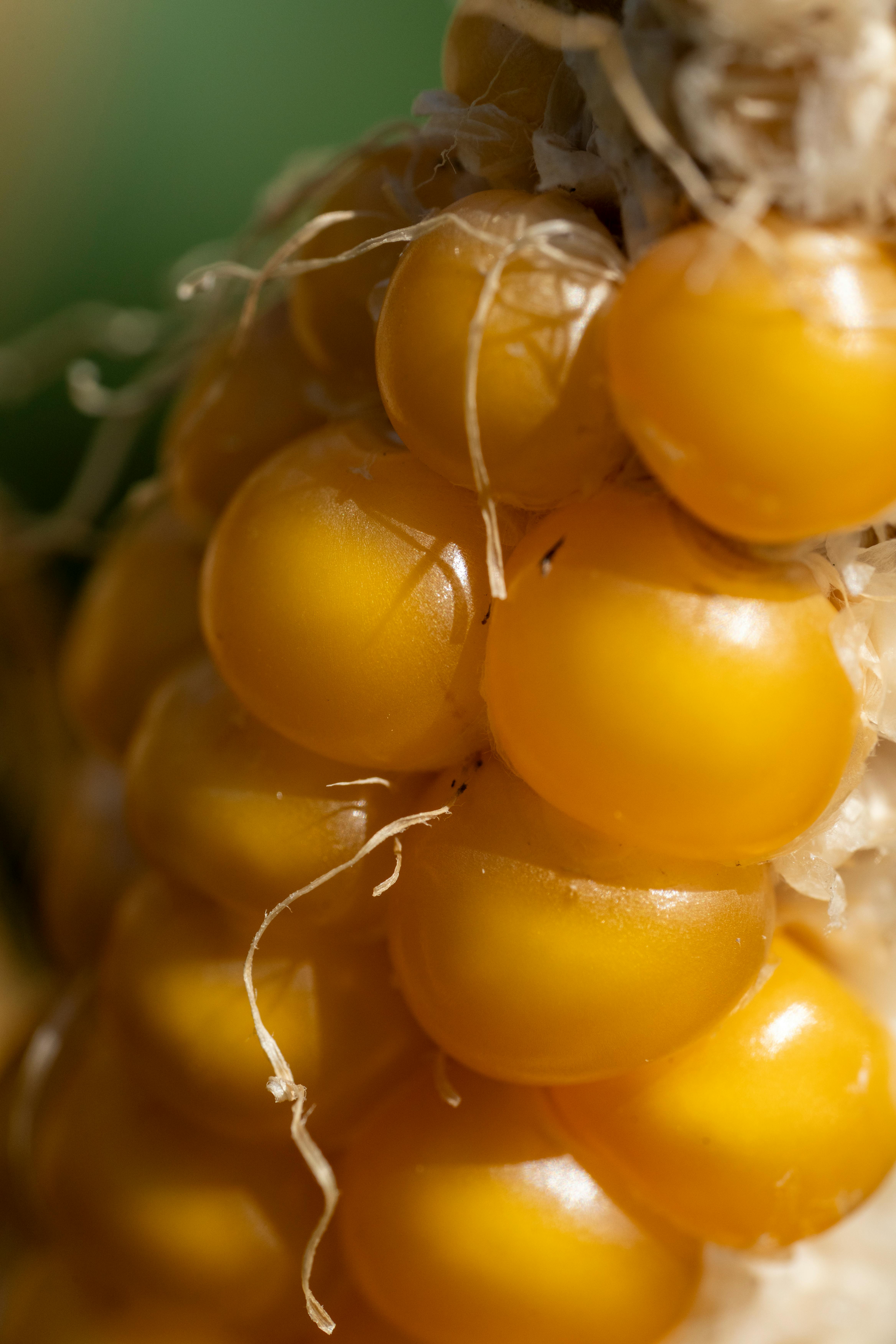
Intercropping, the practice of growing two or more crops simultaneously on the same field, is a cornerstone of sustainable maize farming. When executed strategically, it provides multiple benefits that address the critical challenges faced by Kenyan farmers.
Enhancing Soil Fertility and Nutrient Cycling
Leguminous crops like beans, groundnuts, and cowpeas are natural nitrogen fixers, enriching the soil and reducing the need for synthetic nitrogen fertilizers. When intercropped with maize, these legumes provide a continuous supply of essential nutrients.
Pest and Disease Management through Diversification
Monoculture creates an ideal environment for pests and diseases to proliferate. Intercropping disrupts this cycle by introducing diverse plant species, confusing pests, and fostering beneficial insects.
Efficient Soil Moisture Management
Water scarcity is a constant threat in many parts of Kenya. Intercropping can significantly improve soil moisture retention and utilization.
For deeper insights into creating a thriving, sustainable farm, Explore sustainable organic farming solutions with Biofarm Kenya .
Case Studies: Kenyan Farmers Leading the Sustainable Revolution
Across Kenya, innovative farmers are demonstrating the tangible benefits of adopting sustainable maize farming practices. Their successes serve as powerful testaments to the potential of intercropping and ecological farming.
In Western Kenya, a group of smallholder farmers, supported by initiatives from the Kenya Agricultural and Livestock Research Organization (KALRO) and international partners like CIMMYT, have successfully adopted maize-bean intercropping systems. Farmers like Muli Mutiso, a trial host farmer in Wote, Kenya, reported doubling his harvest of maize and beans by strategically intercropping. This method not only increased grain yields but also significantly improved soil health and reduced the incidence of common maize pests.
Another compelling example comes from the semi-arid regions, where farmers have integrated drought-tolerant legumes such as green grams (mung beans) or pigeon peas with maize. These legumes provide ground cover, conserve soil moisture, and offer an additional food source, enhancing food security and income resilience. The Ministry of Agriculture and Livestock Development actively promotes such climate-smart agricultural practices to build resilience among vulnerable farming communities. The FAO, in its reports on maize production in Kenya, often highlights the importance of diversified cropping systems to overcome stagnation in yields experienced since the 1990s, advocating for practices that improve soil health and resilience.
These case studies underscore a vital truth: sustainable farming is not just an ideal but a practical, profitable reality for Kenyan farmers. By observing and learning from these pioneers, other farmers can successfully transition to more resilient and productive agricultural systems.
Common Mistakes to Avoid in Sustainable Maize Cultivation
While the transition to sustainable maize farming offers immense benefits, farmers often encounter pitfalls that can hinder their progress. Awareness and proactive avoidance of these common mistakes are key to success.
Over-reliance on a Single Cover Crop
Many farmers adopt maize-cover crop rotations, which is a good start. However, an over-reliance on a single cover crop, even a nitrogen-fixing legume, can lead to nutrient imbalances over time and may not effectively break all pest cycles. Diversify your cover crop choices and consider mixtures of legumes and grasses to reap broader benefits for soil health and pest control.
Inadequate Soil Testing and Neglecting Soil pH
Guessing soil needs is a recipe for suboptimal yields. Without regular soil testing, farmers may apply amendments unnecessarily or, more critically, fail to address deficiencies. Neglecting soil pH can render even the best fertilizers ineffective, as nutrient availability is highly pH-dependent. Always test your soil and understand its specific requirements.
Poor Residue Management
Burning crop residues is a detrimental practice that destroys valuable organic matter, releases carbon into the atmosphere, and kills beneficial soil microorganisms. Instead, chop and incorporate residues into the soil or use them as mulch. This enriches the soil, improves its structure, and conserves moisture.
Ignoring Integrated Pest Management (IPM) Principles
Simply avoiding synthetic pesticides isn't enough; a holistic approach to pest management is crucial. Relying solely on natural predators without understanding pest life cycles, crop resistance, and cultural controls can lead to outbreaks. Implement a comprehensive IPM strategy that includes monitoring, biological controls, and cultural practices like timely planting and appropriate crop rotations.
Inefficient Water Use
While rainfed agriculture is common, supplementary irrigation, especially during critical growth stages, can significantly boost yields. However, inefficient irrigation methods waste precious water. Avoid flood irrigation where possible and instead explore water-saving techniques like drip irrigation. This delivers water directly to the plant roots, minimizing loss to evaporation and runoff.
Expert Tips & Best Practices for Enhanced Maize Production
Achieving sustained yield growth in maize requires a blend of traditional wisdom and modern, science-backed practices. Here are expert tips tailored for Kenyan farmers seeking to optimize their sustainable maize cultivation.
1. Embrace Diverse Intercropping Patterns
Don't just intercrop; experiment with different patterns. Research by KARI and other institutions suggests that alternating two rows of maize with two rows of a leguminous crop (e.g., beans, cowpeas) can optimize space utilization and nutrient exchange. This maximises the benefits of nitrogen fixation and pest deterrence.
2. Prioritize Soil Health Above All
Healthy soil is the foundation of a productive farm. Regularly add organic matter through compost, well-rotted manure, and crop residues. This improves soil structure, water retention, and microbial activity. To kickstart this process, consider using Down To Earth All Natural Fertilizers Organic Vegetable & Garden Fertilizer to nourish your soil and plants.
3. Adopt Precision Nutrient Management
Beyond nitrogen from legumes, maize also requires phosphorus and potassium. Use leaf color charts and tissue analysis to identify nutrient deficiencies early. Apply organic fertilizers or bio-fertilizers judiciously based on soil test results, ensuring your plants get exactly what they need, when they need it. For a consistent supply of nutrients, liquid organic fertilizers can be highly effective; for example, Grow 3-1-2 Organic Liquid Fertilizer provides a balanced feed.
4. Implement Efficient Water Management Systems
Water is a precious resource. Explore and adopt efficient irrigation methods. Drip irrigation systems, even on a small scale, can reduce water usage by up to 70% compared to traditional methods, delivering water directly to the root zone and minimizing waste. For small farms, a well-designed Drip Irrigation Kit for Small Farms can be a game-changer for water conservation and yield consistency.
5. Monitor Pests and Diseases Proactively
Regular scouting of your maize fields for early signs of pests and diseases is crucial. Learn to identify common threats like Fall Armyworm and maize streak virus. Early detection allows for timely and targeted interventions, often using biological controls or organic pest management techniques, before infestations become widespread.
To further your knowledge and gain access to cutting-edge organic farming resources, Explore sustainable organic farming solutions with Biofarm Kenya .
Future Trends: Innovating for a Bountiful Tomorrow
The future of maize farming in Kenya is poised for exciting transformations driven by technological advancements and a deeper commitment to sustainability. These emerging trends promise to further enhance productivity, resource efficiency, and climate resilience for farmers.
Smart Irrigation and Water Management
Beyond basic drip systems, smart irrigation technologies are on the horizon. These systems use soil moisture sensors, weather data, and even satellite imagery to deliver precise amounts of water at optimal times, minimizing waste and maximizing efficiency. This will be particularly crucial in Kenya’s arid and semi-arid lands (ASALs), ensuring every drop counts.
AI-Driven Crop Monitoring and Analytics
Artificial Intelligence (AI) and machine learning are set to revolutionize crop monitoring. Drones equipped with multispectral cameras can detect early signs of pest infestations, nutrient deficiencies, or disease outbreaks across large fields, providing farmers with actionable insights in real-time. This allows for proactive interventions, reducing crop losses and optimizing resource application.
Vertical Farming and Protected Agriculture
While large-scale vertical farming for maize may be some way off, protected agriculture, such as high-tech greenhouses, is gaining traction for high-value crops. For maize, this could translate into controlled environments for seed propagation or specialized high-yield varieties, especially in urban or peri-urban settings where land is scarce. These systems offer protection from harsh weather and pests, enabling year-round production.
Enhanced Bio-fertilizers and Bio-pesticides
Research and development in bio-fertilizers and bio-pesticides are accelerating. These natural, environmentally friendly alternatives will become even more sophisticated, offering targeted solutions for nutrient delivery and pest control, further reducing the need for synthetic chemicals and supporting organic certification efforts. The focus will be on harnessing beneficial microbes and plant extracts for stronger, healthier maize plants.
Conclusion: Cultivating Prosperity, Sustainably
The journey to achieving 30% yield growth in sustainable maize farming in Kenya is not just a dream but a tangible goal within reach for every farmer. By strategically adopting intercropping with legumes and grasses, prioritizing soil health, mastering water management, and embracing modern agricultural insights, Kenyan farmers can transform their fields into thriving, resilient ecosystems. The KARI-backed trials provide compelling evidence that these modified rotations are not just environmentally sound but economically rewarding, offering a pathway to greater food security and financial stability.
Moving beyond conventional methods means embracing innovation and a holistic approach to farming. It means nurturing the soil, understanding crop synergies, and making informed decisions that benefit both the land and your livelihood. As we've seen, success stories from across Kenya highlight the immense potential when farmers are equipped with the right knowledge and tools.
To continue your journey towards a more productive and sustainable farm, discover trusted organic farming tools on Amazon and learn more about sustainable solutions with Biofarm Kenya . Together, we can cultivate a greener, more prosperous future for Kenyan agriculture.
FAQs on Sustainable Maize Farming in Kenya
1. What are the best intercropping combinations for maize in Kenya?
The best intercropping combinations for maize in Kenya often involve legumes like beans, groundnuts, cowpeas, or pigeon peas. These crops fix nitrogen in the soil, benefiting the maize, and also help in pest deterrence. For specific regional recommendations and further details on successful crop pairings, refer to resources from the Kenya Agricultural and Livestock Research Organization (KALRO).
2. How can I improve soil moisture retention in my maize farm?
Improving soil moisture retention involves several practices: incorporating organic matter (compost, manure, crop residues), using cover crops to provide ground cover and reduce evaporation, and implementing water-efficient irrigation systems like drip irrigation. Techniques such as minimum tillage or no-tillage also help maintain soil structure, which aids in water infiltration and retention. FAO Kenya reports often emphasize these water conservation methods.
3. What are the key indicators of soil degradation in maize fields?
Key indicators of soil degradation include reduced crop yields over time, increased soil erosion (visible runoff or dust storms), compaction (hardened soil, poor water penetration), loss of organic matter (pale soil color, poor aggregation), and increased incidence of pests and diseases. Regular soil testing can provide early warnings of nutrient depletion and pH imbalances.
4. How do KARI-backed methods contribute to 30% yield gains?
KARI-backed methods for yield gains primarily focus on integrated approaches, including optimized intercropping patterns, improved germplasm (disease-resistant and high-yielding maize varieties), precision nutrient management based on soil analysis, and effective pest and disease control strategies. The 30% yield gain observed in 2024 trials is a result of combining these elements into a comprehensive sustainable farming system.
5. What is the role of residue management in sustainable maize farming?
Residue management, such as chopping and incorporating maize stalks and other crop residues back into the soil, is crucial. It adds organic matter, improves soil structure, enhances water retention, and provides a slow release of nutrients. This practice also helps suppress weeds and provides habitat for beneficial soil microorganisms. Avoid burning residues, as it depletes organic matter and releases greenhouse gases.
6. Where can I find more resources on organic farming practices in Kenya?
For more resources on organic farming practices in Kenya, you can visit the Biofarm Kenya blog, which offers a wealth of information and expert advice. Additionally, organizations like the Kenya Organic Agriculture Network (KOAN), KALRO, and the Ministry of Agriculture and Livestock Development provide guidelines, training, and support for farmers adopting organic and sustainable methods.




0 Comments