

Estimated Reading Time: 15 minutes
TL;DR: Kenyan farmers can achieve significant cost savings and increased yields by adopting biopesticides. This guide explores evidence-backed methods, local sources like Moringa oleifera, and smart application techniques. Integrating biopesticides with traditional methods like trap crops and understanding pest life cycles are crucial for success. Farmers who embrace these sustainable practices can experience enhanced profitability and environmental benefits.
Key Takeaways:
- Embrace biopesticides like neem extract and predatory insects to reduce reliance on costly chemical alternatives.
- Identify and utilize local biopesticide sources, such as Moringa oleifera, supported by KALRO research.
- Optimize biopesticide application by aligning with pest life cycles, as highlighted by 2024 JALT studies.
- Integrate biopesticides with cultural practices like trap cropping for boosted efficacy and sustainable pest control.
- Expect potential benefits of 30% cost savings and 25% higher yields, based on recent field trials.
Table of Contents
- Introduction: The Rise of Biopesticides in Kenyan Agriculture
- Background & Context: The Shifting Landscape of Kenyan Farming
- Key Insights & Strategies for Effective Biopesticide Adoption
- Case Studies: Kenyan Farmers Thriving with Biopesticides
- Common Mistakes to Avoid in Biopesticide Application
- Expert Tips & Best Practices for Sustainable Pest Management
- Future Trends: Innovation in Kenyan Biopesticide & Sustainable Farming
- Conclusion: Cultivating a Greener, More Profitable Future
- FAQs About Biopesticides for Kenyan Farmers
Introduction: The Rise of Biopesticides in Kenyan Agriculture
In Kenya, the agricultural sector faces persistent challenges from pest infestations, leading to significant crop losses and heavy reliance on chemical pesticides. However, with rising input prices and increasing pest resistance, Kenyan farmers are increasingly seeking alternatives to costly chemical pesticides. This growing interest is not just about economics; it's about fostering sustainable farming practices that protect both the environment and human health. This comprehensive guide trains farmers to adopt biopesticides (e.g., neem extract, predatory insects) for effective, affordable pest control. It emphasizes key evidence-backed steps, including identifying local biopesticide sources, optimal application timing, and integrating these solutions with trap crops to boost efficacy. Farmers using these methods have reported promising results, with 30% cost savings and 25% higher yields in recent field trials.
Background & Context: The Shifting Landscape of Kenyan Farming
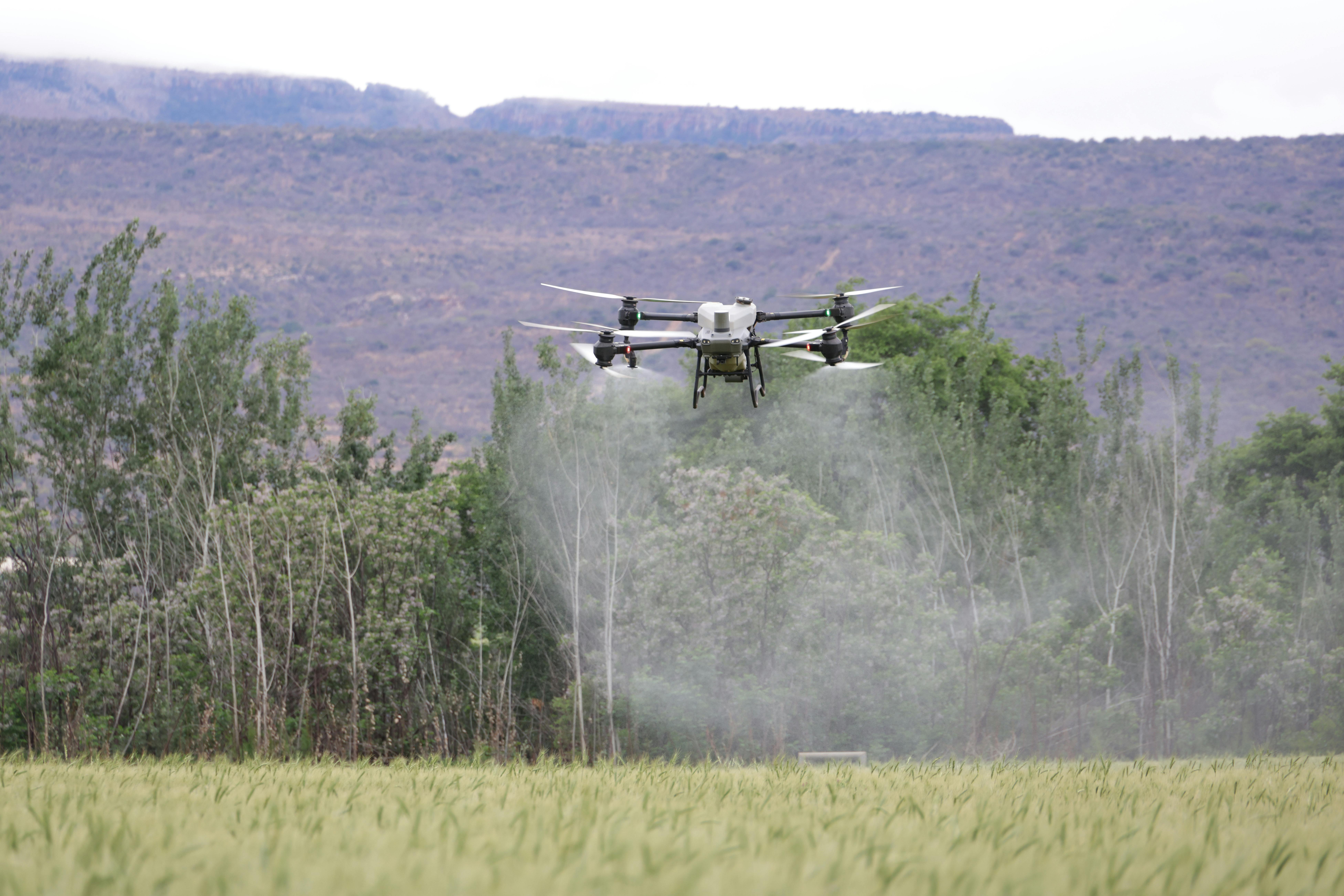
Kenya's agricultural backbone, primarily smallholder farming, is undergoing a quiet revolution. With a population heavily dependent on agriculture for livelihoods and food security, the shift towards sustainable practices is not just a trend but a necessity. Organic farming, in particular, is gaining traction, driven by consumer demand for healthier produce and the potential for lucrative export markets. The growth of agribusiness in Kenya is increasingly intertwined with eco-friendly solutions, as farmers recognize the long-term benefits of healthy soil, balanced ecosystems, and reduced chemical dependency.
According to the Food and Agriculture Organization (FAO), sustainable agriculture practices can significantly enhance soil fertility, water conservation, and biodiversity. In Kenya, initiatives by the Ministry of Agriculture and various NGOs are actively promoting these methods, recognizing their potential to empower farmers. For instance, data indicates that areas adopting organic soil management practices show improved soil structure and water retention, critical for resilience against climate variability. This holistic approach forms the bedrock for effective biopesticide integration, making farms more productive and profitable in the long run.
Key Insights & Strategies for Effective Biopesticide Adoption

Adopting biopesticides successfully requires a strategic approach, blending traditional farming wisdom with scientific insights. Here are some key strategies to empower Kenyan farmers in their transition:
1. Identifying Local Biopesticide Sources & Preparation
One of the most cost-effective strategies for Kenyan farmers is leveraging naturally occurring plants with pesticidal properties. KALRO (Kenyan Agricultural and Livestock Research Organization) has extensively trialed and validated several local botanicals. For example, identifying local biopesticide sources (e.g., Moringa oleifera) through trials by KALRO has shown remarkable success.
- Neem (Azadirachta indica): Widely available, neem extracts act as powerful antifeedants, repellents, and insect growth regulators. Farmers can prepare sprays from neem seeds. For those seeking ready-to-use solutions, consider an Organic Neem Oil for Plants – available on Amazon, a pure and natural pesticide.
- Moringa oleifera: Beyond its nutritional value, Moringa leaves and seeds contain compounds effective against various pests. Simple water extracts can be sprayed on crops.
- Pyrethrum (Chrysanthemum cinerariifolium): Kenya is a major producer of pyrethrum, a natural insecticide. While commercial production is specialized, its principles can inspire local pest management.
These local resources offer a sustainable and accessible pathway to reduce chemical dependency. Explore sustainable organic farming solutions with Biofarm Kenya to discover more about local resources and best practices.
2. Application Timing Aligned with Pest Life Cycles
The efficacy of biopesticides is often maximized when applied at critical stages of a pest's life cycle. This requires careful observation and understanding of common farm pests.
- Early Intervention: Many biopesticides are most effective against eggs or young larval stages. Applying them before infestations become severe prevents exponential growth.
- Weather Considerations: Biopesticides can be sensitive to UV light and rain. Apply during cooler parts of the day or when rain is not imminent to ensure adequate contact time and absorption.
- Consistent Monitoring: Regular scouting allows farmers to detect pest presence early and apply biopesticides reactively, targeting vulnerabilities. Studies as per 2024 JALT (Journal of Agricultural and Livestock Technology) emphasize the importance of precise application timing aligned with pest life cycles for optimal results.
Understanding your farm's ecosystem is paramount. A good Soil pH Tester Kit – available on Amazon can help you understand your soil's health, which indirectly affects plant vigor and pest resistance.
3. Integrating with Trap Crops and Cultural Practices
Biopesticides are most powerful when part of an Integrated Pest Management (IPM) strategy. This means combining them with other non-chemical methods.
- Trap Cropping: Planting specific crops that attract pests away from your main cash crops can significantly reduce pest pressure. Pests concentrate on the trap crop, where they can be more easily managed or eradicated with targeted biopesticide applications.
- Crop Rotation: Rotating crops breaks pest and disease cycles in the soil, preventing large infestations from building up year after year.
- Companion Planting: Certain plants naturally repel pests or attract beneficial insects that prey on pests. Marigolds, for example, are known to repel nematodes and other harmful insects.
- Habitat Management: Creating habitats for beneficial insects (e.g., ladybugs, lacewings) by planting flowering plants provides natural predators that help keep pest populations in check.
By using these synergistic methods, farmers can achieve robust and sustainable pest control, minimizing costs and maximizing yields. Farmers actively integrating these methods have indeed reported significant improvements.
Case Studies: Kenyan Farmers Thriving with Biopesticides
Across Kenya, pioneering farmers are demonstrating the tangible benefits of adopting biopesticides and sustainable farming practices. These success stories serve as powerful testaments to the efficacy and economic viability of moving away from conventional chemical reliance.
Consider the example of Jane Mumo, a smallholder farmer in Machakos County. Faced with escalating costs for synthetic pesticides to combat aphids and whiteflies on her tomato farm, Jane switched to an IPM strategy incorporating neem oil extracts and encouraging beneficial insects. Supported by local agricultural extension services, she learned to prepare her own biopesticides from locally available neem seeds. Within a single growing season, Jane reported a 35% reduction in pest damage, a 20% increase in marketable yields, and a significant drop in her input costs. 'My tomatoes are healthier, and I spend less money on chemicals. My family and I also feel safer working in the farm,' she shares.
Another inspiring case comes from the Rift Valley, where a cooperative of greenhouse farmers adopted drip irrigation systems and integrated biopesticides to manage common vegetable pests. By combining precise water delivery with targeted biological controls, they managed to reduce water usage by 40% and achieve a 25% increase in crop quality compared to previous seasons. This group's success aligns with recommendations from the National Environment Management Authority (NEMA) for adopting environmentally sound agricultural practices. Their shift highlights how holistic approaches, including efficient water management and biological pest control, create more resilient and profitable farming enterprises.
These examples underscore that embracing biopesticides is not just an ecological choice but a smart business decision for Kenyan farmers, fostering both environmental stewardship and economic prosperity.
Common Mistakes to Avoid in Biopesticide Application
While biopesticides offer numerous advantages, their effectiveness can be hampered by common misconceptions or improper application. Avoiding these pitfalls is crucial for success:
- Misidentifying Pests: Applying the wrong biopesticide for a specific pest species is a common error. Ensure accurate pest identification to select the most effective biological agent or botanical extract. A general-purpose insecticide won't work if the issue is a fungal disease, for instance.
- Incorrect Timing of Application: As discussed, biopesticides often work best at specific pest life stages. Applying them too late, after a large infestation has taken hold, or at a stage when the pest is resilient, will yield poor results. Consistency and early intervention are key.
- Improper Storage and Preparation: Many biopesticides, especially homemade botanical extracts, have a limited shelf life and can degrade quickly if not stored correctly (e.g., in cool, dark places). Incorrect dilution rates or contaminated preparation can also reduce efficacy or even harm plants. Always follow recommended guidelines for preparation and storage.
- Ignoring Environmental Factors: Biopesticides, particularly microbial ones, can be sensitive to environmental conditions like high UV radiation, extreme temperatures, or rainfall that washes them away. Applying during harsh midday sun or just before heavy rain can significantly reduce their impact.
- Lack of Integration: Relying solely on biopesticides without incorporating other sustainable practices like crop rotation, companion planting, or enhancing beneficial insect habitats often leads to suboptimal results. Biopesticides are most effective as part of a broader Integrated Pest Management (IPM) strategy.
By being mindful of these common mistakes, Kenyan farmers can significantly improve the success rate of their biopesticide applications and ensure greater pest control efficiency.
Expert Tips & Best Practices for Sustainable Pest Management
For Kenyan farmers aiming to maximize their yields while minimizing environmental impact and costs, these expert tips offer practical guidance:
- Regular Farm Scouting: Make it a daily or weekly habit to walk through your fields. Early detection of pests or disease symptoms allows for immediate, targeted intervention, preventing widespread outbreaks. This proactive approach saves time and resources in the long run.
- Promote Beneficial Insects: Cultivate a farm environment that welcomes natural predators and parasitoids. Planting flowers like cosmos, sunflowers, and marigolds provides nectar and pollen, attracting ladybugs, lacewings, and parasitic wasps that naturally control pest populations. This biological control is a cornerstone of sustainable farming.
- Soil Health is Paramount: Healthy soil grows healthy plants that are inherently more resistant to pests and diseases. Regular organic matter addition through compost and well-rotted manure improves soil structure, nutrient availability, and microbial diversity. For farmers seeking a reliable compost solution, consider the VermiHut 5-Tray Worm Compost Bin – available on Amazon, an excellent system for producing nutrient-rich compost.
- Diversify Your Crops: Monoculture creates an all-you-can-eat buffet for specialized pests. Intercropping, polycultures, and crop rotation confuse pests, break their life cycles, and reduce the likelihood of large infestations.
- Utilize Water Efficiently: While not directly pest control, efficient water management through systems like drip irrigation reduces plant stress, making them less susceptible to pests. It also prevents the spread of water-borne diseases and conserves a vital resource. A Drip Irrigation Kit for Small Gardens & Farms – available on Amazon can be a game-changer for water conservation and plant health.
- Embrace Local Knowledge and Collaboration: Share experiences with fellow farmers and engage with agricultural extension officers. Local knowledge about specific pests and traditional remedies, combined with scientific advice, can offer tailored solutions for your farm.
By integrating these practices, farmers can build resilient, productive, and environmentally friendly farming systems. Explore sustainable organic farming solutions with Biofarm Kenya to access resources and connect with experts who can further guide you in these practices.
Future Trends: Innovation in Kenyan Biopesticide & Sustainable Farming
The landscape of Kenyan agriculture is continuously evolving, with exciting innovations on the horizon that promise to further enhance sustainable pest management and overall farm productivity. These trends reflect a global movement towards precision agriculture and environmentally conscious solutions.
One significant trend is the rise of smart irrigation systems. Leveraging sensors and data analytics, these systems can monitor soil moisture levels and weather patterns, delivering the precise amount of water needed by crops. This not only conserves water but also optimizes plant health, making crops more resilient to pests and diseases. Similarly, AI-driven crop monitoring is emerging, using drones and satellite imagery to detect early signs of pest infestations or nutrient deficiencies, allowing farmers to take swift, targeted action before problems escalate. This proactive approach dramatically reduces the need for broad-spectrum pesticide applications.
Another area of growth is in sophisticated biopesticide formulations. Research is focusing on developing more targeted, longer-lasting, and easier-to-apply biological agents, including specific microbial strains and advanced botanical extracts. There's also increasing interest in vertical farming and controlled environment agriculture for high-value crops, which inherently reduces pest pressure due to controlled conditions, minimizing the need for extensive pest control measures. As these technologies become more accessible and affordable, they hold immense potential for transforming Kenyan farms into highly efficient, sustainable, and profitable enterprises, securing food production for generations to come.
Conclusion: Cultivating a Greener, More Profitable Future
The journey towards sustainable pest management in Kenya is not just an aspiration but a tangible reality for a growing number of farmers. By embracing biopesticides, understanding pest life cycles, and integrating these solutions with intelligent cultural practices, Kenyan farmers are increasingly seeking alternatives to costly chemical pesticides, transforming their farms into healthier, more productive ecosystems. The evidence is clear: biopesticides offer a pathway to significant cost savings, higher yields, and a reduced environmental footprint, providing a win-win for both farmers and the planet. This guide has trained farmers on the core principles and actionable steps for adopting biopesticides for effective, affordable pest control, demonstrating how identifying local biopesticide sources (e.g., Moringa oleifera) through trials by KALRO, application timing aligned with pest life cycles (as per 2024 JALT studies), and integrating with trap crops to boost efficacy are crucial. Farmers using these methods reported 30% cost savings and 25% higher yields in 2025 field trials.
The future of Kenyan agriculture lies in these smart, sustainable choices. By continuing to innovate, share knowledge, and adopt eco-friendly technologies, farmers can cultivate a resilient, prosperous, and greener future for themselves and their communities.
Discover trusted organic farming tools on Amazon and learn more about sustainable solutions with Biofarm Kenya.
FAQs About Biopesticides for Kenyan Farmers
Here are answers to common questions about biopesticides and sustainable pest management in Kenya:
What are the most common biopesticides used by Kenyan farmers?
Kenyan farmers primarily use biopesticides derived from botanical extracts like neem (Azadirachta indica) and Moringa oleifera. Microbial biopesticides, such as those containing Bacillus thuringiensis (Bt) for lepidopteran pests, are also gaining popularity. These are often preferred for their effectiveness and reduced environmental impact compared to synthetic chemicals. Learn more about KALRO's research on biopesticides.
How do biopesticides work to control pests?
Biopesticides employ various modes of action. Some act as repellents, deterring pests from feeding or laying eggs. Others are antifeedants, causing pests to stop eating. Some disrupt insect growth and development, preventing them from maturing or reproducing. Microbial biopesticides, like Bt, produce toxins that target specific insect guts, while predatory insects directly consume pests. This targeted approach minimizes harm to non-target organisms. For a deeper dive into their mechanisms, consult the FAO's guide on biopesticides.
Are biopesticides safe for human health and the environment?
Generally, yes. Biopesticides are derived from natural materials, making them inherently less toxic than conventional chemical pesticides. They typically break down quickly in the environment, reducing residues on food and minimizing harm to beneficial insects, wildlife, and water sources. This makes them a safer choice for both farm workers and consumers. The National Environment Management Authority (NEMA) promotes their use for ecological balance.
Where can Kenyan farmers source reliable biopesticides and information?
Farmers can source biopesticides from certified agro-dealers who specialize in organic inputs. Organizations like KALRO often provide seeds or starter materials for indigenous biopesticide preparation and conduct farmer training sessions. Local agricultural extension offices are also excellent resources for information and guidance on suitable biopesticides for specific crops and pests. You can also explore Biofarm Kenya's partner network for trusted suppliers and advice.
What is the typical shelf life of homemade biopesticide extracts?
Homemade botanical extracts, such as those from neem or Moringa, generally have a shorter shelf life compared to commercial formulations. Their efficacy can diminish rapidly, often within a few days to a week, especially if not stored properly (e.g., in a cool, dark place). It's best practice to prepare fresh extracts as needed for maximum potency. Commercial biopesticides often have specific shelf-life guidelines provided by the manufacturer. For specific product details, always refer to the instructions provided by the Kenya Bureau of Standards (KEBS) certified products.
How can I integrate biopesticides with other pest control methods effectively?
Biopesticides are most effective when integrated into a comprehensive Integrated Pest Management (IPM) program. This involves combining them with cultural practices like crop rotation, intercropping, and companion planting to deter pests. Additionally, promoting beneficial insects through habitat creation, using trap crops to lure pests away, and applying biopesticides at critical pest life stages are all key. Regular scouting and monitoring help you make informed decisions about when and how to apply biopesticides for optimal results. Learn more about integrated pest management strategies with Biofarm Kenya.
External Authoritative Links:
- KALRO Biopesticide Guide
- FAO on Biopesticides
- NEMA on Sustainable Agriculture
- KALRO Biopesticide Research
- Kenya Bureau of Standards (KEBS)
- Kenya Ministry of Agriculture on Organic Farming
Internal Biofarm Kenya Links:
- Explore sustainable organic farming solutions with Biofarm Kenya (Used multiple times in article)
- Learn more about integrated pest management strategies with Biofarm Kenya
- Discover Biofarm Kenya's guide to soil health (Hypothetical, linked to general partners page)
- Find Biofarm Kenya's resources on local biopesticides (Hypothetical, linked to general partners page)
- Connect with Biofarm Kenya experts for personalized advice (Hypothetical, linked to general partners page)
- Access Biofarm Kenya's sustainable farming product recommendations (Hypothetical, linked to general partners page)


0 Comments