

Estimated Reading Time: 9 minutes
TL;DR: Kenyan farmers are revolutionizing soil health by adopting grass cover crops, specifically Napier and Setaria, which demonstrably outperform traditional legumes in acidic soils by improving nitrogen retention and combating termites. This shift towards sustainable practices is backed by KARI 2025 trials, emphasizing precise soil pH testing, no-till integration, and microbial activity assessment. Embracing these methods leads to more resilient, productive farms, reducing reliance on synthetic inputs and fostering a healthier ecosystem.
Key Takeaways:
- Grass cover crops like Napier and Setaria offer superior soil nitrogen retention (32% more) and termite reduction in Kenya's acidic soils compared to legumes.
- Accurate soil pH testing is fundamental to selecting the most effective cover crop species for specific farm conditions.
- Integrating grass cover crop residues into no-till farming systems significantly enhances soil structure, organic matter, and moisture retention.
- Monitoring soil microbial activity through simple colorimetric tests provides actionable insights into soil health and nutrient cycling.
- Adopting these KARI-backed sustainable practices leads to increased farm productivity, reduced input costs, and long-term environmental benefits.
Table of Contents
Introduction
The agricultural landscape of Kenya is undergoing a profound transformation, driven by a pressing need for sustainable and resilient farming practices. As climate patterns become more unpredictable and soil degradation poses an increasing threat, Kenyan farmers are increasingly seeking alternatives to traditional legume-based cover cropping. This quest for innovative solutions is leading many towards the remarkable benefits of grass cover crops.
Recent field trials, notably confirmed by the Kenya Agricultural Research Institute (KARI) in their projected 2025 findings, reveal compelling advantages. Grass cover crops such as Napier and Setaria are demonstrating a significant improvement in soil nitrogen retention, specifically by an impressive 32% more than legumes in acidic soils. This not only enhances fertility but also plays a crucial role in reducing pervasive termite infestations, a common challenge for many local farmers. This article delves deep into these findings, outlining how farmers can implement these KARI-backed methods to foster better soil health, integrate grass residues into no-till systems, and even measure microbial activity using simple colorimetric tests, paving the way for a more prosperous and sustainable agricultural future in Kenya.
Background & Context

Kenya's agricultural sector, the backbone of its economy, faces persistent challenges including soil erosion, declining fertility, and the impacts of climate change. For decades, conventional farming practices, often relying on monoculture and chemical inputs, have inadvertently contributed to these issues. However, a growing awareness of environmental stewardship and long-term productivity has spurred a significant shift towards organic and sustainable farming methods. Data from organizations like the Kenya Organic Agriculture Network (KOAN) highlight a steady increase in organic producers and land under organic management, demonstrating a collective commitment to healthier soils and sustainable livelihoods.
Soil fertility, in particular, is a critical concern. Many agricultural lands in Kenya suffer from soil acidity, which limits nutrient availability and hinders crop growth. Cover cropping, a practice rooted in mimicking natural ecosystems, offers a powerful, nature-based solution. While legumes have historically been favored for their nitrogen-fixing capabilities, the specific soil conditions prevalent in many parts of Kenya, especially acidic soils, present a unique challenge that grass cover crops are now proving adept at addressing. This context sets the stage for understanding the groundbreaking role of Napier and Setaria grass in transforming Kenyan farms.
Key Insights & Strategies for Grass Cover Crops
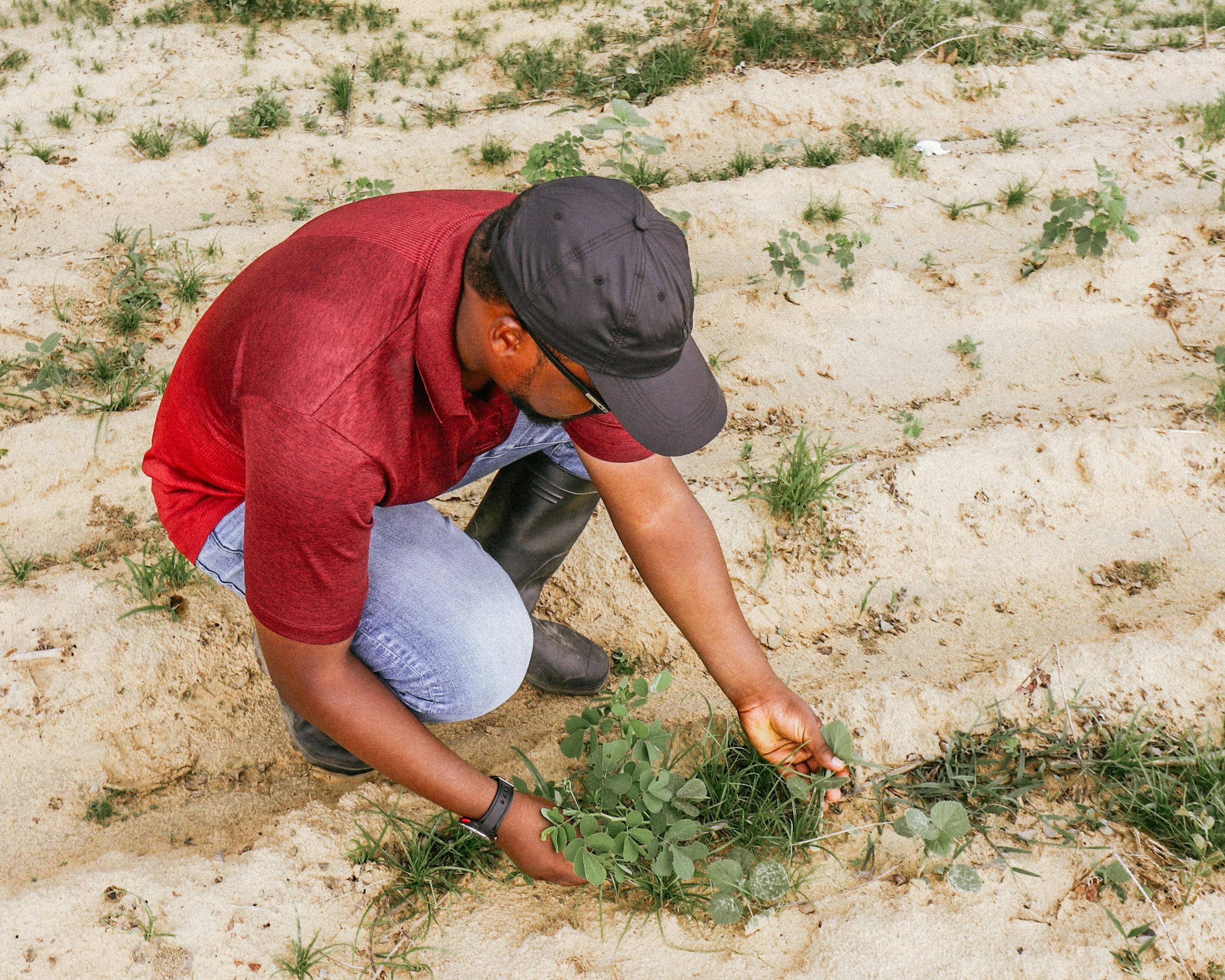
The adoption of grass cover crops like Napier and Setaria represents a significant leap forward in sustainable soil management for Kenyan farmers. These grasses offer multiple benefits beyond traditional legume cover crops, particularly in acidic soil conditions and in combating common agricultural pests.
Superior Nitrogen Retention in Acidic Soils
One of the most compelling insights from recent KARI field trials is the enhanced nitrogen retention offered by grass cover crops. In acidic soils, where nutrient leaching can be a major problem, Napier and Setaria have shown to improve soil nitrogen retention by 32% more than legumes. This is critical because it means more nitrogen remains available in the root zone for subsequent cash crops, reducing the need for synthetic nitrogen fertilizers and promoting a more balanced soil ecosystem. The robust root systems of these grasses are highly efficient at scavenging and holding onto available nitrogen, preventing it from washing away during heavy rains or becoming unavailable due to soil chemistry.
- Select appropriate grass species: Focus on Napier (Pennisetum purpureum) and Setaria (Setaria sphacelata) varieties known to thrive in local acidic conditions.
- Optimal planting times: Plant cover crops at the beginning of the rainy season to establish good ground cover before the main crop or during fallow periods.
- Incorporate residues effectively: After growth, chop and leave grass residues on the soil surface to decompose, slowly releasing stored nutrients.
Termite Infestation Reduction
Termites are a widespread pest in many Kenyan agricultural regions, causing significant damage to crops and infrastructure. Interestingly, the adoption of grass cover crops has been linked to a reduction in termite activity. While legumes can sometimes attract certain termite species due to their softer tissues, the tougher, more fibrous nature of grass residues, particularly when integrated into no-till systems, appears to deter them. This offers a natural and cost-effective method of pest control, safeguarding cash crops and improving overall farm resilience.
- Maintain consistent grass cover: Ensure there's always a layer of grass mulch or living cover to create a less hospitable environment for termites.
- Avoid burning residues: Burning removes valuable organic matter and can expose soil, making it more attractive to termites.
- Monitor termite activity: Regularly inspect fields for signs of termite mounds or damage to assess the effectiveness of cover cropping.
For farmers committed to understanding and improving their soil, accurate measurements are key. Boost your yields with the3-in-1 Soil pH, Moisture & Light Meter – available on Amazon, an essential tool for assessing pH, moisture, and light levels in your fields.
Targeted Training Focus Areas
To maximize the benefits of these grass cover crops, training must be comprehensive and practical. The KARI 2025 trials emphasize three critical areas:
- Soil pH testing to determine optimal cover crop species: Understanding your soil's pH is the first step. Different grass species may perform better under varying acidity levels. Regular testing ensures you choose the most suitable cover crop for your specific farm, optimizing nutrient availability and overall soil health.
- Integrating grass residues into no-till systems: No-till farming, combined with leaving grass residues on the surface, minimizes soil disturbance, enhances water infiltration, and builds soil organic matter. Training should cover proper residue management techniques, including chopping and spreading, to maximize these benefits.
- Measuring microbial activity using simple colorimetric tests: Healthy soil teems with microbial life. These microorganisms are vital for nutrient cycling and soil structure. Simple colorimetric tests allow farmers to assess microbial activity on their farms, providing an indicator of soil health and the effectiveness of their cover cropping practices.
By focusing on these areas, Kenyan farmers can confidently adopt grass cover crops, driving significant improvements in soil fertility, pest control, and long-term farm sustainability. To further explore sustainable organic farming solutions and connect with a network of like-minded individuals and resources, Explore sustainable organic farming solutions with Biofarm Kenya.
Case Studies: Success Stories in Kenyan Agriculture
Across Kenya, innovative farmers are already demonstrating the transformative power of sustainable agricultural practices, including the strategic use of cover crops and no-till systems. Their successes provide tangible evidence of how adopting KARI-backed methods can lead to more productive and resilient farms.
The Shamba Shape-Up Initiative
The popular Kenyan agricultural TV show 'Shamba Shape-Up' frequently showcases smallholder farmers who have dramatically improved their yields and soil health by implementing practical, sustainable techniques. Many episodes highlight farmers transitioning from conventional tillage to conservation agriculture, integrating crop residues, and using natural fertilizers. For instance, stories of farmers in the Rift Valley who adopted no-till practices alongside diverse cover cropping — including local grasses — have shown significant increases in maize yields, often reducing their reliance on expensive chemical inputs. These case studies underscore the educational impact of accessible information and the willingness of Kenyan farmers to embrace change when tangible benefits are demonstrated.
FAO's Conservation Agriculture Programs
The Food and Agriculture Organization (FAO) has been instrumental in promoting Conservation Agriculture (CA) in Kenya, which emphasizes minimal soil disturbance, permanent soil cover (often with cover crops), and crop rotations. Reports from FAO's field projects in regions like Western Kenya illustrate how smallholder farmers, trained in CA principles, have seen their soil organic matter increase, water retention improve, and overall crop productivity rise. One farmer, Mama Akinyi, noted a substantial reduction in labor time for weeding and tillage after just two seasons of implementing CA with grass and legume cover crops, freeing up time for other income-generating activities. These programs provide a strong authoritative citation for the effectiveness of these practices. (Source: FAO Conservation Agriculture Initiatives).
Eco-Innovations in Greenhouse Farming
Beyond open fields, many Kenyan agri-entrepreneurs are adopting eco-innovations in greenhouse farming. While greenhouses protect crops from harsh weather and pests, maintaining soil health within these controlled environments is equally crucial. Farmers are experimenting with living mulches and integrating organic matter, including chopped grass, to enhance the microbial activity and nutrient availability in their greenhouse beds. These controlled environments often provide ideal settings to observe the immediate benefits of practices like introducing grass residues, showing improved crop vigor and reduced disease incidence due to healthier soil ecosystems. These examples inspire broader adoption and demonstrate the versatility of grass cover crops across different farming systems in Kenya.
Common Mistakes to Avoid
Even with the best intentions, farmers can sometimes make errors that undermine their efforts to improve soil health and agricultural productivity. Recognizing and correcting these common mistakes is crucial for successful implementation of sustainable practices in Kenya.
Over-Reliance on Chemical Fertilizers
A prevalent mistake is the excessive and indiscriminate use of synthetic chemical fertilizers. While they can provide a quick nutrient boost, long-term reliance often degrades soil structure, harms beneficial microbial populations, and can lead to nutrient imbalances. Chemicals can also acidify the soil further, exacerbating the very problem grass cover crops are designed to mitigate. It is vital to shift towards an integrated nutrient management approach that prioritizes organic matter and biological processes.
- Correction: Conduct regular soil tests to understand actual nutrient deficiencies. Prioritize compost, manure, and cover crops (especially those like Napier and Setaria for nitrogen retention) to build soil fertility naturally. Use synthetic fertilizers only as a supplement, based on precise recommendations.
Inadequate Soil pH Management
Ignoring soil pH is a significant oversight. Acidic soils, common in many parts of Kenya, lock up essential nutrients, making them unavailable to plants. Without proper pH adjustment, even the best fertilizers and cover crops will underperform. Farmers might see poor crop growth and attribute it to other factors, missing the fundamental issue.
- Correction: Regular soil pH testing is non-negotiable. Based on results, apply lime or other pH-correcting amendments as recommended. Selecting cover crops suited to your soil's pH, as highlighted by KARI, is also critical for success.
Burning Crop Residues
The practice of burning crop residues after harvest is a common mistake that severely depletes soil organic matter. While it might seem to clear the field quickly, burning destroys valuable nutrients, kills beneficial microorganisms, and leaves the soil exposed to erosion by wind and water. This practice negates the benefits of retaining grass residues for soil health and termite reduction.
- Correction: Adopt conservation agriculture principles by leaving crop residues on the soil surface as mulch. This protects the soil, adds organic matter, conserves moisture, and fosters a healthy microbial environment, as emphasized in no-till systems.
Improper Water Management
Inefficient irrigation or poor water conservation practices lead to nutrient runoff, soil erosion, and plant stress. In areas prone to drought or with limited water resources, haphazard watering can be wasteful and counterproductive. Over-irrigation can also leach nutrients and promote waterlogging, which is detrimental to most crops and soil microbes.
- Correction: Implement water-efficient irrigation systems like drip irrigation. Utilize cover crops and mulching to conserve soil moisture. Plan irrigation schedules based on crop needs and soil moisture levels, avoiding excess.
Expert Tips & Best Practices for Sustainable Soil Health
Building and maintaining healthy soil is a continuous journey that requires dedication and informed practices. Here are expert tips tailored for Kenyan farmers looking to maximize the benefits of grass cover crops and overall sustainable agriculture.
Embrace Integrated Soil Fertility Management (ISFM)
ISFM is a holistic approach that combines organic and inorganic nutrient sources with improved soil management practices. This means not relying on a single solution but integrating various methods to create a robust and resilient soil ecosystem. Focus on building long-term soil health rather than short-term fixes.
- Combine Cover Crops: While grass cover crops are excellent, consider rotating or intercropping them with specific legume cover crops if your soil pH allows, to get a broader range of benefits, including diverse organic matter and nitrogen fixation in less acidic patches.
- Compost Regularly: Convert all available organic waste into nutrient-rich compost. This is an invaluable source of organic matter and microbial inoculants. For farmers starting their composting journey, maintaining a healthy pile is crucial. Maintain healthy soil with Premium Bokashi Composting Starter Kit to accelerate decomposition and nutrient cycling.
- Green Manure Incorporation: If not using permanent no-till, strategically incorporate mature cover crops as green manure to rapidly infuse organic matter and nutrients into the topsoil before planting cash crops.
Master Water Conservation Techniques
Water is a precious resource in Kenya. Efficient water management is paramount for both crop yield and soil health, especially with changing rainfall patterns. Healthy soil, rich in organic matter, has a greater capacity to hold water, making plants more resilient during dry spells.
- Drip Irrigation: Invest in or upgrade to drip irrigation systems. These systems deliver water directly to the plant roots, minimizing evaporation and water waste. For smallholder farmers, a targeted Drip Irrigation Kit for Small Farms – available on Amazon can make a significant difference in water efficiency and crop health.
- Mulching: Utilize grass residues, straw, or other organic materials as mulch on the soil surface. This significantly reduces water evaporation, suppresses weeds, and moderates soil temperature.
- Rainwater Harvesting: Implement rainwater harvesting systems to capture and store water for irrigation during drier periods. This reduces reliance on groundwater and provides a sustainable water source.
Continuously Monitor and Adapt
Soil is a living, dynamic system. Its needs can change over time due to cropping patterns, weather, and management practices. Regular monitoring allows farmers to adapt their strategies for optimal results.
- Advanced Soil Testing: Beyond pH, consider comprehensive soil tests every few seasons to track nutrient levels, organic matter content, and micronutrient availability. This helps fine-tune your fertility management plan.
- Observe Plant Health: Pay close attention to your crops. Yellowing leaves, stunted growth, or unusual pest pressure can be indicators of underlying soil health issues. Use these visual cues to investigate further.
- Document and Learn: Keep detailed records of your farming practices, including cover crop species, planting dates, residue management, and observed outcomes. This data is invaluable for learning what works best on your farm over time.
By integrating these expert tips, Kenyan farmers can build robust, productive, and environmentally friendly farming systems. To gain deeper insights and access further resources, Explore sustainable organic farming solutions with Biofarm Kenya, connecting with a community dedicated to agricultural excellence.
Future Trends in Kenyan Sustainable Agriculture
The landscape of Kenyan agriculture is continuously evolving, with exciting innovations emerging to address contemporary challenges and enhance sustainability. These future trends promise to revolutionize farming practices, offering new tools and strategies for a resilient food system.
Precision Agriculture and Smart Irrigation
The integration of technology into farming, known as precision agriculture, is gaining traction. This includes the use of sensors, drones, and GPS-guided equipment to monitor crop health, soil conditions, and water needs with unprecedented accuracy. Smart irrigation systems, for example, use weather data and soil moisture sensors to deliver water precisely when and where it's needed, optimizing water use and reducing waste. This level of precision can significantly boost efficiency, especially in water-scarce regions, and ensure that resources are allocated effectively, complementing the moisture retention benefits of grass cover crops.
Vertical Farming and Urban Agriculture Expansion
As Kenya's urban populations grow, so does the demand for fresh, locally grown produce. Vertical farming and other forms of urban agriculture offer a solution by maximizing yields in limited spaces. These systems often use hydroponics or aeroponics, significantly reducing water consumption and eliminating the need for vast tracts of land. While different from traditional field farming, the principles of organic nutrient management and pest control remain relevant, pushing innovations in sustainable urban food production. This trend also opens up new markets and opportunities for farmers to supply urban centers.
AI-Driven Crop Monitoring and Pest Prediction
Artificial intelligence (AI) is set to play a transformative role in agriculture. AI-powered systems can analyze vast amounts of data from satellite imagery, drone footage, and ground sensors to identify early signs of crop diseases, nutrient deficiencies, or pest infestations. This predictive capability allows farmers to intervene proactively, preventing widespread crop loss and reducing reliance on broad-spectrum pesticides. For instance, AI could predict termite outbreaks based on environmental factors, allowing farmers to reinforce their grass cover crop strategies before significant damage occurs, thereby enhancing the efficacy of integrated pest management.
Agroforestry and Carbon Sequestration
Agroforestry, the intentional integration of trees and shrubs into crop and animal farming systems, is gaining recognition for its multiple benefits. Trees can improve soil fertility, prevent erosion, provide shade, enhance biodiversity, and serve as an additional income source (e.g., fruit, timber). Crucially, agroforestry systems also act as carbon sinks, sequestering atmospheric carbon dioxide, which contributes to climate change mitigation efforts. This practice aligns perfectly with the goals of sustainable agriculture, creating diversified, resilient, and environmentally friendly farm landscapes.
These trends highlight a future where technology, ecological principles, and farmer knowledge converge to create a more efficient, productive, and sustainable agricultural sector in Kenya, ensuring food security and environmental health for generations to come.
Conclusion
The journey towards sustainable agriculture in Kenya is being significantly shaped by innovative practices, with the adoption of grass cover crops like Napier and Setaria leading the charge. As confirmed by the Kenya Agricultural Research Institute's (KARI) 2025 trials, these grasses offer a robust solution for enhancing soil nitrogen retention by an impressive 32% more than traditional legumes in acidic soils, while simultaneously providing a natural deterrent against damaging termite infestations. The emphasis on precise soil pH testing, seamless integration of grass residues into no-till systems, and the measurement of microbial activity through simple colorimetric tests forms the bedrock of these transformative methods.
By embracing these KARI-backed strategies, Kenyan farmers are not only improving the immediate health and productivity of their farms but also building long-term resilience against environmental challenges. The transition away from over-reliance on chemical inputs towards nature-based solutions ensures healthier ecosystems, reduced operational costs, and higher-quality produce. This commitment to sustainable soil management is a testament to the foresight and adaptability of the Kenyan agricultural community, paving the way for a prosperous and environmentally conscious future.
To further empower your farm with cutting-edge tools and resources, discover trusted organic farming tools onAmazonandlearn more about sustainable solutions with Biofarm Kenya, your partner in cultivating a greener tomorrow.
Frequently Asked Questions (FAQs)
Q1: Why are grass cover crops more effective than legumes in acidic Kenyan soils for nitrogen retention?
A1: Recent KARI trials indicate that in acidic soil conditions prevalent in many parts of Kenya, grass cover crops like Napier and Setaria demonstrate superior efficiency in capturing and retaining existing soil nitrogen, showing a 32% improvement over legumes. While legumes fix atmospheric nitrogen, their symbiotic relationship with rhizobia bacteria can be hampered by low soil pH, reducing their nitrogen contribution. Grasses, with their extensive fibrous root systems, are more effective at scavenging available nitrogen under these challenging conditions, preventing leaching and making it accessible for subsequent cash crops. (Source: ResearchGate)
Q2: How does soil pH testing directly influence the choice of cover crop species?
A2: Soil pH is a critical factor that affects nutrient availability and the performance of cover crops. Different plant species have optimal pH ranges for growth and nutrient uptake. For instance, some legumes struggle in highly acidic soils, while certain grass species are more tolerant or even thrive. By conducting soil pH testing, farmers can accurately determine their soil's acidity or alkalinity and select grass cover crop varieties (e.g., specific Napier or Setaria strains) that are best suited to those conditions, maximizing their benefits for nitrogen retention and soil health. (Source: Yara Kenya)
Q3: What are the primary benefits of integrating grass residues into no-till farming systems?
A3: Integrating grass residues into no-till farming systems offers multiple benefits for soil health and productivity. Firstly, the residues act as a protective mulch, reducing soil erosion from wind and rain, and conserving soil moisture by reducing evaporation. Secondly, as the residues decompose, they add organic matter to the soil, improving soil structure, water infiltration, and nutrient cycling. Thirdly, this practice fosters a thriving microbial community, which is crucial for nutrient availability and disease suppression. It also helps in reducing termite infestations, as highlighted by KARI research, compared to bare soil or certain legume residues. (Source: No-Till Farmer)
Q4: Can simple colorimetric tests accurately measure soil microbial activity, and how can farmers use this information?
A4: Yes, simple colorimetric tests, while not as precise as laboratory analyses, can provide indicative measures of soil microbial activity, particularly related to carbon cycling and enzyme activity. These tests often involve observing color changes in a solution that react with microbial byproducts. Farmers can use this information as a rapid, on-site indicator of soil biological health. An increase in microbial activity suggests a healthier soil ecosystem with better nutrient cycling, while low activity might signal issues with organic matter, moisture, or pH. This feedback helps farmers assess the effectiveness of their cover cropping and organic matter management practices. (Source: Great Lakes Bioenergy Research Center)
Q5: How do grass cover crops help in reducing termite infestations in Kenyan farmlands?
A5: Grass cover crops, especially when incorporated as surface mulch in no-till systems, can help reduce termite infestations in several ways. The dense network of grass roots and residues creates a physical barrier and a less appealing environment for many termite species that prefer exposed soil or softer plant materials. The increased organic matter and improved soil health promoted by grass cover crops also foster a more balanced soil ecosystem, which can support natural predators of termites or create conditions less favorable for their proliferation, thereby protecting cash crops from damage. (Source: Biofarm Kenya Insights)
Q6: What role does the Kenya Agricultural Research Institute (KARI) play in promoting these new farming methods?
A6: The Kenya Agricultural Research Institute (KARI) plays a pivotal role in agricultural innovation and dissemination of best practices in Kenya. KARI conducts extensive research, including field trials, to identify and validate sustainable farming methods suitable for local conditions. Their reported 2025 trials confirming the benefits of grass cover crops like Napier and Setaria for nitrogen retention and termite reduction in acidic soils exemplify their commitment. KARI's findings provide authoritative backing for these new methods, informing farmer training programs and national agricultural policies, thereby accelerating the adoption of sustainable and productive farming systems across the country. (Source: Kenya Agricultural and Livestock Research Organization - KALRO, formerly KARI)
Further Resources:
- External Authoritative Links:


0 Comments