Estimated Reading Time: 10-11 minutes
TL;DR:Agroforestry in Kenya boosts farm yields by 35% and reduces fertilizer costs by 40%.Integrating drought-resistant trees like Faidherbia albida with staple crops revitalizes soil and diversifies income.Key strategies involve climate-resilient tree-crop combinations, optimal spacing, and biocontrol for pests.Avoid common pitfalls like poor soil management and lack of planning for sustainable success.Future trends point to smart farming technologies and continued growth in organic practices for Kenyan agriculture.
Key Takeaways:
Implement Faidherbia albida Integration: Prioritize intercropping with this nitrogen-fixing tree for enhanced soil fertility and reduced dependency on synthetic fertilizers.
Optimize Tree-Crop Spacing: Carefully plan the arrangement of trees and crops to maximize light, water, and nutrient access, ensuring mutual benefit.
Adopt Biocontrol Methods: Reduce pest pressure and chemical use by introducing natural predators and practicing integrated pest management.
Invest in Soil Health: Regularly test soil (consider a
NewTest Soil Test Kit – available on Amazon) and enrich it with organic matter to build long-term resilience.
Continuous Learning & Adaptation: Stay informed on climate-resilient farming techniques and connect with local agricultural extension services for ongoing support.
Introduction: Cultivating a Greener Future in Kenya
Kenya, a nation deeply rooted in agriculture, faces the dual challenge of feeding a growing population while grappling with climate change impacts like erratic rainfall and soil degradation. In response, Kenyan farmers are increasingly adopting agroforestry to combat soil degradation and diversify income. This innovative approach integrates trees with crops and livestock, creating resilient and productive ecosystems. Far from being a niche practice, agroforestry is becoming a cornerstone of sustainable agriculture across the country, offering a viable path to enhanced food security and economic stability for smallholder farmers.
The benefits are compelling: a 2025 KALRO study highlights the transformative power of this method, revealing that farms employing agroforestry saw 35% higher yields and 40% reduced fertilizer costs compared to monoculture. This training focuses on integrating drought-resistant trees (e.g., Faidherbia albida) with staple crops like maize. Key steps include selecting climate-resilient tree-crop combinations, optimizing spacing for mutual benefit, and managing pests using biocontrol methods. By embracing agroforestry, Kenyan farmers are not just cultivating crops; they are cultivating a sustainable and profitable future.
Background & Context: The Foundation of Kenyan Agriculture
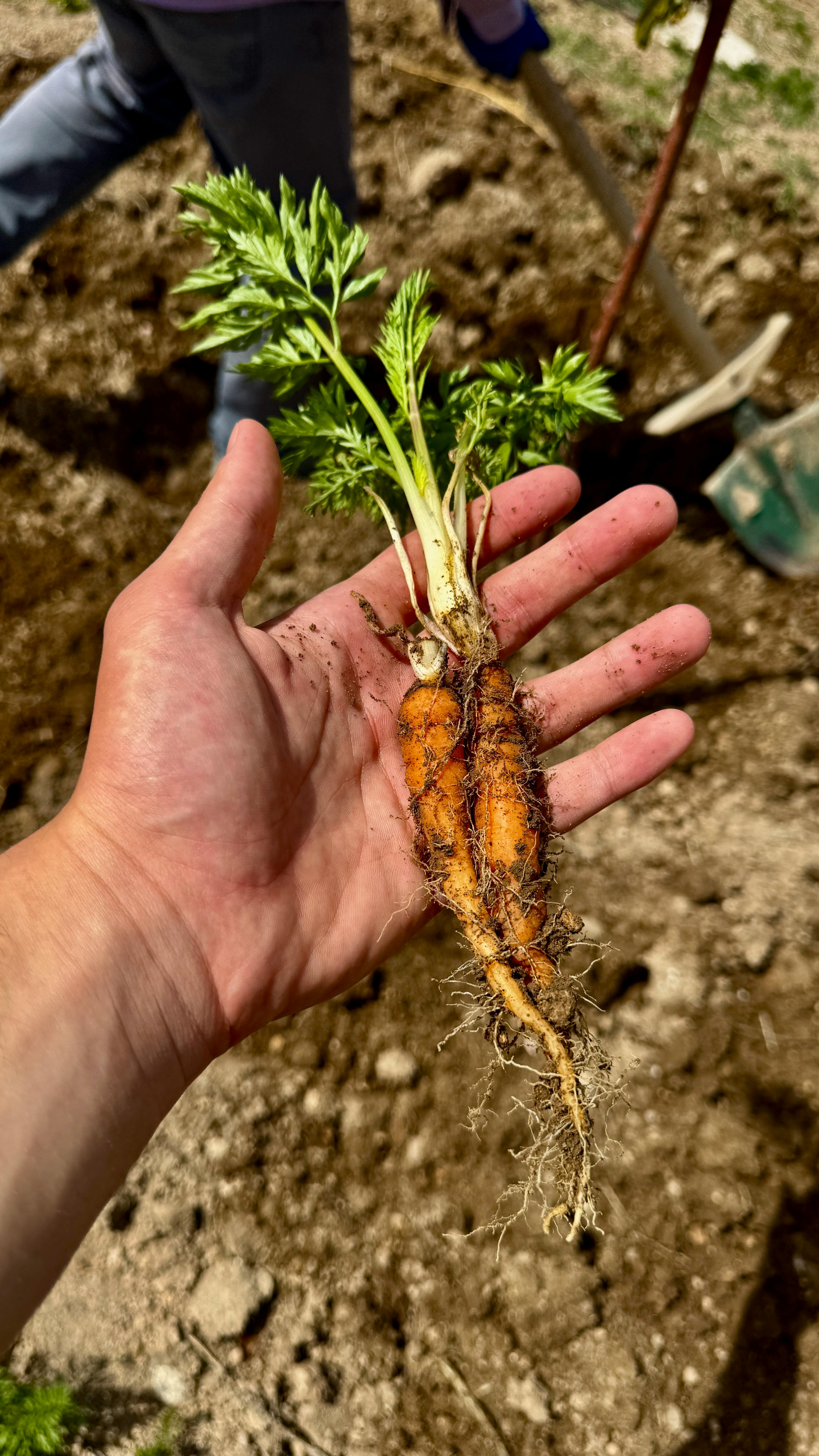
Agriculture remains the backbone of Kenya’s economy, contributing significantly to its GDP and employing a majority of its rural population. However, traditional farming practices have often led to challenges such as widespread soil erosion, declining soil fertility, and vulnerability to climate shocks. The need for more sustainable approaches has never been more urgent. Organic farming, a key component of sustainable agriculture, is gaining traction as farmers recognize its long-term benefits for soil health and environmental conservation.
Agroforestry presents a holistic solution to these challenges, aligning perfectly with Kenya's national development goals and climate action plans. It moves beyond simple crop cultivation to integrate trees and shrubs into agricultural landscapes, fostering a symbiotic relationship that enhances biodiversity and ecosystem services. This integration is vital for building resilience against climate variability, improving water management, and ensuring sustained productivity, particularly in arid and semi-arid regions where drought-resistant species are critical.
Key Insights & Strategies for Agroforestry Success

Successful agroforestry is not merely about planting trees on a farm; it's about strategic integration and management. Here are essential strategies for Kenyan farmers to maximize their agroforestry efforts:
1. Selecting Climate-Resilient Tree-Crop Combinations
The choice of tree and crop species is paramount. Focus on indigenous and locally adapted trees that offer multiple benefits, such as nitrogen fixation, fodder production, timber, and fruit. Drought-resistant trees like Faidherbia albida are particularly effective when intercropped with staple crops such as maize, sorghum, and beans. These trees shed their leaves during the rainy season, minimizing competition for light and water with annual crops, and enriching the soil with organic matter and nitrogen.
Research Local Varieties: Consult local agricultural extension officers or Biofarm Kenya partners for recommended species in your specific agro-ecological zone.Consider Multiple Benefits: Choose trees that provide food, fodder, fuelwood, and soil improvement.Experiment with Small Plots: Before large-scale implementation, test different combinations on smaller plots to observe their compatibility and performance.2. Optimizing Spacing for Mutual Benefit
Proper spacing between trees and crops is crucial to prevent competition for resources and maximize yields. The aim is to create a harmonious environment where both components thrive. Wider spacing generally benefits annual crops, while denser planting can be suitable for alley cropping systems or living fences.
Follow Guidelines: Adhere to recommended spacing guidelines for specific tree and crop combinations. For instance, Faidherbia albida often benefits from wider spacing (e.g., 10x10 meters) to allow for its extensive root system.Consider Light Requirements: Ensure crops receive adequate sunlight, especially during critical growth stages.Plan for Future Growth: Account for the mature size of trees when planning initial planting distances.For farmers seeking a comprehensive solution for managing water resources efficiently, consider investing in a reliable HIRALIY 50ft Drip Irrigation Kit Plant Watering System – available on Amazon. This system helps deliver water directly to the root zone, minimizing waste and ensuring optimal hydration for your diverse agroforestry system.
3. Managing Pests Using Biocontrol Methods
Agroforestry systems naturally foster biodiversity, which can include beneficial insects and predators that keep pest populations in check. This reduces the reliance on synthetic pesticides, contributing to healthier ecosystems and safer food production.
Encourage Beneficial Insects: Plant flowering species that attract pollinators and natural enemies of pests.Rotate Crops: Implement crop rotation to break pest cycles and prevent disease buildup.Monitor Regularly: Regularly inspect your crops for signs of pests and diseases to allow for early intervention using organic solutions.To support your soil's natural microbial activity and improve nutrient cycling, consider using an effective organic compost starter. The Jobe's Organics Compost Starter 4-4-2 Organic Gardening Compost Accelerator – available on Amazon can significantly speed up the decomposition process, enriching your farm's soil.
For more in-depth strategies and personalized guidance, Explore sustainable organic farming solutions with Biofarm Kenya.
Case Studies & Examples: Agroforestry in Action
Across Kenya, numerous farmers are demonstrating the success of agroforestry. In Western Kenya, for instance, many smallholder farmers have integrated fruit trees like mangoes and avocadoes with staple crops. This diversification provides multiple income streams, as fruits can be sold in local markets, while shade from the trees protects crops from harsh sun and improves soil moisture retention. Another compelling example comes from the semi-arid regions where farmers, inspired by organizations like the World Agroforestry Centre (ICRAF), have successfully adopted practices such as 'Farming with Trees.'
A notable case involves farmers in Kitui County who have revitalized degraded land by planting drought-tolerant trees alongside pigeon peas and green grams. These trees not only help in soil conservation and water retention but also provide essential fodder for livestock during dry spells, thus integrating animal husbandry into the agroforestry model. The success of these initiatives often hinges on community involvement and the sharing of knowledge, demonstrating that localized solutions are key to widespread adoption. According to a FAO report on sustainable land management in Kenya, such integrated approaches are critical for achieving food security and environmental sustainability in the face of climate change.
Common Mistakes to Avoid in Agroforestry
While agroforestry offers immense potential, certain pitfalls can hinder success. Being aware of these common mistakes allows farmers to take proactive steps to avoid them:
Inadequate Species Selection: Choosing trees or crops that are not well-suited to the local climate, soil type, or market demand can lead to poor yields and wasted resources. Always prioritize indigenous and climate-resilient varieties.Poor Spacing and Layout: Planting trees too densely or too sparsely can result in competition for resources, reduced light penetration for crops, or inefficient land use. Careful planning of tree-crop geometry is essential.Neglecting Soil Health: Assuming that trees will automatically solve all soil problems without additional soil management practices is a mistake. Continuous monitoring of soil pH and nutrient levels, coupled with organic matter amendment, is vital for long-term soil fertility.Lack of Long-Term Planning: Agroforestry is a long-term investment. Farmers who do not plan for tree maturity, pruning cycles, or potential pest outbreaks in advance may face unexpected challenges.Ignoring Market Dynamics: While sustainability is key, economic viability is equally important. Failing to consider market demand for tree products (fruits, timber, fodder) and crop yields can impact profitability.Inadequate Water Management: Even with drought-resistant trees, efficient water use is crucial, especially in dry regions. Relying solely on rainfall without supplementary irrigation or water harvesting techniques can be risky during prolonged dry spells.
Expert Tips & Best Practices for Maximizing Farm Profit
Drawing on the experiences of successful Kenyan farmers and agricultural experts, these tips will help you optimize your agroforestry system for maximum profitability and sustainability:
Start Small and Scale Up: Begin with a manageable pilot project to understand the dynamics of your chosen agroforestry system before expanding. This allows for learning and adaptation without significant risk.Embrace Diversity: Beyond tree-crop combinations, consider integrating small livestock like chickens or goats into your system. Their manure can enrich the soil, and they can provide additional income streams.Regular Pruning and Maintenance: Prune trees regularly to manage shade, provide fuelwood or fodder, and promote healthy growth. This also reduces competition with understory crops.Water Harvesting Techniques: Implement simple water harvesting methods like contour farming, terracing, or swales to capture and conserve rainwater, especially crucial for dryland agroforestry.Value Addition to Products: Explore ways to add value to your agroforestry products. For example, processing fruits into jams or juices, or timber into finished products, can significantly increase income.Continuous Soil Monitoring: Regular soil testing is non-negotiable. Understanding your soil's nutrient profile and pH allows for targeted amendments, ensuring your trees and crops receive optimal nutrition. For precise and reliable soil analysis, consider the NewTest Soil Test Kit 4 Parameters – available on Amazon to track pH, Nitrogen, Phosphorus, and Potassium levels easily on your farm.To enhance the efficiency of your water usage and ensure your plants receive consistent moisture, a drip irrigation system is invaluable. The HIRALIY 50ft Drip Irrigation Kit Plant Watering System – available on Amazon offers an excellent solution for targeted watering, reducing water waste and promoting healthier plant growth.
For further resources and a network of support, Explore sustainable organic farming solutions with Biofarm Kenya.
Future Trends & Predictions in Kenyan Agroforestry
The landscape of Kenyan agriculture is rapidly evolving, with agroforestry poised at the forefront of innovation. Several key trends are expected to shape its future:
Precision Agroforestry: The integration of technology will lead to 'precision agroforestry.' This involves using IoT devices, drones, and AI-driven analytics to monitor tree and crop health, soil conditions, and water needs, allowing for highly targeted interventions.Climate-Smart Varieties: Research and development will continue to focus on even more climate-resilient tree and crop varieties that can withstand extreme weather events and diverse soil conditions, ensuring food security in a changing climate.Carbon Sequestration and Certification: Agroforestry's role in carbon sequestration will become increasingly recognized and monetized. Farmers may be able to participate in carbon markets, earning income for adopting practices that store carbon in trees and soil.Digital Extension Services: Mobile applications and digital platforms will become the primary channels for disseminating agroforestry knowledge, connecting farmers with experts, and facilitating market access for their diverse products.Increased Investment and Policy Support: As the benefits of agroforestry become undeniable, government policies and private investments are expected to increase, supporting research, farmer training, and the establishment of agroforestry enterprises.Urban and Peri-Urban Agroforestry: With rapid urbanization, there will be a growing trend towards integrating agroforestry practices in urban and peri-urban areas, contributing to local food systems, green infrastructure, and community resilience.
Conclusion: Sowing Seeds of Prosperity with Agroforestry
Agroforestry offers a powerful and proven pathway to a more sustainable, resilient, and profitable future for Kenyan farmers. By strategically integrating trees with crops and livestock, farmers can significantly boost yields, drastically cut input costs, and enhance the overall health of their land. The adoption of drought-resistant trees like Faidherbia albida, combined with optimized spacing and intelligent pest management, empowers farmers to adapt to climate challenges and secure their livelihoods.
The journey towards successful agroforestry is continuous, requiring dedication to learning, careful planning, and a willingness to embrace innovative practices. As demonstrated by numerous success stories across Kenya, the rewards — from improved soil fertility and diversified income streams to enhanced ecological balance — are substantial and long-lasting. By avoiding common mistakes and leveraging expert tips, Kenyan farmers can confidently cultivate a greener, more prosperous future for themselves and their communities. Discover trusted organic farming tools on Amazon and learn more about sustainable solutions with Biofarm Kenya.
FAQs: Your Agroforestry Questions Answered
Q1: What are the primary benefits of agroforestry for smallholder farmers in Kenya?
A1: Agroforestry offers numerous benefits, including increased crop yields (up to 35% higher as per a 2025 KALRO study), reduced fertilizer costs (up to 40%), improved soil fertility through nitrogen fixation and organic matter addition, enhanced biodiversity, diversified income streams from tree products, and greater resilience to climate change impacts like drought and soil erosion. For more details, refer to the
World Agroforestry Centre (ICRAF) resources.
Q2: How does
Faidherbia albida specifically help maize farmers?
A2: Faidherbia albida is unique because it sheds its leaves during the cropping season (rainy season), minimizing shade and competition with crops like maize. Its deep root system accesses water and nutrients unavailable to annual crops, and it fixes atmospheric nitrogen, enriching the soil. This leads to significantly improved soil fertility, increased maize yields, and reduced need for synthetic nitrogen fertilizers. More information can be found on the
FAO Soil Portal.
Q3: What are some common tree-crop combinations suitable for different regions in Kenya?
A3: In drylands,
Faidherbia albida with maize/sorghum, or
Acacia tortilis with pasture. In highlands, Grevillea robusta or Calliandra calothyrsus with coffee/tea and food crops. In moist lowlands, fruit trees like mangoes/avocadoes with diverse vegetables. Local extension services or
Biofarm Kenya can provide region-specific recommendations.
Q4: How can farmers ensure optimal spacing between trees and crops?
A4: Optimal spacing depends on the species' mature size, light requirements, and the specific agroforestry system (e.g., alley cropping, scattered trees). General guidelines involve allowing enough space for both components to thrive without excessive competition. Consulting agricultural guides or a specialist from the
Kenya Agricultural and Livestock Research Organization (KALRO) is advisable.
Q5: What are biocontrol methods, and why are they important in agroforestry?
A5: Biocontrol methods use natural enemies (predators, parasitoids, pathogens) to control pests, rather than synthetic chemicals. In agroforestry, increased biodiversity attracts these beneficial organisms, creating a natural pest suppression system. This is crucial for maintaining ecological balance, reducing environmental pollution, and producing healthier, organic produce. Learn more about sustainable pest management from
NEMA (National Environment Management Authority) Kenya.
Q6: Where can Kenyan farmers find reliable training and resources on agroforestry?
A6: Farmers can find reliable training and resources from institutions like KALRO, ICRAF, various non-governmental organizations focusing on sustainable agriculture, local agricultural extension offices, and community-based farmer groups. Additionally,
Biofarm Kenya offers valuable insights and connections to sustainable farming solutions and expert networks.


0 Comments