

Estimated Reading Time: 9 minutes
TL;DR:
- Kenyan farmers can significantly reduce synthetic nitrogen use by adopting organic practices, boosting yields and cutting costs.
- Key strategies include comprehensive soil testing, integrating leguminous cover crops, and applying phosphorus-rich compost.
- KALRO trials demonstrate that balanced soil microbiome practices can lead to 22% higher yields, while early adopters in Bomet County report 35% input cost savings.
- Transitioning to organic inputs enhances soil health, water retention, and long-term farm sustainability.
- Utilize resources from Biofarm Kenya and quality Amazon products to facilitate a successful transition.
Key Takeaways:
- Conduct regular soil testing to understand your farm's unique nutrient profile and reduce unnecessary synthetic inputs.
- Incorporate nitrogen-fixing cover crops like desmodium or mucuna to naturally enrich your soil and improve its structure.
- Develop and utilize phosphorus-rich compost to provide essential nutrients and foster a thriving soil microbiome.
- Adopt precision farming techniques and timed nutrient application to maximize efficiency and minimize waste.
- Continuously monitor crop health and soil indicators to adapt your approach for optimal sustainable yields.
Table of Contents:
- Optimize Kenyan Farm Yields with Nitrogen Reduction Guide
- Background & Context: The Shifting Landscape of Kenyan Agriculture
- Key Insights & Strategies for Nitrogen Reduction and Yield Optimization
- Case Studies & Success Stories: Realizing Organic Potential in Kenya
- Common Mistakes to Avoid in Sustainable Nitrogen Management
- Expert Tips for Maximizing Organic Yields and Reducing Nitrogen Inputs
- Future Trends: Innovating Towards a Sustainable Agricultural Future in Kenya
- Conclusion: Cultivating a Greener, More Prosperous Future
- FAQs: Your Questions on Nitrogen Reduction & Organic Farming Answered
Optimize Kenyan Farm Yields with Nitrogen Reduction Guide
Discover how Kenyan farmers boost yields 22% and save 35% on costs. Learn to cut synthetic nitrogen with organic inputs, backed by KALRO trials and Bomet success.
In the vibrant heart of East Africa, Kenyan agriculture stands as the backbone of the nation's economy, yet it faces persistent challenges from escalating input costs and environmental degradation. Kenyan farmers are increasingly seeking alternatives to costly nitrogen-heavy fertilization. This guide trains farmers to optimize yields by reducing synthetic nitrogen while enhancing organic inputs, backed by 2024 KALRO trials showing 22% higher yields with balanced soil microbiome practices. We delve into key steps, including comprehensive soil testing for nutrient ratios, integrating leguminous cover crops, and timed application of phosphorus-rich compost to replace 30-50% of conventional nitrogen. Early adopters in Bomet County report 35% input cost savings with no yield loss, demonstrating a clear path towards sustainable and profitable farming.
Background & Context: The Shifting Landscape of Kenyan Agriculture
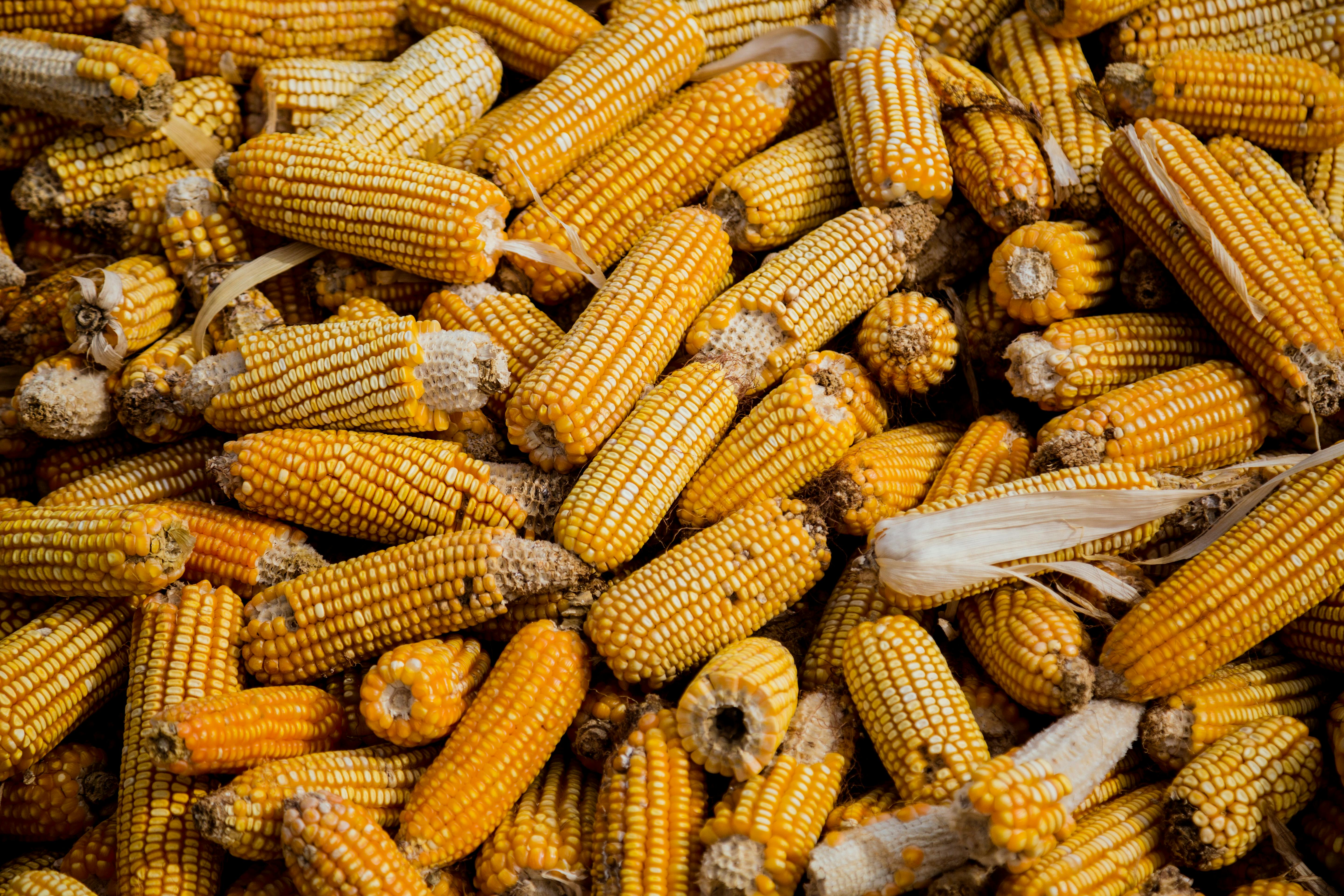
Kenya's agricultural sector, contributing over 30% to the GDP and employing more than 70% of the rural population, is at a critical juncture. Traditional farming practices, heavily reliant on synthetic fertilizers, especially nitrogen, have led to concerns about soil degradation, water pollution, and economic unsustainability. The rising global prices of synthetic nitrogen fertilizers directly impact the profitability of smallholder farmers, pushing many to seek more affordable and environmentally friendly solutions.
Organic farming and sustainable agriculture are not just buzzwords; they represent a viable and increasingly essential pathway for the nation's food security and ecological health. Data from the Research Institute of Organic Agriculture (FiBL) long-term studies in Kenya indicates that organic farming methods can achieve comparable yields to conventional methods, particularly for staple crops like maize. Moreover, a comprehensive systems approach, including diversification and effective soil fertility management, can significantly close yield gaps for other crops like cabbage and French beans. This shift is not merely about avoiding chemicals; it's about fostering a resilient, living soil ecosystem that naturally provides for crop needs.
Key Insights & Strategies for Nitrogen Reduction and Yield Optimization
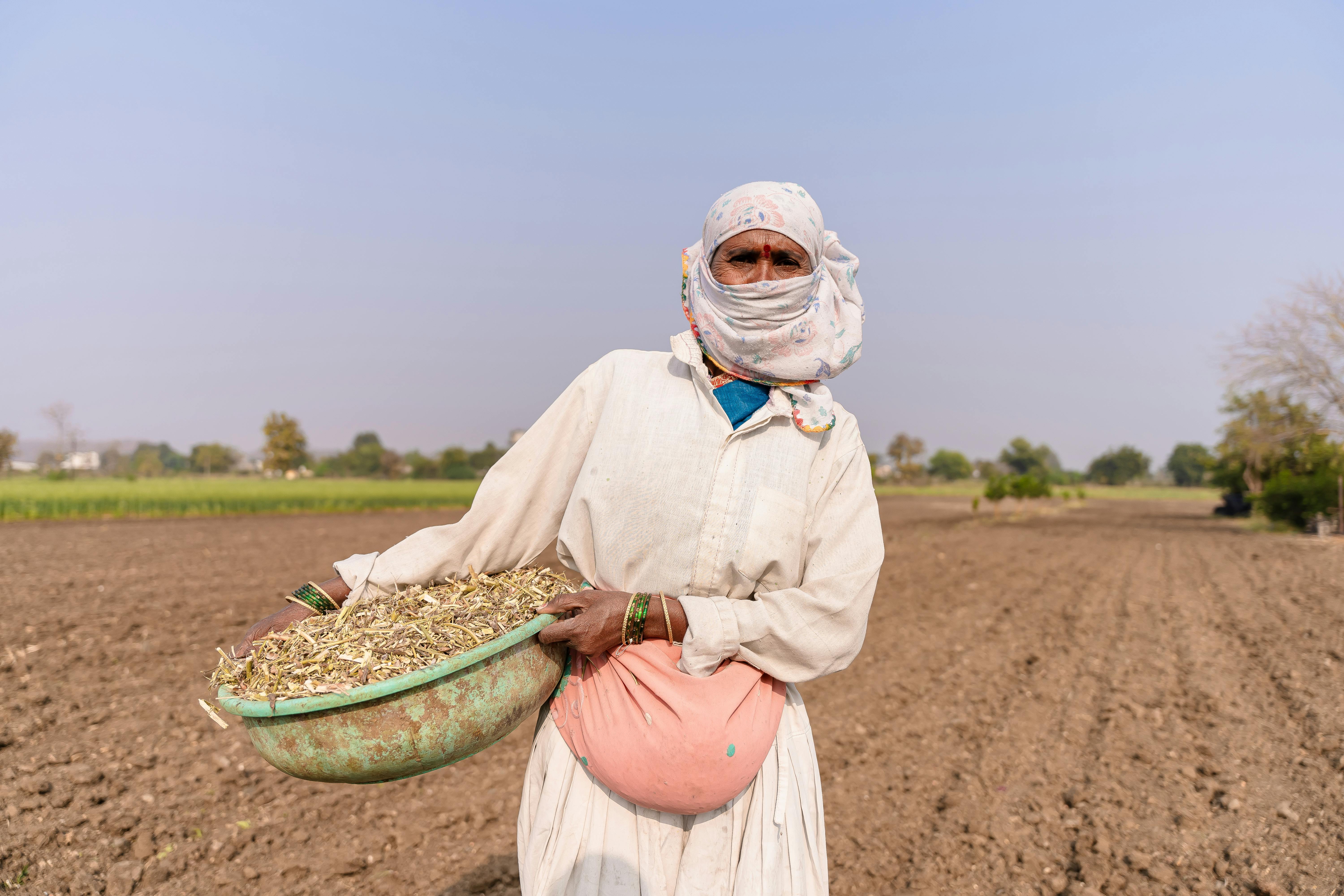
Reducing synthetic nitrogen application without compromising yields requires a multi-faceted approach that prioritizes soil health and nutrient cycling. The goal is to build a vibrant soil ecosystem capable of supplying nitrogen naturally.
1. Precision Soil Testing & Nutrient Mapping
Understanding your soil's current composition is the first and most crucial step. Generic fertilizer recommendations often lead to over-application of certain nutrients, including nitrogen, and under-application of others. Detailed soil testing reveals specific nutrient deficiencies or excesses, pH levels, and organic matter content. This allows for targeted nutrient management, ensuring crops receive exactly what they need, when they need it.
- Collect representative soil samples from different areas of your farm.
- Send samples to a reputable agricultural laboratory for comprehensive analysis.
- Interpret results to identify specific nutrient ratios and pH levels.
- Develop a tailored nutrient plan that prioritizes organic amendments.
Boost your yields with theMySoil Soil Test Kit – available on Amazon. This comprehensive kit provides accurate nutrient and pH analysis with recommendations tailored to your soil and plant needs, empowering you to make informed decisions for your farm.
2. Integrating Leguminous Cover Crops
Legumes have a remarkable ability to fix atmospheric nitrogen into the soil through a symbiotic relationship with beneficial bacteria in their root nodules. Incorporating leguminous cover crops such as desmodium, mucuna, or various types of beans and peas between main cropping seasons can significantly enrich soil nitrogen content naturally, reduce erosion, suppress weeds, and improve soil structure. When these cover crops are incorporated back into the soil, they release a steady supply of nitrogen for subsequent cash crops.
- Select appropriate leguminous cover crops suitable for your region and climate.
- Plant cover crops during fallow periods or intercrop them with main crops.
- Allow them to grow for a sufficient period to fix nitrogen and build biomass.
- Terminate cover crops by mowing or light tillage, allowing them to decompose and release nutrients.
3. Mastering Composting & Organic Manures
Phosphorus-rich compost and well-rotted animal manures are invaluable organic amendments. They not only supply a broad spectrum of nutrients, including nitrogen, phosphorus, and potassium, but also introduce beneficial microorganisms that improve soil structure, water retention, and nutrient availability. Unlike synthetic fertilizers that provide an immediate, concentrated dose, compost releases nutrients slowly, ensuring a sustained supply for plants and minimizing leaching.
- Establish a composting system using farm waste, crop residues, and animal manure.
- Ensure proper aeration and moisture levels for efficient decomposition.
- Apply mature, phosphorus-rich compost before planting or as a top dressing.
- Consider vermicomposting to produce nutrient-dense worm castings and compost tea.
For farmers looking to jumpstart their composting efforts, theJobe’s Organics Compost Starter 4-4-2 Organic Gardening Compost Accelerator – available on Amazoncan significantly speed up the decomposition process, yielding nutrient-rich compost faster.
Explore sustainable organic farming solutions with Biofarm Kenyato find more resources and support for these vital strategies.
Case Studies & Success Stories: Realizing Organic Potential in Kenya
The transition to reduced synthetic nitrogen and enhanced organic inputs is not merely theoretical; it's yielding tangible results across Kenya. One compelling example comes from Bomet County, a region traditionally reliant on conventional farming methods. Early adopters in Bomet, participating in a pilot program focused on soil health and organic amendments, reported remarkable success.
Farmers in the program, after implementing practices like extensive soil testing, incorporating leguminous cover crops (such as crotalaria and lablab), and applying locally sourced, phosphorus-rich compost, achieved average input cost savings of 35%. Crucially, these savings were realized with no loss in yield for their maize and bean crops. Some even reported slight increases in yield quality and improved drought resistance, attributed to the enhanced soil structure and water retention capabilities fostered by organic matter. These results align with broader findings from the Kenya Agricultural and Livestock Research Organization (KALRO), which has consistently championed integrated soil fertility management as key to sustainable intensification.
Further evidence stems from the organic movement in communities around Mount Kenya, where smallholder tea and coffee farmers are increasingly adopting agroecological practices. By replacing synthetic fertilizers with nutrient-rich compost, bio-slurry from biodigesters, and planting nitrogen-fixing shade trees, they have not only reduced their reliance on expensive inputs but also improved the flavor profiles of their produce, fetching premium prices in organic markets. This holistic approach, backed by organizations like the Food and Agriculture Organization (FAO), demonstrates that ecological benefits translate directly into economic gains for farmers.
Common Mistakes to Avoid in Sustainable Nitrogen Management
While the benefits of reducing synthetic nitrogen are clear, farmers must navigate potential pitfalls during the transition. Avoiding these common mistakes can ensure a smoother and more successful shift to organic-focused farming.
- Abruptly Halting Synthetic Fertilizers: Suddenly stopping all synthetic nitrogen can shock the soil and crops, leading to immediate yield drops. A gradual reduction, over 2-3 seasons, combined with a concurrent increase in organic inputs, allows the soil microbiome to adapt and take over nutrient supply.
- Ignoring Soil Testing: Without accurate soil analysis, farmers risk applying insufficient or imbalanced organic amendments. This can lead to nutrient deficiencies or surpluses, hindering crop growth and wasting resources. Regular testing is paramount.
- Using Immature Compost or Manure: Applying fresh, uncomposted organic matter can 'burn' plants due to high ammonia content and may introduce pathogens or weed seeds. Always ensure compost is fully mature and animal manure is well-rotted before application.
- Inadequate Crop Rotation: A lack of diversified crop rotation limits the benefits of cover crops and can lead to a buildup of specific pests and diseases, increasing reliance on external interventions. Implement a robust rotation plan that includes legumes and diverse plant families.
- Poor Water Management: Efficient water use is critical for nutrient uptake. Over-irrigation can leach valuable nitrogen, while under-irrigation stresses plants and limits their ability to absorb nutrients. Implement efficient irrigation systems like drip irrigation to conserve water and optimize nutrient delivery.
- Neglecting Soil Structure: Compacted soil reduces aeration, restricts root growth, and hinders microbial activity, impacting natural nitrogen cycling. Practices like minimum tillage, cover cropping, and incorporating organic matter are essential for maintaining healthy soil structure.
Expert Tips for Maximizing Organic Yields and Reducing Nitrogen Inputs
Leveraging decades of agricultural wisdom and modern scientific understanding, these expert tips are tailored to help Kenyan farmers achieve optimal yields with reduced reliance on synthetic nitrogen.
- Embrace Integrated Pest and Disease Management (IPDM): Healthy, nutrient-balanced plants are naturally more resistant to pests and diseases. Focus on fostering biodiversity, using beneficial insects, and practicing cultural controls to minimize losses and reduce the need for chemical interventions that can harm soil life.
- Harness the Power of Bio-Slurry: If you have livestock, consider installing a biodigester. The bio-slurry produced is an excellent organic fertilizer, rich in nitrogen and other nutrients, and significantly enhances soil fertility. It's a closed-loop system that also provides biogas for cooking, reducing reliance on firewood.
- Practice Timed and Targeted Nutrient Application: Even with organic inputs, timing is key. Apply compost or manure when crops have their highest nutrient demand, often during early growth stages and flowering. For instance, top-dressing with liquid compost tea can provide a quick nutrient boost.
- Consider Agroforestry: Integrate nitrogen-fixing trees and shrubs into your farm system. Species like Gliricidia sepium or Calliandra calothyrsus can provide green manure, fodder for livestock, and timber, all while enriching the soil with nitrogen.
- Invest in Efficient Irrigation: Water scarcity is a significant challenge. Efficient irrigation methods ensure that water and nutrients reach the plant roots directly, minimizing waste and maximizing uptake. Drip irrigation, for example, delivers water precisely where it's needed, reducing evaporation and runoff.
To ensure precise water delivery and nutrient efficiency, consider investing in a reliableDrip Irrigation Kit for Small Farms – available on Amazon. This system helps conserve water and ensures your plants get consistent moisture.Furthermore, for those keen on maximizing nutrient cycling on their farm, aVEVOR 5-Tray Composter, 50L Worm Compost Bin – available on Amazonis an excellent tool to convert kitchen and farm waste into nutrient-rich vermicompost and worm tea.
Explore sustainable organic farming solutions with Biofarm Kenyafor more innovative practices and expert guidance.
Future Trends: Innovating Towards a Sustainable Agricultural Future in Kenya
The future of Kenyan agriculture is poised for transformative innovation, moving beyond conventional methods towards smart, sustainable, and data-driven farming. These emerging trends offer exciting opportunities for farmers to further optimize yields and reduce environmental impact.
- Precision Agriculture Technologies: The integration of satellite imagery, drone technology, and IoT (Internet of Things) sensors will enable farmers to monitor crop health, soil moisture, and nutrient levels with unprecedented accuracy. This precision allows for highly targeted application of water and organic amendments, minimizing waste and maximizing efficiency.
- Vertical Farming and Controlled Environment Agriculture (CEA): As land becomes scarcer and climate change impacts intensify, vertical farms and greenhouses offer controlled environments for year-round crop production with minimal water and land use. These systems can optimize nutrient delivery and eliminate the need for synthetic nitrogen in many cases.
- AI-Driven Crop Monitoring and Disease Prediction: Artificial intelligence and machine learning algorithms will increasingly analyze vast datasets to predict disease outbreaks, identify nutrient deficiencies, and recommend optimal planting and harvesting times. This proactive approach can significantly reduce crop losses and input requirements.
- Enhanced Biostimulants and Biofertilizers: Research continues to uncover powerful biostimulants and biofertilizers derived from microbial inoculants, plant extracts, and organic matter. These products enhance nutrient uptake, improve plant resilience, and significantly boost the efficiency of natural nitrogen cycling in the soil.
- Circular Economy in Agriculture: Future farming will increasingly adopt circular principles, turning agricultural waste into valuable resources. This includes converting crop residues into biochar to enhance soil carbon, utilizing food waste for compost or biogas, and integrating livestock farming for manure production, creating a truly sustainable loop.
These trends highlight a future where Kenyan farmers are empowered with knowledge, technology, and ecological practices to create a robust, resilient, and highly productive agricultural sector.
Conclusion: Cultivating a Greener, More Prosperous Future
The journey towards optimizing Kenyan farm yields through nitrogen reduction is not just an agricultural strategy; it is a commitment to a more sustainable, resilient, and economically vibrant future for Kenyan farmers and the nation as a whole. By embracing comprehensive soil testing, integrating nitrogen-fixing cover crops, and mastering the art of composting, farmers can significantly cut their reliance on costly synthetic nitrogen fertilizers. The proven success stories from KALRO trials and early adopters in Bomet County unequivocally demonstrate that higher yields and substantial cost savings are achievable through balanced soil microbiome practices and enhanced organic inputs.
This holistic approach not only benefits the farmer's pocket but also revitalizes the soil, purifies water sources, and safeguards Kenya's invaluable biodiversity. As we look ahead, the integration of precision agriculture, vertical farming, and AI-driven insights promises to further revolutionize farming practices, making sustainable agriculture more accessible and productive than ever before. Biofarm Kenya is dedicated to supporting this transition, providing the knowledge, resources, and tools necessary for every farmer to thrive in this green revolution.
Discover trusted organic farming tools onAmazonandlearn more about sustainable solutions with Biofarm Kenya.
FAQs: Your Questions on Nitrogen Reduction & Organic Farming Answered
1. Why is reducing synthetic nitrogen important for Kenyan farmers?
Reducing synthetic nitrogen is crucial because it lowers input costs, improves soil health, reduces environmental pollution (like water contamination and greenhouse gas emissions), and enhances the long-term sustainability and resilience of farm ecosystems. High reliance on synthetic nitrogen can degrade soil structure and microbial life over time. (Source: NEMA Kenya)
2. What are the immediate benefits of integrating leguminous cover crops?
Leguminous cover crops naturally fix atmospheric nitrogen into the soil, reducing the need for synthetic fertilizers. They also improve soil structure, increase organic matter, suppress weeds, prevent erosion, and enhance water infiltration and retention, leading to healthier and more productive soil. (Source: KALRO)
3. How can I know my soil's nutrient needs accurately?
The most accurate way to determine your soil's nutrient needs is through regular soil testing. Professional soil analysis provides detailed information on pH, organic matter, and specific nutrient levels (nitrogen, phosphorus, potassium, micronutrients), allowing for precise and efficient nutrient management. (Source: Biofarm Kenya)
4. Is organic farming truly profitable for smallholder farmers in Kenya?
Yes, organic farming can be highly profitable. While initial yields might sometimes be comparable or slightly lower during transition, the significant reduction in input costs (fertilizers, pesticides), premium prices for organic produce, and long-term improvements in soil fertility and resilience often lead to higher net incomes and greater economic stability. Case studies in Bomet County show 35% cost savings with no yield loss. (Source: Biovision/FiBL Study)
5. What is phosphorus-rich compost and how does it help?
Phosphorus-rich compost is organic matter decomposed with an emphasis on ingredients that naturally contain higher levels of phosphorus, such as bone meal, rock phosphate, or certain types of plant residues. It provides a slow-release source of phosphorus, essential for root development, flowering, and fruiting, while also contributing to overall soil health and microbial activity. (Source: Ministry of Agriculture, Kenya)
6. How can Biofarm Kenya help me transition to organic, nitrogen-reduced farming?
Biofarm Kenya offers a range of resources, including educational guides, workshops, and access to sustainable farming products and solutions. We connect farmers with expert advice, best practices, and innovative tools to help them successfully reduce synthetic nitrogen, enhance organic inputs, and achieve higher, more sustainable yields. (Source: Biofarm Kenya)
Internal Biofarm Links:
- Explore sustainable organic farming solutions with Biofarm Kenya
- Your Guide to Effective Soil Testing
- Discover Biofarm Kenya's Organic Fertilizer Range
- Expert Agro-Advisory Services from Biofarm Kenya
- Maximizing Soil Health with Cover Crops
- Contact Biofarm Kenya for Personalized Support
External Authoritative Links:
- Kenya Agricultural and Livestock Research Organization (KALRO)
- Food and Agriculture Organization of the United Nations (FAO) Kenya)
- National Environment Management Authority (NEMA) Kenya
- Ministry of Agriculture, Livestock, Fisheries and Cooperatives, Kenya
- Biovision Foundation: Agriculture in Kenya on Trial
- ScienceDirect: Closing the crop yield gap between organic and conventional farming systems in Kenya


0 Comments