

Estimated Reading Time: 11 minutes
- Introduction: Revolutionizing Soil Health in KenyaBackground & Context: The State of Kenyan AgricultureKey Insights & Strategies for Biochar AdoptionCase Studies: Kenyan Farmers Thriving with BiocharCommon Mistakes to Avoid in Biochar ApplicationExpert Tips & Best Practices for Maximizing Biochar BenefitsFuture Trends: Innovation in Sustainable Kenyan AgricultureConclusion: A Sustainable Path to ProsperityFAQs: Your Biochar Questions Answered
Introduction: Revolutionizing Soil Health in Kenya
In Kenya, the agricultural sector, the backbone of the economy, faces mounting pressures from soil degradation, climate variability, and escalating input costs. As a result, Kenyan farmers are increasingly seeking low-cost soil fertility solutions amid rising input costs. This urgent need for sustainable practices has brought innovative techniques like biochar production to the forefront. This guide trains farmers to produce and apply biochar—a carbon-rich organic material—from local biomass waste, offering a potent pathway to enhanced soil health and increased productivity. By leveraging readily available resources and employing evidence-backed methodologies, Kenyan farmers can transform their land, reduce environmental impact, and secure a more prosperous future. Biochar holds the key to not just surviving, but thriving, in the evolving landscape of East African agriculture.
Background & Context: The State of Kenyan Agriculture
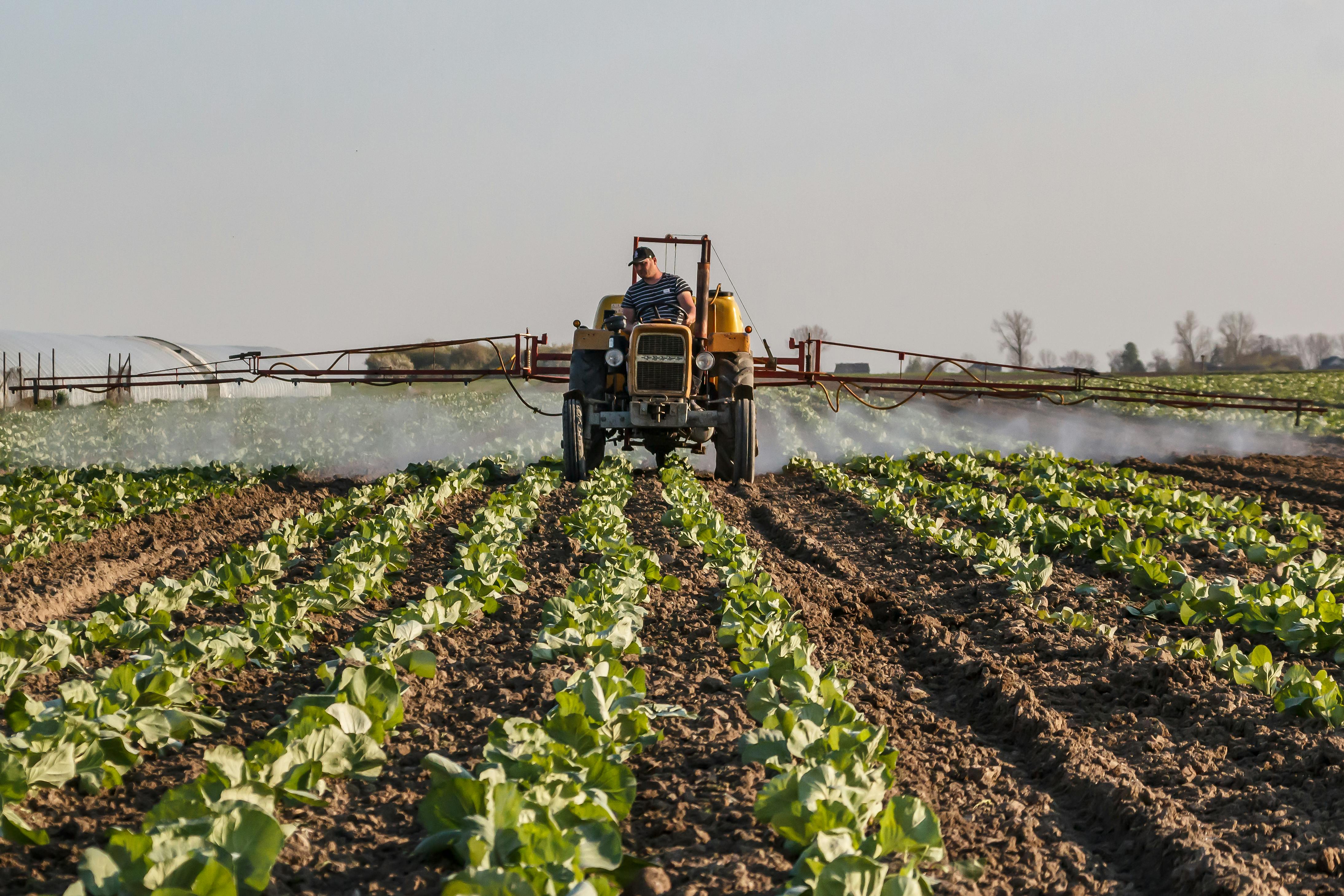
Kenya's agricultural sector contributes over 30% to the Gross Domestic Product (GDP) and employs more than 70% of the rural population. However, decades of intensive farming, minimal nutrient replenishment, and reliance on chemical fertilizers have led to widespread soil degradation. The Food and Agriculture Organization (FAO) estimates that over a third of global soils are degraded, with sub-Saharan Africa, including Kenya, being particularly vulnerable. This degradation manifests as reduced organic matter, nutrient depletion, and increased soil acidity, directly impacting crop yields and farmer livelihoods.
The shift towards sustainable agriculture and organic farming in Kenya is not merely an environmental choice but an economic necessity. Organic farming practices, including the use of biochar, offer a holistic approach to rebuilding soil health, enhancing biodiversity, and ensuring long-term food security. With rising costs of synthetic fertilizers, farmers are actively seeking affordable, effective alternatives that can be sourced locally and produced sustainably. Biochar, derived from agricultural waste through pyrolysis, perfectly aligns with this need, turning a disposal challenge into a valuable soil amendment.
Key Insights & Strategies for Biochar Adoption

Embracing biochar in Kenyan farming involves understanding its production, application, and synergistic benefits. These strategies are designed to maximize the positive impact on soil fertility and crop productivity.
Optimal Biochar Production for Enhanced Efficacy
Producing high-quality biochar is foundational to its success. The pyrolysis temperature is critical for creating a biochar structure that effectively retains nutrients and water.
For effective soil management, understanding your soil's current condition is paramount. Boost your yields with the MySoil Soil Test Kit – available on Amazon . This kit provides complete and accurate nutrient and pH analysis, tailored to your soil and plant needs, ensuring you make informed decisions about biochar application.
Strategic Integration with Compost for Nutrient Retention
Biochar's true potential is often unlocked when it is 'charged' or mixed with other organic amendments, particularly compost.
Efficient composting is key to this strategy. Consider investing in a robust solution like the Geobin Compost Bin – 246 Gallon, Expandable, Easy Assembly, available on Amazon , to effectively produce the compost needed to charge your biochar and nourish your soil.
Targeting Acidic Soils for Maximum Yield Gains
Biochar's liming effect makes it particularly beneficial for acidic soils, common in many parts of Kenya.
To further explore sustainable organic farming solutions and partnerships, Explore sustainable organic farming solutions with Biofarm Kenya .
Case Studies: Kenyan Farmers Thriving with Biochar
Across Kenya, smallholder farmers are demonstrating the transformative power of biochar. In Kisii County, known for its tea and maize farming, Sarah Wanjiku, a maize farmer, adopted biochar application on her acidic soil. After just two seasons, her maize yields increased by an average of 25%, significantly boosting her household income and food security. She primarily used maize stalks and coffee husks from her farm as feedstock for biochar production, turning waste into wealth. This success story is echoed in the Rift Valley, where horticultural farmers are integrating biochar with compost in their greenhouse operations, reporting healthier plants, reduced pest incidence, and improved water retention, leading to less irrigation.
These local innovations align with broader efforts by organizations like the International Biochar Initiative (IBI) and the Circular Bio-nutrient Economy Network (CBEN), which are actively promoting biochar adoption in Africa. The upcoming First IBI Biochar Academy in Thika, Kenya, in June 2025, is set to further empower farmers with advanced training on carbon markets, nutrient recovery, and hands-on biochar production. Such initiatives, supported by the Ministry of Agriculture, Livestock, Fisheries and Co-operatives, are crucial in disseminating knowledge and fostering a resilient agricultural sector.
Common Mistakes to Avoid in Biochar Application
While biochar offers immense benefits, improper application can limit its effectiveness. Being aware of these common pitfalls can help Kenyan farmers maximize their investment.
Expert Tips & Best Practices for Maximizing Biochar Benefits
Leveraging biochar effectively requires a strategic approach tailored to local conditions and farming goals. These expert tips, refined through years of practical application and research, will help Kenyan farmers unlock the full potential of this black gold.
For deeper insights into sustainable farming practices and to connect with valuable resources, Explore sustainable organic farming solutions with Biofarm Kenya .
Future Trends: Innovation in Sustainable Kenyan Agriculture
The future of Kenyan agriculture is intrinsically linked with innovation and sustainability. Biochar is just one piece of a larger puzzle. Emerging trends point towards a blend of traditional ecological wisdom and cutting-edge technology. Smart irrigation systems, capable of precise water delivery based on real-time soil moisture data, are gaining traction, further optimizing water use alongside biochar's water retention capabilities. Vertical farming and urban agriculture initiatives are addressing land scarcity, particularly around growing urban centers like Nairobi and Mombasa, offering high-yield, low-footprint food production.
Moreover, AI-driven crop monitoring, satellite imagery for early disease detection, and precision agriculture techniques are becoming more accessible. These technologies empower farmers with data-driven insights, allowing for more efficient resource management and proactive problem-solving. Genetic research focusing on drought-resistant and nutrient-efficient crop varieties will also play a crucial role in adapting to climate change. Biofarm Kenya continues to monitor these trends, ensuring that our farmers have access to the most effective and sustainable solutions to secure their future prosperity.
Conclusion: A Sustainable Path to Prosperity
The journey towards a more resilient and prosperous agricultural sector in Kenya is one that demands innovation, collaboration, and a deep respect for our most fundamental resource: soil. This guide has illuminated the transformative potential of biochar, a low-cost, locally producible solution that empowers Kenyan farmers to combat soil degradation, reduce input costs, and significantly boost crop yields. By adopting evidence-backed steps for biochar production and strategic application, particularly in acidic soils, farmers can achieve yield gains of up to 30%, as demonstrated by local trials.
Embracing biochar is more than just a farming technique; it's a commitment to sustainable land stewardship, circular economy principles, and a healthier future for our communities. It's about turning agricultural waste into a valuable resource, fostering self-sufficiency, and building a foundation for long-term food security. With the right knowledge, tools, and community support, every Kenyan farmer can become a champion of soil health, paving the way for a vibrant and sustainable agricultural landscape.
To discover trusted organic farming tools and resources, explore comprehensive selections on Amazon and learn more about sustainable solutions with Biofarm Kenya .
FAQs: Your Biochar Questions Answered
1. What is biochar and how does it improve soil?
Biochar is a charcoal-like substance made by heating organic biomass (like wood, crop residues, or manure) in a low-oxygen environment, a process called pyrolysis. When incorporated into soil, biochar improves soil structure, increases water and nutrient retention, enhances microbial activity, and can raise soil pH in acidic conditions, leading to healthier plants and higher yields. Learn more from FAO.
2. How can Kenyan farmers produce biochar cheaply?
Kenyan farmers can produce biochar at low cost using readily available agricultural waste like maize stalks, coffee husks, or firewood. Simple, locally constructed kilns such as Kon-Tiki kilns or modified drum kilns allow for efficient pyrolysis using minimal resources. These methods convert farm waste into valuable soil amendment, reducing disposal costs and providing a sustainable input. Explore Biofarm Kenya's guide on low-cost biochar production.
3. What is the ideal application rate for biochar in Kenyan farms?
The ideal application rate for biochar varies depending on soil type, crop, and existing soil conditions. Generally, a range of 5-10 tonnes per hectare (or mixing 10-15% biochar with compost) is effective for initial applications. For acidic or severely degraded soils, slightly higher rates may be beneficial. Always consider soil test results to fine-tune your application. Consult KALRO's research for specific recommendations.
4. Can biochar replace chemical fertilizers entirely?
Biochar is primarily a soil amendment and a carbon sequester, not a complete fertilizer. While it significantly enhances nutrient retention and availability, it works best when integrated with other organic inputs like compost, manure, or reduced chemical fertilizers. It can reduce the reliance on chemical inputs but often doesn't replace them entirely, especially in the short term. Refer to Jomo Kenyatta University's agricultural studies on integrated soil fertility management.
5. How long do the benefits of biochar last in the soil?
One of biochar's most significant advantages is its longevity. Due to its stable carbon structure, biochar can remain in the soil for hundreds to thousands of years, providing long-term benefits to soil fertility, water retention, and carbon sequestration. Its effects are cumulative, improving soil health with each passing season. Read more about biochar's long-term carbon sequestration from National Geographic.
6. Are there any environmental concerns with biochar production?
When produced correctly through controlled pyrolysis, biochar production is environmentally beneficial, converting waste into a stable carbon form and reducing greenhouse gas emissions compared to open burning. However, improper pyrolysis can lead to air pollution. It's crucial to use efficient kilns and sustainable biomass sources to ensure environmental responsibility. Check NEMA guidelines for sustainable biomass utilization.


0 Comments