

Estimated Reading Time: 15 minutes
In Kenya, the rhythm of agriculture has long been dictated by unpredictable weather patterns. Farmers, the backbone of our nation's food security, face increasing pressure from erratic rainfall, a challenge projected to worsen. With erratic rainfall patterns worsening in 2026, solar irrigation adoption queries have spiked 47% year-on-year among smallholders. This guide trains farmers to install and manage solar pump systems for year-round vegetable farming, ensuring a resilient and prosperous future for their farms. By embracing solar-powered irrigation, Biofarm Kenya aims to empower farmers to overcome these climatic hurdles, boost their yields, and secure a sustainable income.
TL;DR:
Key Takeaways:
Table of Contents:
- Background & ContextKey Insights or StrategiesCase Studies, Examples, or ComparisonsCommon Mistakes to AvoidExpert Tips or Best PracticesFuture Trends or PredictionsConclusionFAQs
Background & Context
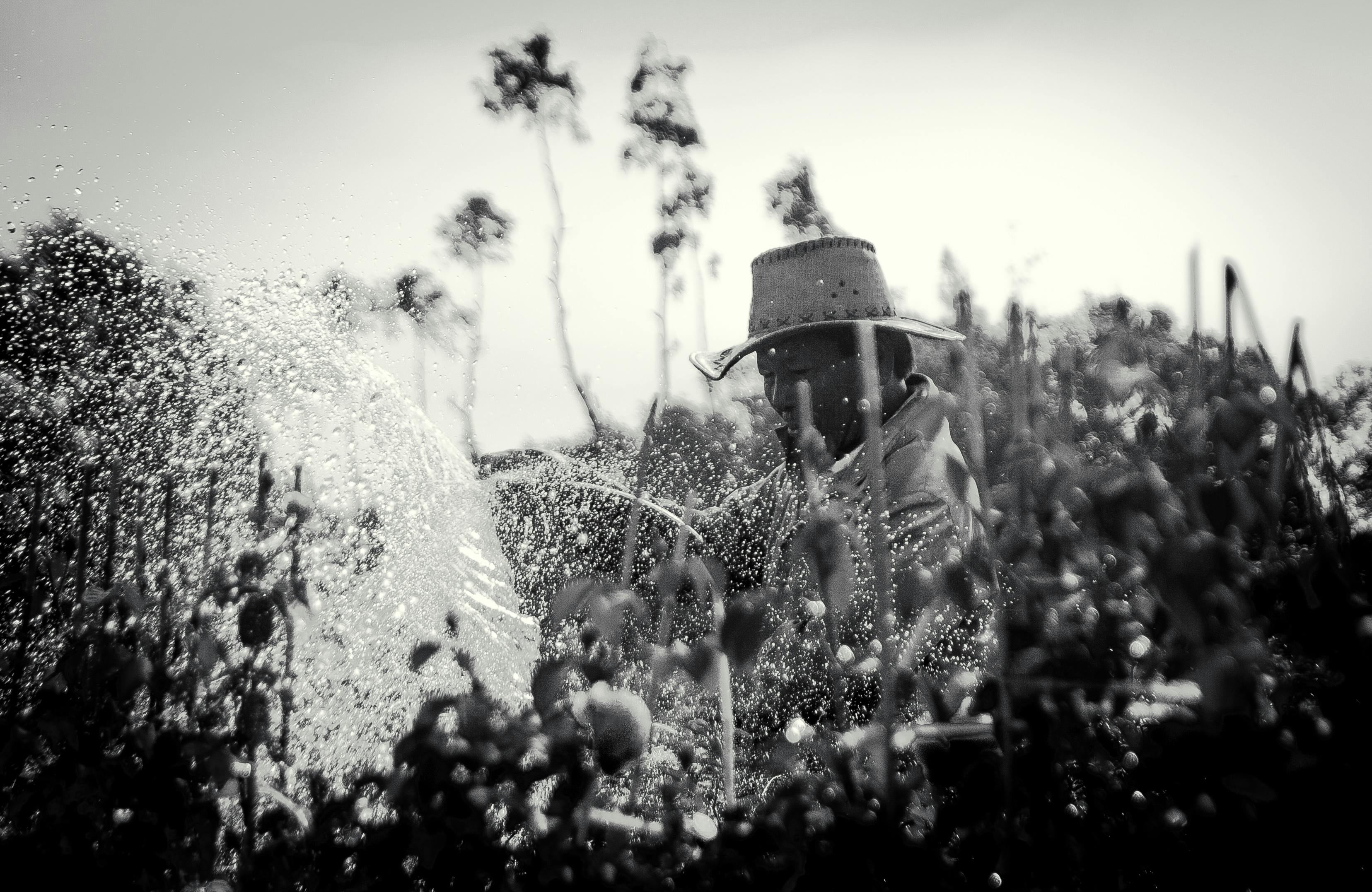
Kenya's agricultural sector, a cornerstone of its economy, faces increasing vulnerabilities due to climate change. Erratic rainfall, prolonged dry spells, and unpredictable weather patterns pose significant threats to smallholder farmers who rely heavily on rain-fed agriculture. This instability directly impacts food security, income generation, and the overall resilience of rural communities. The urgency for sustainable solutions is paramount, pushing for innovations that can buffer farms against climatic shocks.
Organic farming and sustainable agriculture are not just environmental buzzwords; they are crucial strategies for building long-term resilience. By improving soil fertility, conserving water, and reducing reliance on synthetic inputs, farmers can create healthier ecosystems and more stable yields. Data from the Kenya National Bureau of Statistics (KNBS) indicates a growing interest and adoption of sustainable farming practices, reflecting a shift towards more environmentally conscious and economically viable methods. The integration of modern technologies, such as solar irrigation, with traditional organic practices represents a powerful synergy for agricultural transformation in Kenya.
The vision for sustainable farm growth in Kenya is intrinsically linked to water management. With over 80% of Kenya classified as arid or semi-arid land, efficient water use is not just a preference but a necessity. Solar-powered irrigation systems offer a decentralized, cost-effective, and environmentally friendly alternative to traditional diesel pumps, reducing operational costs and carbon footprints. These systems unlock the potential for year-round cultivation, especially for high-value vegetable crops, thereby transforming subsistence farming into profitable agribusinesses.
Key Insights or Strategies

Adopting solar irrigation systems requires strategic planning and implementation to maximize benefits. For smallholder farmers in Kenya, understanding the core principles behind these systems is the first step towards achieving sustainable farm growth and increased income.
1. Selecting the Right Solar Pump System
The heart of your solar irrigation lies in choosing the appropriate pump. Key steps include:
2. Optimizing Water Distribution with Drip Irrigation
Solar pumps are only as efficient as the irrigation method they power. Drip irrigation is paramount for water conservation and precise delivery.
3. Integrating Battery Storage for Uninterrupted Supply
For consistent year-round vegetable farming, especially during cloudy days or for evening irrigation, battery storage is critical.
By implementing these strategies, farmers can transition to a more resilient and profitable agricultural model. Explore sustainable organic farming solutions with Biofarm Kenya for further guidance and support in your journey.
Case Studies, Examples, or Comparisons
The success stories of Kenyan smallholder farmers adopting solar irrigation are a testament to its transformative power. These real-world examples demonstrate how embracing sustainable practices and technology can lead to unprecedented growth and resilience.
Consider the story of Mary Wanjiku from Murang'a County. Historically reliant on erratic rainfall for her half-acre vegetable farm, Mary often faced significant crop losses during dry seasons. After installing a small 12V solar irrigation pump coupled with a drip system, her farm transformed. She was able to cultivate vegetables like kales, spinach, and tomatoes year-round. Her income, which previously fluctuated wildly, stabilized and grew by an estimated 2.5 times within the first year, allowing her to invest further in improved seeds and organic fertilizers. Her success mirrors the findings from Jomo Kenyatta University (2025), which shows solar-irrigated farms yield 3x more income than rain-fed counterparts during dry seasons, highlighting the profound economic impact.
Another compelling example comes from a cooperative in Kitui County. Facing persistent water scarcity, the cooperative invested in a larger 24V solar pump system to draw water from a communal borehole, feeding a network of micro-irrigation systems for several member farms. This collective approach not only ensured water access but also fostered a spirit of collaboration and shared prosperity. The farms, now consistently irrigated, diversified into high-value crops like capsicum and chillies, which thrive with controlled water application. This shift has not only boosted their collective income but also significantly improved the nutritional status of their families and surrounding communities.
These cases stand in stark contrast to traditional rain-fed farming, where crop cycles are entirely at the mercy of the weather. During prolonged dry spells, rain-fed farmers often experience total crop failure, leading to food insecurity and financial distress. Solar irrigation provides a critical buffer, decoupling agricultural productivity from rainfall variability. Furthermore, compared to diesel-powered pumps, solar systems eliminate fuel costs and reduce carbon emissions, offering a cleaner, more economical, and environmentally responsible solution. According to a report by the Food and Agriculture Organization (FAO) on sustainable water management in sub-Saharan Africa, the widespread adoption of solar-powered irrigation is pivotal for achieving food security and poverty reduction in regions prone to water stress, echoing the successes seen in Kenya. Source: FAO - Water Scarcity.
Common Mistakes to Avoid
While solar irrigation offers immense potential, certain pitfalls can hinder its effectiveness. Avoiding these common mistakes is crucial for ensuring your investment yields maximum returns and long-term sustainability.
By being mindful of these common missteps, smallholder farmers can ensure their solar irrigation systems operate efficiently, reliably, and sustainably for years to come.
Expert Tips or Best Practices
Maximizing the benefits of solar irrigation goes beyond installation; it involves integrating best practices that enhance efficiency, prolong system life, and boost farm productivity. Here are some expert, locally relevant tips for Biofarm Kenya’s farmers:
By adopting these expert tips, Kenyan farmers can transform their solar irrigation systems into powerful engines for sustainable growth, ensuring productivity and resilience against a changing climate.
Future Trends or Predictions
The landscape of sustainable agriculture in Kenya is continuously evolving, driven by innovation and the urgent need for climate resilience. Solar irrigation, while already transformative, is just one piece of a broader technological revolution poised to reshape farming practices. Several emerging trends promise to further enhance productivity, efficiency, and sustainability for smallholder farmers.
One significant trend is the rise of smart irrigation systems. These advanced setups go beyond simple timers, utilizing sensors to monitor soil moisture, weather conditions, and even plant stress levels in real-time. By connecting to cloud-based platforms, these systems can automatically adjust irrigation schedules and water volumes, optimizing water use and nutrient delivery with unparalleled precision. Imagine your irrigation system knowing exactly when and how much to water, reducing human error and maximizing resource efficiency.
Another area of rapid development is vertical farming and controlled environment agriculture (CEA). While currently more capital-intensive, innovations are making these systems more accessible. Vertical farms can dramatically increase yields per square meter, especially for high-value crops, and can be integrated with solar power to create self-sufficient food production units. This is particularly relevant for urban and peri-urban areas where land is scarce, offering a pathway to localized food security.
Furthermore, AI-driven crop monitoring and precision agriculture are becoming increasingly sophisticated. Drones equipped with multispectral cameras can assess crop health, detect pest infestations, and identify nutrient deficiencies long before they are visible to the human eye. Coupled with AI algorithms, this data can provide actionable insights, enabling farmers to apply inputs precisely where and when needed, minimizing waste and maximizing effectiveness. Such technologies, initially for large-scale operations, are being scaled down and made more affordable for smaller farms, especially through smartphone applications and localized service providers.
Finally, the integration of blockchain technology in agricultural supply chains is gaining traction. This can enhance traceability, verify organic certifications, and ensure fair pricing for farmers by providing transparent records of produce from farm to market. These future trends, when combined with foundational technologies like solar irrigation, will create a highly efficient, resilient, and transparent agricultural ecosystem, ensuring a sustainable and prosperous future for Kenyan farmers.
Conclusion
The journey towards sustainable farm growth in Kenya is both a challenge and an immense opportunity. As we've explored, the adoption of solar irrigation systems is not merely a technological upgrade but a fundamental shift towards resilience, increased income, and environmental stewardship. The increasing adoption queries among smallholders, driven by worsening erratic rainfall, underscore the critical need for solutions that empower farmers to take control of their agricultural future. By installing and managing solar pump systems, embracing efficient drip irrigation, understanding crop water needs through ET coefficients, and integrating battery storage for year-round reliability, farmers can transform their farms into thriving, sustainable enterprises. The evidence from Jomo Kenyatta University (2025) showing 3x higher income for solar-irrigated farms during dry seasons is a powerful testament to this potential.
Biofarm Kenya is committed to guiding you through every step of this transformation. From selecting the right 12V or 24V pump kits to mastering soil management and adopting future-forward farming trends, we provide the knowledge and resources necessary for your success. We encourage every farmer to seize this opportunity, moving beyond rain-fed dependency towards a future of predictable yields and enhanced profitability. Discover trusted organic farming tools on Amazon and learn more about sustainable solutions with Biofarm Kenya. Your sustainable, prosperous farm awaits.
FAQs
Q1: How does solar irrigation truly boost income for smallholder farmers in Kenya?
A1: Solar irrigation ensures consistent water supply, allowing farmers to cultivate crops year-round, including during dry seasons when rain-fed farms fail. This enables multiple harvests, higher yields of high-value crops (like vegetables), and access to markets throughout the year, leading to significantly increased and stable income. Studies, such as those cited by Jomo Kenyatta University (2025), indicate up to a 3x income increase compared to rain-fed agriculture in dry periods. Source: Climate Impact Partners
Q2: What's the difference between 12V and 24V solar pump kits, and how do I choose?
A2: 12V pump kits are generally suitable for smaller farms with lower water demands and shallower wells (up to 30-50 feet deep). They are simpler and often less expensive. 24V systems, on the other hand, provide more power, allowing for higher flow rates and pumping from greater depths or over longer distances, making them ideal for larger farms or more demanding irrigation needs. The choice depends on your farm's size, water source depth, and daily water requirements. Source: Solar Sasa Kenya
Q3: How do ET crop coefficients help in calculating water needs, and where can I find this data for Kenya?
A3: ET (Evapotranspiration) crop coefficients (Kc) are factors used to estimate the actual water required by a specific crop at different growth stages, based on reference evapotranspiration (ETo) for a region. ETo represents the water evaporated from a standardized reference crop. By multiplying ETo by Kc, you get the precise water needs (ETc) of your crop, optimizing water use and preventing waste. Data for Kenya can be found through the Ministry of Agriculture's extension services, agricultural research institutions like KALRO, or FAO guidelines for sub-Saharan Africa. Source: FAO
Q4: Is battery storage essential for a solar irrigation system, or can I operate without it?
A4: Battery storage is not strictly essential if you only plan to irrigate during sunny daylight hours. Many small solar irrigation systems operate directly from solar panels. However, integrating battery storage allows your pump to function during cloudy periods, at night, or when solar energy generation is low. This ensures uninterrupted water supply for sensitive crops and offers flexibility in irrigation scheduling, which is crucial for consistent year-round vegetable farming. Source: AquaHub Kenya
Q5: What are the key steps for proper maintenance of a solar irrigation system to ensure longevity?
A5: Regular maintenance is vital. Key steps include: 1) Regularly cleaning solar panels to remove dust and dirt, ensuring maximum sunlight absorption. 2) Inspecting all electrical connections for corrosion or damage. 3) Checking the pump for unusual noises or leaks and ensuring it's free from debris. 4) Cleaning or replacing filters in your drip irrigation system to prevent clogging. 5) Monitoring water levels in your source and ensuring pipes are free of blockages. A well-maintained system will last longer and perform efficiently. Source: Biofarm Kenya Partners
Q6: How can Biofarm Kenya help me adopt solar irrigation and sustainable farming practices?
A6: Biofarm Kenya provides comprehensive resources, training, and partnerships to help smallholder farmers transition to sustainable organic farming, including solar irrigation. We offer expert guidance on system selection, installation best practices, water management techniques, and access to a network of reliable suppliers and technicians. Our goal is to empower farmers with the knowledge and tools to achieve food security, environmental sustainability, and increased economic prosperity. Source: Biofarm Kenya Partners
Meta Description: Struggling with erratic rainfall? Install and manage solar pump systems for your farm. Boost income 3x, ensure year-round vegetable farming, and achieve sustainable agriculture.
Slug: solar-irrigation-farm-guide


0 Comments