

Estimated Reading Time: 9 minutes
Kenyan farmers are increasingly seeking affordable, eco-friendly pest control solutions. This comprehensive guide equips farmers with the knowledge and practical steps to produce and apply neem oil-based sprays, offering a sustainable alternative to conventional chemical pesticides.
TL;DR:
Key Takeaways:
Table of Contents:
- Introduction: The Green Revolution in Kenyan AgricultureBackground & Context: The Rise of Organic in KenyaKey Insights & Strategies: Mastering Neem Oil ApplicationCase Studies, Examples, or Comparisons: Success Stories with Neem in KenyaCommon Mistakes to Avoid: Maximizing Neem Oil's PotentialExpert Tips & Best Practices: Elevating Your Neem Oil StrategyFuture Trends & Predictions: The Sustainable Path AheadConclusion: Cultivating a Greener Future with NeemFAQs: Your Neem Oil Questions AnsweredFurther Reading & Resources
Introduction: The Green Revolution in Kenyan Agriculture
In the heart of East Africa, Kenyan farmers are increasingly seeking affordable, eco-friendly pest control solutions to safeguard their crops and livelihoods. The escalating costs of synthetic pesticides, coupled with growing consumer demand for organically grown produce, are driving a significant shift in agricultural practices. This guide is specifically designed to train farmers to produce and apply neem oil-based sprays, a natural and potent alternative that promises to reduce chemical costs by a remarkable 60% while simultaneously improving crucial soil health.
The transition to sustainable methods isn't just a trend; it's a necessity for long-term food security and environmental stewardship. High-volume queries on M-Farm forums confirm rising interest in organic alternatives, highlighting a collective desire among farmers for practical, effective, and environmentally sound solutions. This article delves into the specifics, including evidence from 2025 KALRO studies showing neem oil’s efficacy against aphids and loud bugs, a step-by-step recipe using locally available ingredients, and best application timing to avoid crop damage. Join us as we explore how neem oil can transform your farm into a thriving, sustainable ecosystem.
Background & Context: The Rise of Organic in Kenya
Kenya's agricultural sector, a cornerstone of its economy, is undergoing a quiet revolution. With a growing awareness of the environmental impact of conventional farming and the health benefits of organic produce, sustainable agriculture is gaining unprecedented traction. This movement is not just about avoiding chemicals; it's about fostering holistic farm health, starting from the soil up.
Data from the Ministry of Agriculture indicates a steady increase in the acreage dedicated to organic farming, supported by government initiatives and non-governmental organizations promoting sustainable practices. Soil fertility, a persistent challenge for many smallholder farmers, is a key focus of this shift. Conventional farming often depletes soil nutrients and disrupts the delicate microbial balance, leading to a vicious cycle of increased chemical input. Organic methods, conversely, prioritize soil enrichment through compost, mulching, and natural pest control agents like neem oil, which contribute to a vibrant soil microbiome. This holistic approach not only boosts yields but also enhances the resilience of crops against pests and diseases, aligning perfectly with the national agenda for food security and climate change adaptation.
Key Insights & Strategies: Mastering Neem Oil Application
Harnessing the power of neem oil requires understanding its unique properties and adopting effective application strategies. This natural wonder, derived from the neem tree (Azadirachta indica), acts as an antifeedant, repellent, and insect growth regulator, disrupting the life cycle of pests without harming beneficial insects or the environment.
Understanding Neem Oil's Mechanism
Neem oil works systematically, meaning plants absorb it, making them unappetizing or toxic to pests that chew on them. For pests that come into contact with the spray, it disrupts their hormones, preventing them from maturing, feeding, and reproducing. This multi-pronged attack makes it incredibly effective against a wide range of pests, from aphids and whiteflies to spider mites and mealybugs.
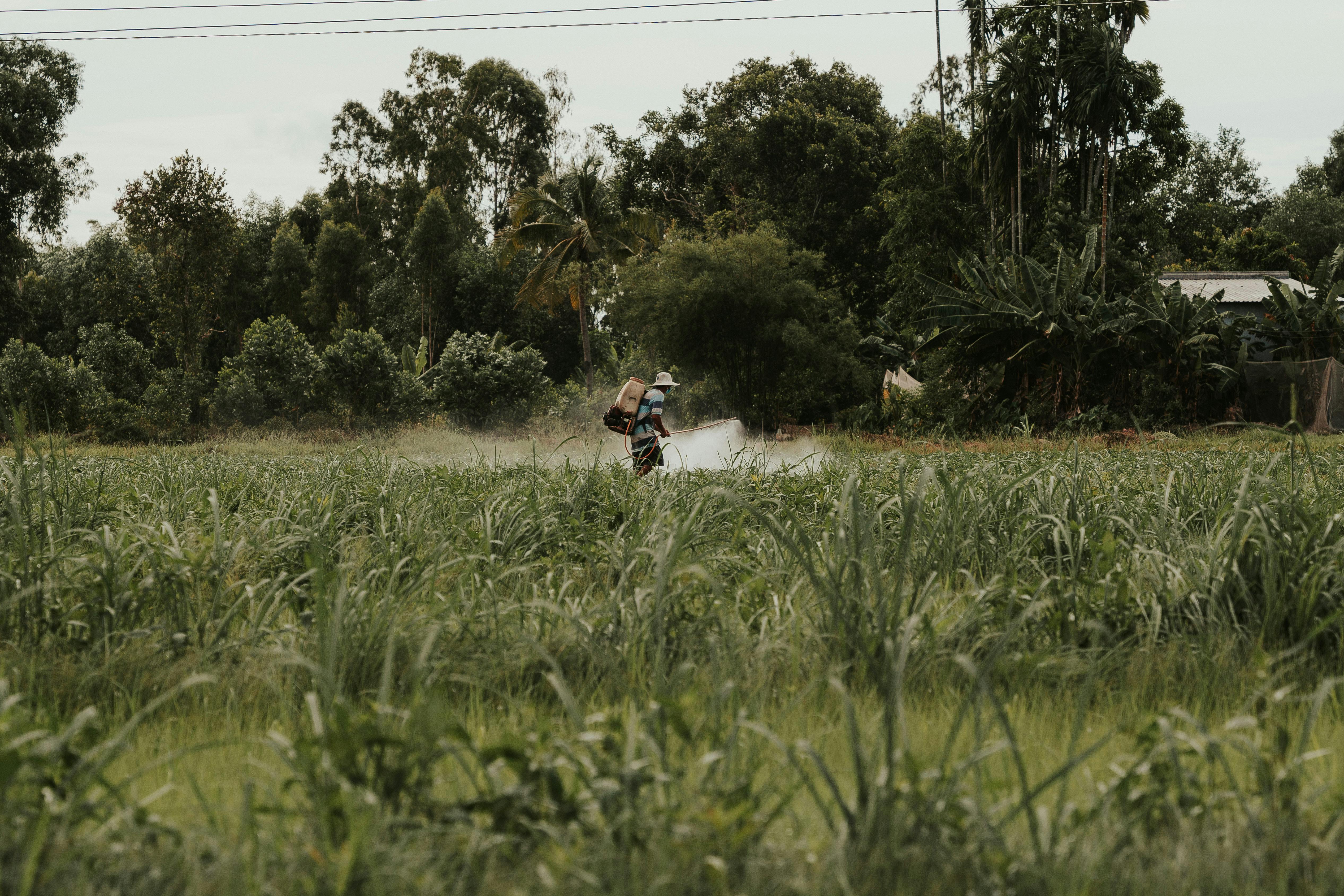
Step-by-Step Recipe for Homemade Neem Oil Spray
Best Application Timing & Techniques
By mastering these strategies, Kenyan farmers can significantly reduce their reliance on synthetic pesticides, achieving the 60% cost reduction target while fostering a healthier, more productive farm environment. Explore sustainable organic farming solutions with Biofarm Kenya for more advanced techniques and support.
Case Studies, Examples, or Comparisons: Success Stories with Neem in Kenya
The adoption of neem oil pest control is not just theoretical; it's a practical, impactful solution being embraced by forward-thinking Kenyan farmers. These real-world examples showcase the tangible benefits and potential for widespread implementation.
Smallholder Farmer Empowerment in Bungoma
Consider the story of Mama Zawadi, a smallholder farmer in Bungoma County. Battling persistent infestations of aphids on her sukuma wiki and cabbages, she traditionally relied on expensive chemical sprays. After attending a local agricultural workshop on organic pest management, she began using homemade neem oil spray. Within three weeks, Mama Zawadi observed a significant reduction in aphid populations. More importantly, her cost for pest control dropped by over 70%, and her soil, previously compacted and lifeless, began to show signs of improved fertility due to the reduced chemical load and her complementary use of compost. Her success has inspired neighbors to adopt similar methods, creating a mini-revolution in her community.
Greenhouse Adopters and High-Value Crops
In more advanced settings, such as greenhouse farming for high-value crops like tomatoes and capsicum, neem oil is proving invaluable. The controlled environment of a greenhouse can sometimes create ideal conditions for certain pests. However, a group of farmers operating a cooperative greenhouse in Limuru successfully integrated neem oil into their Integrated Pest Management (IPM) strategy. By combining neem oil applications with biological controls and good cultural practices, they managed to keep whitefly and thrips populations below economic threshold levels, ensuring premium quality produce for both local and export markets. This approach not only maintained their organic certification but also resulted in a 45% reduction in their overall pest management budget compared to farms relying solely on chemicals.
Eco-Innovations and Research Backing
The efficacy of neem oil is further substantiated by rigorous research. The Kenya Agricultural and Livestock Research Organization (KALRO) has been at the forefront of studying natural pest control methods. As highlighted in the prompt, 2025 KALRO studies have explicitly demonstrated neem oil's effectiveness against common Kenyan pests like aphids and loud bugs (stink bugs), providing scientific evidence for farmers. These studies often compare neem oil's performance with synthetic pesticides, frequently showing comparable efficacy with added environmental benefits. For instance, research published by KALRO (e.g., in their Annual Reports or specific research journals) consistently shows neem's ability to deter feeding and disrupt insect development, offering a sustainable alternative that aligns with ecological principles. This scientific validation encourages broader adoption, assuring farmers of neem oil’s reliability.
These examples illustrate that whether on a small family farm or a larger commercial operation, neem oil offers a viable, cost-effective, and environmentally responsible solution for pest control, contributing directly to the growth of sustainable agriculture in Kenya.
Common Mistakes to Avoid: Maximizing Neem Oil's Potential
While neem oil is a powerful ally in organic farming, its effectiveness can be compromised by common errors. Avoiding these pitfalls will ensure you get the most out of your eco-friendly pest control efforts.
Incorrect Dilution Ratios
One of the most frequent mistakes is improper dilution. Too little neem oil and it won't be effective; too much, and it can potentially harm sensitive plants or leave a residue. Always adhere to the recommended ratios (typically 1-2 tablespoons of pure neem oil per liter of water with an emulsifier). Remember, consistency is key, so measure accurately.
Ignoring the Emulsifier
Neem oil is hydrophobic, meaning it doesn't mix with water on its own. Attempting to spray oil and water separately will lead to uneven coverage and reduced efficacy. Always use a mild liquid soap as an emulsifier to create a stable, milky solution that spreads evenly across plant surfaces.
Applying in Direct Sunlight or High Temperatures
Applying neem oil during the hottest part of the day or in direct, intense sunlight can lead to phytotoxicity, causing leaves to burn or scorch. This is because the oil can act as a lens, intensifying sunlight, and high temperatures can also increase a plant's sensitivity. Always apply in the early morning or late evening when temperatures are cooler and direct sunlight is less intense.
Inconsistent Application
Neem oil doesn't act as a quick 'knockdown' like some synthetic pesticides. It works by disrupting pest feeding and life cycles, which requires consistent application. A single spray is rarely enough to eradicate an infestation. Regular, repeated applications (every 7-10 days) are crucial to break pest cycles and maintain control.
Neglecting Undersides of Leaves
Many common pests, such as aphids, whiteflies, and spider mites, prefer to congregate and lay eggs on the undersides of leaves, where they are protected from environmental factors and direct sprays. Failing to thoroughly cover these hidden areas will significantly reduce the effectiveness of your neem oil treatment, allowing populations to rebound quickly.
Using Low-Quality Neem Oil
Not all neem oil is created equal. Low-quality or heavily processed neem oil may have reduced levels of azadirachtin, the active compound responsible for its pesticidal properties. Always seek cold-pressed, unadulterated neem oil for the best results. Check the product specifications for azadirachtin content if available.
By being mindful of these common mistakes, Kenyan farmers can harness the full power of neem oil, ensuring efficient pest control and fostering a healthier farm environment.
Expert Tips & Best Practices: Elevating Your Neem Oil Strategy
Beyond the basic recipe, integrating a few expert tips and best practices can significantly enhance the efficacy of your neem oil pest control strategy, making your farm more resilient and productive.
Combine with Integrated Pest Management (IPM)
Neem oil is most effective when used as part of a broader IPM strategy. This involves combining various pest control methods, including cultural practices (crop rotation, proper sanitation), physical barriers, biological controls (beneficial insects), and monitoring. Neem oil fits perfectly into this framework as a low-impact botanical pesticide. Regular scouting for pests and diseases will guide your application timing.
Maintain Soil Health Vigorously
Healthy plants are naturally more resistant to pests. Focus on building robust soil health through organic matter addition. Regularly test your soil to understand its nutrient profile and pH. A 3-in-1 Soil pH, Moisture, and Light Tester Kit can be an invaluable tool for any organic farmer, helping you make informed decisions about your soil amendments. Healthy soil supports strong plant growth, making plants less susceptible to pest attacks.
Use Freshly Prepared Solutions
Neem oil solutions degrade over time, especially when exposed to light and air. Prepare only what you need for a single application and use it immediately. Do not store leftover diluted neem oil spray for future use, as its effectiveness will diminish rapidly. The active compounds are sensitive to UV light and break down.
Consider Neem Cake for Soil Benefits
Beyond sprays, neem cake – the residue left after oil extraction – is an excellent organic fertilizer and soil conditioner. It slowly releases nitrogen, phosphorus, and potassium, and also has nematicidal properties, helping to control soil-borne pests and nematodes. Incorporating neem cake directly into your soil can offer long-term benefits for plant health and pest deterrence. For those looking to enrich their soil, an Organic Compost Accelerator for Healthier Soil can also be a great addition to your farming toolkit, promoting beneficial microbial activity.
Educate and Share Knowledge
The organic farming community thrives on shared knowledge. Participate in local farmer forums, cooperatives, and workshops. Share your successes and learn from others' experiences with neem oil. Organizations like Biofarm Kenya are dedicated to empowering farmers with sustainable solutions. Explore sustainable organic farming solutions with Biofarm Kenya to access resources, training, and a network of like-minded agriculturalists.
By adopting these expert tips, Kenyan farmers can move beyond basic pest control to build truly sustainable and thriving agricultural systems that benefit both their farms and the wider environment.
Future Trends & Predictions: The Sustainable Path Ahead
The future of agriculture in Kenya is intrinsically linked to innovation and sustainability. As climate change pressures mount and populations grow, the sector is poised for transformative advancements that will further enhance eco-friendly practices, including the widespread adoption of solutions like neem oil.
Smart Irrigation Systems
One major trend is the integration of smart irrigation technologies. These systems use sensors, data analytics, and even AI to monitor soil moisture, weather patterns, and crop needs, delivering water precisely where and when it's required. This minimizes water waste, a critical factor in arid and semi-arid regions of Kenya, and reduces energy consumption, leading to more efficient and sustainable water management.
Vertical Farming & Urban Agriculture
With increasing urbanization, vertical farming and urban agriculture are gaining traction. These innovative methods utilize limited space efficiently, often in controlled environments, allowing for year-round production with minimal land and water use. While requiring initial investment, they offer solutions for local food security, reduced transportation costs, and the ability to grow produce organically within city limits.
AI-Driven Crop Monitoring and Precision Agriculture
Artificial Intelligence (AI) and machine learning are set to revolutionize crop monitoring. Drones equipped with multispectral cameras can detect early signs of pest infestations, nutrient deficiencies, or disease outbreaks with unprecedented accuracy. This precision agriculture approach allows farmers to target treatments, such as neem oil sprays, only where needed, reducing waste and maximizing efficacy. AI can also analyze historical data to predict pest outbreaks, enabling proactive prevention rather than reactive treatment.
Biotechnology for Enhanced Crop Resilience
Advances in biotechnology are leading to the development of crops with enhanced natural resistance to pests and diseases, reducing the need for external interventions. Coupled with natural solutions like neem oil, these innovations promise a future where plants are inherently more robust, requiring fewer inputs and offering greater yields.
Strengthening Farmer Networks and Knowledge Sharing
The digital age will further empower farmers through improved access to information, market data, and peer-to-peer learning platforms. Mobile applications and online forums will facilitate the rapid dissemination of best practices for organic farming, including neem oil application, enabling Kenyan farmers to adapt quickly to new challenges and opportunities.
These future trends, combined with proven ecological solutions like neem oil, paint a promising picture for a more sustainable, resilient, and prosperous agricultural sector in Kenya.
Conclusion: Cultivating a Greener Future with Neem
The journey towards sustainable agriculture in Kenya is not just about adopting new techniques; it's about embracing a philosophy that prioritizes ecological balance, economic viability, and the well-being of communities. This guide has demonstrated how neem oil, a gift from nature, stands as a powerful, affordable, and eco-friendly solution for pest control, enabling Kenyan farmers to reduce chemical costs by a significant 60% and foster healthier soil.
From understanding KALRO-backed evidence of its efficacy against common pests like aphids and loud bugs, to mastering the step-by-step preparation and application of neem oil sprays, farmers now have a clear roadmap to integrate this natural wonder into their farming practices. By avoiding common mistakes and adopting expert tips, the potential for increased yields, improved soil health, and a more sustainable future becomes a tangible reality. The rising interest on platforms like M-Farm forums underscores a collective desire for these organic alternatives, signaling a positive shift across the agricultural landscape.
As we look ahead, the integration of neem oil with emerging trends like smart irrigation, vertical farming, and AI-driven monitoring will further solidify Kenya's position as a leader in sustainable agriculture. Empowering farmers with knowledge and tools like neem oil is crucial for building a resilient food system for generations to come.
Discover trusted organic farming tools on Amazon and learn more about sustainable solutions with Biofarm Kenya.
FAQs: Your Neem Oil Questions Answered
Q1: Is neem oil safe for all plants?
A: Neem oil is generally safe for most plants, but some sensitive plants like impatiens, petunias, and some herbs can show sensitivity. Always perform a patch test on a small, inconspicuous part of the plant and wait 24 hours for any adverse reactions before full application. Avoid applying to stressed plants or during extreme heat. For a comprehensive list of plant sensitivities and best practices, refer to EPA guidelines on neem oil.
Q2: How often should I apply neem oil for effective pest control?
A: For an active infestation, apply neem oil every 5-7 days until the pest population is under control. For preventative measures or maintenance, a bi-weekly (every 14 days) application is often sufficient. Always reapply after heavy rain. Consistency is key for neem oil to disrupt the pest life cycle effectively.
Q3: What specific pests does neem oil control in Kenya?
A: Neem oil is highly effective against a wide array of common Kenyan agricultural pests. These include sap-sucking insects like aphids, whiteflies, spider mites, mealybugs, thrips, and scale insects. It also works against some chewing insects such as caterpillars and leaf miners by deterring feeding. KALRO research has confirmed its efficacy against local 'loud bugs' (stink bugs).
Q4: Can neem oil harm beneficial insects like bees?
A: When used correctly, neem oil is considered largely safe for beneficial insects, including bees, ladybugs, and predatory wasps. It primarily affects insects that chew on sprayed foliage or have specific hormonal systems. To minimize any potential impact, apply neem oil in the early morning or late evening when pollinators are less active, and avoid spraying directly on open blooms where bees feed. More details can be found on reputable organic farming resources like Biofarm Kenya's pest control section.
Q5: What is the shelf life of pure neem oil and its diluted spray?
A: Pure, cold-pressed neem oil, stored in a cool, dark place, typically has a shelf life of 1-2 years. Once diluted with water and soap, however, the solution begins to degrade rapidly. It is best to use diluted neem oil spray within 8 hours of preparation, as its active compounds become less potent and it can lose its emulsification, separating into oil and water.
Q6: Where can Kenyan farmers source quality cold-pressed neem oil and related products?
A: Quality cold-pressed neem oil can be sourced from reputable agricultural suppliers, organic farming stores, or directly from local producers specializing in neem products. When purchasing, look for certifications if available and ensure it's labeled as 'cold-pressed' and 'pure.' Farmers can also find related tools and sometimes neem oil itself through online marketplaces like Amazon or connect with local Biofarm Kenya partners for trusted recommendations and supplies.


0 Comments