

Estimated Reading Time: 12 minutes
TL;DR
- The Vertical Farming Revolutionizes Crop Production with 30% Higher Yields by leveraging vertical space and efficient resource use.
- Urban and small-scale farmers in Kenya increasingly adopt vertical farming, improving food security and sustainability.
- Integrating soil testing, organic fertilizers, and drip irrigation enhances yield and sustainability in vertical farming systems.
- Successful case studies in Nairobi slums showcase poverty reduction and income generation through vertical farming.
- Future trends include smart irrigation, AI-driven monitoring, and climate-smart agriculture driving even higher efficiency and sustainability.
Key Takeaways
- Adopt vertical farming to maximize space utilization especially in urban and limited land areas.
- Utilize soil testing kits and organic fertilizers to improve soil health and crop yields sustainably.
- Deploy efficient watering systems like drip irrigation to conserve water and optimize plant growth.
- Learn from local successful farmers and partners like Biofarm Kenya for best practices and support.
- Stay updated on emerging agritech innovations to continually improve farming outcomes.
Table of Contents
- Introduction
- Background & Context
- Key Insights or Strategies
- Case Studies, Examples, or Comparisons
- Common Mistakes to Avoid
- Expert Tips or Best Practices
- Future Trends or Predictions
- Conclusion
- FAQs
Introduction
Sustainable agriculture in Kenya is rapidly evolving, fueled by innovative methods that address urbanization and land scarcity challenges. Among these, the Vertical Farming Revolutionizes Crop Production with 30% Higher Yields stands out as a transformative approach. Vertical farming maximizes limited space by growing crops in vertically stacked layers, often integrating hydroponic and aeroponic technologies. This method is revolutionizing food production, especially within Kenya’s urban centers like Nairobi, where traditional farming space is limited.
By producing more food per square meter while using fewer resources, vertical farming supports Kenya’s goals of improving food security, increasing farmers' incomes, and promoting eco-friendly agricultural practices.
Background & Context
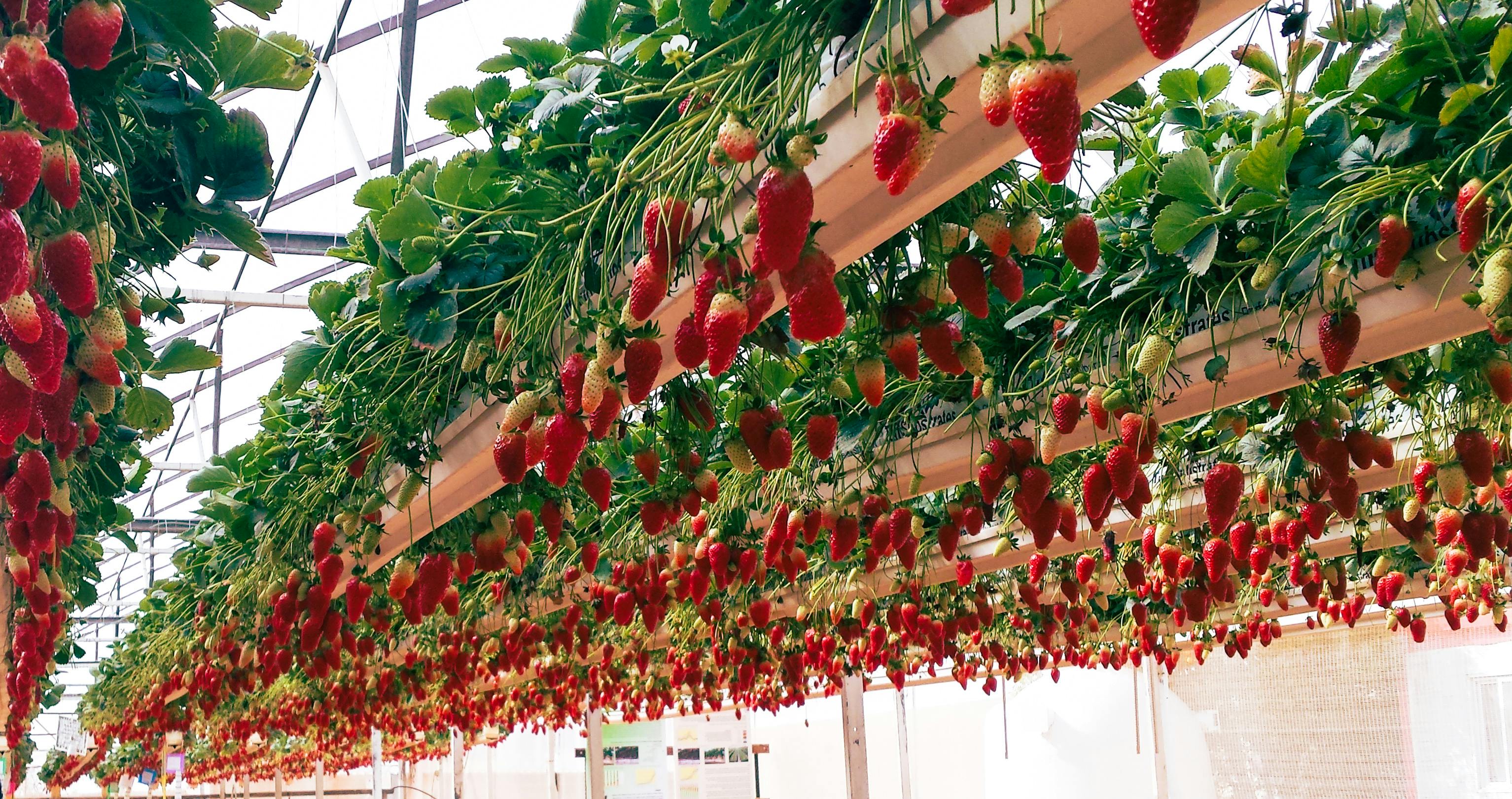
Organic farming and agribusiness are gaining momentum in Kenya, bolstered by rising consumer demand for healthy, chemical-free produce and government support. The Food and Agriculture Organization (FAO) reports that Kenya's organic agriculture sector grows nearly 15% annually, with organic exports increasing significantly.
Soil fertility remains a key challenge in Kenya due to erosion, nutrient depletion, and overuse of chemical fertilizers. Vertical farming offers a solution by optimizing soil use or bypassing soil with soilless cultivation methods like hydroponics.
Kenya's agribusiness market also benefits from innovations in water management, pest control, and crop monitoring technologies, creating an enabling environment for vertical farming adoption.
Key Insights or Strategies
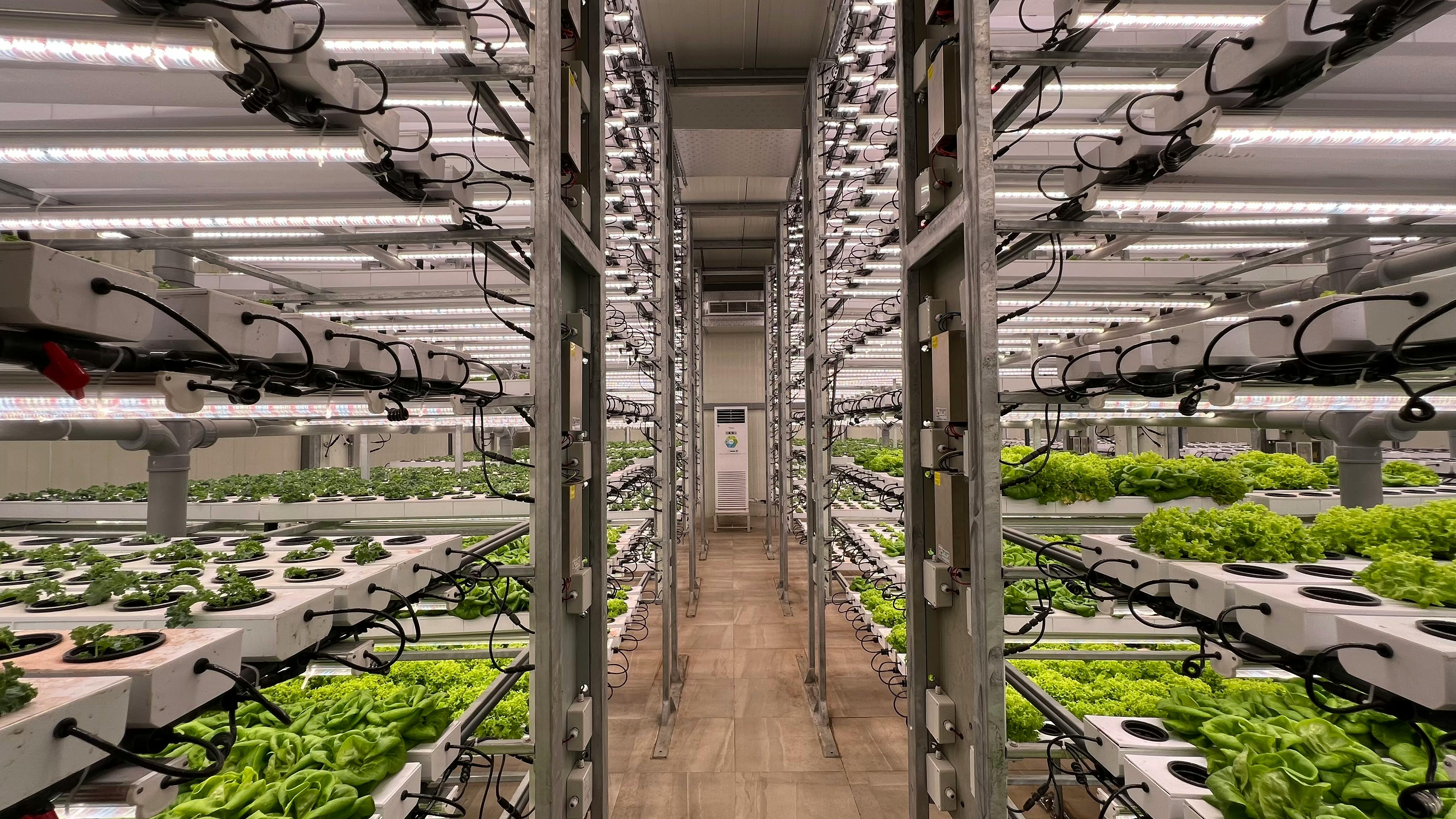
1. Optimize Space and Crop Yield through Vertical Stacking
- Design multi-tier growing systems suitable for your available space, whether rooftop, balcony, or urban lot.
- Choose crops with short growth cycles and high market demand, such as herbs, leafy greens, strawberries, and tomatoes.
- Use vertical farming techniques like hydroponics, aeroponics, or multi-storey gardens to increase planting density.
Urban farmers in Nairobi’s Kibera slums have successfully adopted sack gardening and vertical stacking to grow food locally, improving nutrition and livelihoods.
2. Improve Soil Quality with Organic Fertilizers and Regular Testing
- Regularly test soil pH and nutrients using Soil pH & Moisture Tester Kit – available on Amazon for precise amendments.
- Apply organic fertilizers to maintain healthy microbial activity and nutrient cycling.
- Consider supplements like vermicompost and crushed oyster shell fertilizers to enhance soil mineral content.
Maintaining fertile soil is critical, whether for soil-based vertical farming or conditioning soil beds for planting.
3. Implement Efficient Water Management Using Drip Irrigation
- Install drip irrigation systems to deliver water directly to the plant roots, reducing water wastage.
- Adjust watering schedules in line with crop growth stages and local weather conditions.
- Recycle water where possible to enhance sustainability.
Easily installable kits like the CARPATHEN Drip Irrigation System Kit on Amazon are suited for small-scale vertical farms.
Explore sustainable organic farming solutions with Biofarm Kenya for practical guidance and resources to implement these strategies.
Case Studies, Examples, or Comparisons
In Nairobi’s densely populated slums such as Kibera and Mathare, vertical farming practices like sack gardening and multi-storey gardens have become a grassroots agricultural revolution. Residents use vertical farming to grow vegetables, herbs, and strawberries, generating income and improving food availability where horizontal land is scarce.
The Agricultural Society of Kenya (ASK) endorses multi-storey gardens to enhance urban food production with minimal footprint. Their studies show increased yields and greater crop diversity in smaller spaces.
Several local entrepreneurs have integrated aeroponic and hydroponic systems successfully, demonstrating the profitability and sustainability of vertical farming in Kenyan contexts. These approaches also contribute to less pesticide use and water conservation compared to traditional methods.
Common Mistakes to Avoid
- Poor Soil Testing Practices: Failing to regularly test soil leads to nutrient imbalances, harming plant growth. Always test soil before planting and adjust fertilizer application accordingly.
- Overuse of Chemical Fertilizers: Excessive synthetic fertilizer use can degrade soil health and lead to environmental harm. Prefer organic fertilizers and amendments.
- Inefficient Watering: Using flood irrigation instead of drip systems wastes water and promotes disease. Ensure watering methods are targeted and conserve resources.
- Neglecting Pest and Disease Management: Vertical farms with poor plant spacing or ventilation risk pest outbreaks. Implement integrated pest management practices and monitor crops closely.
- Lack of Crop Diversity: Monocultures increase vulnerability to disease and market fluctuations. Diversify crops to maintain ecosystem balance and economic resilience.
Expert Tips or Best Practices
Experts recommend starting vertical farms with a solid plan for crop selection, spacing, and resource inputs. Biofarm Kenya emphasizes community-driven approaches that integrate local knowledge with modern agroecological principles.
Use quality organic compost and fertilizers like the Organic Compost Starter Mix available on Amazon to boost soil and plant health naturally.
Regularly monitor plants and soil conditions with affordable testing kits and moisture sensors to maintain optimal growth environments. Adjust irrigation rates based on real-time data when possible.
Collaborate with local organizations such as Biofarm Kenya for access to training, organic inputs, and market linkages that support sustainable agribusiness growth.
Explore sustainable organic farming solutions with Biofarm Kenya to elevate your vertical farming initiatives.
Future Trends or Predictions
Vertical farming in Kenya will increasingly integrate cutting-edge technologies like AI-driven crop monitoring, smart irrigation systems, and climate-adaptive structures. These innovations will make farming more efficient, reduce labor requirements, and optimize resource use.
Smart sensors and IoT devices will provide real-time data on soil health, moisture, and pest presence, enabling precision interventions that reduce waste.
The rise of climate-smart agriculture and urban farming policies from the Kenyan government will further promote vertical farming adoption.
Hybrid systems combining vertical farms with renewable energy and rainwater harvesting will make farms more independent and sustainable.
Conclusion
The Vertical Farming Revolutionizes Crop Production with 30% Higher Yields by making farming viable in limited spaces while conserving resources and boosting productivity. Kenyan farmers, especially in urban areas, stand to gain from adopting vertical farming systems supported by organic fertilizers, soil testing, and efficient irrigation.
To upgrade your farming toolkit for better yields, discover trusted organic farming tools on Amazon and learn more about sustainable solutions with Biofarm Kenya.
FAQs
1. What is vertical farming and how does it increase yields?
Vertical farming is a method of growing crops in vertically stacked layers to maximize space use. It increases yields by allowing more plants to grow per square meter and often includes efficient water and nutrient delivery systems. FAO Soil Fertility
2. Is vertical farming suitable for urban areas in Kenya?
Yes, vertical farming is especially suited for urban areas with limited horizontal land, such as Nairobi. It optimizes small spaces like rooftops, balconies, and unused land. The Agricultural Society of Kenya supports urban vertical farming through educational programs. Agricultural Society of Kenya
3. What types of fertilizers work best for vertical farming?
Organic fertilizers such as compost, vermicompost, and mineral amendments work best to maintain soil health and reduce chemical residues. Regular soil testing helps tailor fertilizer applications. Biofarm Kenya Organic Solutions
4. How can drip irrigation benefit vertical farms?
Drip irrigation delivers water efficiently directly to the plant roots, saving water and reducing disease risk associated with wet foliage. It supports precise watering schedules critical in vertical farming. NEMA Kenya Water Efficiency Guidelines
5. Are there examples of successful vertical farming in Kenya?
Yes, residents in Nairobi's Kibera and Mathare slums have adopted vertical farming techniques such as sack gardening, improving food security and livelihoods. These examples have been documented by local NGOs and the Ministry of Agriculture. Kenya Ministry of Agriculture
6. What resources can help farmers start vertical farming in Kenya?
Farmers can benefit from training, organic inputs, and technical support offered by organizations like Biofarm Kenya. Online resources, affordable soil testing kits, and drip irrigation systems are also accessible via platforms like Amazon. Biofarm Kenya Partners
Affiliate Product Mentions:
- Soil pH & Moisture Tester Kit – Essential for monitoring soil conditions to optimize crop growth in vertical farms.
- CARPATHEN Drip Irrigation System Kit – Provides efficient water delivery ideal for vertical farming setups.
- Organic Compost Starter Mix – Boosts soil fertility naturally and sustainably.
Explore sustainable organic farming solutions with Biofarm Kenya to enhance your agricultural practices and join the vertical farming revolution in Kenya.


0 Comments