

Estimated Reading Time: 12 minutes
Profitable Vertical Farming: Most Profitable Farming Ideas in 2026
As Kenya embraces the future of agriculture, one of the most promising ventures capturing attention is vertical farming. With a projected market size of 33.8 billion by 2026, vertical farming stands out as a top contender among the Most Profitable Farming Ideas in 2026. This innovative farming method not only maximizes crop yields but also addresses pressing challenges like land scarcity, climate change impact, and food security. In this article, we explore how vertical farming and other sustainable agribusiness ideas are shaping the agricultural landscape in Kenya, offering farmers new pathways to profitability and sustainability.
TL;DR:
- Vertical farming is set for strong growth with a projected $33.8 billion market by 2026, driven by efficiency and sustainability.
- Organic farming, drip irrigation, and greenhouse technologies are essential pillars of Kenya’s profitable agribusiness future.
- Innovative farmers in Kenya are using multi-storey gardens and sack farming to overcome urban space limitations.
- Utilizing quality organic fertilizers boosts soil health and crop yields, critical for sustainable success.
- Partnering with trusted platforms like Biofarm Kenya provides farmers access to sustainable farming resources and expertise.
Table of Contents
- Background & Context
- Key Insights or Strategies
- Case Studies, Examples, or Comparisons
- Common Mistakes to Avoid
- Expert Tips or Best Practices
- Future Trends or Predictions
- Conclusion
- FAQs
Background & Context
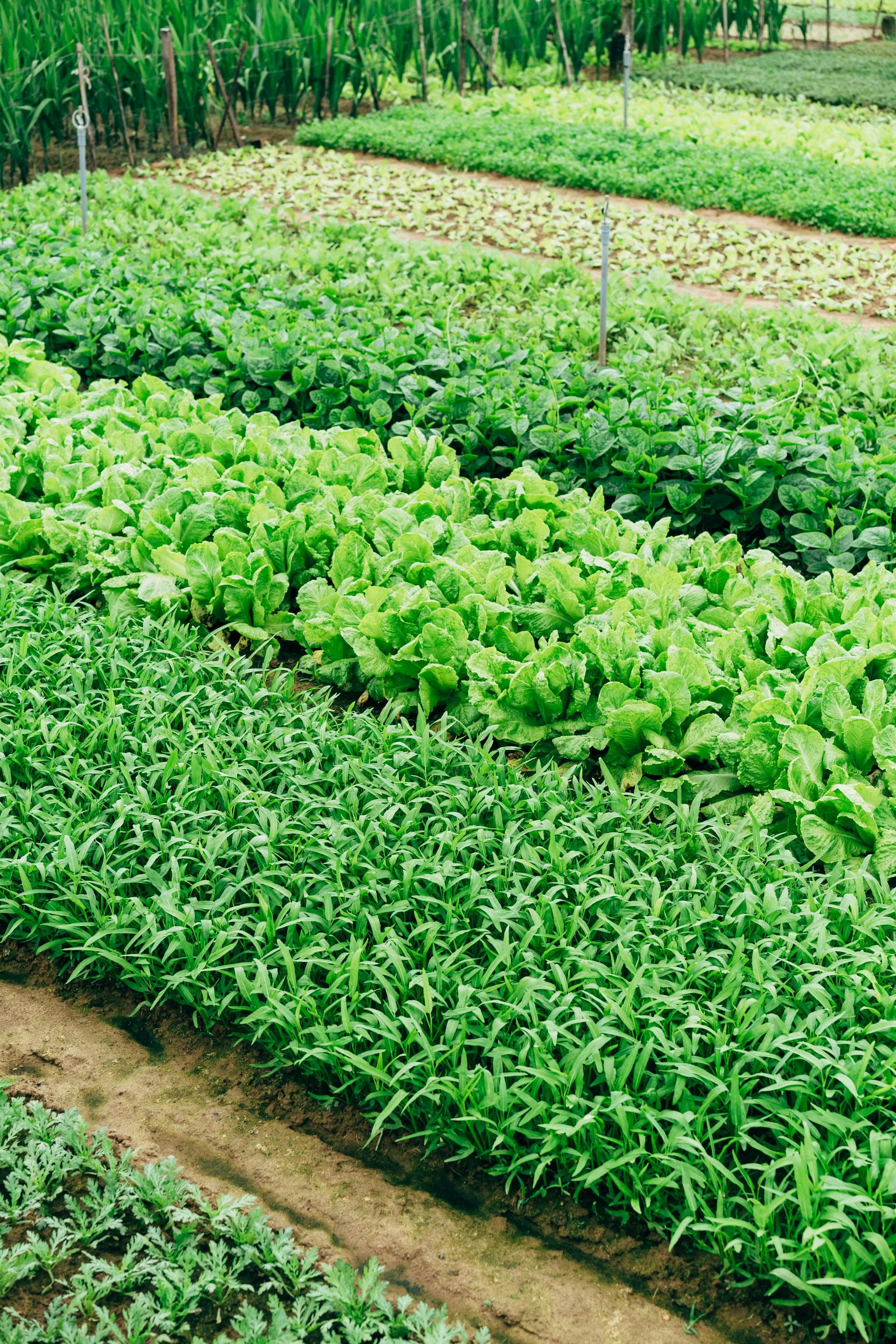
Kenya’s agricultural sector forms the backbone of its economy, employing over 75% of the rural population and contributing significantly to GDP. However, challenges such as land degradation, erratic weather patterns, and urbanization are putting pressure on traditional farming methods. Organic farming has gained momentum across Kenya with increasing consumer demand for chemical-free produce, supporting healthier soils and ecosystems. The growth of agribusiness—driven by innovations like vertical farming and smart irrigation—is reshaping the sector, enabling more sustainable and profitable ventures.
According to Kenya’s Ministry of Agriculture, organic farming acreage has been growing steadily, encouraging healthier soils with increased microbial activity, higher organic matter content, and better moisture retention. These factors contribute to enhanced crop resilience and yields. Vertical farming, by stacking multiple layers of crops in controlled settings such as greenhouses or indoor farms, offers an efficient alternative that can multiply output per square meter compared to traditional farming.
Key Insights or Strategies

1. Leverage Vertical Farming Technologies for Space and Efficiency
Vertical farming empowers farmers to cultivate year-round, controlling environmental factors like light, humidity, and nutrition to optimize plant growth even in urban settings where land is limited.
- Set up multi-layer structures or racks to maximize space utilization indoors or in greenhouses.
- Use hydroponics or aeroponics systems that deliver nutrients directly to plants, reducing water use.
- Incorporate LED grow lights to supplement natural sunlight and improve photosynthesis efficiency.
- Implement climate control systems for temperature and humidity management.
- Regularly monitor crop health and environmental parameters using sensors and automation where possible.
Boost your vertical farm’s water efficiency with the MIXC 230FT Quick-Connect Drip Irrigation System Kit – available on Amazon, designed for gardens and greenhouses to deliver water directly to roots, reducing waste.
Explore sustainable organic farming solutions with Biofarm Kenya2. Improve Soil Fertility with Quality Organic Fertilizers
Healthy soil is critical for sustainable farming profitability. Using organic fertilizers replenishes nutrients naturally without harmful chemicals.
- Apply compost or animal manure regularly to increase soil organic matter.
- Use mineral-based organic amendments to address specific nutrient deficiencies.
- Perform soil testing to tailor fertilizer applications precisely to crop needs.
- Incorporate cover crops to reduce erosion and fix atmospheric nitrogen.
- Practice crop rotation to maintain soil biodiversity and reduce pest build-up.
Consider the AchmadAnam Crushed Oyster Shell Organic Fertilizer Soil Mineral Compost Nutrient to enrich soil minerals naturally.
Explore sustainable organic farming solutions with Biofarm Kenya3. Utilize Greenhouse Kits to Extend Growing Seasons and Protect Crops
Greenhouses provide controlled environments that reduce pest pressure, enable early planting, and improve yields.
- Select appropriate greenhouse kits for your farm size and budget, focusing on walk-in or multi-storey models for versatility.
- Ensure adequate ventilation, shading, and irrigation systems for consistent crop health.
- Use raised beds or vertical growing setups inside greenhouses to maximize space.
- Implement integrated pest management to keep pests under control without chemicals.
- Harvest crops multiple times a year by managing cropping schedules carefully.
Start your greenhouse journey with the durable 10x18 FT Aluminum Greenhouse - Easy Assembly Outdoor Garden Greenhouse Kit.
Explore sustainable organic farming solutions with Biofarm KenyaCase Studies, Examples, or Comparisons
Several Kenyan farmers have adopted vertical and urban farming methods to overcome land scarcity challenges. For example, in Nairobi’s densely populated areas like Kibera and Mathare, urban farmers have embraced sack gardening and multi-storey gardens to produce vegetables in small spaces, alleviating food insecurity.
The Agricultural Society of Kenya (ASK) supports innovation such as hydroponics vertical farming which increased farmers’ yields by up to 70%, while also reducing water usage by 90%. Greenhouse adopters near Murang’a have reported up to 4 crop cycles per year compared to the typical 1-2 in open fields.
These successes highlight how innovative agribusiness models are delivering economic benefits, improving nutrition, and promoting entrepreneurial opportunities for youth and women.
Common Mistakes to Avoid
- Ignoring soil testing: Applying fertilizers blindly can damage soil health or waste resources. Always test before amending.
- Overwatering crops: Especially in vertical or greenhouse farming, excess water can cause root rot and pests.
- Poor irrigation maintenance: Drip systems without regular checks clog up, reducing water flow and effectiveness.
- Neglecting climate control: Temperature extremes without ventilation or shading can stress plants, reducing yield.
- Relying on chemical pesticides: Can harm beneficial organisms; integrate organic pest control practices.
Address these by regular monitoring, training, and investing in quality inputs and equipment.
Expert Tips or Best Practices
Experts recommend adopting a holistic approach combining technology and traditional knowledge for sustainable impact:
- Regularly incorporate organic matter into soils to enhance fertility and moisture retention.
- Choose crop varieties suited to your local microclimate and intended market.
- Adopt precision irrigation like drip systems to save water while ensuring optimum plant growth.
- Train farm workers in integrated pest management and organic certification processes.
- Utilize solar energy options within greenhouses or vertical farms for power efficiency and cost savings.
Maintain healthy soil with the Brut Organic Worm Castings for Plants – Natural Fertility Builder, which supports microbial activity and nutrient absorption.
Explore sustainable organic farming solutions with Biofarm KenyaFuture Trends or Predictions
Looking ahead, Kenya’s farming scene is poised for transformative innovations:
- Smart Irrigation Systems: AI and IoT-enabled drip irrigation will optimize water use and reduce costs.
- Vertical Farming Expansion: More high-tech vertical farms in urban centers will produce leafy greens, herbs, and microgreens year-round.
- AI-Driven Crop Monitoring: Drones and sensors will provide real-time insights on pests, diseases, and crop health.
- Renewable Energy Adoption: Solar and biogas-powered farms will enhance sustainability.
- Farm-to-Table Digital Platforms: Connecting farmers directly with consumers for premium organic products.
These advances ensure not only profitability but also climate resilience and food security for Kenya’s growing population.
Conclusion
Vertical farming emerges as one of the Most Profitable Farming Ideas in 2026, blending sustainability with innovation to help Kenyan farmers maximize yields and profitability amid land challenges. Complementing this with organic fertilizers, smart irrigation, and protective greenhouses builds a resilient and thriving agribusiness landscape. For Kenyan farmers seeking reliable tools for this journey, trusted products are available on Amazon. Moreover, learn more about sustainable solutions with Biofarm Kenya, your partner for organic farming success.
FAQs
1. What is vertical farming and why is it profitable for Kenya?
Vertical farming involves cultivating crops in stacked layers within controlled environments, maximizing limited space and resources. For Kenya, this means higher yields on smaller urban plots, reduced water use, and year-round production, all driving profitability. Reference: FAO on Vertical Farming.
2. How does organic farming benefit soil health in Kenya?
Organic farming enhances soil fertility by increasing organic matter, improving structure, and promoting beneficial microbial activity. This leads to sustainable productivity without chemical dependency. Visit KEBS for organic standards in Kenya.
3. What are the best irrigation methods for small-scale vertical farms?
Drip irrigation systems are highly efficient, delivering water directly to roots, minimizing wastage. Automated drip systems further enhance water conservation. Find solutions on Biofarm Kenya.
4. Can I install a greenhouse kit by myself on a small farm?
Yes, many greenhouse kits on the market are designed for easy assembly with clear instructions, suitable for small farmers to set up without specialized skills. For detailed guidelines, see NEMA Kenya.
5. How can I avoid common mistakes in organic fertilizer application?
Always conduct soil testing before application, follow recommended dosages, and evenly distribute fertilizers to avoid nutrient imbalances. Biofarm Kenya provides training and resources for best practices.
6. What role does technology play in Kenya's future agriculture?
Technology will revolutionize Kenyan agriculture by enabling precision farming, monitoring crop health via sensors and AI, and optimizing resource use to increase yields sustainably. See the Biofarm Kenya website for ongoing initiatives.
External Authoritative Links:
- FAO on Vertical Farming
- Kenya Bureau of Standards (KEBS)
- National Environment Management Authority (NEMA) Kenya
- Kenya Ministry of Agriculture
- World Bank Agriculture Overview
- USAID Kenya Agriculture
Internal Biofarm Kenya Links:


0 Comments