

Estimated Reading Time: 11 minutes
TL;DR:
- The Vertical Farming Revolutionizes Profitability by enabling efficient, sustainable food production especially in urban and resource-limited areas like Kenya.
- Vertical farming uses stacked layers to maximize space and water use, drastically improving yield per square meter compared to traditional farming.
- Key strategies include hydroponics, drip irrigation, soil nutrient monitoring, and climate-controlled environments, which optimize outputs.
- Small-scale farmers in Kenya are adopting vertical farming and greenhouse technologies enhancing food security and creating new agribusiness opportunities.
- Investing in reliable tools like soil testing kits, drip irrigation systems, and greenhouse kits supports sustainable vertical farming practices.
Key Takeaways:
- Adopt vertical farming techniques to overcome land limitations in Kenyan urban and peri-urban areas.
- Utilize efficient irrigation tools such as drip irrigation to conserve water and improve yields.
- Regular soil testing is essential to tailor nutrient management for optimal crop growth.
- Greenhouse kits can extend growing seasons, protect crops, and improve profitability.
- Explore sustainable organic farming solutions with Biofarm Kenya for expert guidance and support.
Table of Contents
- Introduction
- Background & Context
- Key Insights or Strategies
- Case Studies, Examples, or Comparisons
- Common Mistakes to Avoid
- Expert Tips or Best Practices
- Future Trends or Predictions
- Conclusion
- FAQs
Introduction
In Kenya, sustainable agriculture is becoming a cornerstone of food security and economic resilience. With increasing urban populations and decreasing arable land, farmers seek innovative solutions to grow more on less space—this is where the Vertical Farming Revolutionizes Profitability approach takes center stage. Vertical farming, which involves growing crops in vertically stacked layers, leverages modern technologies to maximize productivity while conserving resources. This agricultural revolution offers Kenyan farmers new paths to boost yields, reduce water use, and strengthen local food systems sustainably.
Background & Context
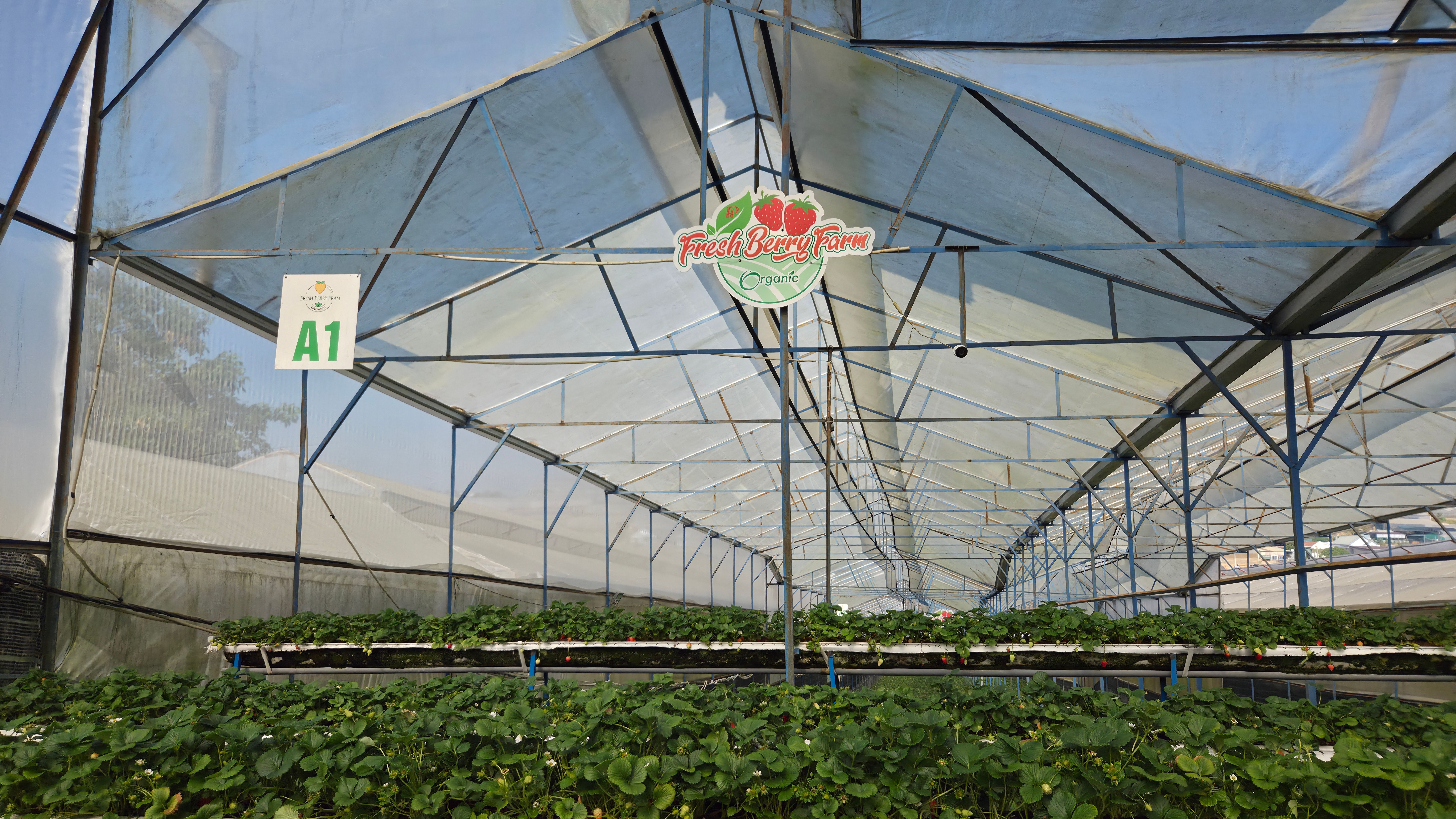
Kenya's agricultural sector accounts for approximately 33% of the national GDP and employs over 75% of the rural population (Ministry of Agriculture, Kenya). Yet, traditional farming faces challenges like land fragmentation, soil degradation, and climate variability. Organic farming and sustainable agribusiness practices are rising to combat these issues, with organic agriculture contributing to improved soil fertility and healthier ecosystems. According to recent studies, organic farms yield 20-25% less than conventional farms but make up the difference by reducing input costs and fetching premium prices in markets.
Vertical farming is gaining traction as it uses less land and water than traditional methods—a critical benefit in space-constrained urban centers like Nairobi and Mombasa. Hydroponic and aeroponic systems used in vertical farming allow plants to absorb nutrients efficiently, leading to faster growth cycles and higher productivity.
Key Insights or Strategies
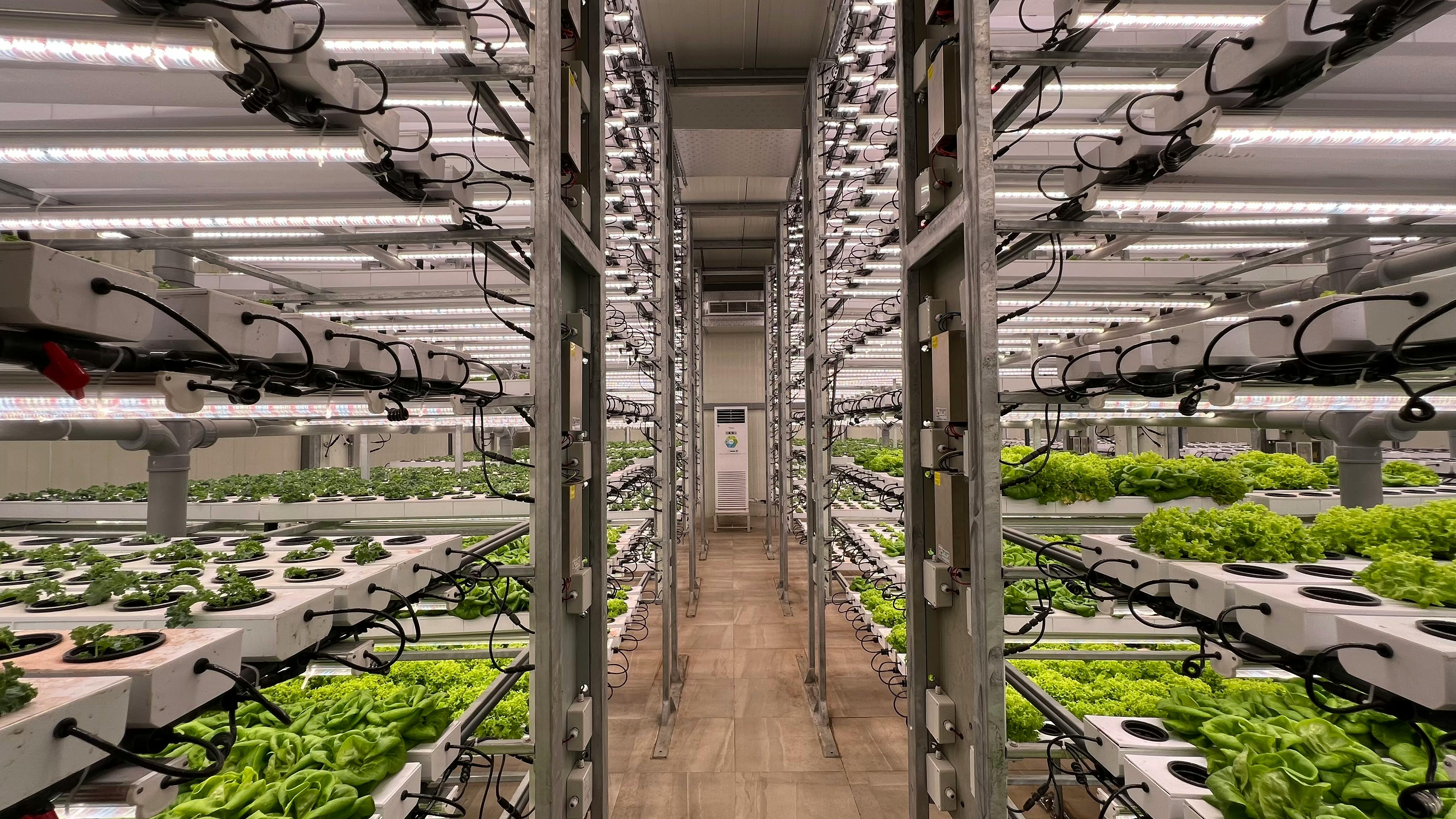
1. Optimize Space with Hydroponic Vertical Gardens
Hydroponics allows plants to grow without soil in nutrient-rich water solutions, ideal for stacking crops vertically. Kenyan urban farmers use systems like the Tower Garden to grow up to 36 plants per square meter. This maximizes yield from limited balconies, rooftops, and small plots.
- Identify suitable vertical systems like stacked crates or tower gardens for your available space.
- Choose fast-growing crops such as leafy greens, herbs, and small fruiting vegetables.
- Monitor nutrient solution levels and adjust according to plant growth stages.
- Ensure adequate lighting, either natural or supplemental LEDs for indoor setups.
Boost your yields with the Hydroponic Tower Garden Kit – available on Amazon, a compact system perfect for beginners and commercial growers alike.
2. Increase Efficiency Using Drip Irrigation Systems
Drip irrigation delivers water directly to plant roots in controlled amounts, reducing waste by up to 60% compared to traditional watering. It is especially beneficial for vertical farms and greenhouse setups where precise water management is critical.
- Install drip emitters with adjustable flow rates tailored to specific crop water needs.
- Combine irrigation with timers or smart controllers for automated watering schedules.
- Regularly inspect tubing for blockages or leaks to maintain system efficiency.
- Integrate fertigation—distributing nutrients via irrigation water—to boost plant nutrition.
Consider the RAINPOINT 50FT Drip Irrigation System Kit – available on Amazon, designed for gardens, greenhouses, and raised beds.
3. Soil Testing and Nutrient Management
Soil health remains vital, even in some vertical farming approaches that use soil media. Regular soil testing helps farmers determine pH balance and nutrient levels, guiding precise fertilizer application to avoid under- or over-fertilization.
- Collect soil samples from different garden points every season.
- Use reliable soil testing kits to measure pH, nitrogen, phosphorus, and potassium.
- Amend soils based on test results using organic fertilizers or mineral supplements.
- Incorporate crop rotation and cover cropping to improve soil structure and fertility.
Enhance your soil health with the Soil Test Kit 140 Test 2026 Version – available on Amazon, which provides comprehensive nutrient and pH analysis.
Explore sustainable organic farming solutions with Biofarm Kenya for expert advice and resources to implement these strategies effectively.
Case Studies, Examples, or Comparisons
Urban farmers in Nairobi's densely populated neighborhoods have pioneered innovative vertical farming practices to overcome limited space. Organizations like Vertical Gardens Kenya supply hydroponic systems that recycle up to 90% of irrigation water, enhancing sustainability. Farmers using these systems report doubling harvest frequency and improving crop quality.FAO Kenya
In Murang'a County, farmers have adopted greenhouse kits, extending growing seasons and protecting crops from erratic weather. This shift aligns with national strategies to improve food security and bolster agribusiness profitability.Ministry of Agriculture Kenya
Such innovations often blend traditional knowledge with technology, making vertical farming a hybrid solution adaptable across Kenya's diverse climates and farming scales.
Common Mistakes to Avoid
- Ignoring Water Quality and Irrigation Efficiency: Using untreated or unfiltered water can clog drip systems or harm plants. Always use clean water and maintain irrigation components.
- Overusing Chemicals in Fertilizers: Excessive synthetic fertilizer harms soil microbes and can cause nutrient imbalances. Favor organic amendments and test soils regularly.
- Poor Light Management in Vertical Farms: Insufficient or inconsistent lighting reduces photosynthesis and yields. Invest in grow lights if natural light is limited.
- Neglecting Pest and Disease Monitoring: High-density planting in vertical farms can promote rapid pest outbreaks. Implement integrated pest management and maintain hygiene.
- Overlooking Structural Integrity in Greenhouses: Weak frames or poor ventilation can lead to crop loss and system failures. Choose quality greenhouse kits and ensure adequate airflow.
Expert Tips or Best Practices
Farmers interested in sustainable organic farming should prioritize soil health by consistently adding organic matter and using nutrient-rich composts. Regularly monitor soil and water parameters to preempt problems and optimize conditions.
Maintain healthy soil with the Organic Compost Starter Mix – available on Amazon, which enriches soil biology and improves texture.
When setting up a vertical farm or greenhouse, combine drip irrigation systems with smart watering timers to conserve water and reduce labor. Training on installation and maintenance is critical for system longevity.
For further technical support and guidance on establishing sustainable vertical farming ventures, explore sustainable organic farming solutions with Biofarm Kenya, your partner in agricultural innovation.
Future Trends or Predictions
Looking ahead, Kenyan agriculture is poised to integrate more smart technologies like AI-driven crop monitoring that detect early signs of diseases or nutrient deficiencies. Vertical farming is expected to expand beyond leafy greens to include tomatoes, strawberries, and medicinal plants, boosting both food and income diversity.
Sustainable energy-powered greenhouses and hydroponics, coupled with rainwater harvesting and IoT-enabled climate controls, herald a new era of self-sufficient, high-tech farming.
Furthermore, government and NGO collaborations can enhance knowledge dissemination and access to affordable farming tools, ensuring smallholder farmers benefit from this revolution.
Conclusion
Vertical farming does not just represent an innovative growing technique; it revolutionizes profitability for Kenyan farmers by enabling efficient use of limited space, conserving water, and optimizing resource use. For farmers seeking essential tools, discover trusted organic farming products on Amazon, including soil test kits, drip irrigation systems, and greenhouse kits curated for Kenyan contexts.
To deepen your knowledge and access tailored sustainable farming solutions, learn more about sustainable solutions with Biofarm Kenya.
FAQs
1. What is vertical farming and how does it differ from traditional farming?
Vertical farming grows crops in vertically stacked layers using controlled environments, different from traditional horizontal field farming. It maximizes space and resource efficiency.
More info: FAO - Vertical Farming
2. How can vertical farming help address food insecurity in Kenya?
By enabling year-round crop production in urban and limited-land areas, vertical farming increases local food supply, reduces dependency on imports, and creates jobs.
Reference: NEMA Kenya
3. Are vertical farming systems expensive for smallholder farmers?
Initial setup costs may be higher, but long-term savings on water, fertilizer, and land usage, coupled with higher yields, make vertical farming economically viable. Grants and partnerships like Biofarm Kenya can help.
See: Biofarm Kenya Support
4. What crops grow best in vertical farms in Kenya?
Leafy greens, herbs, strawberries, tomatoes, and microgreens thrive in vertical farms due to their short growth cycles and high market demand.
Source: Kenya Ministry of Agriculture
5. How do I test soil quality for vertical farming or container gardening?
Use soil testing kits to measure pH and key nutrients like nitrogen, phosphorus, and potassium to tailor fertilizer applications.
Recommended: Soil Test Kit on Amazon and guidance from Biofarm Kenya.
6. What are the environmental benefits of vertical farming?
Vertical farming uses less land and water, reduces pesticide usage, minimizes food transportation emissions by growing near consumers, and supports organic methods.
More details: FAO Sustainable Agriculture
External Resources:
- FAO Kenya
- National Environment Management Authority (NEMA)
- Ministry of Agriculture Kenya
- Biofarm Kenya
- Kenya Plant Health Inspectorate Service (KEPHIS)
- FAO Sustainable Agriculture
Internal Biofarm Links:


0 Comments