

Estimated Reading Time: 12 minutes
TL;DR
- Vertical farming is rapidly emerging as one of the most profitable farming ideas in 2026, especially in Kenya's urban and peri-urban areas.
- It maximizes limited land use by stacking crops, using controlled environments for year-round production, and conserving water.
- Integrating drip irrigation and soil testing technologies optimizes yields and increases sustainability.
- Real Kenyan examples showcase the success of vertical farming in combating food insecurity and poverty.
- Future trends include AI monitoring, smart irrigation, and greenhouse innovations boosting productivity and sustainability.
Key Takeaways
- Adopting vertical farming techniques can significantly increase crop production per square meter, addressing land scarcity in Kenya.
- Using tools like drip irrigation systems and soil testing kits helps optimize water use and soil fertility.
- Biofarm Kenya provides sustainable organic farming solutions that complement vertical farming practices.
- Avoid common mistakes like over-fertilizing and poor irrigation management to maximize farm profitability.
- Stay updated on future trends such as AI-driven crop monitoring to stay competitive in farming.
Table of Contents
- Introduction
- Background & Context
- Key Insights or Strategies
- Case Studies, Examples, or Comparisons
- Common Mistakes to Avoid
- Expert Tips or Best Practices
- Future Trends or Predictions
- Conclusion
- FAQs
Introduction
Sustainable agriculture is increasingly crucial in Kenya as the country faces growing urban populations, limited arable land, and climate variability. Among the most profitable farming ideas in 2026, vertical farming stands out as a revolutionary approach that optimizes land use while promoting sustainable food production. Vertical farming involves growing crops in vertically stacked layers within controlled environments—such as greenhouses, warehouses, or even shipping containers—that enable farmers to produce large quantities of fresh produce year-round.
This method aligns with Kenya's need for innovative agribusiness solutions that can tackle food insecurity, improve income, and support environmental conservation. This article explores the background, strategies, examples, and future prospects of vertical farming in Kenya, providing actionable insights augmented with trusted tools and resources.
Background & Context
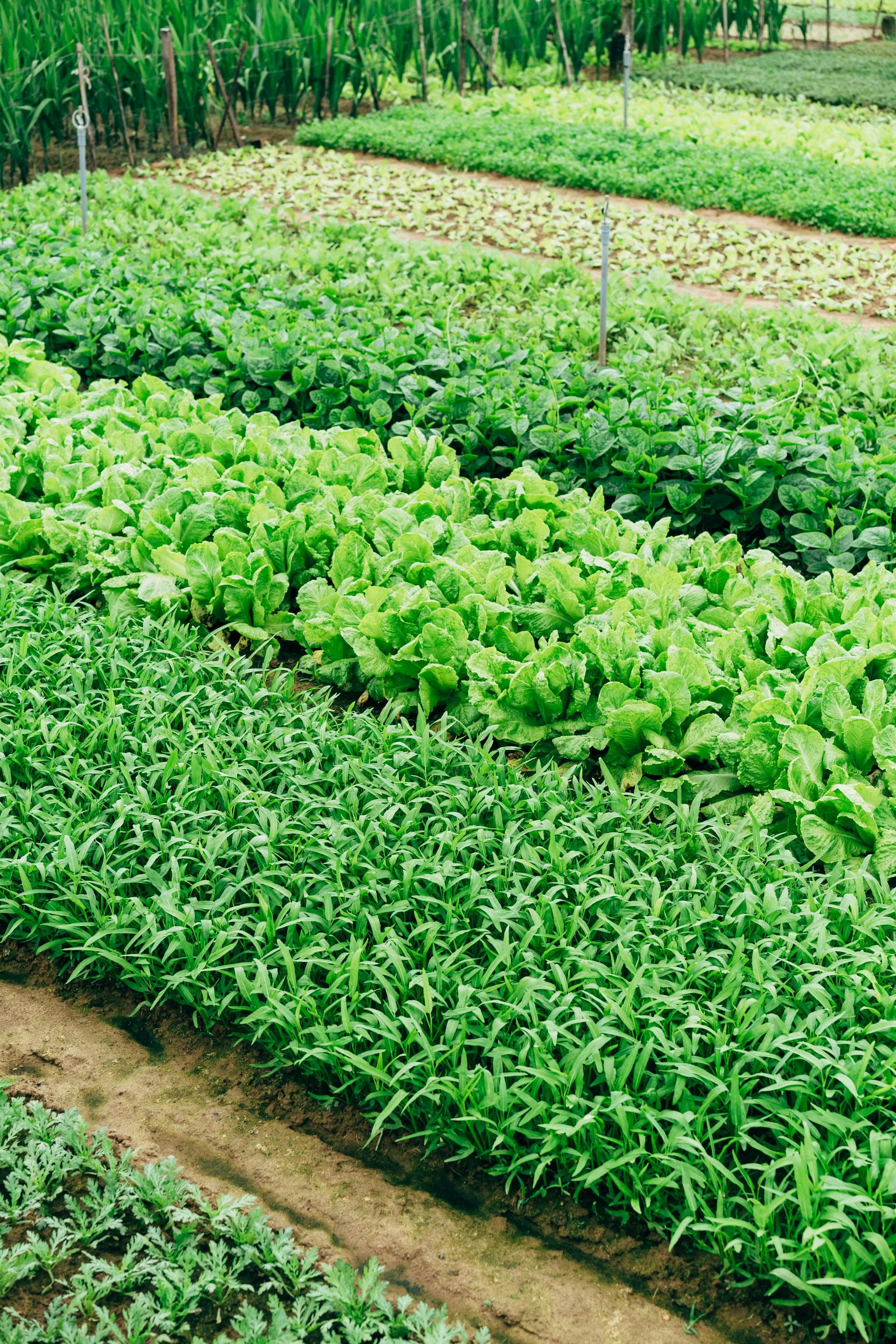
Kenya’s agriculture sector is a vital part of its economy, employing over 35% of the population and contributing approximately 33% to the GDP. However, challenges such as soil degradation, unpredictable rainfall, and urbanization pressure threaten traditional farming methods. Organic farming has gained momentum in Kenya, focusing on renewing soil fertility and avoiding synthetic chemicals, while recent agribusiness trends promote mechanization and tech adoption.
In 2026, vertical farming is projected to be a $33.8 billion market globally, driven by the need to feed urban populations efficiently. In Kenya, innovative farmers and businesses are adopting vertical farming systems to harness limited spaces in cities like Nairobi and Mombasa, using farming pods, hydroponics, and aeroponics to grow leafy greens and herbs.
Key Insights or Strategies

1. Optimize Space with Vertical Growing Techniques
Stack crops vertically to multiply your production area without needing more land.
- Choose suitable crops like lettuce, kale, and herbs that thrive in vertical setups.
- Use modular racks or vertical grow towers to maximize vertical space.
- Implement hydroponic or aeroponic systems to reduce water and soil dependency.
Boost your yields with the Soil pH & Moisture Tester Kit – available on Amazon, ensuring optimal growing conditions for your vertical farm.
2. Employ Efficient Water Use with Drip Irrigation
Precision watering conserves resources and supports healthy plant growth.
- Install a drip irrigation system tailored for your vertical farm setup.
- Schedule watering to coincide with plant needs, avoiding overwatering.
- Recycle water through closed-loop systems to minimize wastage.
For reliable irrigation, consider the MIXC 230FT Quick-Connect Drip Irrigation System Kit – available on Amazon, which offers adjustable nozzles suitable for various plant setups.
3. Test Soil and Nutrient Levels Regularly
Healthy plants require balanced nutrients, so monitoring soil conditions is critical.
- Use testing kits to track pH, nitrogen, phosphorus, and potassium levels.
- Apply organic fertilizers based on test results to correct deficiencies.
- Adopt composting techniques to enrich the growing medium sustainably.
Maintain soil health with the Rapitest Soil Test Kit – available on Amazon, which offers quick and accurate nutrient analysis for gardens and farms.
Explore sustainable organic farming solutions with Biofarm Kenya to complement your vertical farming efforts with expert guidance and quality inputs.
Case Studies, Examples, or Comparisons
In Nairobi’s dense urban areas such as Kibera and Mathare, residents have embraced vertical and sack gardening to overcome limited land and food insecurity. Supported by NGOs and government programs, over a thousand households grow vegetables vertically in confined spaces, boosting nutrition and generating income. These urban farms demonstrate practical adoption despite power and water constraints.
According to the Food and Agriculture Organization (FAO), urban vertical farming not only improves local food availability but also creates employment opportunities and reduces transport emissions. Meanwhile, agritech companies in Kenya are piloting smart vertical farming hubs utilizing solar-powered LED lighting and IoT monitoring to optimize growth conditions.
Common Mistakes to Avoid
- Poor Water Management: Overwatering can lead to root rot; ensure drip irrigation is calibrated correctly.
- Ignoring Soil Testing: Applying fertilizers indiscriminately can harm plant health; always test before amending.
- Inadequate Pest Control: Controlled environments reduce pests but vigilance is necessary; integrate organic pest management.
- Neglecting Light and Airflow: Insufficient light or poor ventilation reduces plant growth; optimize grow space lighting and airflow.
- Overlooking Market Research: Grow what sells locally; assess demand to avoid losses.
Expert Tips or Best Practices
To thrive in vertical farming, start by selecting robust crop varieties known to perform well in hydroponic or vertical setups. Rotate your crops regularly to prevent disease build-up. Maintain nutrient-rich growing media by adding organic composts such as the Organic Compost Starter Mix – available on Amazon.
Invest in a reliable drip irrigation system like the MIXC 230FT Drip Irrigation System Kit to optimize water use. Combine this with periodic soil or media testing to maintain nutrient balance.
Explore sustainable organic farming solutions with Biofarm Kenya for expert consultancy, quality farm inputs, and technical training tailored to modern agribusiness needs.
Future Trends or Predictions
Technological advances will shape the future of vertical farming in Kenya with AI-driven crop monitoring systems offering real-time data on plant health, nutrition, and environmental conditions. IoT-enabled sensors integrated with smart drip irrigation will enable precise water and nutrient delivery, boosting efficiency.
Additionally, greenhouse kits designed for small farms will become more accessible with modular, scalable solutions that allow farmers to quickly expand production. Solar-powered LED growing lights will reduce energy costs, making year-round production feasible even in low-sunlight seasons.
Conclusion
Vertical farming stands poised as one of the most profitable farming ideas in 2026, especially for Kenyan farmers facing land constraints and climate challenges. By leveraging vertical space, efficient irrigation, regular soil testing, and adopting sustainable organic practices, farmers can significantly improve yields and income.
Discover trusted organic farming tools on Amazon and learn more about sustainable solutions with Biofarm Kenya.
FAQs
1. What is vertical farming and how does it work?
Vertical farming is a method of growing crops in vertically stacked layers using controlled environment agriculture such as greenhouses or indoor farming systems. It optimizes space, conserves water, and allows year-round crop production. For detailed guidance, visit the FAO urban agriculture page.
2. Is vertical farming profitable in Kenya?
Yes, vertical farming can be highly profitable in Kenya due to land scarcity and urban demand for fresh vegetables. It reduces transportation costs and allows higher yield per area, as reported by Kenya Ministry of Agriculture.
3. Which crops are best suited for vertical farming?
Leafy greens like lettuce, kale, spinach, herbs such as basil, and vine crops like strawberries perform well in vertical farms. Crop suitability depends on climate, market demand, and farm scale.
4. How can I start vertical farming with limited resources?
Small-scale farmers can start with sack gardens, grow towers, or DIY hydroponic setups using affordable materials. Seek support from local initiatives and expertise from Biofarm Kenya.
5. What mistakes should I avoid in vertical farming?
Avoid poor water management, neglecting soil health, insufficient lighting, and ignoring market research. Implement regular monitoring and proper pest control for success.
6. Where can I buy quality farming inputs and tools in Kenya?
Biofarm Kenya offers a range of organic inputs, training, and consultancy services. Additionally, global platforms like KEBS certify trusted products for agricultural use.
External Authoritative Links Referenced:
- FAO Urban Agriculture
- Kenya Ministry of Agriculture
- Biofarm Kenya Partner Program
- Kenya Bureau of Standards
- National Environment Management Authority (NEMA) Kenya
- NEMA Agriculture and Environment Guidelines
Internal Biofarm Kenya Links for Further Learning:

0 Comments