

Estimated Reading Time: 11 minutes
TL;DR:
- Vertical farming revolutionizes crop production in Kenya with up to 30% higher yields, particularly in urban and limited space areas.
- This sustainable agriculture method optimizes space and resources, offering a viable solution for food security challenges in East Africa.
- Key strategies include use of controlled-environment agriculture, efficient water use such as drip irrigation, and organic fertilization methods.
- Successful Kenyan case studies demonstrate the positive impact on communities, productivity, and poverty reduction.
- Integrating modern tools from soil testing kits to greenhouse kits supports best practices and maximizes vertical farming success.
Key Takeaways:
- Adopting vertical farming can increase crop yields by 30%, improving food security and farmer incomes in Kenya.
- Employing drip irrigation and soil testing kits enhances resource efficiency and crop health.
- Smallholder farmers can benefit from affordable greenhouse kits to extend growing seasons and protect crops.
- Avoid common mistakes like poor soil management and inadequate irrigation to maximize returns.
- Explore sustainable organic farming solutions with Biofarm Kenya for expert guidance and support.
Introduction
Kenya, like many East African countries, faces growing challenges in sustainable agriculture due to urban expansion, limited arable land, and food insecurity. In recent years, vertical farming revolutionizes crop production with 30% higher yields compared to traditional farming methods, proving a transformative solution for boosting food production sustainably. Vertical farming maximizes crop yield by stacking plant growth layers and utilizing technology for efficient resource use, which is vital for Kenya’s urban and peri-urban farming communities. This article explores how vertical farming is reshaping agriculture in Kenya, offering practical strategies, tools, and success stories to encourage wider adoption in the region.
Background & Context
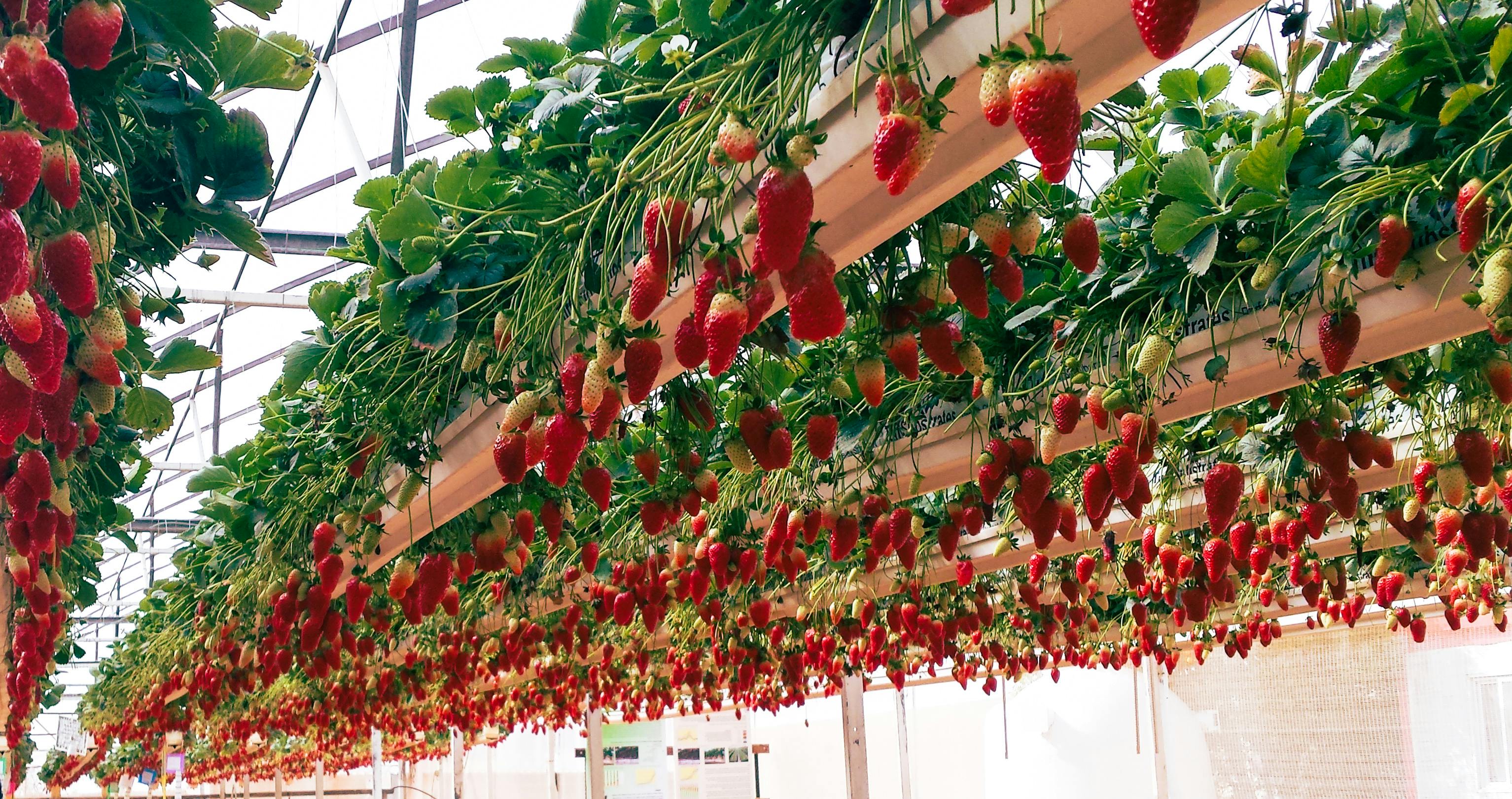
Kenya's agribusiness sector contributes significantly to the national economy and employs a large portion of the population. However, challenges such as soil degradation, unpredictable rainfall, and shrinking farmland hinder traditional crop production. Organic farming is growing, supported by initiatives focused on soil fertility restoration and sustainable practices. According to Kenya’s Ministry of Agriculture, sustainable farming methods like vertical farming can address land scarcity while improving productivity by up to 30%. Urban agriculture's rise in cities like Nairobi is vital; here, vertical farming helps meet food demand amid limited space and poor soil conditions.
The Food and Agriculture Organization (FAO) highlights vertical farming's role in promoting food security and environmental sustainability, particularly in densely populated regions. By adopting organic inputs and innovative water-saving technologies, Kenyan farmers can enhance soil health and reduce reliance on chemical fertilizers and erratic weather patterns.
Key Insights or Strategies
1. Maximizing Space with Stacked Crop Layers
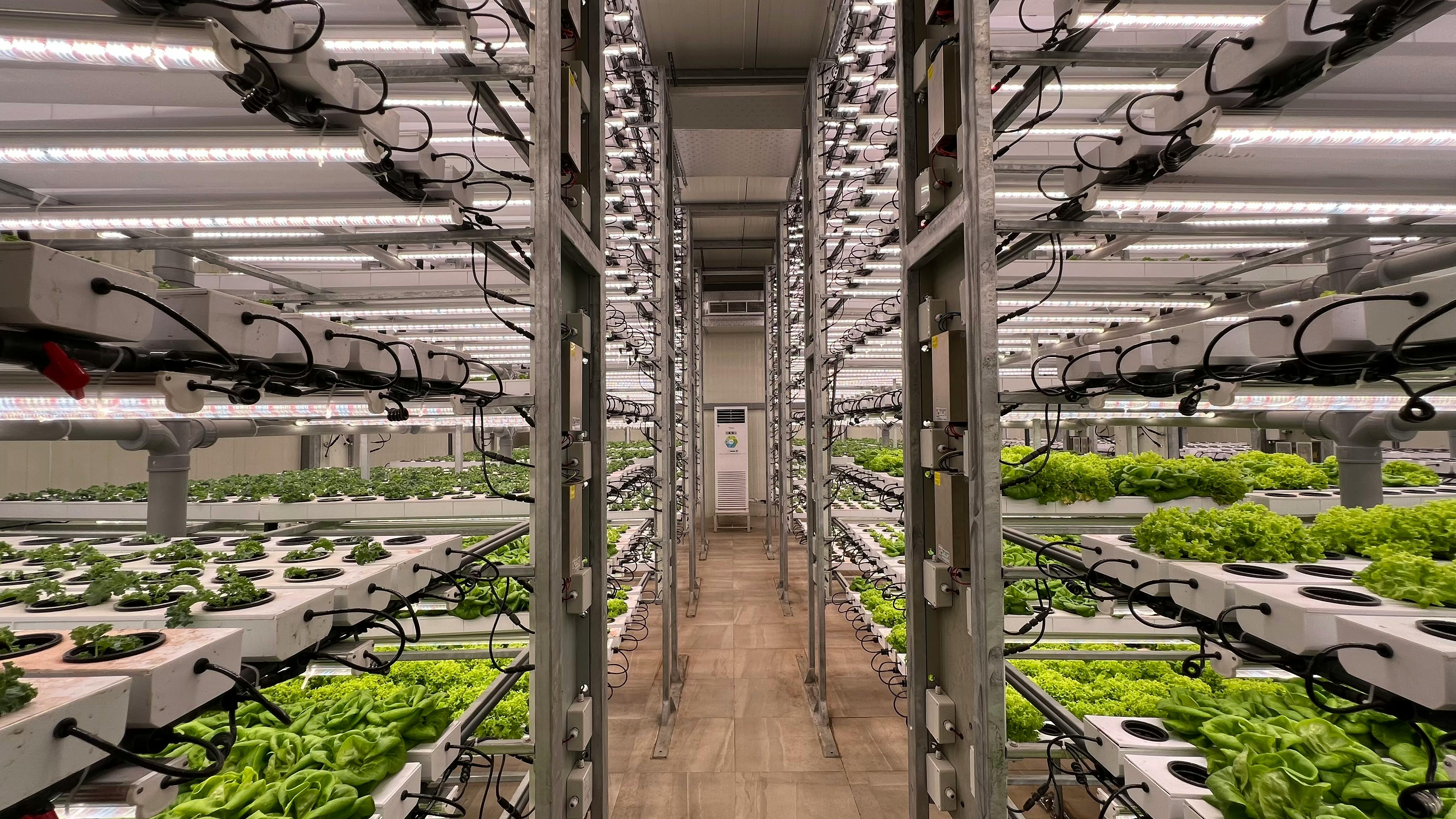
Vertical farming leverages three-dimensional space by stacking plants vertically to increase yield per square meter. This is especially beneficial in urban settings with limited land availability.
- Design stacking units from locally available materials or purchase modular vertical garden systems.
- Select suitable crops such as leafy greens, herbs, and strawberries that thrive in vertical setups.
- Maintain adequate lighting; use supplemental LED grow lights where natural light is insufficient.
- Regularly monitor plants for pests and nutrient deficiencies to keep yields optimal.
For farmers seeking a reliable soil assessment tool to optimize planting, consider the Rapitest Soil Test Kit for Gardens, Vegetables, Flowers and Lawns – available on Amazon.
2. Efficient Water Use with Drip Irrigation Systems
Water is often a limiting factor for crop productivity. Drip irrigation delivers water directly to plant roots, reducing waste and improving water-use efficiency.
- Install a drip irrigation system compatible with vertical setups for even water distribution.
- Use timers to automate irrigation schedules fitting crop water needs.
- Regularly clean and check emitters to prevent clogging.
Boost your water management with options like the MIXC 230FT Quick-Connect Drip Irrigation System Kit – available on Amazon, designed for greenhouses and raised beds.
Explore sustainable organic farming solutions with Biofarm Kenya to get expert advice on efficient water and soil management.
3. Organic Fertilization for Enhanced Soil Health
Adopting organic fertilizers supports soil microbial activity and nutrients, essential for sustainable vertical farming.
- Incorporate organic compost and manure into growing media regularly.
- Use soil amendments such as crushed oyster shell or kelp-based fertilizers for balanced mineral input.
- Test soil nutrient levels periodically and replenish as needed.
Maintain healthy soil with products like the Purple Cow Organics All Purpose Veggie Mix – available on Amazon, ideal for container and vertical garden applications.
Case Studies, Examples, or Comparisons
In Nairobi’s dense slums, vertical farming has enabled residents of Kibera and Mathare to overcome land scarcity by adopting sack and vertical garden farming, reducing food insecurity and generating income. According to a report by FAO, these urban innovations improve livelihoods and are scalable to other urban centers across Kenya.
Moreover, companies like Royal Seedlings in Murang'a are pioneering sustainable vertical farming solutions using stacked hydroponic systems tailored for Kenyan climates. They demonstrate yield increases of up to 30%, confirming the transformative potential heralded by the Vertical Farming Revolutionizes Crop Production approach.
Government programs and NGOs are also supporting farmer training in vertical farming techniques, combining modern technology with traditional knowledge for enhanced productivity.
Common Mistakes to Avoid
- Neglecting soil health: Using chemical fertilizers excessively reduces microbial life and long-term fertility.
- Poor irrigation management: Overwatering or irregular watering harms crops. Use drip irrigation and timers.
- Ignoring pest control: Dense vertical planting can increase pest risks; integrate pest monitoring and organic controls.
- Failing to test soil nutrients: Without regular testing, nutrient imbalances can decrease yields.
- Inadequate lighting: Plants in vertical stacks may suffer from insufficient light; supplement with artificial grow lights if needed.
Expert Tips or Best Practices
To maximize success in vertical farming across Kenya:
- Start small and scale your vertical farming setup gradually as you gain experience.
- Utilize locally sourced organic inputs to maintain cost-effectiveness and soil health.
- Implement efficient water systems like drip irrigation to save water and reduce labor.
- Regularly test your soil or growing medium using a reliable kit.
Try the Rapitest Soil Test Kit for fast and accurate soil pH and nutrient analysis.
Adopt greenhouse kits such as the various options available on Amazon to protect crops from harsh weather and pests while extending growing seasons.
Also, explore sustainable organic farming solutions with Biofarm Kenya for tailored advice and resources that align with Kenya's agricultural context.
Future Trends or Predictions
Smart agriculture is rapidly integrating with vertical farming innovations in Kenya. Emerging technologies include automation systems for irrigation and nutrient delivery, AI-driven crop monitoring platforms, and solar-powered vertical farms to reduce energy footprints.
The expansion of controlled environment agriculture, including indoor vertical farms and hydroponic units, is expected to scale with urban population growth, providing year-round production independent of climate variability.
Governments and startups are increasingly investing in ag-tech solutions to harness big data and remote sensing, optimizing vertical farming outputs and making sustainable agriculture accessible to more Kenyan farmers.
Conclusion
Vertical farming represents a revolution in crop production for Kenya, offering up to 30% higher yields and sustainable food supply solutions in space-limited urban and peri-urban areas. By combining innovative vertical stacking, water-efficient drip irrigation systems, and organic fertilization, farmers can overcome traditional farming challenges and improve productivity for food security.
Harness trusted farming tools like soil test kits and greenhouse kits from Amazon, paired with expert guidance. Learn more about sustainable solutions with Biofarm Kenya and join the movement toward innovative agriculture that benefits farmers, communities, and the environment alike.
FAQs
1. What exactly is vertical farming and how does it work?
Vertical farming is a method of growing crops in vertically stacked layers, often within controlled environments such as greenhouses or indoor farms. This technique maximizes space efficiency and allows for better control over growing conditions. More details on vertical farming can be found from the FAO's sustainable agriculture resources.
2. Is vertical farming economically viable for smallholder farmers in Kenya?
Yes, vertical farming can be cost-effective for smallholder farmers, especially in urban areas with limited land. Initial investment in infrastructure can be balanced by increased yields and savings on water and fertilizers. The Ministry of Agriculture in Kenya offers resources on support programs for farmers interested in innovative farming systems. Visit Kenya Ministry of Agriculture.
3. What type of crops are best suited for vertical farming?
Leafy greens, herbs, strawberries, and certain vegetables adapt well to vertical farming due to their size and growth habits. Root crops may require special containers. For precise crop suitability, consult guides provided by Biofarm Kenya at Biofarm Kenya.
4. How can vertical farming reduce water consumption?
Vertical farming often employs hydroponics or drip irrigation systems that deliver water precisely to plant roots, minimizing evaporation and runoff. This targeted approach can reduce water use by up to 70% compared to traditional farming. Learn more at Kenya National Environment Management Authority (NEMA).
5. What mistakes should be avoided when starting a vertical farm?
Common mistakes include neglecting proper soil or growing media preparation, ignoring pest control, poor irrigation management, and insufficient lighting. These issues can limit productivity. Following expert guidelines from Biofarm Kenya can help avoid these pitfalls. See Biofarm Kenya’s expert advice.
6. Where can Kenyan farmers access affordable vertical farming tools and resources?
Farmers can purchase tools like soil testing kits, drip irrigation systems, and greenhouse kits on Amazon with affiliate links for easy delivery. Biofarm Kenya also offers curated local solutions and partnerships to provide technical support and supplies. Visit Biofarm Kenya partners for more information.


0 Comments