

Estimated Reading Time: 10–11 minutes
TL;DR: Kenyan farmers can significantly boost maize yields and slash fertilizer costs by adopting sustainable intercropping methods. Integrating legumes like cowpeas and beans with staple crops naturally enriches soil with nitrogen, a vital nutrient. This guide provides practical steps and insights, including selecting compatible legume varieties, optimizing planting ratios, and managing crop rotations, drawing on local research to demonstrate proven profitability and environmental benefits. Embrace these practices for a more resilient and financially rewarding farming future.
Key Takeaways:
Introduction: Cultivating a Greener Future
The agricultural landscape in Kenya is undergoing a significant transformation. As input costs rise and environmental concerns grow, Kenyan farmers are increasingly seeking alternatives to costly chemical fertilizers. This guide offers a comprehensive approach to addressing these challenges, focusing on a sustainable and cost-effective method: intercropping legumes with staple crops like maize. By training farmers to intercrop legumes such as cowpeas and beans, we can naturally fix nitrogen in the soil, boosting fertility and reducing reliance on synthetic inputs. This not only promises greater yields but also fosters a healthier ecosystem, aligning with Biofarm Kenya’s commitment to sustainable agriculture.
The core principle revolves around unlocking the power of nature. Legumes have a symbiotic relationship with nitrogen-fixing bacteria in their root nodules, converting atmospheric nitrogen into a usable form for plants. This biological process enriches the soil, providing a continuous supply of this essential nutrient for companion crops like maize. The benefits extend beyond nutrient provision, contributing to improved soil structure, enhanced biodiversity, and increased farm resilience against climatic shocks.
Background & Context: The Shifting Sands of Kenyan Agriculture
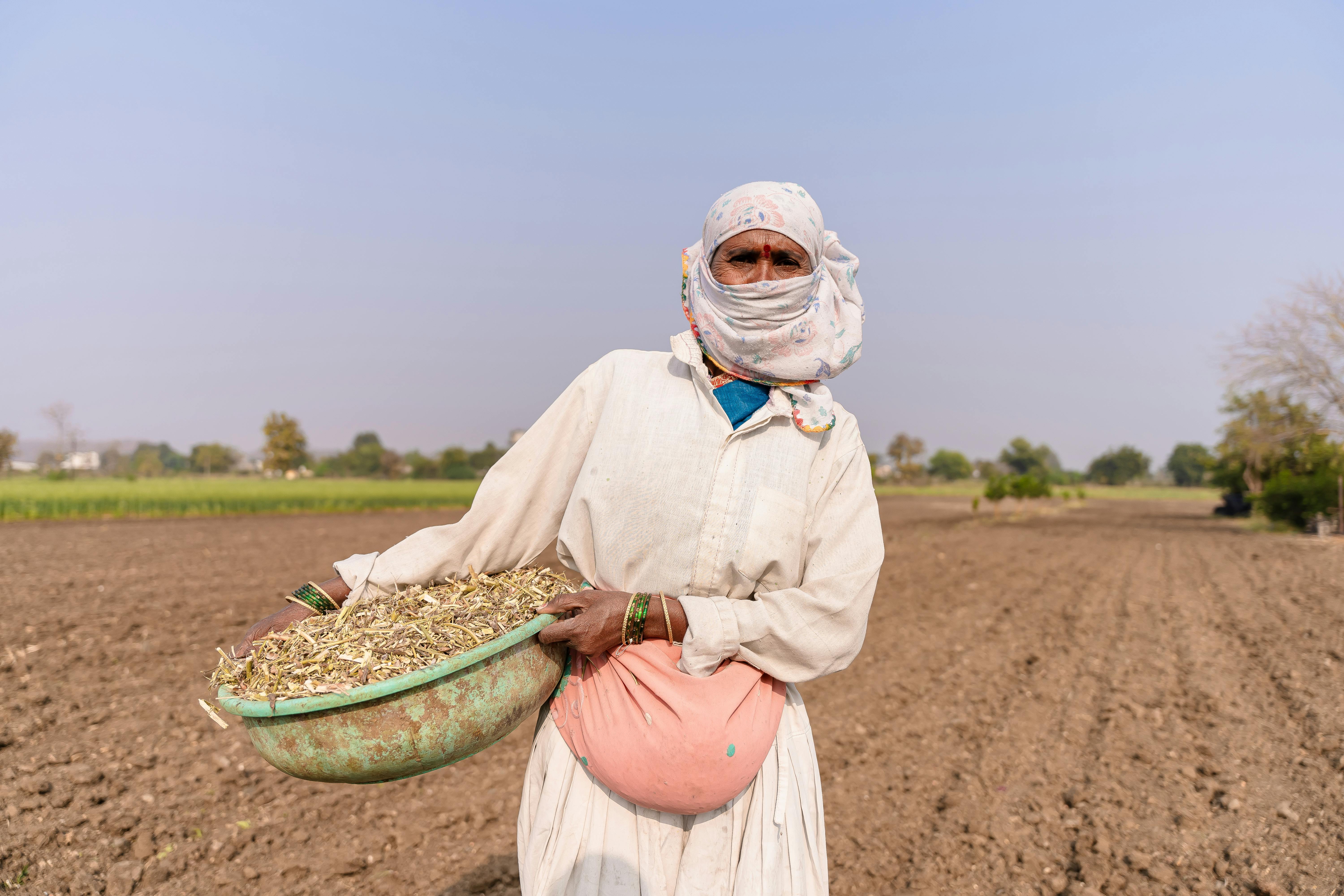
Agriculture remains the backbone of Kenya's economy, contributing a substantial 22.4 percent to the national GDP in 2021, according to Statista. This sector is not merely about food production; it's a vital engine for economic development and poverty alleviation, particularly in rural areas. However, traditional farming practices often involve heavy reliance on synthetic fertilizers, which can be expensive, environmentally detrimental, and unsustainable in the long run.
Soil degradation, declining fertility, and the escalating cost of imported fertilizers pose significant threats to food security and farmer livelihoods in Kenya. The government, through policies like the Crops Act (2013) and the National Agricultural Research System Policy (2012), has emphasized sustainable and environmentally friendly production methods. These policies highlight the critical role of county governments in implementing soil and water conservation measures and fostering an innovative, modern agricultural sector. Intercropping legumes with maize directly supports these national objectives, offering a practical pathway to more resilient and profitable farming systems.
Key Insights & Strategies: Mastering Natural Nitrogen Fixation

To successfully integrate natural nitrogen fixation into your farming practice, understanding key strategies is paramount. The focus is on harnessing the natural capabilities of legumes to improve soil health and crop productivity, ultimately leading to significant cost savings and increased yields for Kenyan farmers.
1. Selecting Compatible Legume Varieties
Choosing the right legumes is the first step. Different varieties offer varying benefits and growth habits. For intercropping with maize, fast-growing, bush-type legumes like cowpeas, common beans (Phaseolus vulgaris), and green grams (mung beans) are often ideal. These varieties compete less with maize for light and nutrients in the early growth stages and mature relatively quickly, providing an additional harvest.
For farmers looking to understand their soil's unique composition before planting, a reliable soil testing kit is invaluable. Boost your yields with the 6-in-1 Soil Moisture Meter with 3 Probes – available on Amazon, providing insights into pH, moisture, and fertility.
2. Optimizing Planting Ratios and Patterns
The success of intercropping largely depends on the spatial arrangement and density of your crops. Common recommendations suggest planting ratios of 1:2 or 1:3 (legume:maize), meaning one row of legumes for every two or three rows of maize. This ratio ensures adequate light penetration for both crops and minimizes competition.
Precise watering is essential for optimal crop development, especially in dry regions. Enhance your irrigation efficiency with a system like the MIXC 230FT Quick-Connect Drip Irrigation System Kit – available on Amazon.
3. Managing Crop Rotations and Residue
While intercropping provides immediate nitrogen benefits, incorporating legumes into broader crop rotation schemes further enhances soil health and breaks pest and disease cycles. Leaving legume residue on the field after harvest returns organic matter and residual nitrogen to the soil, improving its structure and fertility for subsequent crops.
This comprehensive approach to intercropping not only supports the growth of healthy crops but also builds the long-term sustainability of your farm. For further guidance and resources, Explore sustainable organic farming solutions with Biofarm Kenya.
Case Studies & Examples: Success Stories from the Field
Across Kenya, numerous farmers are demonstrating the tangible benefits of sustainable agricultural practices, particularly through legume intercropping. These success stories serve as powerful examples of how adopting natural nitrogen fixation can lead to increased yields, reduced costs, and enhanced farm resilience.
In semi-arid regions of Eastern Kenya, a 2025 KALRO study highlighted in our focus keyword demonstrated remarkable results. Farmers adopting intercropping methods, specifically planting legumes with maize, saw maize yields boost by an impressive 28–35%. Crucially, this came with a significant reduction in fertilizer costs, often by as much as 50%. This economic advantage is transformative for smallholder farmers who often struggle with the high prices of synthetic inputs.
Further research, such as a study published in ScienceDirect, also found that intercropping with cowpea did not significantly compromise maize yield, and in some cases, enhanced overall land productivity. Similarly, a study cited by PMC showed that intercropping maize with faba beans led to improved crop yield, income, and critical soil fertility indicators. These findings underscore the dual benefits of intercropping: immediate yield improvements and long-term soil health enhancement.
One notable example is the work done in communities around Kitale and Kakamega, where local farmer groups, supported by agricultural extension services, have successfully implemented maize-bean intercropping. These farmers report not only higher maize harvests but also an additional income stream from the bean crop, diversifying their economic base and improving food security. The visual impact on their fields—lush, healthy crops with improved soil tilth—is a testament to the power of working with nature.
These case studies underscore that sustainable farming is not just an ideal but a practical, profitable reality for Kenyan farmers. By embracing intercropping, they are building more resilient agricultural systems that can withstand economic pressures and environmental changes, ensuring food security for their families and communities.
Common Mistakes to Avoid: Paving the Way for Success
While the benefits of sustainable farming, especially intercropping, are clear, farmers can sometimes encounter challenges if key practices are overlooked. Avoiding common mistakes is crucial for maximizing the effectiveness of natural nitrogen fixation and ensuring healthy crop growth.
One of the most frequent errors observed in Kenya is the failure to conduct proper soil testing. Many farmers plant without fully understanding the makeup of their soils, leading to inefficient nutrient management and suboptimal yields. Without knowing your soil's pH, nutrient levels, and texture, you might choose unsuitable crops or apply unnecessary amendments. A professional soil test provides invaluable data, guiding decisions on crop selection and soil improvement strategies.
Another common mistake is poor management of planting ratios and timing in intercropping systems. If legumes are planted too densely or too early, they can compete with maize for light, water, and nutrients, negating the benefits. Similarly, choosing legume varieties that are too vigorous or have incompatible growth habits can suppress the main crop. Careful planning based on recommended ratios (e.g., 1:2 or 1:3 legume:maize) and understanding the growth cycles of both crops is vital.
Improper irrigation is another significant pitfall, especially in semi-arid regions. Over-watering can lead to nutrient leaching and root diseases, while under-watering causes moisture stress, severely impacting crop development. Implementing efficient irrigation systems, such as drip irrigation, and understanding the specific water needs of your intercropped plants can prevent these issues.
Finally, neglecting crop rotation and organic matter return can hinder long-term soil health. Relying solely on intercropping without broader rotation plans can lead to the buildup of specific pests or diseases. Similarly, removing all crop residue from the field deprives the soil of vital organic matter, which is essential for improving soil structure, water retention, and microbial activity. Always aim to return biomass to the soil to continuously enrich its fertility.
Expert Tips & Best Practices: Nurturing Your Farm's Potential
Cultivating a thriving, sustainable farm requires more than just good intentions; it demands informed practices and a continuous commitment to soil health. Here are expert tips tailored for Kenyan farmers looking to boost yields and cut costs through natural nitrogen fixation and overall sustainable agriculture.
1. Prioritize Soil Health: Your soil is your greatest asset. Regular soil testing (at least once every two years) provides a baseline for understanding its nutritional needs and pH levels. This data helps you make informed decisions about amendments and planting. For comprehensive soil analysis, consider investing in a reliable tool like the 6-in-1 Soil Moisture Meter with 3 Probes – available on Amazon, which offers multi-functional readings.
2. Embrace Biodiversity: Beyond intercropping, diversify your farm with a variety of crops. This approach enhances ecological balance, attracts beneficial insects, and reduces the risk of widespread pest or disease outbreaks. Consider planting hedgerows or shade trees which can also contribute to microclimate regulation and soil stability.
3. Master Water Management: Water is a precious resource. Implement efficient irrigation techniques such as drip irrigation, which delivers water directly to the plant roots, minimizing wastage. Harvest rainwater where possible and consider mulching to retain soil moisture. For setting up an efficient watering system, a kit like the MIXC 230FT Quick-Connect Drip Irrigation System Kit – available on Amazon can be a game-changer.
4. Nurture Your Nitrogen Fixers: Ensure your legumes are healthy by providing them with adequate phosphorus, potassium, and micronutrients. While they fix nitrogen, they still require other elements for robust growth. Using organic soil amendments can significantly enhance the activity of nitrogen-fixing bacteria. Maintain healthy soil with Worm Castings Organic Fertilizer – available on Amazon, a natural and effective soil conditioner.
5. Continuous Learning and Adaptation: Agricultural science is always evolving. Stay updated with the latest research from KALRO and local agricultural extension services. Attend workshops and farmer field schools. Share your experiences with fellow farmers and learn from their successes and challenges. Adapt your practices to your specific farm conditions and local climate patterns.
By integrating these expert tips, Kenyan farmers can build more productive, profitable, and environmentally sound agricultural enterprises. For in-depth resources and partnership opportunities, Explore sustainable organic farming solutions with Biofarm Kenya.
Future Trends & Predictions: Innovating for Tomorrow's Harvests
The future of sustainable agriculture in Kenya and across East Africa is poised for exciting innovations that promise to further boost yields, enhance efficiency, and build resilience against climate change. Embracing these emerging trends will be key for farmers looking to stay ahead and ensure long-term profitability.
One significant trend is the rise of Agri-Tech, which the World Bank predicts could increase Africa's agricultural productivity by up to 70% by 2030. This includes the widespread adoption of technologies such as smart irrigation systems that use sensors to deliver water precisely when and where it's needed, minimizing waste and optimizing plant growth. Vertical farming and controlled-environment agriculture are also gaining traction, offering solutions for urban areas or regions with limited arable land, ensuring year-round production.
Artificial intelligence (AI) and drone technology are set to revolutionize crop monitoring and management. Drones equipped with multispectral cameras can detect early signs of pest infestations, nutrient deficiencies, or water stress across vast fields, allowing for targeted interventions. AI-driven analytics can then process this data, providing farmers with actionable insights for optimized planting, fertilization, and harvesting schedules.
Beyond technology, there's a growing emphasis on agroecology and regenerative agriculture. This holistic approach focuses on restoring and enhancing entire farm ecosystems, moving beyond simple mitigation to actively building soil carbon, increasing biodiversity, and improving water cycles. Innovations in bio-fertilizers and bio-pesticides, harnessing natural microbes and plant extracts, will further reduce reliance on synthetic chemicals, aligning perfectly with the principles of natural nitrogen fixation.
The integration of blockchain technology is also emerging as a way to enhance supply chain transparency, ensuring fair pricing for farmers and guaranteeing the authenticity of organic produce. As consumer demand for sustainably grown food increases, these technologies will empower Kenyan farmers to meet market needs while strengthening their environmental stewardship. The commitment to such innovations will define the next generation of profitable and sustainable farming in the region.
Conclusion: Sowing Seeds of Sustainability
The journey towards sustainable agriculture in Kenya is not merely an option but an imperative for economic prosperity, food security, and environmental resilience. By embracing practices like legume intercropping, Kenyan farmers can harness nature's power to significantly boost maize yields by 28–35% and drastically cut fertilizer costs by up to 50%. This guide has illuminated the practical steps, from selecting compatible legume varieties and optimizing planting ratios to avoiding common mistakes and adopting future-forward technologies.
The benefits extend far beyond individual farm gates, contributing to enhanced soil health, increased biodiversity, and a more robust agricultural sector capable of withstanding the challenges of a changing climate. Biofarm Kenya is dedicated to empowering farmers with the knowledge and tools to make this transition a success, fostering a community of resilient and profitable producers.
Now is the time to cultivate change. Discover trusted organic farming tools on Amazon and learn more about sustainable solutions with Biofarm Kenya. Take the proactive step today towards a greener, more prosperous tomorrow for your farm and for Kenya.
FAQs: Your Questions Answered
External Authoritative Links:
Internal Biofarm Kenya Links:


0 Comments