

Estimated Reading Time: 9 minutes
TL;DR:
- Integrated Pest Management (IPM) is crucial for Kenyan farmers facing rising pesticide resistance and environmental concerns.
- IPM blends biological controls, trap crops, and biopesticides to reduce chemical reliance and costs.
- Key evidence suggests IPM can cut chemical expenses by 40% while maintaining yields and effectively managing pests like the fall armyworm.
- Effective IPM requires consistent pest monitoring, targeted interventions, and a holistic understanding of farm ecosystems.
- Adopting IPM boosts farm profitability, promotes environmental health, and secures sustainable agriculture for future generations in Kenya.
Key Takeaways:
- Implement regular scouting and monitoring programs to identify pests early and accurately.
- Integrate diverse biological controls, such as beneficial insects and microbial agents, into your pest management strategy.
- Utilize trap crops and push-pull strategies to divert pests from primary cash crops.
- Prioritize the use of biopesticides derived from natural sources over synthetic chemicals.
- Invest in farmer training and knowledge sharing to foster wider adoption and effective implementation of IPM practices across Kenya.
Table of Contents
Introduction
In the vibrant agricultural landscapes of Kenya, farmers are increasingly at a crossroads. The promise of bountiful harvests often clashes with the persistent threat of pests, pushing many towards traditional chemical pesticides. However, the tide is turning. Kenyan farmers are increasingly adopting integrated pest management (IPM) over chemical pesticides due to rising pesticide resistance and environmental costs. This shift is not merely a trend; it's a strategic imperative for sustainable growth, offering a pathway to reduced input costs, enhanced environmental stewardship, and healthier produce.
The challenges posed by resilient pests like the notorious fall armyworm have highlighted the limitations of relying solely on synthetic chemicals. Farmers are discovering that repeated pesticide use can lead to pest resistance, making these chemicals less effective over time and forcing higher application rates or stronger formulations. This escalating cycle not only inflates operational costs but also raises serious concerns about soil health, biodiversity, and food safety.
This training guide focuses on practical steps to implement IPM using biological controls, trap crops, and biopesticides. We delve into strategies that empower farmers to proactively manage pests by understanding their life cycles and vulnerabilities, rather than reacting with broad-spectrum chemical interventions. Key evidence shows IPM reduces chemical costs by 40% while maintaining yields (2025 USDA-Kenya study) and mitigates fall armyworm damage through natural predator introduction. By embracing IPM, farmers can significantly lower their expenditure on chemical inputs, protect beneficial insects, and contribute to a more resilient agricultural ecosystem. Farmers must learn to monitor pest cycles and apply targeted interventions to truly boost their farm profits sustainably.
Background & Context
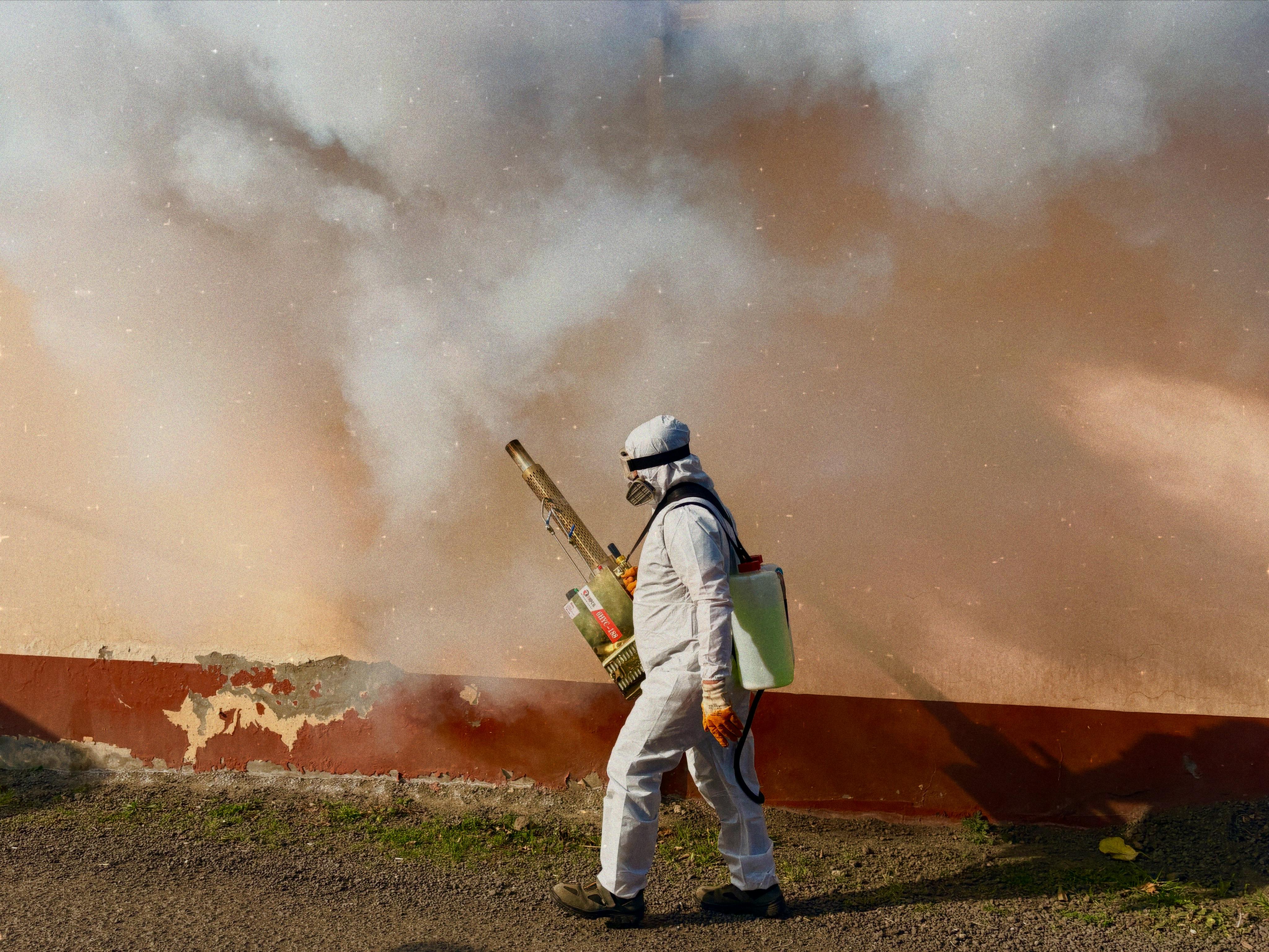
Kenya's agricultural sector is the backbone of its economy, contributing significantly to the GDP, employment, and food security. However, this vital sector faces numerous pressures, including climate change, soil degradation, and increasing pest incidences. The reliance on conventional farming practices, often characterized by heavy synthetic fertilizer and pesticide use, has led to unintended consequences. Soil fertility, a cornerstone of productive agriculture, has been compromised in many regions, affecting yields and the long-term viability of farms.
In recent years, there has been a noticeable surge in interest and adoption of organic farming and sustainable agriculture practices across Kenya. This growth is driven by a combination of factors: increasing consumer demand for organic produce, the rising costs of conventional inputs, and a greater awareness of environmental conservation. Reports indicate a steady rise in the number of certified organic farms and farmers transitioning to sustainable methods, highlighting a strong momentum towards eco-friendly agriculture.
The agribusiness landscape in Kenya is evolving, with innovation playing a critical role. From smallholder farmers adopting basic composting techniques to larger enterprises investing in advanced drip irrigation systems, the push towards efficiency and sustainability is evident. This shift underscores the urgent need for robust pest management strategies that align with organic principles and support the health of both the farm and the farming community. IPM offers a scientifically sound and economically viable alternative to purely chemical-based approaches, providing a holistic framework for managing pests while preserving the delicate balance of the farm ecosystem. It's about working with nature, not against it, to ensure enduring productivity and profitability.
Key Insights & Strategies for IPM Success
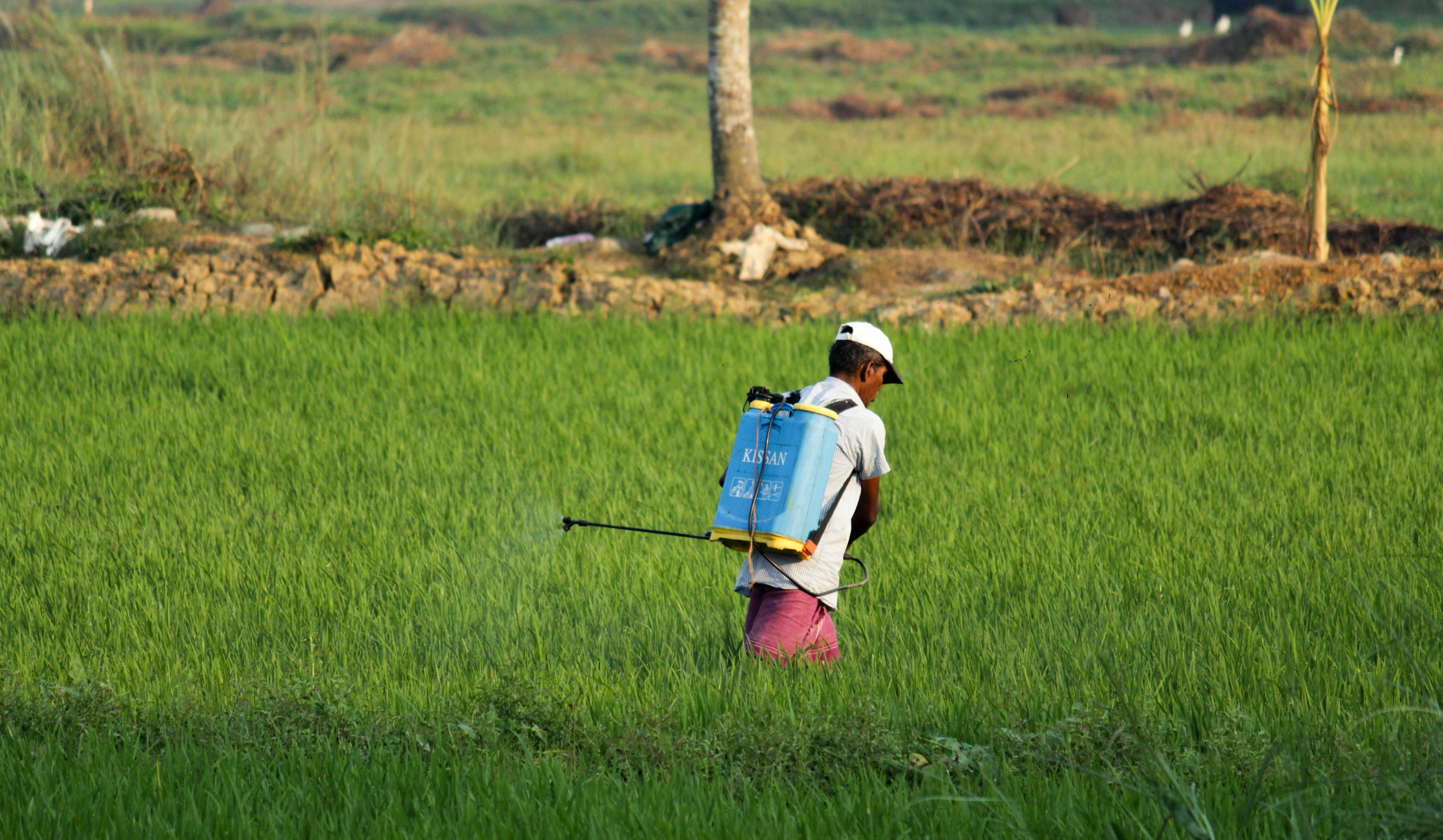
Implementing Integrated Pest Management effectively requires a multifaceted approach, combining various tools and techniques to create a resilient farm ecosystem. Here are key insights and actionable strategies crucial for Kenyan farmers aiming to boost farm profits sustainably.
Embracing Biological Controls
Biological control involves using natural enemies like predators, parasites, and pathogens to reduce pest populations. This strategy is a cornerstone of IPM, offering a sustainable and environmentally friendly alternative to chemical interventions.
- Identify and Conserve Beneficial Insects: Learn to recognize insects like ladybugs, parasitic wasps, and lacewings that prey on common pests. Plant flowering borders to provide nectar and pollen for these beneficial insects, creating a welcoming habitat.
- Introduce Natural Enemies: For specific pest outbreaks, consider introducing commercially available beneficial insects. For instance, tiny parasitic wasps (e.g., *Telenomus isis*) are highly effective against fall armyworm eggs.
- Understand the Pest-Predator Cycle: Monitor both pest and beneficial insect populations. Intervene only when pest levels exceed economic thresholds, ensuring that natural enemies have a chance to control the situation.
For specific pest monitoring, especially for pervasive threats like the fall armyworm, consider using targeted solutions. The Reusable Pheromone Trap for Fall Armyworm & Moths – Outdoor Pest Control available on Amazon, can be an excellent tool for early detection and population assessment, allowing for timely biological interventions.
Strategic Use of Trap Crops
Trap crops are plants grown to attract agricultural pests, diverting them away from the main cash crop. This strategy is particularly effective for pests that exhibit specific host preferences.
- Select Appropriate Trap Crops: Research which plants are more attractive to your target pests than your primary crop. For instance, Napier grass and Desmodium are used in the 'push-pull' strategy to manage stemborers and fall armyworm in maize fields.
- Timing and Placement: Plant trap crops before or simultaneously with your main crop, ensuring they are established and attractive when pests emerge. Position them around the perimeter or intercropped within the main field, depending on the pest's behavior.
- Management of Trap Crops: Once pests are concentrated on the trap crop, they can be mechanically removed, destroyed, or treated with targeted biopesticides, preventing them from spreading to the main crop.
Leveraging Biopesticides & Natural Solutions
Biopesticides are naturally derived pesticides from animals, plants, bacteria, and certain minerals. They offer a safer, more environmentally friendly alternative to synthetic chemicals.
- Neem-Based Products: Neem oil, derived from the neem tree, is a powerful biopesticide effective against a wide range of pests, acting as an antifeedant, repellent, and insect growth regulator.
- Microbial Pesticides: These contain bacteria, fungi, or viruses that are pathogenic to specific pests. For example, *Bacillus thuringiensis* (Bt) is widely used against caterpillars, including the fall armyworm.
- Plant Extracts: Explore local plant-based pest repellents and insecticides. Many indigenous plants have properties that can deter or kill pests.
For farmers looking for a versatile and effective natural solution, the Organic Cold Pressed Neem Oil Concentrate - Natural Insecticide & Fungicide is an excellent choice for a broad range of pest and disease issues. To effectively apply these solutions, a reliable sprayer is essential. The 1-Gallon Garden Pressure Sprayer - Chemical-Free Application for Organic Solutions provides precise and even distribution, critical for maximizing the efficacy of your biopesticides.
Effective Pest Monitoring & Diagnosis
Consistent and accurate monitoring is the foundation of any successful IPM program. It allows farmers to make informed decisions about when and how to intervene.
- Regular Scouting: Walk through your fields frequently, observing plants for signs of pest damage, pest presence, and beneficial insect activity. Keep a field diary to track observations.
- Use Traps: Employ sticky traps, pheromone traps, and light traps to monitor pest populations. These can help identify pest influxes and provide data on population trends.
- Accurate Identification: Learn to correctly identify pests and the specific damage they cause. Misidentification can lead to inappropriate and ineffective interventions.
- Establish Economic Thresholds: Understand at what pest population level intervention is truly necessary to prevent economic loss. Not every pest presence requires immediate action, especially if natural enemies are active.
To gain a deeper understanding of your farm's ecosystem and make informed decisions, it’s vital to assess the underlying health of your soil. The Digital Soil pH and Moisture Tester Kit - 4-in-1 for Garden & Farm can provide crucial data, as healthy soil contributes significantly to plant resilience against pests. Remember, healthy soil leads to healthy plants, which are naturally more resistant to pests.
For further resources and guidance on implementing these strategies and exploring sustainable organic farming solutions, be sure to Explore sustainable organic farming solutions with Biofarm Kenya.
Case Studies & Examples from Kenyan Agriculture
The success of Integrated Pest Management in Kenya is not merely theoretical; it is demonstrated through numerous practical applications by resilient farmers. These examples illustrate how local adaptations of IPM principles lead to tangible benefits, from increased yields to improved livelihoods and environmental health.
One of the most widely celebrated success stories in Kenyan IPM is the 'Push-Pull' technology developed by the International Centre of Insect Physiology and Ecology (ICIPE) for controlling cereal stemborers and the notorious fall armyworm in maize. Farmers intercrop maize with Desmodium (the 'push' plant) which repels pests and attracts natural enemies. Around the maize field, Napier grass (the 'pull' plant) is planted as a trap crop, attracting pests away from the maize. This innovative biological approach has shown remarkable results, with farmers reporting significant reductions in pest damage and an average yield increase of 15-20% for maize, alongside the added benefit of fodder for livestock from the Napier grass and soil fertility improvement from the Desmodium. Smallholder farmers in Western Kenya, who adopted this method, have experienced fewer crop losses and a decreased reliance on costly chemical sprays. (Source: ICIPE Push-Pull Technology).
Another compelling example comes from the horticultural sector. Farmers in regions like Kirinyaga and Meru, dealing with whiteflies and spider mites in their tomato and capsicum greenhouses, have successfully integrated biological control agents. Instead of continuous chemical spraying, they introduce predatory mites (*Amblyseius swirskii*) and parasitic wasps (*Encarsia formosa*) into their greenhouses. This strategy has drastically reduced pest populations, leading to healthier crops, higher quality produce, and significantly lower residues, making their products more attractive for both local and export markets. This targeted biological intervention demonstrates IPM's precision and effectiveness in controlled environments.
Furthermore, the adoption of biopesticides, particularly those based on neem and *Bacillus thuringiensis* (Bt), has grown among organic vegetable farmers. For instance, farmers near peri-urban areas supplying fresh produce to Nairobi have found that regular applications of neem oil effectively manage aphids, thrips, and early-stage caterpillar infestations without harming beneficial insects or leaving chemical residues. This approach aligns with organic certification requirements and meets the growing consumer demand for chemical-free food. These examples underscore the adaptability and economic viability of IPM strategies in diverse Kenyan agricultural contexts, proving that sustainable pest management is not just an ideal, but a practical reality.
Common Mistakes to Avoid in IPM Implementation
While Integrated Pest Management offers immense benefits, its successful implementation hinges on careful planning and execution. Farmers often encounter pitfalls that can undermine their efforts. Being aware of these common mistakes is the first step towards avoiding them and ensuring a robust IPM strategy.
One of the most frequent errors is poor pest identification and monitoring. Many farmers react to pest presence without correctly identifying the species or assessing the actual population size. This often leads to using the wrong intervention or spraying unnecessarily, which can harm beneficial insects and waste resources. Accurate identification is paramount, as different pests respond to different controls. Investing time in learning common pests and their life cycles is crucial.
Another significant mistake is neglecting cultural control practices. IPM is not just about biological agents or biopesticides; it starts with good farming practices. Ignoring crop rotation, proper sanitation (removing crop residues that harbor pests), timely planting, and appropriate spacing can create environments conducive to pest outbreaks. These foundational practices significantly reduce initial pest pressure, making other IPM tactics more effective.
Over-reliance on a single IPM tactic, even a biological one, is another pitfall. For instance, using only one type of biopesticide or relying solely on a single predatory insect for all pest problems can lead to resistance or ineffective control against a complex pest spectrum. IPM emphasizes integration – combining multiple methods (cultural, biological, physical, and chemical where absolutely necessary) in a synergistic manner. A diversified approach builds resilience into the system.
Farmers also commonly make errors in timing of interventions. Applying a biopesticide too early or too late in a pest's life cycle can drastically reduce its efficacy. For example, some microbial pesticides are most effective against larval stages, while others target adults. Similarly, introducing beneficial insects when pest populations are too high might overwhelm the natural enemies. Precise timing, based on monitoring data, is key to maximizing impact.
Finally, ignoring soil health and plant nutrition can severely compromise IPM efforts. Weak, nutrient-deficient plants are more susceptible to pest attacks. Poor soil management, including inadequate organic matter and imbalanced pH, stresses plants, making them an easy target. A holistic IPM approach understands that healthy soil produces healthy plants that are naturally more resilient to pests and diseases. Addressing soil fertility issues is a fundamental preventative measure in IPM.
Expert Tips & Best Practices for Kenyan Farmers
To truly harness the power of Integrated Pest Management and secure a profitable, sustainable future for your farm, consider these expert tips tailored for the Kenyan agricultural context. These practices emphasize observation, ecological balance, and informed decision-making.
Tip 1: Foster Farm Biodiversity. Don't just grow cash crops; actively create a diverse farm environment. Plant native trees, shrubs, and flowering plants around your fields. These provide habitats, shelter, and alternative food sources for beneficial insects and birds, turning your farm into a natural pest control hub. A rich biodiversity acts as a natural buffer against pest outbreaks.
Tip 2: Master the Art of Scouting. Make daily or weekly field walks a routine. This isn't just a stroll; it's a critical intelligence gathering mission. Look for early signs of pest damage, pest eggs, larvae, and the presence of beneficial insects. Pay attention to specific plant parts where pests typically hide. The earlier you detect a problem, the more options you have for targeted, less intrusive interventions.
Tip 3: Understand Your Soil. Healthy soil is the foundation of healthy plants, which are naturally more resistant to pests. Regularly test your soil for pH, nutrient levels, and organic matter content. Amend your soil with compost and other organic fertilizers to improve its structure and microbial life. A balanced soil ecosystem promotes robust plant growth and resilience. To help you with this, consider investing in a reliable tool like the Digital Soil pH and Moisture Tester Kit - 4-in-1 for Garden & Farm, which provides quick and essential data right in your field.
Tip 4: Embrace Local Knowledge and Networks. Connect with experienced organic farmers in your community. Local knowledge about pest cycles, traditional remedies, and effective cultural practices is invaluable. Join farmer cooperatives or extension service workshops focused on sustainable agriculture and IPM. Sharing experiences and learning from peers can accelerate your adoption of best practices.
Tip 5: Calibrate Your Application Equipment. Whether you're using biopesticides or other organic solutions, ensuring your sprayers are properly calibrated is vital. Incorrect calibration can lead to under- or over-application, reducing efficacy and potentially wasting costly inputs. Practice regular maintenance and calibration checks on all your application tools. A good quality, well-maintained sprayer, such as the 1-Gallon Garden Pressure Sprayer - Chemical-Free Application for Organic Solutions, is key to effective and economical application.
Tip 6: Keep Detailed Records. Document everything: what pests you observed, when and where, what interventions you applied, and the resulting outcomes. This data is invaluable for identifying patterns, understanding what works best on your farm, and making informed decisions for future seasons. Over time, your records will become a powerful tool for optimizing your IPM strategy.
These expert tips, combined with a commitment to continuous learning, will empower Kenyan farmers to transition effectively to IPM. For more in-depth guidance and access to cutting-edge sustainable farming solutions, Explore sustainable organic farming solutions with Biofarm Kenya.
Future Trends & Innovations in Kenyan IPM
The agricultural landscape in Kenya is dynamic, continually evolving with technological advancements and a growing emphasis on sustainability. The future of Integrated Pest Management is poised for significant transformation, driven by innovations that promise even more precise, efficient, and ecologically sound approaches. These emerging trends offer exciting prospects for Kenyan farmers looking to stay ahead and further boost their farm profits.
One major trend is the rise of precision agriculture and smart irrigation systems. These technologies, often powered by AI and IoT (Internet of Things) sensors, allow farmers to monitor crop health, soil moisture, and pest presence in real-time and with high accuracy. Drones equipped with multispectral cameras can detect early signs of stress or pest infestations across large fields, enabling highly localized and targeted interventions. Imagine identifying a specific patch of your maize field infested with fall armyworms and applying a biopesticide only to that area, rather than spraying the entire field. This level of precision significantly reduces input waste and environmental impact.
Another significant innovation is the development of AI-driven crop monitoring and predictive analytics. Machine learning algorithms can analyze vast datasets—including weather patterns, historical pest outbreaks, and satellite imagery—to predict when and where pest infestations are likely to occur. This predictive capability allows farmers to implement preventative IPM measures even before pests become a visible problem, shifting from reactive control to proactive management. For instance, an AI system could alert a farmer to the high probability of a potato late blight outbreak based on specific humidity and temperature forecasts, advising them to apply a preventative organic fungicide.
Biotechnological advancements in pest control are also gaining momentum. This includes the continuous research and development of new biopesticides, which are more specific to target pests and safer for beneficial insects and the environment. Advances in understanding insect genomics are paving the way for novel genetic control methods, though these are often subject to stringent regulatory and ethical considerations. More immediately applicable are innovations in biosecurity and biological control agents, with more efficient and robust strains of natural enemies being developed and deployed.
Furthermore, vertical farming and controlled environment agriculture (CEA) are slowly gaining traction in Kenya, particularly for high-value crops in urban and peri-urban areas. These systems offer an inherently IPM-friendly environment by limiting pest entry and allowing for precise environmental control, drastically reducing pest pressure from the outset. While capital intensive, these innovations present opportunities for year-round, chemical-free production in regions where traditional farming faces significant pest challenges.
These future trends underscore a move towards more data-driven, precise, and biologically-focused pest management. For Kenyan farmers, staying informed about these developments and exploring their applicability will be crucial for maintaining competitiveness and achieving truly sustainable and profitable agriculture.
Conclusion
Integrated Pest Management is no longer an optional approach for Kenyan farmers; it is an essential strategy for resilience, profitability, and sustainability in the face of evolving agricultural challenges. By strategically combining biological controls, trap crops, biopesticides, and rigorous monitoring, farmers can significantly reduce their reliance on costly and environmentally damaging chemical pesticides. As we've explored, IPM offers a proven path to cutting chemical costs by 40% while maintaining robust yields and effectively mitigating threats like the fall armyworm, transforming farming into a more sustainable and economically viable venture.
The transition to IPM empowers farmers with knowledge and tools to work in harmony with nature, fostering healthier soil, protecting beneficial insects, and producing safer, higher-quality food. It’s a journey towards greater self-sufficiency and environmental stewardship, ensuring that Kenya's agricultural heartland remains productive for generations to come. Embrace these practices, stay informed about new innovations, and become a champion of sustainable farming.
To equip your farm with the best organic farming tools, discover trusted solutions on Amazon. For comprehensive support and to delve deeper into sustainable solutions that align with Biofarm Kenya's mission, learn more about sustainable solutions with Biofarm Kenya.
Frequently Asked Questions (FAQs)
Q1: What are the four main components of IPM?
A1: The four main components of IPM are: 1. Monitoring & Pest Identification: Regularly scouting and accurately identifying pests and beneficials. 2. Economic Thresholds: Determining the pest population level at which intervention is economically justified. 3. Prevention: Using cultural practices like crop rotation, sanitation, and resistant varieties to prevent pest problems. 4. Control: Employing a combination of biological (natural enemies), cultural, physical/mechanical (traps), and judicious chemical (biopesticides) methods when thresholds are reached. Learn more at FAO.
Q2: What are examples of IPM in agriculture?
A2: Practical examples of IPM in agriculture include: using pheromone traps to monitor and mass-trap moths in fruit orchards, introducing ladybugs to control aphids on vegetable crops, practicing crop rotation to disrupt pest cycles in maize fields, planting trap crops like Napier grass to divert fall armyworm from main crops, and applying neem-based biopesticides for broad-spectrum insect control. These methods minimize reliance on synthetic chemicals.
Q3: What is the role of IPM in sustainable agriculture?
A3: IPM plays a central role in sustainable agriculture by reducing environmental pollution from pesticides, preserving biodiversity (especially beneficial insects), promoting soil health, minimizing farmer exposure to harmful chemicals, and ensuring long-term farm productivity and profitability. It helps create a balanced farm ecosystem that is resilient to pest pressures, aligning perfectly with ecological and economic sustainability goals.
Q4: How can small-scale farmers in Kenya implement IPM?
A4: Small-scale farmers in Kenya can implement IPM by starting with simple, cost-effective methods such as regular field scouting, hand-picking pests, using homemade botanical sprays (e.g., chili-garlic extract), practicing crop rotation, intercropping with repellent plants, and conserving natural predators by providing diverse habitats. Accessing training from agricultural extension services and farmer groups like Biofarm Kenya can further enhance their capacity. Explore Biofarm Kenya's resources here.
Q5: What are the challenges of IPM adoption in Kenya?
A5: Challenges to IPM adoption in Kenya include limited access to quality biopesticides and biological control agents, insufficient farmer knowledge and training, the initial perception that IPM is more complex or time-consuming than conventional spraying, lack of strong policy support and incentives, and difficulty in accurate pest identification. Overcoming these challenges requires concerted efforts from government, research institutions, and private sector partners.
Q6: Where can I find resources on IPM in Kenya?
A6: Excellent resources for IPM in Kenya can be found through the Kenya Agricultural and Livestock Research Organization (KALRO), the International Centre of Insect Physiology and Ecology (ICIPE), the Ministry of Agriculture, Livestock and Fisheries, university agricultural departments, and non-governmental organizations focusing on sustainable agriculture. Online platforms and farmer training programs offered by organizations like Biofarm Kenya also provide valuable information and practical guidance.



0 Comments