

Estimated Reading Time: 10 minutes
TL;DR: Kenyan farmers can significantly boost profits and farm resilience by adopting a 2-year maize-legume crop rotation. This sustainable practice naturally restores soil nitrogen, drastically reduces pest outbreaks, and cuts down on expensive synthetic fertilizers. By selecting high nitrogen-fixing legumes and optimizing planting ratios, farmers can see yield improvements of up to 30%, ensuring long-term soil health and economic stability.
Key Takeaways:
- Implement a strategic 2-year crop rotation cycle, alternating maize with nitrogen-fixing legumes like beans and cowpeas, to enhance soil fertility and crop resilience.
- Prioritize selecting complementary legume varieties known for high nitrogen-fixation rates and optimize spacing ratios (e.g., 3:1 maize:legume) for balanced resource utilization and increased yields.
- Significantly reduce reliance on synthetic fertilizers and chemical pesticides by harnessing natural biological processes within the rotation system.
- Utilize modern tools like soil testing kits and organic compost starters to accurately assess soil health and provide targeted nutrient enrichment.
- Embrace sustainable farming methods, including timely rotations aligned with rainfall patterns, to maximize soil moisture retention and combat climate change impacts for consistent farm profitability.
Table of Contents
- Introduction: Cultivating Prosperity Through Smart Rotation
- Background & Context: The Shifting Landscape of Kenyan Agriculture
- Key Insights & Strategies for a Bountiful Harvest
- Selecting the Right Legumes for Maximum Impact
- Optimizing Spacing Ratios for Intercropping Success
- Mastering the Art of Timed Rotations
- Case Studies & Success Stories from Kenya
- Common Mistakes to Avoid in Crop Rotation
- Expert Tips & Best Practices for Enhanced Profitability
- Future Trends & Innovations in Sustainable Kenyan Agriculture
- Conclusion: Reaping the Rewards of Sustainable Farming
- Frequently Asked Questions (FAQs)
Introduction: Cultivating Prosperity Through Smart Rotation
In the vibrant heart of East Africa, Kenyan farmers are increasingly adopting crop rotation of maize with legumes like beans and cowpeas, challenging conventional monoculture practices. This strategic shift is not merely a trend but a necessity, driven by the dual goals of enhancing agricultural output and preserving the invaluable health of our soils. For generations, maize has been the staple, often leading to nutrient depletion and increased susceptibility to pests. However, a growing understanding of ecological farming principles is transforming how smallholder farmers approach their land.
This training guide focuses on implementing a 2-year rotation cycle to naturally restore soil nitrogen, reduce pest outbreaks, and cut synthetic fertilizer use. By integrating legumes, farmers can tap into nature's own fertilization system, significantly improving yields and reducing operational costs. The benefits are clear and profound, fostering more resilient and profitable farms across Kenya.
Background & Context: The Shifting Landscape of Kenyan Agriculture
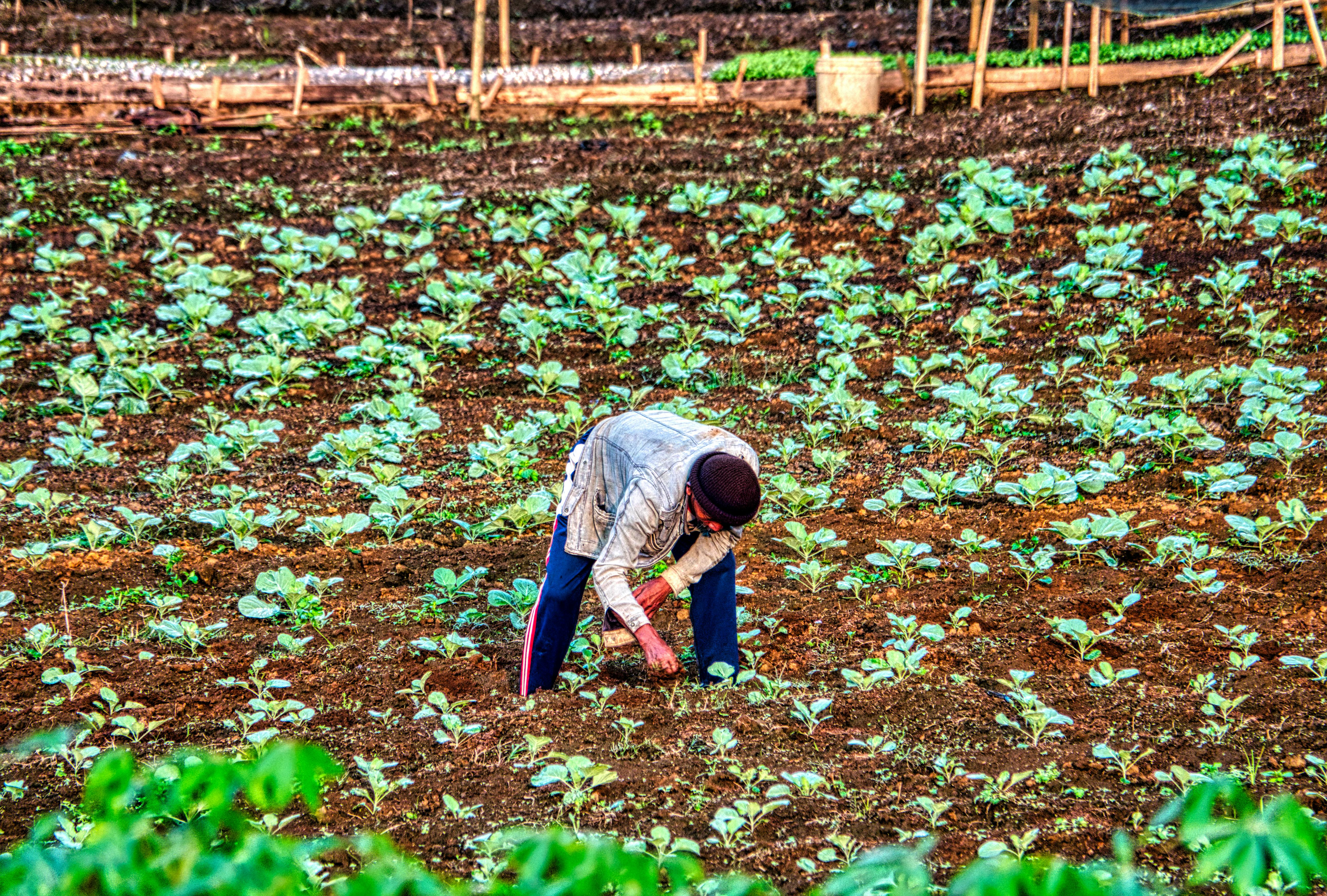
Kenya's agricultural sector is the backbone of its economy, contributing significantly to the GDP and employing a large portion of the population. However, decades of intensive farming and monoculture, particularly with maize, have led to widespread soil degradation, nutrient depletion, and increased pest and disease pressure. This has forced many farmers into a cycle of higher input costs for synthetic fertilizers and pesticides, often with diminishing returns.
The growing demand for food in East Africa, with the agribusiness sector projected to reach a valuation of US$1 trillion by 2030, necessitates a transition towards more sustainable and efficient farming methods. Organic farming and sustainable agriculture practices are gaining traction, championed by initiatives from the Ministry of Agriculture and research institutions like KALRO. These efforts highlight the importance of practices such as conservation tillage, agroforestry, and, crucially, crop rotation, to reverse soil degradation, improve soil fertility, and build resilience against climate change impacts. Farmers are realizing that investing in soil health is an investment in their future prosperity.
Key Insights & Strategies for a Bountiful Harvest
Implementing an effective crop rotation strategy involves careful planning and understanding of plant interactions. Here are the core strategies to maximize your farm's profit and sustainability with a 2-year rotation cycle.

Selecting the Right Legumes for Maximum Impact
The success of your crop rotation hinges on choosing the right legume varieties. Legumes are nature's nitrogen factories, thanks to symbiotic bacteria in their root nodules that convert atmospheric nitrogen into a form usable by plants.
- High Nitrogen-Fixation Rates: Opt for legumes known for their superior nitrogen-fixing capabilities, such as common beans (Phaseolus vulgaris), cowpeas (Vigna unguiculata), and groundnuts. Research indicates that incorporating these can significantly enrich soil nitrogen content.
- Complementary Growth Habits: Select varieties that do not overly compete with maize for resources when intercropped or rotated. For instance, bush beans are often preferred over climbing varieties for maize intercropping to minimize competition for light and nutrients.
- Yield Improvement: Evidence from recent agricultural studies, including findings from leading Kenyan agricultural institutes, consistently shows that selecting complementary legume varieties can lead to significant yield improvements, often exceeding +30% for subsequent maize crops due to enhanced soil fertility.
To truly understand your soil's needs before selecting varieties, consider using a reliable Luster Leaf 1605 Rapitest Digital Soil testing Kit – available on Amazon . This tool will provide crucial data on pH, nitrogen, phosphorus, and potassium levels, enabling informed decisions.
Optimizing Spacing Ratios for Intercropping Success
When intercropping maize with legumes, achieving the correct spacing ratio is critical to balance resource competition and maximize the benefits of the rotation.
- The 3:1 Ratio: A proven spacing strategy involves planting three rows of maize for every one row of legumes (3:1 maize:legume). This ratio allows maize sufficient space to grow while providing legumes enough light and room to fix nitrogen effectively.
- Avoid Overcrowding: Overcrowding can lead to excessive competition for sunlight, water, and nutrients, diminishing yields for both crops. Proper spacing ensures each plant has access to essential resources.
- Consider Plant Architecture: Take into account the mature size of both your maize and legume varieties. Taller, more upright maize types might tolerate closer legume proximity than sprawling varieties.
Mastering the Art of Timed Rotations
Timing your rotations to align with rainfall patterns is paramount in Kenya's often unpredictable climate, ensuring maximum soil moisture retention and efficient nutrient uptake.
- Seasonal Alignment: Plan your 2-year rotation cycle to coincide with Kenya's long and short rainy seasons. Legumes, particularly those with shorter maturity periods, can be planted during the short rains, leaving the long rains for maize.
- Soil Moisture Management: Rotating deep-rooted crops (like some maize varieties) with shallow-rooted legumes helps improve soil structure, enhancing water infiltration and retention. This is vital for regions prone to drought.
- Early Planting Advantages: Planting at the onset of rains can significantly improve crop establishment and utilization of available moisture, boosting overall yield potential.
For further guidance on these strategies and other sustainable farming solutions, Explore sustainable organic farming solutions with Biofarm Kenya.
Case Studies & Success Stories from Kenya
The impact of crop rotation and sustainable practices is vividly demonstrated by successful farmers across Kenya. In Western Kenya, for instance, smallholder farmers adopting maize-bean intercropping have reported significant improvements in both soil fertility and overall household food security. A study by the International Centre for Tropical Agriculture (CIAT) in collaboration with KALRO highlighted how diversified cropping systems, including maize-legume rotations, led to more stable yields and better resilience against climatic shocks compared to monoculture plots.
Consider the story of Mama Akinyi from Kisumu County. After years of declining maize yields due to continuous planting on her small plot, she adopted a 2-year rotation, alternating maize with local bean varieties. Within two seasons, she noticed a visible improvement in soil texture, a reduction in the need for expensive chemical fertilizers, and a remarkable increase in her bean harvest, providing both food and a steady income stream. Her maize yields also rebounded, demonstrating the long-term benefits of replenishing soil nutrients naturally.
Furthermore, the adoption of drip irrigation systems, often alongside crop rotation, has revolutionized farming in semi-arid regions. Farmers using these systems have reported water savings of up to 60% while doubling their harvests, proving that combining smart technology with sustainable practices yields optimal results. This integrated approach aligns with Kenya's broader agricultural policy goals of promoting climate-smart practices for enhanced food security and farmer livelihood, as championed by the Ministry of Agriculture and Livestock Development.
Common Mistakes to Avoid
While crop rotation offers immense benefits, certain missteps can hinder its effectiveness. Being aware of these common errors can save farmers time, resources, and potential yield losses.
One prevalent mistake is inadequate planning of the rotation sequence. Simply alternating any two crops without considering their nutrient requirements and pest cycles can be counterproductive. For instance, following a heavy nitrogen-demanding crop with another heavy feeder, even if different, might not allow the soil sufficient time to recover, especially without legume integration. Always research the specific needs and benefits of each crop in your rotation.
Another common error is neglecting soil testing. Guessing soil nutrient levels and pH can lead to imbalances, even with rotation. Without knowing what your soil truly lacks or has in excess, you might not select the most beneficial rotation crops or apply the right organic amendments. Regular soil testing provides empirical data for informed decision-making.
Poor weed management during the legume phase is also a significant pitfall. While legumes cover the ground, allowing weeds to proliferate can negate the benefits, as weeds compete for water and nutrients. Timely weeding and appropriate spacing are crucial.
Finally, ignoring pest and disease history in specific plots can undermine rotation benefits. If a particular disease thrives in your soil, simply rotating away from its host for one season might not be enough; longer breaks or resistant varieties might be necessary. A robust rotation plan considers past issues to break pest and disease cycles effectively.
Expert Tips & Best Practices for Enhanced Profitability
To truly unlock the potential of crop rotation and other sustainable practices, consider these expert tips tailored for the Kenyan farming context.
- Embrace Integrated Soil Fertility Management (ISFM): Combine crop rotation with other ISFM practices like applying compost, farmyard manure, and agroforestry. This holistic approach ensures comprehensive nutrient cycling and soil health improvement. For those ready to boost their soil, an Jobe's Organics Fast Acting Granular Fertilizer Compost Starter – available on Amazon can significantly accelerate the decomposition of organic matter, enriching your soil faster.
- Water Conservation is Key: In addition to strategic rainfall timing, adopt water-efficient irrigation methods. Drip irrigation, for example, delivers water directly to the plant roots, minimizing wastage. This is especially vital in arid and semi-arid lands (ASALs). Consider investing in a Drip Irrigation Kit for Small Farms – available on Amazon to significantly improve water use efficiency and ensure consistent crop growth, even during drier spells.
- Monitor and Adapt: Regularly observe your crops, soil, and local environmental conditions. Keep records of planting dates, yields, pest incidents, and weather patterns. This data will help you refine your rotation plan and other farming practices over time, making them more effective for your specific farm.
- Community Learning and Sharing: Engage with fellow farmers and agricultural extension officers. Sharing experiences and knowledge can provide valuable insights and solutions to common challenges. Many successful practices are born from local innovation and collective wisdom.
- Consider Vermicomposting: Supplement your soil fertility efforts with vermicomposting, using worms to break down organic waste into rich, nutrient-dense compost. This is an excellent way to recycle farm and household waste. A Rpuzonier Worm Compost Bin – available on Amazon can be a great starting point for producing your own high-quality organic fertilizer.
These expert tips, coupled with sound crop rotation practices, will pave the way for a more profitable and environmentally friendly farm. For more in-depth resources and guidance on sustainable practices, Explore sustainable organic farming solutions with Biofarm Kenya.
Future Trends & Innovations in Sustainable Kenyan Agriculture
The future of Kenyan agriculture is bright with innovations aimed at enhancing productivity, resilience, and sustainability. These emerging trends promise to transform farming practices, making them more efficient, intelligent, and adaptable to a changing climate.
One significant trend is the rise of smart irrigation systems. Leveraging sensors and data analytics, these systems can monitor soil moisture levels and weather forecasts to deliver precise amounts of water exactly when and where crops need it. This minimizes water waste and ensures optimal hydration, particularly crucial in drought-prone regions.
Vertical farming and controlled environment agriculture are also gaining traction, especially in urban and peri-urban areas. These methods allow for high-density crop production in limited spaces, reducing land footprint and offering year-round harvests, independent of external weather conditions. Examples in Nairobi showcase how this technology is increasing food production and creating new employment opportunities.
Furthermore, AI-driven crop monitoring and precision agriculture are set to revolutionize farm management. Drones equipped with advanced cameras can capture detailed images of fields, identifying pest infestations, nutrient deficiencies, and irrigation needs with unprecedented accuracy. AI algorithms then analyze this data to provide actionable insights, enabling farmers to make timely and precise interventions, thereby optimizing resource use and maximizing yields.
Finally, the continued emphasis on agroecological approaches and bio-inputs, such as advanced bio-fertilizers and bio-pesticides, will further reduce reliance on synthetic chemicals. These innovations, coupled with traditional knowledge and practices like crop rotation, will foster a truly sustainable and profitable agricultural landscape across Kenya.
Conclusion: Reaping the Rewards of Sustainable Farming
Embracing a 2-year crop rotation strategy, particularly by intercropping maize with nitrogen-fixing legumes like beans and cowpeas, is a powerful pathway to boosting your farm's profitability and ensuring its long-term sustainability. As we've explored, this proven method naturally enriches your soil, mitigates pest and disease pressures, and significantly reduces the need for costly synthetic inputs. By selecting the right legume varieties, optimizing spacing ratios, and aligning your rotations with local rainfall patterns, Kenyan farmers can achieve impressive yield improvements, making their farms more resilient and productive.
The journey towards sustainable agriculture is continuous, but with informed choices and the adoption of best practices, every farmer can contribute to a healthier environment and a more secure future for their families and communities. Empower your farm today by integrating these strategies.
Discover trusted organic farming tools on Amazon and learn more about sustainable solutions with Biofarm Kenya .
Frequently Asked Questions (FAQs)
1. What exactly is crop rotation and why is it important for Kenyan farmers?
Crop rotation is the practice of growing different crops in a specific sequence on the same piece of land over several seasons. For Kenyan farmers, it's crucial because it helps to naturally restore soil fertility, especially nitrogen levels through legumes, reduces the buildup of specific crop pests and diseases, improves soil structure, and reduces reliance on expensive synthetic fertilizers. This leads to higher, more stable yields and greater farm profitability. Learn more about crop rotation principles from the Food and Agriculture Organization (FAO).
2. Which legumes are best suited for rotation with maize in Kenya?
Common beans (mahindi), cowpeas (kunde), and green grams (ndengu) are excellent choices for rotation with maize in Kenya. These legumes are well-adapted to local conditions, have relatively short growing seasons, and are highly effective in fixing atmospheric nitrogen into the soil. Research by the Kenya Agricultural and Livestock Research Organization (KALRO) consistently supports their benefits in improving soil health and subsequent crop yields.
3. How does crop rotation help in managing pests and diseases?
Crop rotation breaks the life cycles of pests and diseases that are specific to certain crops. If a pest or pathogen depends on maize to survive, rotating to a legume crop removes its food source or host plant, disrupting its population growth and reducing its presence in the soil. This significantly lowers the need for chemical pesticides, promoting healthier ecosystems. Detailed information on integrated pest management through rotation can be found on InfoNet-Biovision.
4. Can I truly reduce my fertilizer costs with crop rotation?
Absolutely. By incorporating nitrogen-fixing legumes into your rotation, you significantly enhance the natural nitrogen content in your soil. This reduces, and in some cases can eliminate, the need for synthetic nitrogen fertilizers, which are often a major expense for farmers. Legumes also improve soil organic matter, which increases nutrient retention and overall soil fertility. Biofarm Kenya offers resources on optimizing natural soil amendments.
5. What is the ideal spacing ratio for maize-legume intercropping?
A common and highly effective spacing ratio for maize-legume intercropping in Kenya is 3:1 (three rows of maize for every one row of legumes). This ratio allows for optimal light penetration for both crops and minimizes competition for water and nutrients, leading to healthy growth and maximized yields from both crops. Adjustments may be made based on specific maize and legume varieties and local conditions, as recommended by agricultural extension services.
6. How does climate change impact farming in Kenya, and how can crop rotation help?
Climate change brings increased unpredictability, including erratic rainfall, prolonged droughts, and new pest challenges, severely affecting Kenyan agriculture. Crop rotation enhances soil organic matter, which improves soil's water holding capacity, making farms more resilient to drought. By improving soil health and breaking pest cycles, it also strengthens crops against climate-induced stresses and supports biodiversity. This aligns with national efforts to promote climate-smart agriculture, as outlined in policies by the National Environment Management Authority (NEMA).
Further Resources
- Food and Agriculture Organization (FAO) - Soil Portal
- Kenya Agricultural and Livestock Research Organization (KALRO)
- Ministry of Agriculture and Livestock Development, Kenya
- National Environment Management Authority (NEMA), Kenya
- InfoNet-Biovision: Sustainable Agriculture Information
- ScienceDirect: Sustainable Agriculture Overview
- Explore sustainable organic farming solutions with Biofarm Kenya
- Biofarm Kenya: Your Partner in Organic Farming
- Discover Eco-Friendly Farm Inputs with Biofarm Kenya
- Biofarm Kenya: Empowering Farmers for a Greener Future
- Join the Sustainable Agriculture Movement with Biofarm Kenya
- Consult Biofarm Kenya for Expert Agronomic Advice



0 Comments