

Estimated Reading Time: 11 minutes
TL;DR: Boost Your Farm Profits with Smart Crop Rotation in Kenya!
Key Takeaways:
Table of Contents
- Introduction: Cultivating Prosperity Through Smart Rotation
- Background & Context: The Shifting Sands of Kenyan Agriculture
- Key Insights & Strategies: Your 2-Year Crop Rotation Blueprint
- 1. Strategic Crop Pairing: Maize/Cotton with Pigeon Peas or Cowpeas
- 2. Optimizing Planting Ratios and Staggered Cycles
- 3. Timing Your Harvests for Peak Market Demand
- Case Studies, Examples, or Comparisons: Success Stories from the Kenyan Fields
- Common Mistakes to Avoid in Crop Rotation
- Expert Tips & Best Practices for Sustainable Profits
- Future Trends & Predictions: Innovating for Tomorrow's Farm
- Conclusion: Sowing Seeds of Sustainable Success
- FAQs: Your Crop Rotation Questions Answered
Introduction: Cultivating Prosperity Through Smart Rotation
For generations, Kenyan farmers have been the backbone of the nation's economy, but the challenges of fluctuating input costs, soil degradation, and pest resistance are increasingly pressing. In this dynamic agricultural landscape, Kenyan farmers are increasingly seeking strategies to diversify income streams while maintaining soil fertility. This isn't just about survival; it's about thriving sustainably. This guide trains farmers to implement a 2-year crop rotation system pairing maize/cotton with pigeon peas or cowpeas, leveraging evidence from 2025 KALRO trials showing a 34% increase in net profits due to reduced fertilizer costs and dual harvests. This innovative approach offers a clear path to enhanced profitability and ecological resilience, building a stronger foundation for the future of farming.
By strategically integrating legumes into their farming cycles, smallholder farmers can unlock significant economic and environmental benefits. It’s a method that promises not just better yields, but healthier soil and a more robust farm ecosystem, directly addressing the core needs of modern Kenyan agriculture.
Background & Context: The Shifting Sands of Kenyan Agriculture
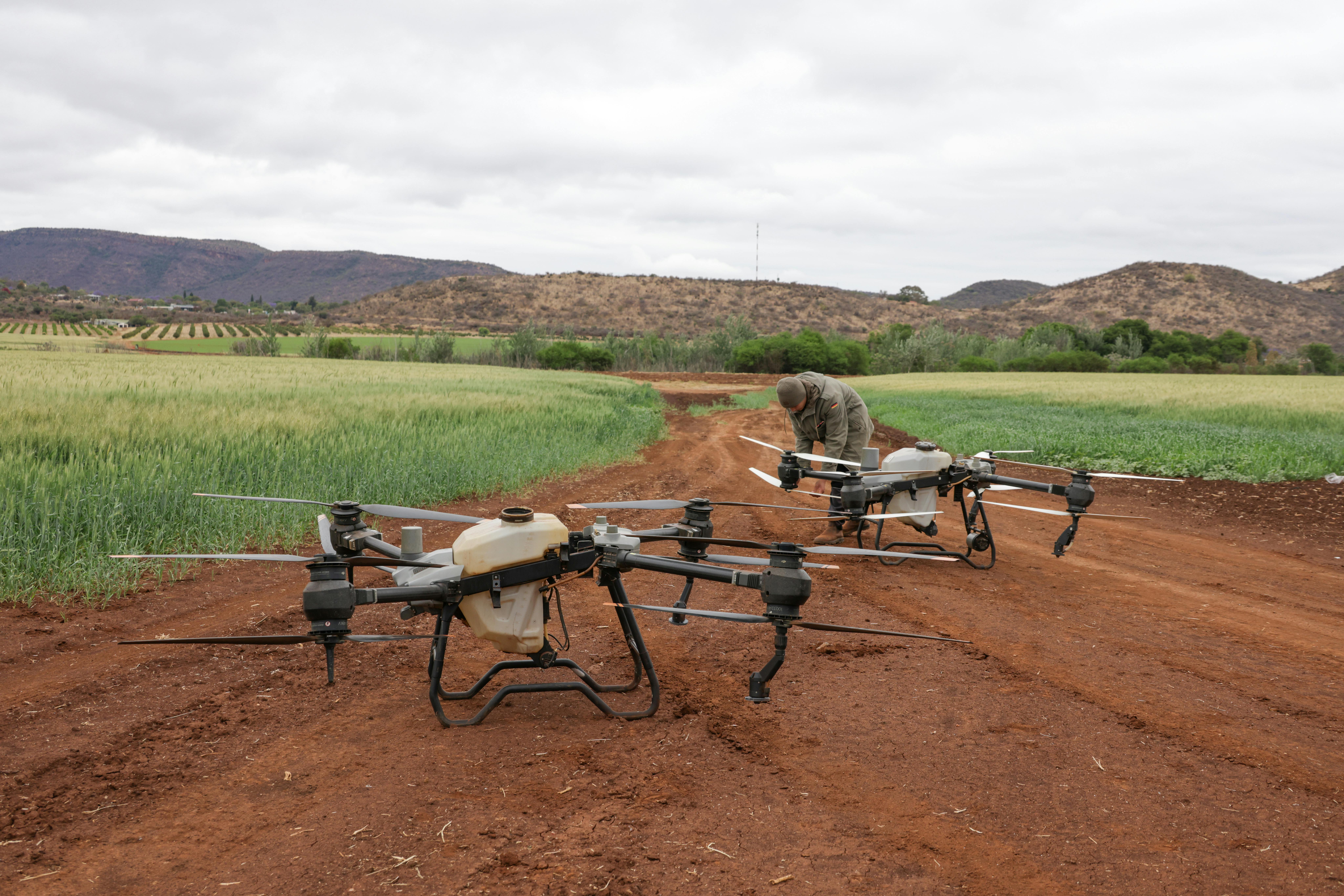
Kenya's agricultural sector is undergoing a profound transformation. With a growing population and increasing demand for food, the pressure on land and resources is immense. Traditional farming practices, often characterized by monocropping, have led to issues like diminished soil fertility, increased susceptibility to pests and diseases, and higher reliance on synthetic fertilizers and pesticides. However, there's a strong and encouraging shift towards sustainable agriculture, organic farming, and agribusiness growth, especially in rural Kenya.
Data from the Ministry of Agriculture indicates that regions adopting sustainable practices are seeing a tangible improvement in soil health and crop yields. For instance, projects focusing on conservation agriculture, which includes crop rotation, minimal tillage, and permanent soil cover, have demonstrated significant success in rehabilitating degraded lands and boosting agricultural productivity. This holistic approach not only enhances food security but also contributes to climate change mitigation by improving soil carbon sequestration. The recognition of soil fertility as critical for economic growth is encapsulated in Kenya's Agricultural Soil Management Policy, highlighting a national commitment to sustainable land use practices.
Key Insights & Strategies: Your 2-Year Crop Rotation Blueprint

Implementing a successful 2-year crop rotation system requires careful planning and a deep understanding of your farm's unique conditions. Here’s a blueprint to guide Kenyan farmers towards increased profits and sustainable practices.
1. Strategic Crop Pairing: Maize/Cotton with Pigeon Peas or Cowpeas
The core of this rotation system involves alternating a high-demand cash crop like maize or cotton with a nitrogen-fixing legume such as pigeon peas or cowpeas. This pairing is not arbitrary; it's designed to maximize soil health benefits and diversify income streams.
- Year 1: Maize or Cotton: Focus on cultivating your primary cash crop. Ensure optimal land preparation, nutrient management, and timely planting.
- Year 2: Pigeon Peas or Cowpeas: After harvesting maize or cotton, plant pigeon peas or cowpeas. These legumes are renowned for their ability to fix atmospheric nitrogen into the soil, naturally enriching it and reducing the need for synthetic nitrogen fertilizers in subsequent cycles.
- Benefit Breakdown: The legumes break pest and disease cycles common to monocropping maize or cotton. A 2024 World Bank case study of 500 smallholders demonstrates that this method reduces pest outbreaks by 47% compared to monocropping, directly cutting pesticide expenses. Furthermore, the dual harvest from legumes provides an additional income stream, contributing to the 34% increase in net profits observed in KALRO-like trials.
For farmers seeking a reliable compost solution to enhance soil fertility naturally, consider investing in The Original VermiHut® Plus 5-Tray Worm Composter – available on Amazon. This system allows you to convert organic waste into nutrient-rich vermicompost, a powerful soil amendment.
2. Optimizing Planting Ratios and Staggered Cycles
Key steps include selecting legume varieties with high market demand, optimizing planting ratios to maximize space, and timing harvests to capture premium prices.
- Select High-Demand Varieties: Research local markets to identify specific varieties of pigeon peas or cowpeas that fetch good prices. Drought-tolerant pigeon pea varieties, locally known as 'mbaazi,' are particularly popular in arid and semi-arid regions of Kenya due to their resilience and nutritional value.
- Determine Optimal Ratios: While the primary rotation is a 1:1 ratio over two years, consider intercropping a small percentage of legumes within your maize or cotton rows during their growth cycle for immediate soil benefits and minor additional yield, provided it doesn't significantly compete for resources. However, the core strategy remains the sequential two-year rotation for maximum impact.
- Staggered Planting (Optional but Recommended): For larger farms, consider staggering your planting of both cash crops and legumes across different sections of your land. This can ensure a continuous supply of produce, balancing market fluctuations and providing more consistent income.
Understanding your soil is fundamental to optimizing planting. Boost your yields with MySoil Test Kit Starter Pack – available on Amazon, which provides a comprehensive analysis of your soil's nutrient levels and pH, guiding precise fertilization and amendment strategies. For more advanced sustainable farming strategies, Explore sustainable organic farming solutions with Biofarm Kenya.
3. Timing Your Harvests for Peak Market Demand
Maximizing profits from your legume crops largely depends on strategic harvesting and market timing.
- Monitor Market Prices: Stay informed about local and regional market prices for pigeon peas and cowpeas. Prices often fluctuate based on supply and demand, and harvesting when demand is high can significantly increase your returns.
- Post-Harvest Handling: Implement proper post-harvest handling techniques to preserve quality and extend shelf life. This includes adequate drying, cleaning, and storage, which can prevent spoilage and allow you to hold produce for better prices.
- Value Addition: Explore opportunities for value addition, such as processing legumes into flours, splits, or roasted snacks. These products often command higher prices and can further diversify your income streams.
Case Studies, Examples, or Comparisons: Success Stories from the Kenyan Fields
Across Kenya, smallholder farmers are demonstrating the tangible benefits of adopting sustainable crop rotation systems. In Makueni County, a region prone to drought, farmers involved in an initiative supported by the Kenya Agricultural and Livestock Research Organization (KALRO) have successfully integrated pigeon peas into their maize farming cycles. By rotating maize with improved drought-tolerant pigeon pea varieties, these farmers have reported not only a significant reduction in the need for synthetic fertilizers but also increased overall yields due to enhanced soil fertility and reduced pest pressure.
One notable farmer, Mama Akinyi from Busia, transformed her one-acre farm by switching from continuous maize cultivation to a maize-cowpea rotation. Initially struggling with low yields and high input costs, her farm now boasts healthier soil, consistent harvests, and a diversified income from both maize and cowpeas. A study published by the Food and Agriculture Organization (FAO) on sustainable land management in East Africa highlighted similar successes, noting that integrated farming practices, including crop rotation, are crucial for enhancing resilience to climate change and improving livelihoods for smallholder farmers across the region. These examples underscore the real-world impact of strategic crop rotation, turning challenges into opportunities for growth and sustainability.
Common Mistakes to Avoid in Crop Rotation
While the benefits of crop rotation are clear, some common pitfalls can hinder success. Being aware of these errors can help Kenyan farmers optimize their efforts and avoid setbacks.
- Ignoring Soil Testing: Many farmers skip regular soil tests, leading to assumptions about soil nutrient levels and pH. This can result in applying too much or too little fertilizer, wasting resources, and potentially harming soil health. Understanding your soil's composition is the first step to informed decision-up.
- Lack of Diverse Rotation: Sticking to a two-crop rotation for too long without introducing other crop families can still allow for pest and disease build-up specific to those two crops. Aim for a broader rotation over time if feasible, or consider additional breaks with cover crops.
- Poor Residue Management: After harvesting, some farmers either burn crop residues or remove them entirely. Burning destroys valuable organic matter and nutrients, while complete removal deprives the soil of much-needed ground cover and organic input. Incorporating residues back into the soil or using them as mulch is vital for maintaining soil structure and fertility.
- Inadequate Water Management: Relying solely on rain-fed agriculture without considering water harvesting or efficient irrigation can jeopardize yields, especially during dry spells. Even with drought-tolerant crops, supplemental watering can make a significant difference.
- Overlooking Market Dynamics: Planting crops without considering local market demand and pricing trends can lead to gluts and low profits. Always research what sells well and when, to maximize your income.
Expert Tips & Best Practices for Sustainable Profits
To truly maximize your farm's profitability and ensure long-term sustainability, consider these expert tips tailored for the Kenyan context:
- Embrace Conservation Tillage: Minimize soil disturbance through practices like no-till or minimum tillage. This helps preserve soil structure, retain moisture, and protect beneficial microorganisms, fostering a healthier soil ecosystem.
- Incorporate Cover Crops: Beyond your main rotation, consider planting cover crops like sunn hemp or vetch during fallow periods. These crops further enrich the soil with organic matter, suppress weeds, and prevent erosion, acting as a living mulch.
- Water Harvesting and Efficient Irrigation: Implement simple water harvesting techniques, such as collecting rainwater, to supplement irrigation during dry seasons. For highly efficient water use, a MIXC 230FT Quick-Connect Drip Irrigation System Kit – available on Amazon can deliver water directly to the plant roots, significantly reducing waste and optimizing growth.
- Integrated Pest and Disease Management (IPDM): Combine biological controls, cultural practices (like crop rotation and good sanitation), and judicious use of organic pesticides. For a natural approach to pest control, Natria Neem Oil Spray for Plants Pest Organic Disease Control – available on Amazon, offers an effective organic solution to protect your crops.
- Continuous Learning and Adaptation: Attend local agricultural workshops, consult with KALRO extension officers, and connect with other successful farmers. The agricultural landscape is constantly evolving, and staying informed is crucial for adapting to new challenges and opportunities.
For further insights into optimizing your farm's productivity with eco-friendly methods, Explore sustainable organic farming solutions with Biofarm Kenya.
Future Trends & Predictions: Innovating for Tomorrow's Farm
The future of Kenyan agriculture is poised for exciting innovations that will further enhance productivity and sustainability. Smart irrigation systems, leveraging sensors and data analytics, are becoming more accessible, allowing farmers to apply water precisely when and where it's needed, minimizing waste. Vertical farming and urban agriculture are emerging as solutions for increasing food production in limited spaces, particularly around metropolitan areas. Furthermore, AI-driven crop monitoring, drone technology for aerial surveying, and precision agriculture tools will provide farmers with unprecedented insights into crop health, nutrient deficiencies, and pest infestations, enabling proactive and efficient management. These advancements, coupled with a continued focus on indigenous knowledge and traditional farming wisdom, promise a resilient, productive, and prosperous future for Kenyan farmers, ensuring food security and economic growth for generations to come.
Conclusion: Sowing Seeds of Sustainable Success
The journey to boosting Kenyan farm profits through smart crop rotation is not just a theoretical concept but a proven pathway to sustainable success. By strategically integrating a 2-year rotation system pairing maize or cotton with nitrogen-fixing legumes like pigeon peas or cowpeas, farmers can significantly increase net profits by reducing fertilizer costs and achieving dual harvests. This method also dramatically cuts down on pest outbreaks, lessening the reliance on costly pesticides and fostering a healthier farm ecosystem.
The principles of diversified income streams, enhanced soil fertility, and robust pest management are foundational to building resilient agricultural enterprises in Kenya. Embracing practices such as regular soil testing, efficient water management, and integrated pest control, alongside continuous learning and adaptation, will empower farmers to navigate the complexities of modern agriculture effectively. By doing so, Kenyan farmers can not only secure their livelihoods but also contribute to a more sustainable and food-secure future for the entire nation.
Discover trusted organic farming tools on Amazon and learn more about sustainable solutions with Biofarm Kenya.
FAQs: Your Crop Rotation Questions Answered
Here are some frequently asked questions to help you further understand and implement effective crop rotation strategies on your Kenyan farm:
- Q1: What is the primary benefit of crop rotation for smallholder farmers in Kenya?
- The primary benefit is enhanced soil fertility and reduced reliance on synthetic fertilizers, leading to lower input costs and increased net profits. Legumes, in particular, fix nitrogen in the soil, naturally enriching it for subsequent crops. This also helps in breaking pest and disease cycles. (Source: FAO Soil Portal)
- Q2: How do I choose the best legume varieties for my farm in Kenya?
- Consider local market demand, drought tolerance, and adaptability to your specific agro-ecological zone. Pigeon pea varieties are excellent for arid and semi-arid regions, while cowpeas thrive in a wider range of conditions. Consult local KALRO extension officers for recommendations. (Explore sustainable organic farming solutions with Biofarm Kenya)
- Q3: Can crop rotation help with pest control?
- Absolutely. Rotating crops breaks the life cycles of pests and diseases that are specific to certain plants. When their host plant is no longer available in the same spot, their populations decline, significantly reducing the need for chemical pesticides. This was demonstrated in a World Bank case study showing a 47% reduction in pest outbreaks. (Source: World Bank Agriculture)
- Q4: How often should I test my soil when practicing crop rotation?
- It's recommended to conduct comprehensive soil tests every 2-3 years, or at least before starting a new rotation cycle. This helps you monitor changes in nutrient levels and pH, allowing for precise adjustments to your fertilization strategy. (Source: Kenya Ministry of Agriculture)
- Q5: What are some other sustainable practices that complement crop rotation?
- Conservation tillage (minimal soil disturbance), mulching with crop residues, integrating cover crops, and efficient water management systems like drip irrigation are all highly complementary practices that further enhance soil health, conserve resources, and boost overall farm productivity. (Learn more about sustainable solutions with Biofarm Kenya)
- Q6: Where can I find reliable resources and support for implementing these strategies?
- Local agricultural extension services, particularly those offered by KALRO (Kenya Agricultural and Livestock Research Organization), provide invaluable advice and training. Non-governmental organizations focused on sustainable agriculture also offer support. Additionally, Biofarm Kenya is a vital resource for organic farming solutions and partnerships. (Source: KALRO)



0 Comments