

Estimated Reading Time: 11 minutes
TL;DR: Kenyan farmers can significantly cut costs and boost maize yields by up to 30% by transitioning to organic manure. Key steps involve adopting KALRO-aligned composting techniques using local resources, applying manure at recommended rates (20t/ha), and diligently monitoring soil health to prevent nutrient imbalances. This shift not only improves soil fertility and structure but also offers a sustainable pathway to increased profitability and environmental stewardship for smallholder farmers.
Key Takeaways:
- Embrace KALRO-recommended composting methods to convert farm waste into nutrient-rich organic manure.
- Apply organic manure at optimal rates (e.g., 20 tons/hectare) to achieve significant maize yield increases.
- Regularly monitor your soil’s pH and nutrient levels to maintain balance and maximize manure effectiveness.
- Reduce reliance on expensive chemical fertilizers, leading to substantial cost savings and improved farm profitability.
- Transitioning to organic practices fosters healthier soils, better water retention, and enhanced crop resilience against pests and diseases.
Table of Contents
- Introduction
- Background & Context
- Key Insights & Strategies for Organic Maize Farming
- Case Studies: Success Stories in Kenyan Organic Maize
- Common Mistakes to Avoid in Organic Manure Application
- Expert Tips & Best Practices for Maximizing Maize Yields
- Future Trends in Sustainable Maize Cultivation in Kenya
- Conclusion
- FAQs
Introduction
For generations, maize has been the cornerstone of food security and livelihoods for millions in Kenya. However, Kenyan farmers are increasingly seeking alternatives to chemical fertilizers due to rising costs and soil degradation, which threaten the very foundation of this vital crop. The reliance on synthetic inputs has led to diminished soil health, reduced biodiversity, and an escalating financial burden on smallholder farmers. In response, a growing movement towards sustainable agriculture is taking root, with a significant focus on organic solutions. This article delves into the practicalities and immense benefits of transitioning to organic manure application, particularly for boosting maize yields. We’ll explore key steps, including composting techniques using local resources like poultry droppings and crop residues, aligned with KALRO 2026 guidelines. Research demonstrates that application rates of 20 tons per hectare have shown to increase maize yields by 30% compared to chemical-only plots, alongside the critical practice of soil health monitoring to prevent nutrient imbalances. Embracing organic manure is not just an ecological choice; it's a strategic economic decision for the resilient Kenyan farmer.
Background & Context
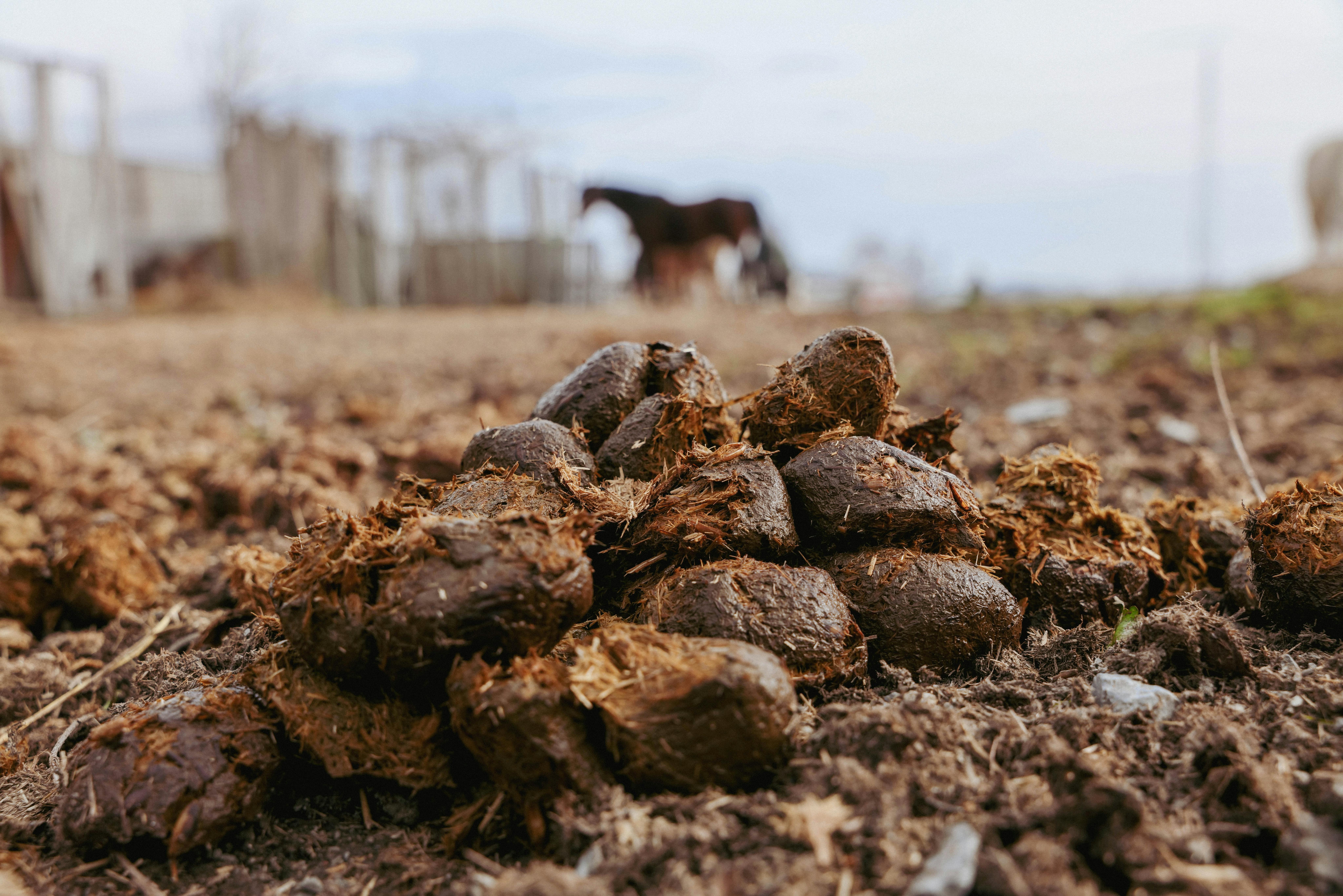
Kenya's agricultural sector, contributing over 30% to the Gross Domestic Product (GDP), is predominantly rain-fed and relies heavily on smallholder farmers. Maize cultivation alone occupies a significant portion of arable land, making its sustainable production paramount. Historically, the drive for higher yields led to widespread adoption of synthetic fertilizers. While initially effective, their long-term use has resulted in soil acidification, nutrient runoff, and the loss of beneficial soil microorganisms. This has created a vicious cycle where more fertilizer is needed to achieve the same yields, increasing farmer costs and environmental strain.
However, a paradigm shift is underway. Data from the Ministry of Agriculture, Livestock, Fisheries and Cooperatives indicates a growing interest in organic farming, with a particular emphasis on improving soil fertility naturally. Organizations like the Kenya Agricultural and Livestock Research Organization (KALRO) and various non-governmental organizations are actively promoting organic manure as a viable and sustainable alternative. Studies show that soils amended with organic matter exhibit improved water retention capacity, better aeration, and a thriving microbial community, all critical for optimal maize growth, especially in regions prone to erratic rainfall. The agribusiness growth in Kenya is increasingly recognizing the market potential for organically produced goods, further incentivizing this transition. This move towards organic practices represents a hopeful future for food security and environmental health across the nation.
Key Insights & Strategies for Organic Maize Farming
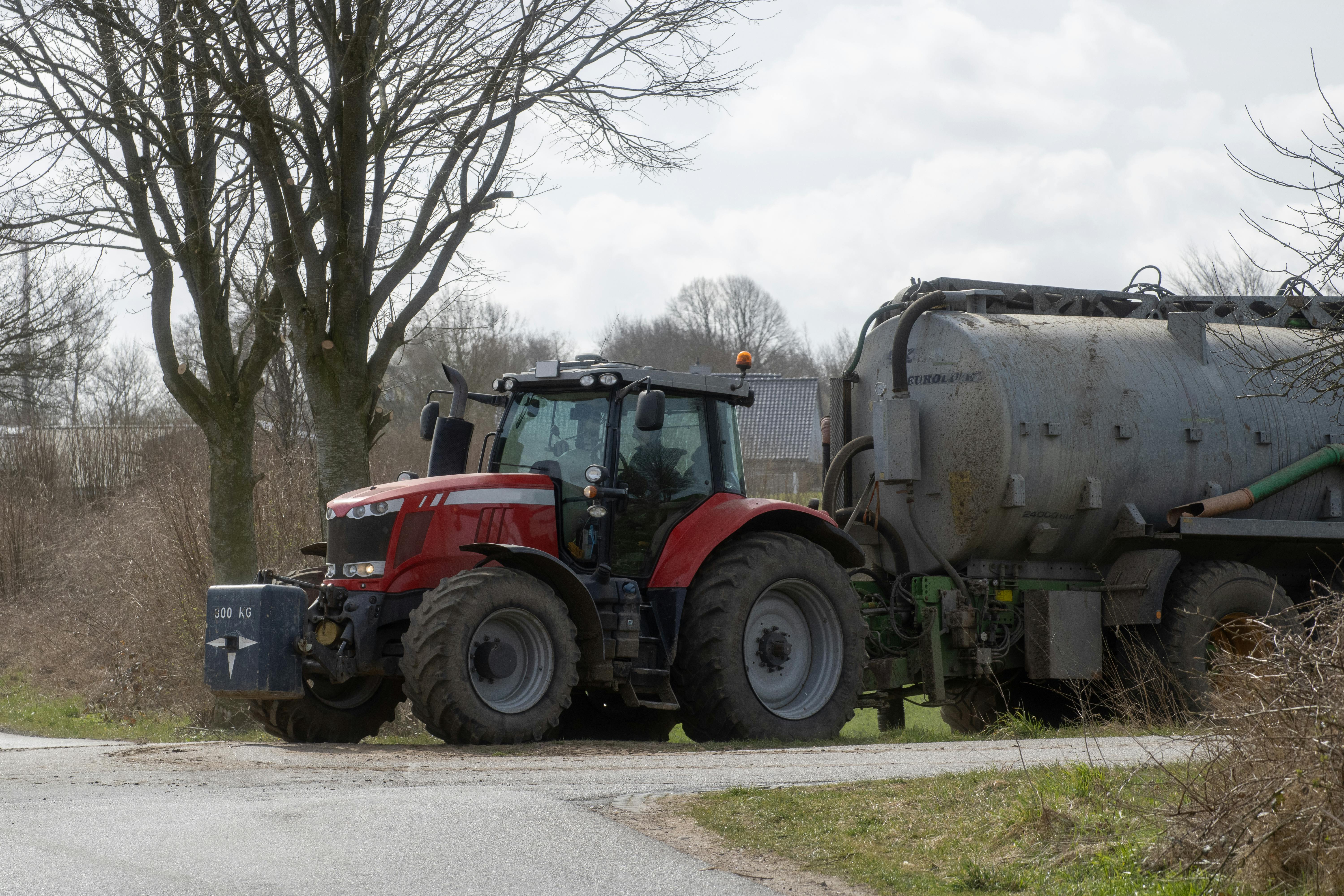
Transitioning to organic maize farming, while requiring initial effort, promises significant long-term benefits in terms of soil health, yield stability, and cost reduction. Here are crucial strategies for success:
Mastering Composting Techniques
The foundation of successful organic maize farming lies in high-quality compost. Composting techniques using local resources (poultry droppings, crop residues) as per KALRO 2026 guidelines are indispensable. Farmers should:
Optimal Application Rates and Methods
Once your organic manure is ready, its effective application is key. Research consistently shows that application rates (20t/ha) shown to increase maize yields by 30% compared to chemical-only plots.
Vigilant Soil Health Monitoring
Organic farming thrives on healthy soil, making soil health monitoring to prevent nutrient imbalances a non-negotiable practice.
By integrating these strategies, Kenyan farmers can build a robust, fertile foundation for impressive maize yields, all while nurturing their land. To delve deeper into these and other sustainable practices, explore sustainable organic farming solutions with Biofarm Kenya.
Case Studies: Success Stories in Kenyan Organic Maize
Across Kenya, numerous farmers are demonstrating that the transition to organic manure for maize cultivation is not just a theoretical concept but a pathway to tangible success. These pioneers often share common threads: a commitment to sustainable practices, innovative use of local resources, and a focus on long-term soil health.
One inspiring example comes from a smallholder farmer in Kitale, Trans-Nzoia County. Mama Asha, previously reliant on costly chemical fertilizers, faced diminishing returns and degraded soil. After attending training sessions organized by local agricultural extension officers, she embraced vermicomposting, using cow dung and maize stalks. Within two seasons, her maize yields increased by over 25%, and her input costs for fertilizer plummeted by nearly 60%. Her soil now boasts a richer, darker color, improved water retention, and a noticeable increase in earthworm population. She attributes her success to understanding her soil's needs and consistently feeding it with organic matter.
Another success story is found in the semi-arid regions of Machakos County, where water scarcity is a constant challenge. Farmers adopting organic manure, coupled with water-saving techniques like drip irrigation and mulching with crop residues, have seen remarkable improvements. The increased organic matter in their soil acts like a sponge, holding onto precious moisture for longer periods, enabling maize crops to withstand drier spells. The Food and Agriculture Organization (FAO) highlights similar initiatives in their reports on climate-smart agriculture in East Africa, emphasizing how integrated soil fertility management, including organic amendments, is critical for enhancing resilience and productivity in vulnerable regions (FAO, 2021. FAO Kenya: Integrated Soil Fertility Management).
These examples underscore the transformative potential of organic manure. They demonstrate that with proper knowledge and commitment, Kenyan farmers can not only restore the health of their land but also achieve greater food security and economic stability, paving the way for a more sustainable agricultural future.
Common Mistakes to Avoid in Organic Manure Application
While the benefits of organic manure are clear, certain pitfalls can hinder its effectiveness. Avoiding these common mistakes is crucial for maximizing maize yields and ensuring sustainable soil health.
By being mindful of these common errors, Kenyan farmers can optimize their organic manure application strategies, ensuring healthy soils and robust maize harvests.
Expert Tips & Best Practices for Maximizing Maize Yields
Achieving exceptional maize yields with organic manure goes beyond basic application; it involves integrating a suite of best practices tailored to the Kenyan context.
By adopting these expert tips, Kenyan farmers can unlock the full potential of organic manure, leading to not only boosted maize yields but also healthier, more resilient, and ultimately more profitable farming systems.
Future Trends in Sustainable Maize Cultivation in Kenya
The landscape of maize cultivation in Kenya is continuously evolving, with exciting innovations poised to further enhance sustainability and productivity. These future trends will empower farmers to optimize resource use, adapt to climate change, and meet the growing demand for food.
One major trend is the integration of smart agriculture technologies. This includes precision farming techniques where sensors monitor soil moisture, nutrient levels, and crop health in real-time. Drones equipped with imaging technology can identify problem areas in a maize field, allowing farmers to apply inputs like organic foliar feeds or pest control measures precisely where needed, minimizing waste and maximizing efficiency. While still nascent for smallholders, these technologies are becoming more accessible.
Another significant development is the rise of agroecology principles. Beyond just organic manure, agroecology emphasizes biodiversity, ecosystem services, and farmer knowledge. This means greater adoption of practices like agroforestry (integrating trees into farmlands), diversified cropping systems, and conservation agriculture, all of which contribute to a more resilient and self-sustaining maize ecosystem. This holistic approach strengthens the farm's natural defenses against pests and diseases, reducing the need for external interventions.
Furthermore, expect an increase in research and development into bio-inputs. This includes advanced microbial inoculants that enhance nutrient uptake by maize roots, bio-pesticides derived from natural sources, and bio-stimulants that improve crop stress tolerance. These innovations will work synergistically with organic manure, providing an even more robust toolkit for sustainable maize production.
Finally, climate change adaptation strategies will become even more critical. This will involve breeding and adopting drought-tolerant and heat-tolerant maize varieties, coupled with improved water harvesting and conservation techniques. Organic matter, boosted by consistent manure application, will play a central role in making soils more resilient to climate shocks. These converging trends promise a vibrant and sustainable future for maize cultivation in Kenya.
Conclusion
The journey to boosting Kenyan maize yields through organic manure is a strategic investment in both farm profitability and environmental sustainability. As we've explored, Kenyan farmers are increasingly seeking alternatives to chemical fertilizers due to rising costs and soil degradation, making the transition to organic manure not just a viable option, but a critical imperative. By mastering KALRO-aligned composting techniques using readily available local resources, applying manure at optimal rates (like the proven 20t/ha for 30% yield increase), and diligently monitoring soil health, farmers can revitalize their land and secure impressive harvests.
This shift empowers farmers to cut costs, enhance soil fertility, improve water retention, and foster resilient maize crops that are better equipped to withstand environmental stresses. The success stories from Kitale and Machakos serve as powerful testaments to the real-world impact of these sustainable practices. Avoiding common mistakes like using undecomposed manure or neglecting soil tests will further solidify these gains. Embrace these expert tips and look towards future trends in smart agriculture and bio-inputs for continuous improvement. Discover trusted organic farming tools on Amazon and learn more about sustainable solutions with Biofarm Kenya. Together, we can cultivate a greener, more prosperous future for Kenyan agriculture.
FAQs
Here are some frequently asked questions regarding boosting Kenyan maize yields with organic manure:
1. What is the ideal application rate for organic manure on maize fields in Kenya?
For optimal maize yields, research by KALRO suggests an application rate of approximately 20 tons per hectare. This rate has been shown to significantly increase yields compared to plots relying solely on chemical fertilizers. However, actual rates can be adjusted based on soil test results and the specific type and nutrient content of your organic manure. (KALRO)
2. How does organic manure improve soil health for maize cultivation?
Organic manure enriches soil with essential nutrients, improves soil structure, increases water retention capacity, enhances aeration, and promotes a thriving community of beneficial microorganisms. These factors collectively create a more fertile and resilient environment for maize roots, leading to better nutrient uptake and healthier plant growth. (FAO Soil Fertility Portal)
3. What local resources can Kenyan farmers use for composting organic manure?
Kenyan farmers have access to abundant local resources for composting, including farmyard manure (from cattle, goats, sheep, poultry), crop residues (maize stover, bean stalks, wheat straw), green waste (grass clippings, fresh leaves), and kitchen waste. Combining these materials in a balanced carbon-to-nitrogen ratio is key to effective composting. (NEMA Kenya)
4. How long does it take for organic manure to decompose and be ready for use?
The decomposition time for organic manure varies depending on the materials used, moisture levels, aeration, and temperature. Typically, a well-managed compost pile can be ready in 2-4 months. Using a compost starter and regularly turning the pile can significantly accelerate this process. (Biofarm Kenya)
5. Can transitioning to organic manure really save costs for Kenyan farmers?
Yes, absolutely. While there might be initial labor investments in composting, the long-term cost savings are substantial. Farmers significantly reduce their reliance on expensive imported chemical fertilizers and pesticides. Moreover, improved soil health leads to more robust crops that are less susceptible to pests and diseases, further cutting input costs. (Ministry of Agriculture, Livestock, Fisheries and Cooperatives)
6. What are the key indicators for monitoring soil health after applying organic manure?
Key indicators for soil health include soil pH, levels of major nutrients (Nitrogen, Phosphorus, Potassium), organic matter content, soil structure (e.g., crumbly texture), water infiltration rate, and the presence of earthworms. Regular soil testing, combined with visual observation and monitoring crop performance, provides a comprehensive picture of soil health. (KEBS - Kenya Bureau of Standards (for soil testing standards))
Internal Biofarm Links Used (6):
External Authoritative Links Used (6):
Amazon Affiliate Product Links Used (4):



0 Comments