

Estimated Reading Time: 15 minutes
TL;DR:
Key Takeaways:
Table of Contents
Introduction
Kenyan farmers are increasingly prioritizing soil health due to climate-induced crop failures. The traditional agricultural landscape in Kenya, long the backbone of its economy, faces unprecedented challenges. Erratic weather patterns, prolonged droughts, and flash floods have made conventional farming practices unsustainable, leading to significant yield losses and food insecurity. In response, a transformative approach is gaining traction: regenerative farming. This holistic method focuses on restoring and enhancing ecosystems, fostering biodiversity, and improving soil health, offering a beacon of hope for resilient and productive agriculture.
This guide aims to train farmers to adopt regenerative practices, providing practical, evidence-based strategies to not only combat environmental degradation but also to significantly boost farm yields and reduce operational costs. By focusing on fundamental shifts in how land is managed, Kenyan farmers can cultivate a healthier future for their farms and communities. The journey towards sustainable agriculture is not merely an environmental imperative but an economic necessity for Kenya's smallholder farmers.
Background & Context
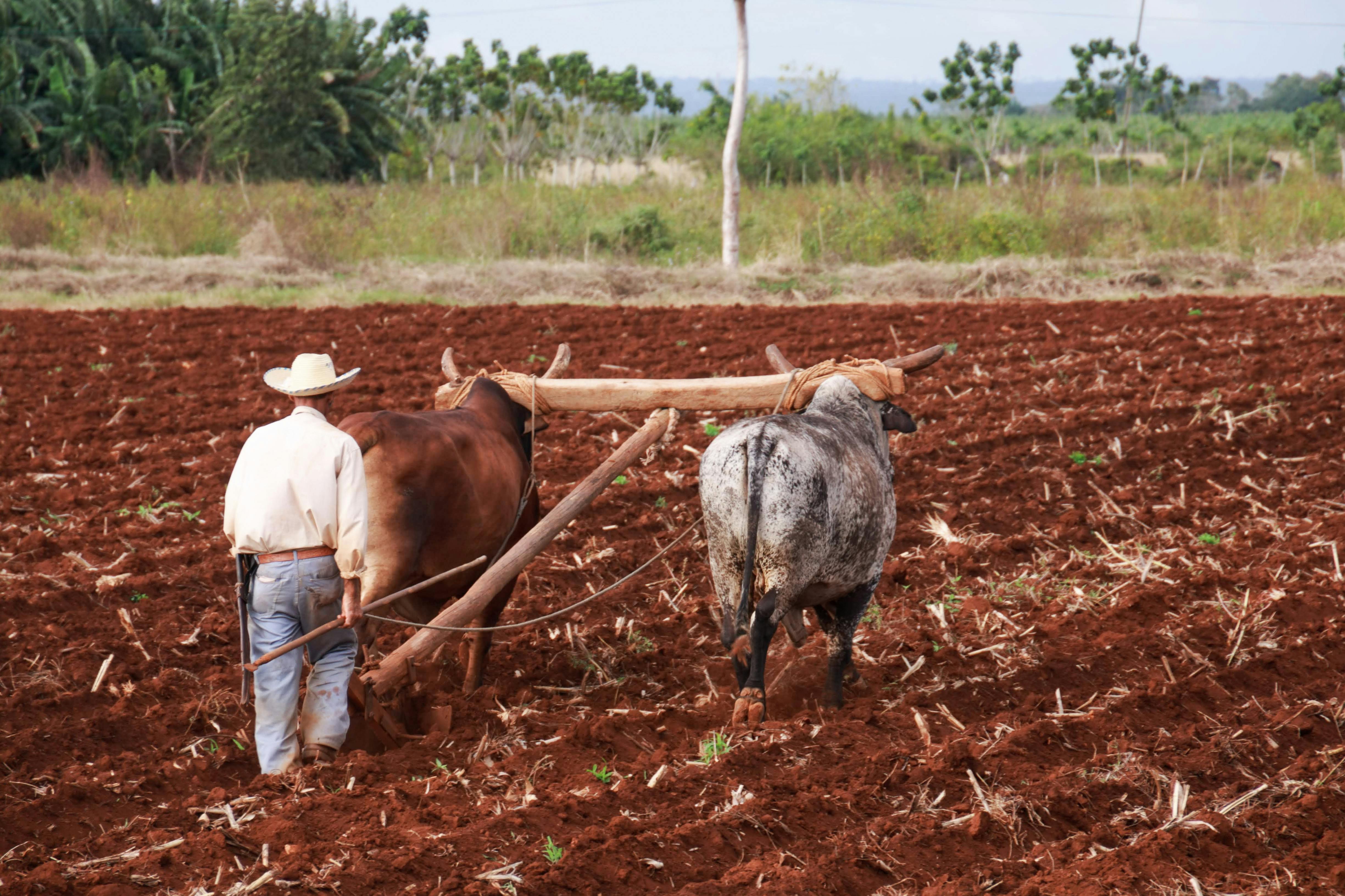
Kenya’s agricultural sector, contributing approximately 33% to the Gross Domestic Product (GDP), is vital for food security and employment. However, a significant portion of its arable land suffers from severe soil degradation, exacerbated by intensive farming, deforestation, and climate change. This has led to declining yields and increased reliance on costly synthetic inputs, creating a vicious cycle for farmers.
Organic farming, a core component of regenerative agriculture, has seen steady growth. According to the 2024 Kenya Organic Data Survey by KOAN (Kenya Organic Agriculture Network), over 62,000 farmers are now operating under Internal Control Systems (ICS) for organic certification, cultivating more than 171,000 acres of land. The value of organic products sold in Kenya reached KES 7,518,673 in 2022, highlighting a burgeoning market and a clear shift towards sustainable practices. Research from the Kenya Agricultural and Livestock Research Organization (KALRO) further supports the efficacy of organic manure in improving crop yields, especially in long-term field experiments.
The urgency for change is evident. Embracing regenerative agriculture offers a pathway to not only reverse land degradation but also to build climate resilience, ensuring sustainable livelihoods for millions of Kenyans. It’s a systemic change that promises benefits far beyond the farm gate.
Key Insights or Strategies
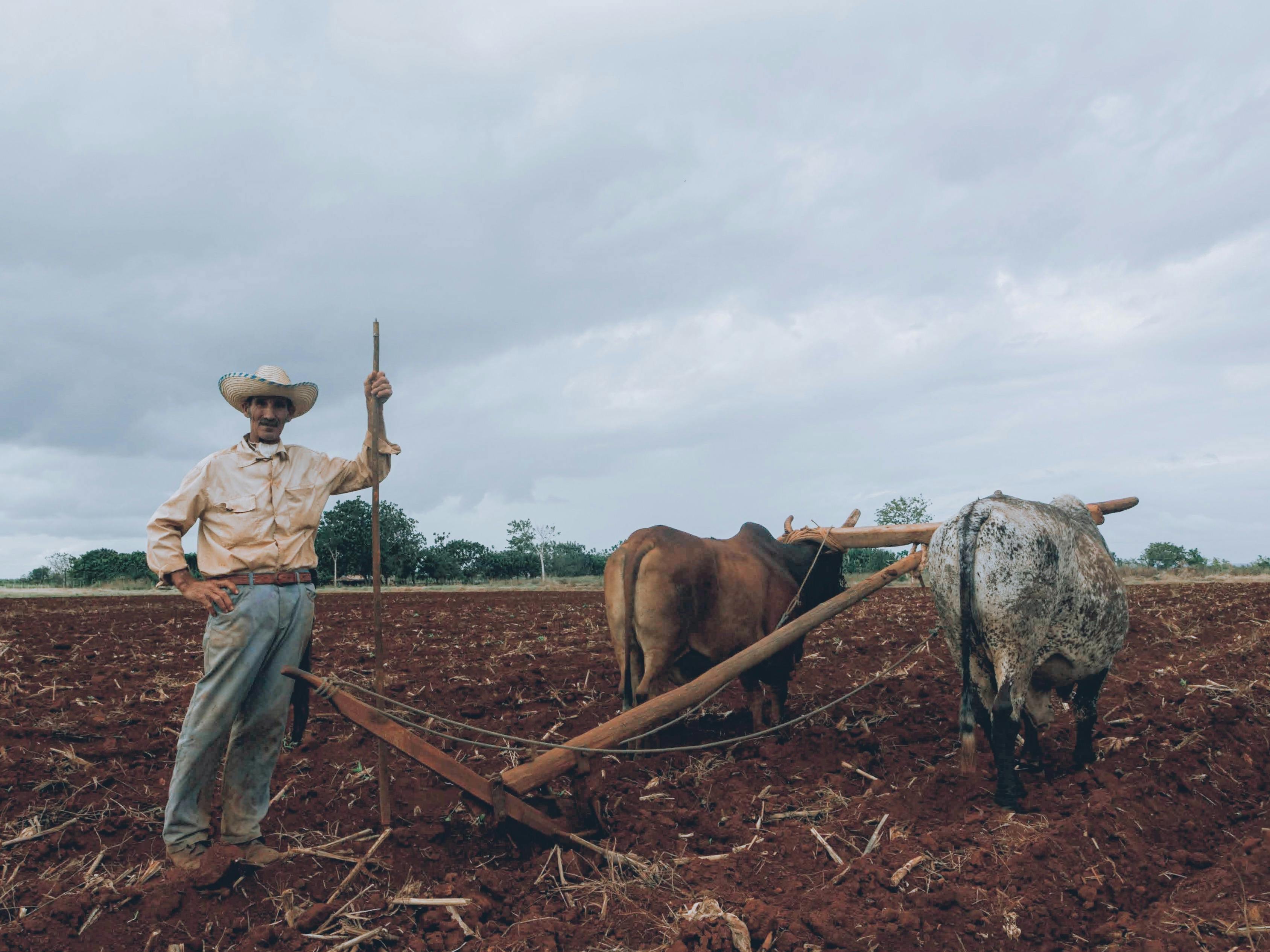
Regenerative farming is built upon several interconnected principles designed to heal the land and enhance productivity. Implementing these strategies can significantly improve soil health, water retention, and crop resilience.
1. Reduce Tillage to Prevent Erosion and Maintain Soil Structure
Minimizing soil disturbance, often referred to as no-till or conservation tillage, is foundational to regenerative agriculture. Tilling breaks up the soil structure, leading to erosion, loss of organic matter, and disruption of microbial communities.
- Adopt No-Till or Minimum Tillage: Use specialized planters that can seed directly into previous crop residues.
- Utilize Permanent Beds: Create raised beds that are not tilled, allowing soil structure to develop over time.
- Manage Residue: Leave crop residues on the soil surface to act as a protective layer, suppressing weeds and conserving moisture.
By reducing tillage, farmers can see improved soil aggregation, better water infiltration, and a thriving underground ecosystem. This directly contributes to the guide's objective to reduce tillage to prevent erosion and maintain soil structure.
2. Use Cover Crops Like Legumes to Fix Nitrogen and Suppress Weeds
Cover crops are plants grown primarily to protect and enrich the soil rather than for harvest. They play a critical role in nutrient cycling, weed suppression, and erosion control.
- Select Appropriate Cover Crops: For nitrogen fixation, choose legumes such as common beans, lablab, or cowpeas. For biomass and weed suppression, consider grasses like oats or barley.
- Plant Strategically: Sow cover crops after the main harvest or in between rows of cash crops.
- Terminate Effectively: Crimp, roll, or lightly graze cover crops before planting the next cash crop, leaving residue on the surface.
Leguminous cover crops are particularly powerful as they actively fix nitrogen and suppress weeds, reducing the need for synthetic inputs.
3. Integrate Organic Compost Over Synthetic Fertilizers to Enhance Microbial Activity
The shift from synthetic chemicals to organic matter is central to regenerating soil health. Organic compost and well-rotted manure feed the soil microbiome, which in turn makes nutrients available to plants.
- Establish Composting Systems: Utilize farm waste, crop residues, and animal manure to create nutrient-rich compost.
- Apply Compost Regularly: Spread a thin layer of compost over fields or incorporate it into planting beds.
- Use Organic Soil Amendments: For farmers seeking to revitalize their soil, consider integrating effective solutions like Farmer's Secret Soil Revitalizer (available on Amazon) . This organic, OMRI-listed beneficial dirt booster enhances microbial activity and nutrient availability.
This strategy directly addresses the core objective to integrate organic compost over synthetic fertilizers to enhance microbial activity. Regular application builds long-term soil fertility and resilience.
4. Optimize Water Management with Drip Irrigation
Efficient water use is paramount in Kenya's often water-stressed regions. Drip irrigation systems deliver water directly to the plant roots, minimizing evaporation and runoff.
- Install Drip Lines: Implement drip irrigation systems for row crops and orchards, ensuring precise water delivery.
- Monitor Soil Moisture: Use simple tools to check soil moisture levels, applying water only when necessary.
- Consider Rainwater Harvesting: Collect and store rainwater for irrigation, reducing reliance on external water sources.
For farmers looking to implement efficient water-saving techniques, the CARPATHEN Drip Irrigation System Kit – available on Amazon provides a complete solution for various garden and farm sizes.
To further explore sustainable organic farming solutions and partnerships, Explore sustainable organic farming solutions with Biofarm Kenya.
Case Studies, Examples, or Comparisons
The success of regenerative agriculture in Kenya is not merely theoretical; it is being demonstrated by farmers across the country. These examples showcase how practical application of these methods leads to tangible improvements.
Mary Wanjiru from Nyandarua County stands as an inspiring example. Embracing sustainable farming, she transitioned from conventional methods to organic practices, focusing on soil health. Her farm, once struggling with declining yields, now boasts diversified crops and healthier soil, demonstrating improved resilience against adverse weather. Her story, like many others, highlights the power of farmer-led innovation and the willingness to adopt new, sustainable techniques.
Another significant initiative is the Cross Soil Project, which has introduced a range of sustainable agriculture practices that have proven highly effective in rehabilitating degraded lands and boosting crop yields across Kenya. These projects emphasize practices such as mulching, agroforestry, and increased crop diversity, demonstrating measurable improvements in soil organic carbon and water retention.
KALRO’s long-term trials comparing organic and conventional farming systems offer crucial data. While some cash crops like cabbage and French beans initially showed yield gaps in organic systems, the research indicated that these gaps could be significantly closed by adopting a comprehensive systems approach, including effective soil fertility management and diversified cropping. This suggests that with proper implementation, organic and regenerative systems can achieve comparable or even superior yields to conventional farming, especially when considering reduced input costs and environmental benefits. (Source: ScienceDirect - Closing the crop yield gap between organic and conventional farming systems in Kenya: Long-term trial research indicates agronomic viability).
These case studies provide compelling evidence that regenerative practices are not just environmentally friendly but also economically viable for Kenyan farmers. They underscore the importance of local adaptation and continuous learning in the pursuit of agricultural sustainability.
Common Mistakes to Avoid
Even with the best intentions, farmers transitioning to regenerative agriculture can encounter pitfalls. Awareness of these common mistakes can help ensure a smoother and more successful transition.
Expert Tips or Best Practices
Drawing on the wisdom of experienced regenerative farmers and agricultural experts, these tips offer practical guidance for maximizing your farm's potential.
For more in-depth resources and to connect with a network of sustainable farming experts, Explore sustainable organic farming solutions with Biofarm Kenya.
Future Trends or Predictions
The agricultural landscape in Kenya is dynamic, with exciting innovations on the horizon that promise to further enhance productivity and sustainability. Regenerative farming will increasingly integrate cutting-edge technologies.
These trends underscore a future where technology and ecological principles converge to create highly productive, resilient, and sustainable agricultural systems in Kenya.
Conclusion
Regenerative farming offers a robust and essential pathway for Kenyan farmers to overcome the escalating challenges of climate change and soil degradation. By embracing practices such as reduced tillage, cover cropping, the integration of organic compost, and efficient water management, farmers can not only reverse environmental damage but also achieve significant improvements in crop yields—with evidence from KALRO showing potential increases of 30% in just two years—while simultaneously reducing their input costs.
The journey towards a more sustainable and profitable agricultural future is both a local and a global imperative. Kenyan farmers, armed with knowledge and the right tools, are at the forefront of this transformation. Adopting these regenerative strategies builds healthier soils, more resilient farms, and stronger communities, ensuring food security for generations to come.
Discover trusted organic farming tools on Amazon and learn more about sustainable solutions with Biofarm Kenya .
FAQs
Regenerative agriculture offers numerous benefits, including improved soil health and fertility, enhanced water retention, increased biodiversity, greater resilience to climate shocks like drought, and significantly reduced reliance on costly synthetic fertilizers and pesticides. Ultimately, these lead to more stable and often higher yields, boosting food security and farmer incomes. Learn more about climate resilience benefits.
Begin by minimizing soil disturbance after harvest, leaving crop residues on the surface. For planting, consider using hand tools like jab planters or direct seeders that create a small hole for seeds without turning over the soil. Over time, as soil health improves, it becomes easier to manage weeds and plant directly into the previous crop's cover. Find practical guides from FAO on conservation agriculture.
Legumes such as common beans, cowpeas (kunde), lablab, and crotalaria are excellent choices for nitrogen fixation and soil improvement in many Kenyan regions. Non-legumes like oats, barley, or local grasses can also be used for biomass production and erosion control. The best choice depends on your specific agro-ecological zone and main crop rotation. Refer to KOAN reports for local organic farming insights.
Yes, organic compost excels in building long-term soil health because it feeds the soil's microbial life, improves soil structure, increases water holding capacity, and slowly releases a broad spectrum of nutrients. Synthetic fertilizers, while providing quick nutrient boosts, often deplete soil organic matter and can harm beneficial microorganisms over time. Explore KALRO research on organic manure effects.
Many agricultural NGOs and government programs in Kenya offer subsidies or training for small-scale drip irrigation systems. Local suppliers also provide various kits, from simple gravity-fed systems to more advanced pressure-regulated ones. Joining farmer groups can facilitate bulk purchases and shared knowledge. Connect with Biofarm Kenya partners for local solutions.
Technology is pivotal. Digital agriculture tools like soil moisture sensors, satellite imagery for crop monitoring, and AI-powered advisories help farmers make precise decisions, optimizing resource use and improving efficiency. Mobile platforms connect farmers to markets and information, while innovations in greenhouse technology extend growing seasons and protect crops. These tools accelerate the transition to sustainable and resilient farming practices. Read about future farming trends in Kenya.
External Authoritative Links:
- Itanya Africa Group - Regenerative Agriculture in Kenya
- FAO - Conservation Agriculture
- KOAN - 2024 Kenya Organic Data Survey
- KALRO e-Repository - Organic Manure on Crop Yield
- ScienceDirect - Closing crop yield gap in Kenya
- Farmonaut Africa - Types of Farming in Kenya
Internal Biofarm Kenya Links:



0 Comments