

Estimated Reading Time: 15 minutes
TL;DR:
Key Takeaways:
Table of Contents:
- Introduction: Revolutionizing Maize Farming in KenyaBackground & Context: The Shifting Sands of Kenyan AgricultureKey Insights & Strategies: KAFI's Hybrid Fertilizer BlueprintCase Studies, Examples, or Comparisons: Success Stories in Hybrid FarmingCommon Mistakes to Avoid: Pitfalls in Maize Nutrient ManagementExpert Tips & Best Practices: Cultivating Resilience and ProductivityFuture Trends & Predictions: The Horizon of Sustainable Maize CultivationConclusion: A Balanced Path to Bountiful HarvestsFAQs: Your Questions on Sustainable Maize Farming Answered
Introduction: Revolutionizing Maize Farming in Kenya
In the heart of East Africa, maize is more than just a crop; it's a staple, a livelihood, and a cornerstone of food security for millions. However, Kenyan farmers are increasingly questioning the 'organic-only' dogma due to rising input costs and alarming rates of soil degradation. This traditional approach, while noble in its intentions, often falls short in meeting the growing demands for higher yields and sustainable land management in the face of climatic challenges. Trending queries across agricultural forums and community groups show a significant demand for evidence-based blending strategies that offer a practical, cost-effective alternative.
Enter the game-changer: A recent 2024 study by the Kenya Agricultural and Food Institute (KAFI) has unveiled a groundbreaking hybrid strategy. This research definitively proves that the integrated use of organic (compost) and chemical (NPK) fertilizers can significantly increase maize yields by a remarkable 30% while simultaneously maintaining crucial soil pH balance. This article delves deep into this innovative approach, providing actionable insights for farmers ready to embrace a smarter, more sustainable future for their maize fields.
Background & Context: The Shifting Sands of Kenyan Agriculture
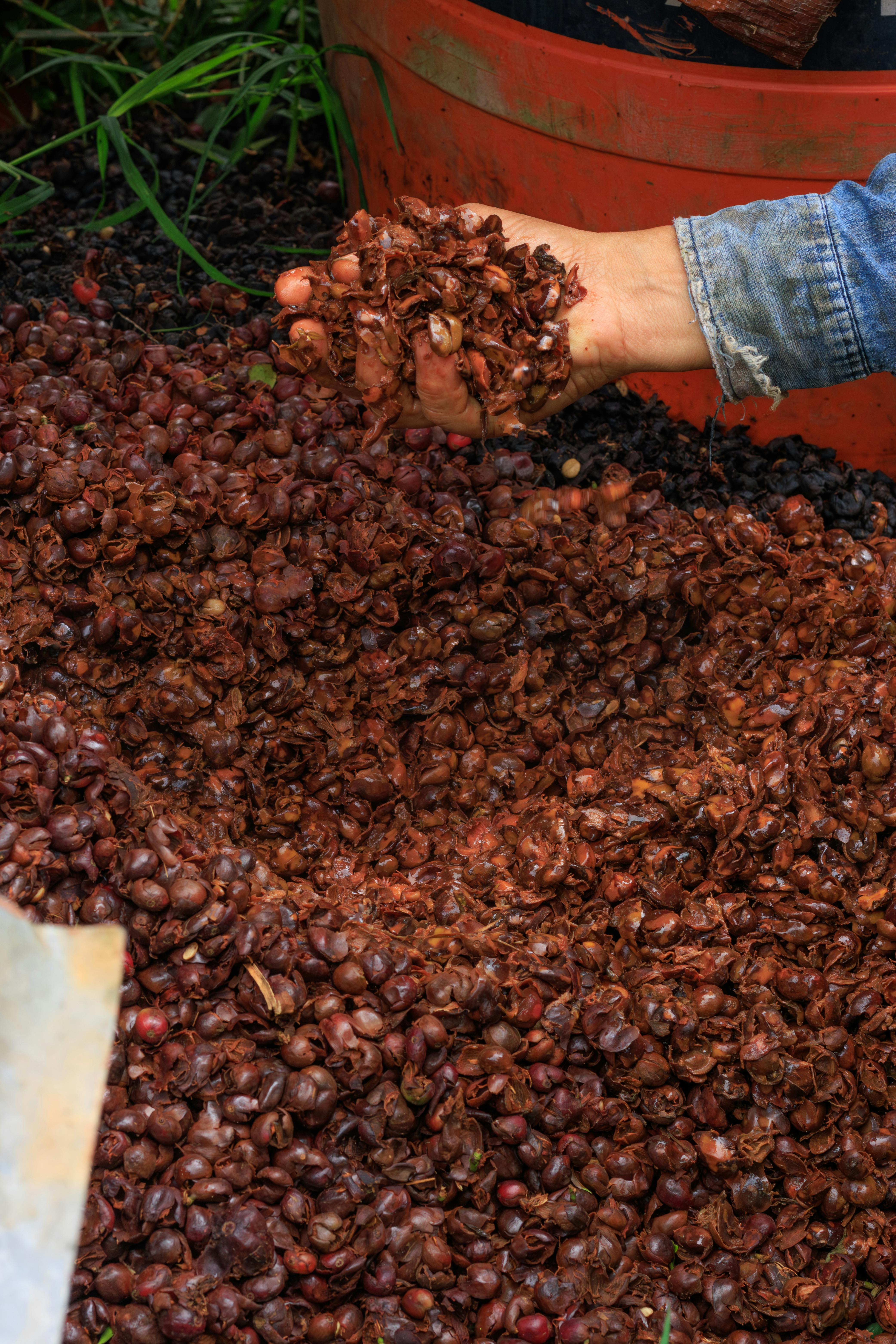
Kenya's agricultural landscape is a dynamic tapestry, with maize cultivation dominating nearly 48.5% of its arable land, as per FAOSTAT 2019. Despite its prevalence, the sector faces persistent hurdles. The high cost of conventional fertilizers, coupled with a decline in natural soil fertility, has pushed many smallholder farmers to the brink. Traditional organic farming, while beneficial for soil health in the long run, often struggles to deliver immediate, substantial yield increases necessary for food security and economic stability.
Soil acidity is a pervasive problem across many Kenyan regions, hindering nutrient availability and crop growth. This makes precision nutrient management not just an option, but a necessity. The KAFI study emerges at a critical juncture, offering a balanced solution that acknowledges the environmental benefits of organic matter while leveraging the targeted efficacy of mineral fertilizers. It's about finding harmony between nature and science to foster robust agricultural systems.
Key Insights & Strategies: KAFI's Hybrid Fertilizer Blueprint

The KAFI 2024 study provides a clear, data-driven pathway for Kenyan maize farmers to optimize their yields. This hybrid approach is not just about mixing two types of fertilizers; it's a strategic framework designed for maximum efficiency and sustainability.
1. Precision Soil Testing for Nutrient Gap Identification
The foundation of the hybrid strategy lies in understanding your soil. Before any application, comprehensive soil testing is paramount. This step determines the precise nutrient gaps and existing pH levels, allowing for targeted intervention rather than generic application. This precision prevents over-fertilization, reduces waste, and saves costs. For farmers seeking a reliable analysis, theMySoil Soil Test Kit – available on Amazonoffers a complete and accurate nutrient and pH analysis with tailored recommendations.
2. The Optimized Blend: Compost and Reduced Chemical NPK
The core of KAFI's recommendation is a balanced application: 1.5 tons per hectare (t/ha) of quality compost combined with a 50% reduction in conventional chemical NPK fertilizer. This blend synergistically improves soil structure, water retention, and microbial activity (from compost) while providing immediate, readily available nutrients for rapid plant uptake (from NPK).
3. Continuous Monitoring with Foliar Analysis
Foliar analysis involves testing plant leaves to determine their nutrient content. This provides real-time insights into what nutrients the plant is actually absorbing, allowing farmers to make timely adjustments to their fertilization program. It acts as a powerful feedback loop, ensuring sustained plant health and optimal yield.
For more in-depth strategies and resources on sustainable farming, you can explore sustainable organic farming solutions with Biofarm Kenya.
Case Studies, Examples, or Comparisons: Success Stories in Hybrid Farming
Across Kenya, pioneering farmers are already demonstrating the efficacy of integrated nutrient management. In parts of Western Kenya, a group of smallholder farmers collaborating with a local agricultural cooperative adopted a similar hybrid approach. By integrating locally sourced compost with reduced NPK, they reported an average yield increase of 25-35% over two seasons, surpassing their conventional farming neighbors. Their maize fields showed improved soil structure, better water infiltration, and visibly healthier plants.
Another compelling example comes from the Central Rift Valley, where a farmer, struggling with increasingly acidic soils and diminishing returns from chemical-only fertilizers, switched to a hybrid model. Following a comprehensive soil test, he applied well-rotted cattle manure alongside a targeted, lower dose of NPK. His maize yields rebounded, and importantly, his soil pH began to neutralize, leading to a long-term improvement in soil health. This aligns with findings from the CGIAR study on organic fertilizer use and soil health in maize, which highlights the positive impact of organic inputs on both productivity and soil vitality.
These real-world examples underscore the KAFI study's conclusions: the hybrid approach is not just theoretically sound but practically transformative. It offers a tangible pathway for farmers to achieve higher productivity, reduce dependence on expensive chemical inputs, and build more resilient farming systems.
Common Mistakes to Avoid: Pitfalls in Maize Nutrient Management
Even with the best intentions, farmers can sometimes fall into common traps that undermine their efforts. Avoiding these mistakes is crucial for maximizing the benefits of the hybrid fertilizer strategy.
Expert Tips & Best Practices: Cultivating Resilience and Productivity
Building on the hybrid strategy, these expert tips will further empower Kenyan maize farmers to achieve optimal yields and foster long-term soil health.
To further enhance your sustainable farming journey and access a wealth of resources, explore sustainable organic farming solutions with Biofarm Kenya.
Future Trends & Predictions: The Horizon of Sustainable Maize Cultivation
The future of maize farming in Kenya is poised for exciting transformations, driven by technological advancements and a deeper understanding of ecological principles. Several key trends are expected to shape how farmers cultivate this vital crop.
These trends point towards a future where Kenyan maize farming is not only highly productive but also incredibly resilient, sustainable, and economically viable for farmers of all scales.
Conclusion: A Balanced Path to Bountiful Harvests
The journey to boosting maize yields in Kenya is at a pivotal crossroads. The 'organic-only' versus 'chemical-only' debate is giving way to a more pragmatic, science-backed understanding of what truly works. KAFI's 2024 study on hybrid fertilizer strategies offers a beacon of hope, proving that a balanced approach—integrating organic compost with carefully reduced chemical NPK—can deliver a significant 30% increase in maize yields while safeguarding our invaluable soil. By embracing soil testing, precision application, and continuous monitoring, Kenyan farmers can farm smarter, reduce costs, and cultivate a legacy of sustainable prosperity.
The future of Kenyan agriculture lies in innovation, adaptability, and a commitment to nurturing both our crops and our land. Discover trusted organic farming tools onAmazonandlearn more about sustainable solutions with Biofarm Kenya.
FAQs: Your Questions on Sustainable Maize Farming Answered
Q1: What are sustainable farming practices for maize in Kenya?
A1: Sustainable maize farming in Kenya involves practices like crop rotation, intercropping, use of organic manures and composts, minimal tillage, water harvesting, and integrated pest management (IPM). These methods aim to improve soil health, conserve water, reduce reliance on synthetic inputs, and enhance biodiversity. For more details, refer to the FAO's insights on maize yield prediction and monitoring in Kenya.
Q2: How can farmers increase maize yields in Kenya?
A2: Farmers can increase maize yields by adopting high-yielding, climate-resilient hybrid varieties, implementing precise nutrient management (like the hybrid fertilizer strategy), optimizing planting density, practicing timely weed and pest control, and ensuring efficient water use through improved irrigation techniques. The KAFI 2024 study highlighted a 30% yield boost with a hybrid fertilizer approach.
Q3: What is the role of soil testing in maize farming?
A3: Soil testing is fundamental in maize farming as it provides crucial data on soil pH, organic matter content, and available macro- and micronutrients. This information enables farmers to apply the correct type and amount of fertilizers, preventing nutrient imbalances, reducing waste, and improving fertilizer use efficiency. KALRO (Kenya Agricultural & Livestock Research Organization) provides valuable resources on soil analysis.
Q4: How do organic fertilizers compare to chemical fertilizers for maize?
A4: Organic fertilizers (like compost and manure) improve soil structure, water retention, and microbial activity, releasing nutrients slowly over time. Chemical fertilizers provide immediate, concentrated nutrients but can lead to soil degradation if used exclusively. The KAFI hybrid strategy demonstrates that combining both maximizes benefits: organic inputs foster long-term soil health, while chemical inputs provide essential quick-release nutrients for optimal maize growth and yield. Learn more about the benefits of a balanced approach from Biofarm Kenya's resources.
Q5: What are the challenges of maize farming in Kenya?
A5: Key challenges include high input costs (seeds, fertilizers, pesticides), unpredictable weather patterns (droughts, floods), soil degradation (acidity, nutrient depletion), prevalent pests and diseases (e.g., fall armyworm, maize lethal necrosis disease), limited access to credit and quality extension services, and post-harvest losses. Addressing these requires integrated and sustainable solutions.
Q6: What are future trends in Kenyan maize farming?
A6: Future trends include increased adoption of precision agriculture technologies (e.g., smart irrigation, drone monitoring, AI-driven analytics), development of more climate-resilient and disease-resistant maize varieties, wider use of bio-fertilizers and bio-pesticides, and continued emphasis on agroecological practices to build soil health and sustainability. These innovations aim to make maize farming more productive, efficient, and environmentally friendly. For more on agricultural innovations, visit NEMA (National Environment Management Authority) for environmental sustainability guidelines in agriculture.
External Authoritative Links:
Internal Biofarm Kenya Links:



0 Comments