

Estimated Reading Time: 11 minutes
TL;DR: Kenyan maize farmers can significantly enhance yields and soil health by strategically adopting organic fertilizers. This guide emphasizes optimal application rates (2-3 t/ha compost can boost yields by 18%), conducting cost-benefit analyses to understand long-term gains despite potential initial labor increases, and mastering timing strategies for maximum nutrient uptake. Organic blends show promise, especially in clay soils, offering a sustainable path to resilient maize farming in Kenya.
Key Takeaways:
Table of Contents:
- Introduction: Cultivating a Greener Future for Kenyan MaizeBackground & Context: The Organic Revolution in Kenyan AgricultureKey Insights & Strategies: Mastering Organic Maize FertilizationCase Studies, Examples, or Comparisons: Success Stories from the FieldCommon Mistakes to Avoid: Pitfalls in Organic Maize FarmingExpert Tips & Best Practices: Nurturing Your Maize and Your LandFuture Trends & Predictions: Innovating for Sustainable Maize ProductionConclusion: Harvesting Resilience with Organic PracticesFAQs: Your Organic Maize Farming Questions Answered
Introduction: Cultivating a Greener Future for Kenyan Maize
In the heart of East Africa, where maize is not just a crop but a cultural cornerstone and a primary food source, a quiet revolution is taking root. Kenyan maize farmers are increasingly questioning chemical fertilizer dependence as organic alternatives surge in popularity. This shift is not merely a trend; it's a profound re-evaluation of agricultural practices driven by concerns over soil degradation, environmental impact, and the long-term sustainability of food systems. The allure of organic fertilizers—from nutrient-rich compost to well-rotted animal manure—lies in their ability to not only feed the plant but also to nourish the very foundation of agriculture: the soil.
This comprehensive guide trains farmers to evaluate organic options (e.g., compost, manure) through evidence-based practices. We delve into the science behind optimal application rates for different soil types (a 2025 KALRO study shows 2-3 t/ha boosts yields by 18%), offer a critical cost-benefit analysis comparing short-term yield losses to long-term soil health gains, and explore timing strategies to maximize nutrient uptake. Recent field trials further reveal that organic blends can outperform chemicals in clay soils but require 40% more upfront labor. Join us as we explore how to harness the power of organic fertilizers for unprecedented maize success in Kenya.
Background & Context: The Organic Revolution in Kenyan Agriculture
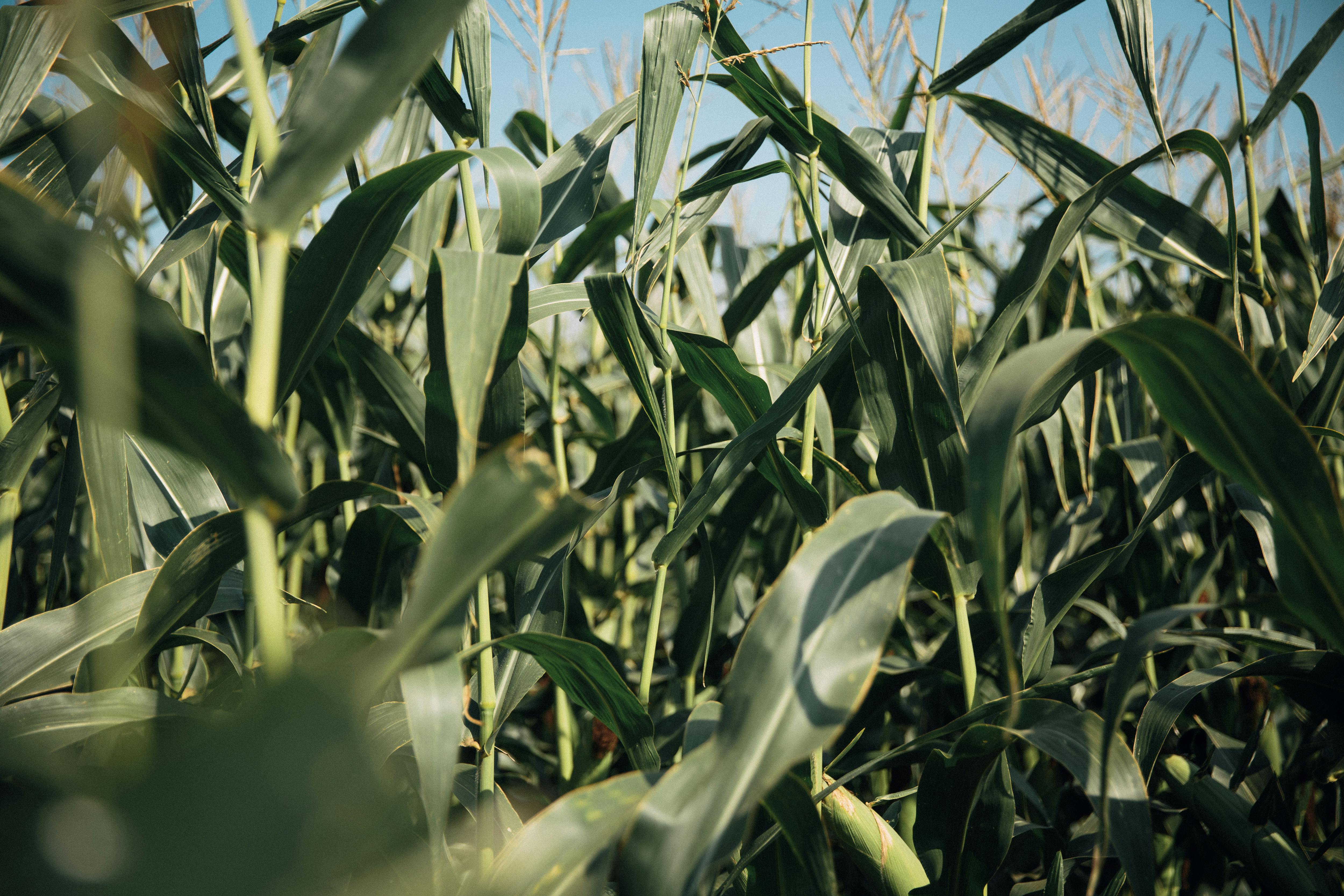
Kenya's agricultural landscape is dynamic, with smallholder farmers forming the backbone of its food security. For decades, the conventional approach relied heavily on synthetic fertilizers to push yield boundaries. However, the cumulative effects—reduced soil organic matter, increased soil acidity, water pollution, and higher input costs—have become undeniable. This realization has spurred a growing movement towards organic farming, echoing global calls for sustainable agriculture.
Statistics from the Ministry of Agriculture and Livestock Development indicate a steady increase in land allocated to organic farming practices, albeit from a low base. Driven by consumer demand for healthier food and a recognition of environmental stewardship, farmers are seeking viable, eco-friendly alternatives. The agribusiness sector in Kenya is responding, with a proliferation of organic input suppliers and knowledge-sharing platforms. This shift is particularly critical for maize, Kenya’s staple crop, where maintaining soil fertility and ensuring consistent yields are paramount for national food security and farmer livelihoods. Organic fertilizers, by their very nature, enhance soil structure, improve water retention, and foster a thriving microbial ecosystem, creating a resilient environment for maize cultivation.
Key Insights & Strategies: Mastering Organic Maize Fertilization

Transitioning to or optimizing organic fertilization for maize requires a strategic approach. Understanding your soil, selecting the right organic inputs, and applying them effectively are crucial for success.
1. Understanding Optimal Application Rates for Different Soil Types
The efficacy of organic fertilizers is highly dependent on your soil's unique characteristics. What works for sandy loam might differ significantly for heavy clay. Soil testing is your first and most critical step. It reveals existing nutrient levels, pH, and organic matter content, guiding your application strategy.
Optimal rates for organic fertilizers are often higher than chemical equivalents due to their slower nutrient release. For instance, a 2025 KALRO study highlighted that applying 2-3 tons per hectare of well-rotted compost significantly boosted maize yields by 18% in typical Kenyan farmlands, particularly benefiting from its humic content. For animal manure, rates can range from 5-10 tons per hectare, depending on its source and decomposition stage. Clay soils, which often struggle with compaction, benefit immensely from the structural improvements offered by organic matter, potentially requiring slightly higher initial applications to see tangible improvements.
2. Cost-Benefit Analysis: Balancing Short-Term Investment with Long-Term Gains
The initial investment in organic farming, particularly concerning labor for preparing and applying bulkier organic fertilizers, can seem daunting. Recent field trials show organic blends can outperform chemicals in clay soils but require 40% more upfront labor. However, a comprehensive cost-benefit analysis reveals a compelling long-term advantage.
While some farmers may experience a slight dip in yields during the initial transition period as soil biology adjusts, this is often temporary. Over time, improved soil health leads to reduced dependency on external inputs, better water retention, enhanced drought resilience, and a decrease in pest and disease pressure. These factors translate into significant cost savings on synthetic fertilizers, pesticides, and irrigation. Furthermore, organically grown maize can sometimes fetch premium prices in niche markets, adding to profitability. The long-term gain is not just financial; it's also environmental, fostering a more resilient and sustainable farming system for future generations.
Explore sustainable organic farming solutions with Biofarm Kenya to understand how these long-term benefits can be realized.
3. Timing Strategies to Maximize Nutrient Uptake
The adage 'timing is everything' holds true for organic fertilizer application. Unlike fast-acting chemical fertilizers, organic inputs require time for microbial decomposition to release nutrients. Strategic timing ensures maize plants receive the right nutrients when they need them most.
Case Studies, Examples, or Comparisons: Success Stories from the Field
Across Kenya, numerous farmers are demonstrating that successful organic maize farming is not just a theoretical concept but a practical, profitable reality. These pioneers often leverage traditional knowledge combined with modern organic techniques, proving that a sustainable approach can lead to bountiful harvests.
One notable example is Mama Leah, a smallholder farmer in Kitale, Trans-Nzoia County. Mama Leah transitioned her 2-acre maize farm to organic practices five years ago, initially facing skepticism. By consistently incorporating her farm’s own compost and locally sourced animal manure, she has seen a remarkable improvement in soil structure and water retention. During a recent drought, her organically managed fields exhibited greater resilience compared to neighboring chemically-intensive farms, yielding a respectable harvest when others failed. She now teaches her neighbors about the benefits of on-farm composting and diversified crop rotation.
Another inspiring case comes from a cooperative in Meru County that adopted greenhouse cultivation for high-value crops but also integrated organic practices for their open-field maize. By establishing large-scale vermicomposting facilities, they produce their own rich organic fertilizer. This has not only reduced their expenditure on synthetic inputs but also created a new revenue stream from selling excess compost. Their maize yields have stabilized and even increased over time, particularly noticeable in sandy-loam soils where organic matter quickly improved fertility. According to a report by the Food and Agriculture Organization (FAO) on sustainable land management in East Africa, integrating livestock manure and legume cover crops, much like this cooperative does, can increase maize productivity by up to 25% over five years, significantly reducing reliance on external inputs (FAO, 2021). This illustrates the profound long-term benefits of an integrated organic approach.
These stories underscore a crucial point: organic farming is not a one-size-fits-all solution but a tailored approach that respects local conditions and builds upon the farmer’s ingenuity and dedication. They serve as powerful testaments to the potential of organic fertilizers for Kenyan maize success.
Common Mistakes to Avoid: Pitfalls in Organic Maize Farming
While the journey to organic maize success is rewarding, it's not without its challenges. Avoiding common pitfalls can save farmers time, effort, and resources, ensuring a smoother transition and more consistent yields.
Here are some frequent mistakes and how to correct them:
Expert Tips & Best Practices: Nurturing Your Maize and Your Land
Drawing from the wisdom of seasoned organic farmers and agricultural scientists, these expert tips are designed to optimize your organic maize cultivation, ensuring robust yields and thriving soil for years to come.
1. Embrace On-Farm Composting: The Heart of Organic Fertility
Composting is not just waste management; it's nutrient recycling. Create a diverse compost pile using crop residues, kitchen scraps, animal manure, and green waste. A well-managed compost pile provides a steady supply of nutrient-rich organic matter. For efficiently processing farm waste into valuable fertilizer, consider a Compost Bin Tumbler Outdoor – available on Amazon, which makes turning and aeration simple, accelerating the composting process.
2. Diversify Organic Matter Sources: A Balanced Diet for Your Soil
Don't rely on a single source of organic matter. Combine compost with well-rotted animal manure (cow, chicken, goat), biochar, and green manures (cover crops like legumes plowed back into the soil). Each contributes different nutrient profiles and improves soil structure in unique ways, creating a more resilient and fertile environment.
3. Monitor Soil pH and Adjust Organically
Maize thrives in slightly acidic to neutral soils (pH 6.0-7.0). Regularly check your soil pH. If your soil is too acidic, apply agricultural lime or wood ash. If it's too alkaline, incorporate more organic matter. Maintaining healthy soil with Organic Compost Starter Mix can naturally buffer pH changes over time.
4. Implement Conservation Tillage: Disturb Less, Gain More
Minimizing soil disturbance through conservation tillage (e.g., no-till or reduced-till) protects soil structure, conserves moisture, and fosters a healthy soil microbiome. This practice significantly enhances the effectiveness of organic fertilizers by allowing microbial communities to thrive undisturbed, accelerating nutrient cycling.
5. Integrate Legume Cover Crops and Crop Rotation
Planting legumes like crotalaria, mucuna, or even beans/peas in rotation or as intercrops with maize helps fix atmospheric nitrogen into the soil, reducing the need for external nitrogen inputs. Crop rotation also breaks disease cycles and improves overall soil health, making your maize more robust.
6. Optimize Water Management with Efficient Irrigation
Organic matter improves soil’s water retention capacity, but efficient irrigation is still key, especially in arid and semi-arid regions of Kenya. Drip irrigation systems deliver water directly to the plant roots, minimizing waste and ensuring optimal moisture for nutrient uptake. This is particularly vital when organic fertilizers are slowly releasing their goodness into the soil solution. For small to medium farms, a Drip Irrigation Kit for Garden Beds – available on Amazon can be a game-changer for water efficiency.
By integrating these expert tips into your farming routine, you'll not only see improved maize yields but also cultivate a legacy of healthy, productive land. For more tailored advice and to connect with a network of sustainable farming experts, explore sustainable organic farming solutions with Biofarm Kenya.
Future Trends & Predictions: Innovating for Sustainable Maize Production
The future of organic maize farming in Kenya is bright, driven by innovation and a growing commitment to sustainability. Several emerging trends are set to revolutionize how farmers manage their fields, enhance productivity, and adapt to climate change.
One significant trend is the rise of **smart irrigation systems**. Leveraging sensor technology and localized weather data, these systems can precisely deliver water to maize fields, minimizing waste and optimizing soil moisture levels. This is particularly crucial for organic systems where soil health and water retention are paramount, ensuring that the slow-release nutrients from organic fertilizers are effectively utilized. Combined with climate-smart agriculture principles, smart irrigation will become a standard for resilience.
**Bio-fertilizers and microbial inoculants** are also gaining traction. These specialized products contain beneficial microorganisms that enhance nutrient availability, improve soil structure, and protect plants from diseases. As research advances, expect to see tailored microbial blends designed specifically for Kenyan soil conditions and maize varieties, further boosting organic efficacy and reducing reliance on bulk organic matter.
**Vertical farming and controlled environment agriculture (CEA)**, while currently more suited for high-value crops, hold potential for maize seed production or specialized, high-yield organic maize. Though large-scale vertical maize farming is still futuristic, research into optimizing nutrient delivery in soilless organic media could inform future practices for traditional field systems.
Furthermore, **AI-driven crop monitoring and precision agriculture** are poised to transform organic farming. Drones equipped with multispectral cameras can detect nutrient deficiencies, pest infestations, and water stress early, allowing farmers to take targeted organic interventions rather than broad applications. This precision minimizes resource use and maximizes the effectiveness of organic inputs.
Finally, the development of **new, resilient maize varieties** specifically bred for organic systems will be critical. These varieties will be better adapted to lower input environments, more resistant to common pests and diseases, and more efficient at nutrient uptake from organic sources, ensuring consistent yields in a changing climate. These innovations, combined with continuous farmer education and supportive policies, will cement Kenya's position at the forefront of sustainable maize production.
Conclusion: Harvesting Resilience with Organic Practices
The journey to evaluating and adopting organic fertilizers for Kenyan maize success is an investment—an investment in your land, your livelihood, and the future of food security. We've explored the critical aspects of optimal application rates, emphasizing how a 2025 KALRO study shows 2-3 t/ha of compost can boost yields by 18%, and dissected the long-term benefits of a cost-benefit analysis that favors soil health over short-term chemical dependency. We also delved into precise timing strategies to maximize nutrient uptake, acknowledging that while organic blends can outperform chemicals in clay soils, they may require 40% more upfront labor.
By embracing these evidence-based practices, avoiding common pitfalls, and integrating expert tips, Kenyan maize farmers can cultivate not just a crop, but a resilient and thriving ecosystem. The future of farming in Kenya hinges on such sustainable approaches, promising healthier soils, higher quality produce, and a more secure food future for all.
Discover trusted organic farming tools on Amazon and learn more about sustainable solutions with Biofarm Kenya.
FAQs: Your Organic Maize Farming Questions Answered
1. What are the best organic fertilizers for maize in Kenya?
The best organic fertilizers for maize in Kenya typically include well-rotted farmyard manure (from cattle, goats, chickens), compost (made from mixed organic waste), and green manures (cover crops like legumes that are incorporated into the soil). These provide a broad spectrum of nutrients and significantly improve soil structure and microbial activity. Learn more about KALRO's research on soil fertility.
2. How often should I apply organic fertilizer to maize?
For maize, a primary application (basal dressing) of compost or well-rotted manure 2-4 weeks before planting is ideal to build soil fertility. Depending on soil analysis and maize nutrient demands, a light top-dressing of compost tea or liquid manure can be applied during critical growth stages like the knee-high stage. Annual or biannual applications are generally recommended to maintain soil health. Discover sustainable soil management practices with Biofarm Kenya.
3. What is the main difference between organic and inorganic fertilizers for maize?
Organic fertilizers are naturally derived, slow-releasing, and improve long-term soil health by adding organic matter and fostering microbial life. Inorganic (chemical) fertilizers are synthetic, fast-acting, and provide precise nutrient ratios but often do not contribute to soil organic matter and can have negative environmental impacts over time. Explore agricultural statistics and practices on the FAO website.
4. How can I improve soil fertility organically in Kenya?
Improving soil fertility organically involves a combination of practices: consistent application of compost and well-rotted manure, integrating nitrogen-fixing legume cover crops and diversified crop rotations, practicing conservation tillage (minimal soil disturbance), and ensuring good drainage. These strategies collectively enhance soil structure, water retention, and nutrient cycling. Explore Biofarm Kenya's partner solutions for soil health.
5. Are organic maize yields lower than conventional yields in Kenya?
Initially, during the transition from chemical to organic farming, there might be a slight reduction in maize yields as the soil ecosystem adjusts. However, over time, as soil health improves, organic maize yields often stabilize and can even match or outperform conventional yields, especially under stress conditions like drought. The focus shifts from yield maximization to yield optimization within a sustainable system. Refer to NEMA for environmental management guidelines in agriculture.
6. Where can I find reliable organic farming inputs and advice in Kenya?
Reliable organic farming inputs can be sourced from certified local suppliers, agricultural cooperatives, and reputable agribusinesses that specialize in organic products. For expert advice, consider consulting agricultural extension officers, experienced organic farmers, and organizations like KALRO, the Ministry of Agriculture, and sustainable agriculture initiatives. Connect with Biofarm Kenya for trusted advice and resources.


0 Comments