

Estimated Reading Time: 11 minutes
TL;DR: Kenyan farmers can significantly boost profits (30-50%) and drought resilience through intercropping, especially by combining legumes like pigeon peas with cereals such as sorghum. This sustainable practice enhances soil health, provides natural pest control, and diversifies income, moving away from maize-centric farming. It offers a powerful strategy for climate risk reduction and long-term farm viability.
Key Takeaways:
- Implement legume-cereal intercropping (e.g., pigeon pea + sorghum) to naturally enrich soil nitrogen and improve fertility.
- Utilize crop diversity to deter pests and diseases, reducing reliance on chemical interventions.
- Adopt sustainable water management techniques like drip irrigation to maximize moisture retention and combat drought.
- Diversify income streams by harvesting multiple crops, thus stabilizing earnings and mitigating market risks.
- Regularly conduct soil testing to tailor nutrient management and optimize crop performance for intercropping systems.
Table of Contents:
Introduction: Intercropping for Resilient Profits
In Kenya, where agriculture forms the backbone of the economy, farmers are increasingly facing profound challenges, notably erratic weather patterns leading to severe droughts and fluctuating market prices that erode profitability. These pressing issues have intensified a critical need for drought resilience and consistent farm profits. Trending farmer queries in Kenya highlight urgent need for drought resilience and profitability. Traditional monoculture farming, particularly maize-centric norms, often exacerbates these vulnerabilities, leaving farmers susceptible to significant losses.
However, a transformative solution is rapidly gaining traction: intercropping. This ancient yet highly effective agricultural practice involves growing two or more crops simultaneously on the same field. Intercropping offers a multi-faceted approach to sustainable agriculture, promising not just ecological benefits but also substantial economic gains. Intercropping legumes with cereals (e.g., pigeon peas + sorghum) is emerging as a high-impact solution, showing 30-50% yield increases in 2025 KALRO trials. This innovative approach directly addresses the urgent needs of Kenyan farmers by enhancing soil health, controlling pests naturally, and diversifying income, ultimately reducing climate risk and ensuring a more stable livelihood.
Background & Context: The Shifting Landscape of Kenyan Agriculture
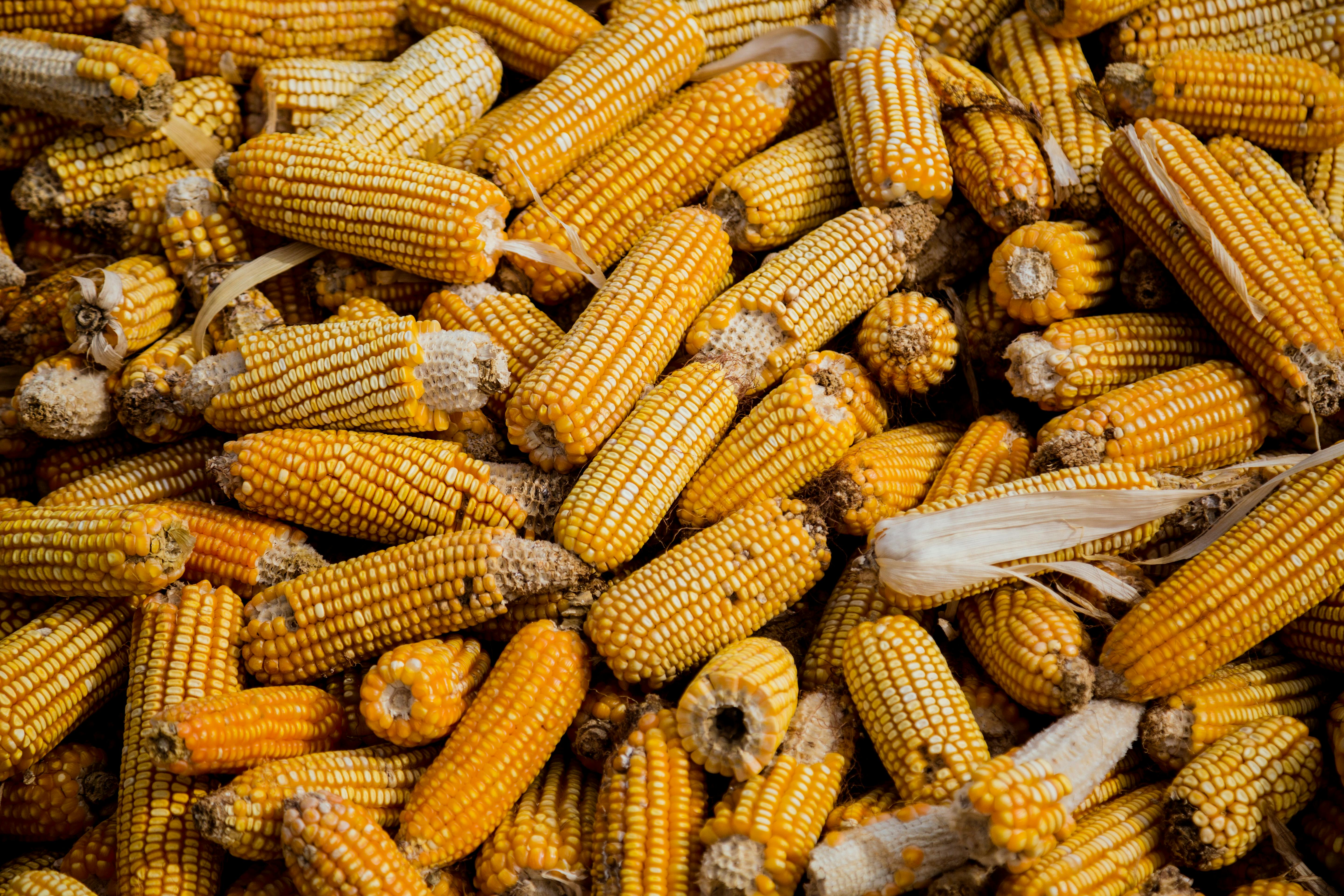
Kenya's agricultural sector contributes over 30% to the nation's Gross Domestic Product (GDP) and employs more than 70% of its rural population. Yet, a significant portion of this farming relies on rain-fed systems, making it highly vulnerable to climate change impacts. Prolonged droughts, like those witnessed in recent years, have devastated harvests, pushing many smallholder farmers into food insecurity and poverty.
The imperative to transition towards more sustainable and resilient farming methods has never been clearer. Organic farming, soil fertility enhancement, and agribusiness growth are no longer niche concepts but critical pathways to ensure food security and economic stability. Practices like intercropping are at the forefront of this shift, offering proven methods to boost productivity, improve soil health, and enhance biodiversity, all while generating higher returns for farmers. This is particularly crucial as farmers seek to optimize their land use and reduce input costs in an increasingly challenging environment.
Key Insights & Strategies for Successful Intercropping
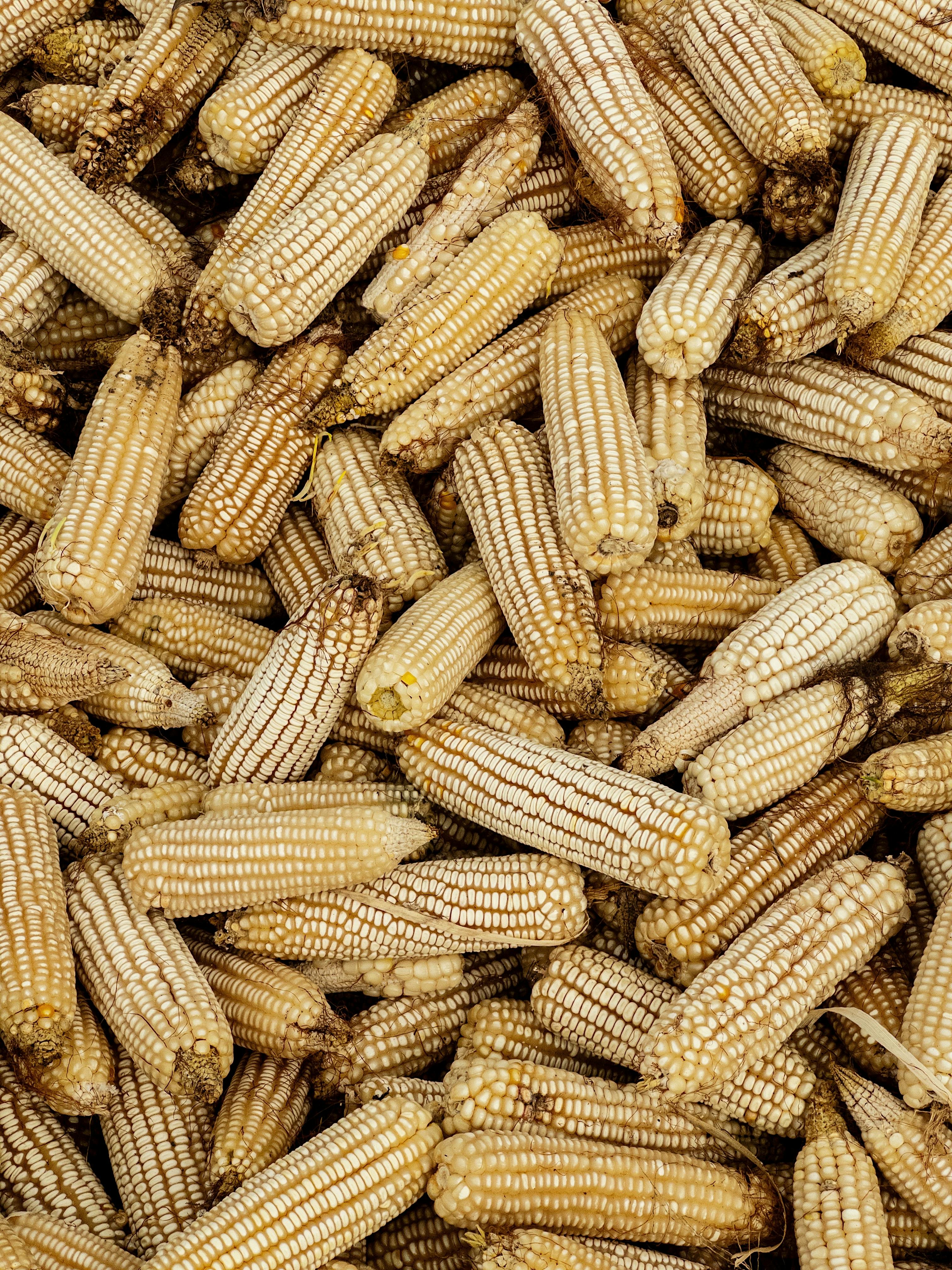
1. Optimizing Soil Health and Fertility
Intercropping, especially with legumes, is a natural powerhouse for soil health. Legumes have a symbiotic relationship with nitrogen-fixing bacteria in their root nodules, converting atmospheric nitrogen into a form usable by plants. This natural nitrogen fertilization benefits companion crops and reduces the need for synthetic fertilizers.
- Select Legume Partners: Choose legumes like pigeon peas, green grams, beans, or cowpeas that are well-suited to your local climate and soil conditions, intercropping them with cereals like maize, sorghum, or millet.
- Strategic Planting: Ensure proper spacing to allow both crops sufficient sunlight and nutrient access. Planting legumes slightly before or simultaneously with cereals can optimize nitrogen transfer.
- Incorporate Organic Matter: Alongside intercropping, regularly add compost and farmyard manure to further enrich soil organic matter, improving water retention and microbial activity. Boost your soil's vitality and nutrient absorption with Dr. Earth Organic 5 Tomato, Vegetable & Herb Fertilizer – available on Amazon, a fantastic organic option for enriching your farm.
2. Enhancing Pest and Disease Management
Crop diversity inherent in intercropping creates a more complex ecosystem that discourages pests and diseases. This 'confusion effect' makes it harder for specialized pests to locate their host crops, reducing infestation rates and the need for chemical pesticides.
- Utilize Repellent Crops: Intercrop with plants known to repel specific pests. For example, some aromatic herbs can deter insect pests from main crops.
- Attract Beneficial Insects: Plant flowering species that attract natural predators of pests, creating a biological control system within your farm.
- Break Disease Cycles: Diversifying crops can break the life cycles of soil-borne pathogens and reduce the spread of diseases that might otherwise thrive in monoculture systems.
3. Boosting Drought Resilience and Water Use Efficiency
Intercropping systems often demonstrate superior resilience to drought conditions. The combined canopy cover reduces soil evaporation, helping to retain moisture. Different root depths allow intercropped plants to access water from various soil layers more efficiently.
- Choose Drought-Tolerant Varieties: Pair a relatively drought-tolerant crop with a more sensitive one, leveraging the former's resilience to support the latter during dry spells.
- Optimize Canopy Cover: Arrange plants to create a dense, living mulch that shades the soil, minimizing direct sun exposure and evaporative water loss.
- Implement Efficient Irrigation: Even with improved soil moisture, efficient irrigation systems, such as drip irrigation, can significantly enhance water use efficiency, especially during critical growth stages.
4. Diversifying Income Streams and Market Access
By producing multiple crops from the same piece of land, farmers can diversify their income sources, reducing financial risk associated with single crop failures or market price fluctuations. This also opens up opportunities for accessing different market segments.
- Staggered Harvests: Select crop combinations that have different maturity periods, allowing for staggered harvests throughout the season and providing a more continuous cash flow.
- Identify Niche Markets: Explore opportunities to sell secondary crops to niche markets, such as specialty vegetables or pulses, which often command higher prices. Understand your soil's unique composition to make informed decisions for crop selection and nutrient application. A Soil pH Meter, 3-in-1 Soil Test Kit for Moisture, Light & pH is an invaluable tool for any serious farmer.
- Value Addition: Consider processing some of your intercropped produce (e.g., drying legumes, making flour) to add value and extend shelf life, opening up new market avenues.
To further enhance your farm's productivity and sustainability, explore sustainable organic farming solutions with Biofarm Kenya, connecting with expert advice and resources.
Case Studies: Intercropping Success Stories in Kenya
The success of intercropping in Kenya is not just theoretical; it's being demonstrated on farms across the country. The Kenya Agricultural and Livestock Research Organization (KALRO) has been at the forefront of promoting and researching these practices. For instance, trials have consistently shown that intercropping maize with climbing beans can significantly increase overall land productivity compared to monoculture, sometimes by as much as 30-50% in land equivalent ratios.
A notable example comes from western Kenya, where farmers intercropping pigeon peas with sorghum have reported not only enhanced soil fertility but also improved yields of both crops, leading to greater food security and higher incomes. The pigeon pea, being a drought-tolerant legume, provides a reliable harvest even when sorghum yields might be affected by water stress, offering a critical buffer for farmers. These combinations leverage the strengths of each crop, demonstrating how strategic intercropping challenges maize-centric norms while reducing climate risk.
Furthermore, smallholder farmers participating in community-based agricultural programs have successfully adopted intercropping techniques for vegetables and indigenous crops. These initiatives often focus on local seed varieties and traditional knowledge, integrating them with modern sustainable practices to achieve higher yields and better pest control without reliance on expensive external inputs. Such practices are documented by institutions like the Kenya Agricultural and Livestock Research Organization (KALRO), emphasizing their role in national food security.
Common Mistakes to Avoid in Intercropping
While intercropping offers numerous benefits, certain pitfalls can negate its advantages. Avoiding these common mistakes is crucial for maximizing success:
- Improper Crop Selection: Not all crops make good neighbors. Pairing crops with conflicting growth habits, nutrient requirements, or allelopathic effects (where one plant inhibits the growth of another) can lead to reduced yields for both. Always research compatible crop combinations.
- Poor Spacing and Density: Overcrowding crops can lead to intense competition for light, water, and nutrients, ultimately stunting growth and reducing yields. Inadequate spacing can also hinder air circulation, increasing disease susceptibility.
- Inadequate Nutrient Management: Assuming legumes will fix enough nitrogen for all crops without any additional nutrient planning is a common error. While legumes contribute significantly, a balanced nutrient management plan, informed by soil tests, is still essential to meet the diverse needs of intercropped plants.
- Ignoring Market Demand: Growing multiple crops is beneficial, but without a clear market strategy, farmers might struggle to sell their diverse produce. Researching market demand for each intercropped product is vital to ensure profitability.
- Neglecting Pest and Disease Monitoring: While intercropping aids in pest control, it doesn't eliminate the need for vigilance. Regular monitoring is still necessary to identify potential outbreaks early and implement timely, organic interventions.
Expert Tips & Best Practices for Maximizing Intercropping Benefits
To truly unlock the potential of intercropping, consider these expert tips and integrate best practices into your farming routine:
- Start with Soil Testing: Before planting, conduct a comprehensive Soil pH Meter, 3-in-1 Soil Test Kit. Knowing your soil's pH, nutrient levels, and composition allows for informed crop selection and targeted soil amendments, ensuring your chosen intercrop partners thrive together.
- Choose Compatible Crop Pairs: Focus on combinations where crops complement each other. Examples include tall cereals with short legumes, deep-rooted crops with shallow-rooted ones, or pest-repellent plants with vulnerable crops. Pigeon pea + sorghum is a strong local example.
- Optimize Planting Times and Patterns: Stagger planting dates for crops with different growth rates to ensure neither crop outcompetes the other. Experiment with row intercropping, mixed intercropping, or relay intercropping to find what works best for your farm size and crop types.
- Implement Efficient Water Management: Even with improved drought resilience, strategic water use is key. Consider installing a RAIN BIRD Drip Irrigation Spot Watering Emitter Kit – available on Amazon for targeted watering, minimizing waste and ensuring moisture reaches plant roots directly, especially during dry spells.
- Practice Integrated Pest Management (IPM): Combine intercropping with other organic IPM strategies like biological controls, companion planting, and physical barriers. This holistic approach significantly reduces pest pressure without chemicals.
- Keep Detailed Records: Document crop combinations, planting dates, yields, pest observations, and any challenges encountered. This data is invaluable for refining your intercropping strategies year after year and continuous learning.
For more personalized advice and access to cutting-edge sustainable farming techniques, explore sustainable organic farming solutions with Biofarm Kenya.
Future Trends: Innovation Driving Sustainable Agriculture
The future of sustainable agriculture in Kenya is bright, with emerging technologies and innovative practices poised to further enhance the benefits of intercropping. Smart irrigation systems, utilizing sensors and data analytics, will allow for even more precise water application, optimizing moisture levels for diverse intercropped plants. Vertical farming and controlled environment agriculture, while initially capital-intensive, offer potential for high-density, year-round production of high-value crops, potentially integrating with intercropping principles.
Furthermore, AI-driven crop monitoring and precision agriculture tools will enable farmers to make data-backed decisions on planting patterns, nutrient application, and pest detection for intercropped fields. These innovations promise to make sustainable farming not only more productive but also more efficient and profitable, supporting Kenya's journey towards food security and economic growth in the face of climate change. The emphasis on climate-smart agriculture and regenerative practices will only grow, cementing intercropping's role as a foundational strategy.
Conclusion: A Prosperous Future Through Intercropping
Intercropping stands as a powerful, proven strategy for Kenyan farmers seeking to navigate the challenges of climate change and market volatility. By embracing the principles of crop diversity and ecological synergy, farmers can significantly boost their profits by 30-50%, enhance drought resilience, improve soil health, and achieve natural pest control. This shift from monoculture to diversified farming systems is not just about adopting a new technique; it’s about investing in a sustainable and prosperous future for their farms and communities.
The evidence is clear: intercropping offers a high-impact solution to some of the most urgent agricultural needs in Kenya. By focusing on soil health optimization, pest control through crop diversity, and smart market strategies for mixed harvests, farmers can reduce climate risk and build truly resilient farming operations. Discover trusted organic farming tools on Amazon and learn more about sustainable solutions with Biofarm Kenya to empower your farm's journey towards sustainable profits.
Frequently Asked Questions (FAQs)
Q1: What are the best intercropping combinations for Kenyan smallholder farmers?
A: For Kenyan smallholders, highly effective combinations include maize or sorghum intercropped with pigeon peas, green grams, or common beans. These legume-cereal pairs offer excellent synergy, with legumes fixing nitrogen for the cereals and providing ground cover. Other beneficial pairings include leafy vegetables with onions or garlic for pest deterrence. For more detailed guidance, refer to FAO Kenya's agricultural practices.
Q2: How does intercropping specifically improve soil fertility in Kenyan farms?
A: Intercropping with legumes (like beans or cowpeas) is particularly effective because these plants host nitrogen-fixing bacteria in their root nodules. These bacteria convert atmospheric nitrogen into a usable form for plants, enriching the soil with natural nitrogen. Additionally, increased plant biomass from diverse crops contributes more organic matter to the soil, improving its structure, water retention, and microbial activity. Biofarm Kenya offers detailed soil health guides.
Q3: What are the economic benefits of intercropping for farmers in Kenya?
A: Intercropping offers significant economic benefits, including increased yield per unit area (often 30-50% higher Land Equivalent Ratios), diversified income streams from multiple harvests, reduced risk of total crop failure, and lower input costs due to natural nitrogen fixation and reduced need for pesticides. This leads to more stable and higher farm profits, as highlighted by KALRO research on sustainable practices.
Q4: Can intercropping help control pests and diseases organically in Kenya?
A: Yes, intercropping is a powerful organic pest and disease control strategy. The diversity of crops creates a more complex environment that confuses pests, makes it harder for them to find host plants, and encourages beneficial insects (natural predators). Some intercrops also act as trap crops or repel pests. This reduces reliance on synthetic pesticides, making farming more environmentally friendly and cost-effective. Learn more about Biofarm Kenya's organic pest management solutions.
Q5: What are the main challenges when adopting intercropping in Kenya, and how can they be overcome?
A: Challenges include selecting compatible crops, managing competition for resources (light, water, nutrients), increased labor for planting and harvesting, and limited knowledge of best practices. Overcoming these involves conducting proper research on crop compatibility, optimizing spacing and planting patterns, seeking training from agricultural extension services, and adopting a gradual approach by experimenting with small plots first. The Ministry of Agriculture, Livestock, Fisheries and Cooperatives provides valuable resources.
Q6: Where can Kenyan farmers find reliable training and resources on intercropping and sustainable agriculture?
A: Kenyan farmers can access training and resources from several authoritative sources. The Kenya Agricultural and Livestock Research Organization (KALRO) offers extensive research and extension services. Agricultural universities and colleges provide courses. Non-governmental organizations focusing on sustainable agriculture also run farmer training programs. Additionally, Biofarm Kenya offers specialized organic farming courses and resources tailored to local conditions, empowering farmers with practical knowledge.
Relevant External Links:
- Kenya Agricultural and Livestock Research Organization (KALRO)
- Food and Agriculture Organization of the United Nations (FAO) in Kenya
- Ministry of Agriculture, Livestock, Fisheries and Cooperatives (Kenya)
- National Environment Management Authority (NEMA) Kenya
- World Agroforestry Centre (ICRAF)
- Alliance for a Green Revolution in Africa (AGRA)
Relevant Biofarm Kenya Internal Links:



0 Comments