

Estimated Reading Time: 11 minutes
TL;DR:
- Kenyan farmers are increasingly embracing biopesticides for cost savings, pest resistance, and environmental benefits.
- Locally available biopesticides like neem and garlic extracts are key to sustainable pest management.
- Proper application timing and mixing ratios are crucial for maximum biopesticide efficacy.
- Biopesticides significantly reduce crop damage and improve soil health, enhancing resilience against climate shocks.
- Adopting organic practices and biopesticides offers economic opportunities and food security.
Key Takeaways:
- Start with small plots to master biopesticide dilution techniques before scaling up.
- Conduct soil tests regularly to understand nutrient needs and avoid indiscriminate fertilizer application.
- Implement efficient irrigation systems, such as drip irrigation, to conserve water and ensure consistent moisture.
- Research local market demand before planting to ensure profitability and minimize waste.
- Seek training from agricultural experts on biopesticide selection, application, and integrated pest management (IPM) strategies.
Table of Contents
- Introduction: A Green Revolution Blooms in Kenya
- Background & Context: The Growing Need for Sustainable Farming
- Key Insights & Strategies: Mastering Biopesticide Adoption
- Case Studies, Examples, or Comparisons: Success Stories from the Field
- Common Mistakes to Avoid: Paving the Way for Biopesticide Success
- Expert Tips & Best Practices: Cultivating a Greener Future
- Future Trends & Predictions: Innovating for Resilience
- Conclusion: Empowering Farmers for a Sustainable Tomorrow
- FAQs: Your Questions on Biopesticides & Sustainable Farming Answered
Introduction: A Green Revolution Blooms in Kenya
In the vibrant agricultural landscapes of Kenya, a silent revolution is taking root. Faced with escalating costs, growing pest resistance, and the unpredictable nature of climate change, Kenyan farmers are increasingly adopting biopesticides to cut costs and combat pesticide resistance. This paradigm shift towards natural, eco-friendly alternatives is not merely a trend but a necessity for sustainable farming practices. Traditional chemical programs are proving less reliable as climate shocks disrupt conventional cycles, leading many to seek robust, resilient solutions.
The focus on sustainable agriculture in Kenya is driven by a collective understanding that long-term food security and environmental health are intrinsically linked. Biopesticides offer a compelling pathway forward, minimizing ecological impact while safeguarding crop yields. This article delves into the transformative journey of Kenyan farmers as they embrace these biological solutions, exploring the benefits, applications, and future potential of this green movement. Training focuses on selecting locally available biopesticides (e.g., neem, garlic extracts), proper application timing, and mixing ratios for maximum efficacy. Evidence from 2025 KALRO trials shows biopesticides reduce crop damage by 70% while improving soil health—critical as climate shocks disrupt traditional chemical programs. Start with small plots to master dilution techniques.
Background & Context: The Growing Need for Sustainable Farming
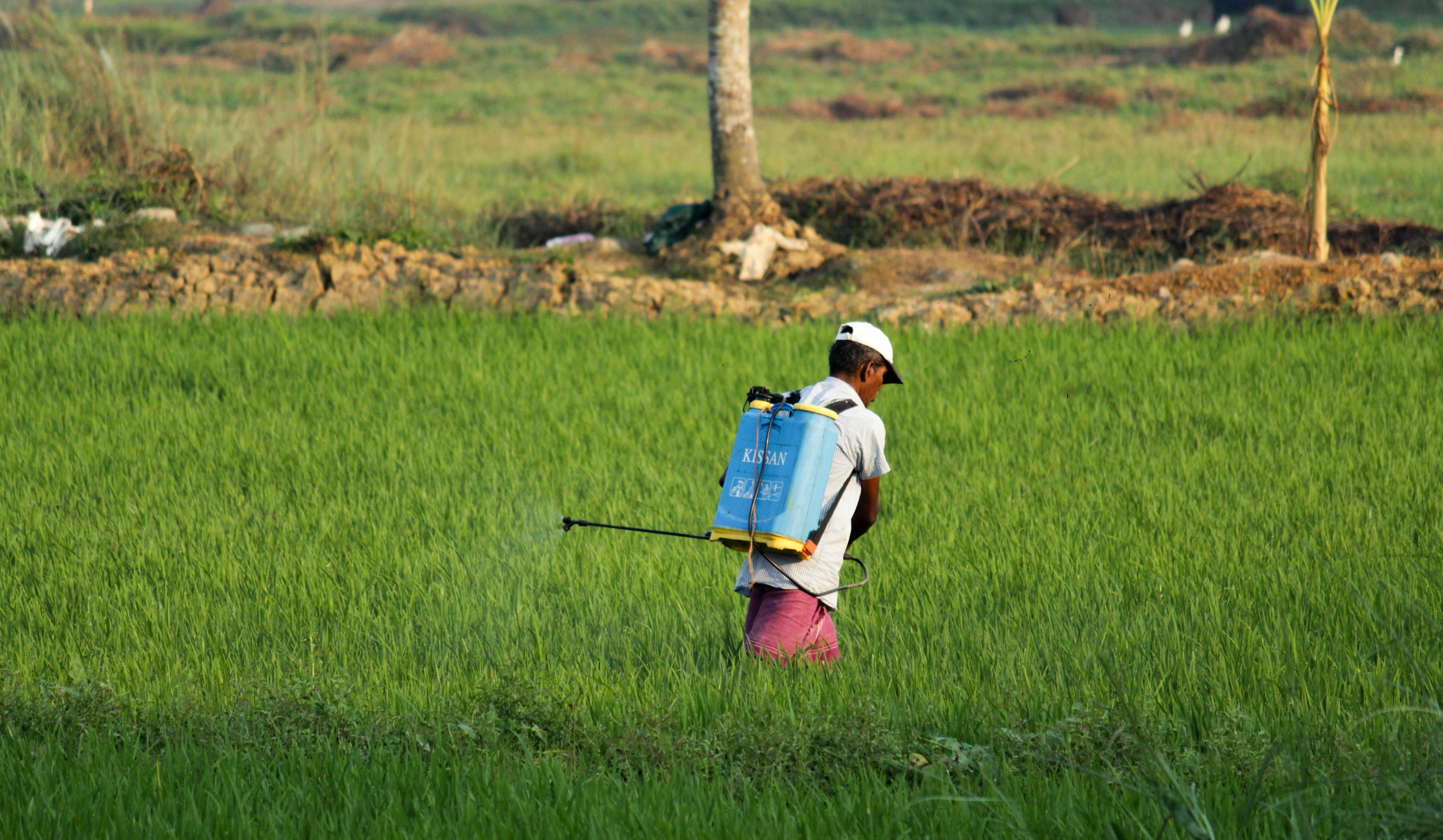
Kenya's agricultural sector, the backbone of its economy, contributes significantly to the national GDP and provides livelihoods for a majority of the population. However, it grapples with multifaceted challenges, including soil degradation, water scarcity, and the adverse effects of climate variability. The reliance on synthetic chemical pesticides and fertilizers, while offering short-term gains, has often led to long-term ecological imbalances, affecting soil fertility, beneficial insect populations, and human health. According to the Food and Agriculture Organization (FAO), sustainable agricultural practices are essential to build resilience in food systems across the region.
The burgeoning organic farming movement in Kenya is a direct response to these pressures. Over 150,000 farmers nationwide are already utilizing organic methods, recognizing their environmental, economic, and health benefits. This growth is supported by increasing market demand for organic produce and policy frameworks from the Kenyan government aimed at promoting sustainable agriculture. Biopesticides play a pivotal role in this transition, offering a safer and more environmentally conscious approach to pest management. They work by using living organisms or their byproducts to control pests, rather than harsh chemicals, thereby protecting biodiversity and ensuring safer food for consumers.
The adoption of biopesticides represents a crucial step towards mitigating pesticide resistance, a growing concern that renders many conventional chemicals ineffective. By embracing solutions derived from nature, Kenyan farmers are not only protecting their crops but also nurturing the very soil that sustains them, fostering a healthier ecosystem for future generations. This shift is particularly important in a country where a significant portion of the population relies on agriculture for both sustenance and income, making the resilience and sustainability of farming practices paramount.
Key Insights & Strategies: Mastering Biopesticide Adoption

Understanding Local Biopesticides
Kenya is rich in biodiversity, offering a wealth of natural resources for biopesticide development. Farmers are increasingly being trained in selecting and utilizing locally available biopesticides. These include extracts from neem trees, known for their powerful insecticidal properties; garlic extracts, effective repellents and fungicides; and even indigenous plants like pyrethrum, which is a natural insecticide. The accessibility and cost-effectiveness of these local solutions make them highly attractive to smallholder farmers.
- Identify Local Resources: Learn about plants and natural compounds available in your region that possess pest-controlling properties.
- Participate in Training: Engage with agricultural extension services and NGOs offering workshops on biopesticide preparation and application.
- Experiment with Small Batches: Before large-scale application, test homemade biopesticides on a small plot to assess efficacy and proper dilution.
Precision Application for Maximum Efficacy
Unlike conventional pesticides, biopesticides often require more precise application timing and conditions. Many biopesticides are contact-based or work best when pests are in specific life stages. Understanding the pest life cycle and applying biopesticides at the opportune moment is crucial for success. Proper mixing ratios are also paramount to ensure the biopesticide is potent enough to be effective without causing harm to beneficial insects or the environment. For farmers seeking a reliable compost solution, consider the FCMP Outdoor HOTFROG Rolling Single Chamber Batch Tumbling Composter – available on Amazon. This can help produce nutrient-rich compost, reducing reliance on chemical fertilizers.
- Monitor Pest Cycles: Regularly scout your crops to understand pest populations and their developmental stages.
- Adhere to Instructions: Strictly follow recommended dilution and application rates for commercial biopesticides.
- Optimal Timing: Apply biopesticides during cooler parts of the day or when pests are most active, often in the early morning or late evening.
Enhancing Soil Health for Resilient Crops
The 2025 KALRO trials highlighted a critical benefit of biopesticides: they not only reduce crop damage by up to 70% but also significantly improve soil health. This is because biopesticides degrade quickly, leaving no harmful residues that can disrupt the delicate soil microbiome. A healthy soil ecosystem, teeming with beneficial microorganisms, is better equipped to absorb nutrients, retain water, and fend off diseases, making crops more resilient to climate shocks. Boost your yields with the MySoil Soil Test Kit – available on Amazon. Understanding your soil's composition is the first step towards truly sustainable and productive farming. You can also Explore sustainable organic farming solutions with Biofarm Kenya for more insights on soil health.
- Embrace Composting: Incorporate organic matter through composting to enrich soil structure and microbial activity.
- Practice Crop Rotation: Rotate crops to break pest and disease cycles and improve soil nutrient balance.
- Minimize Tillage: Reduce soil disturbance to preserve soil structure and protect beneficial organisms.
Case Studies, Examples, or Comparisons: Success Stories from the Field
Across Kenya, numerous farmers are demonstrating the tangible benefits of adopting biopesticides and sustainable practices. In Kisii County, for instance, a group of smallholder tea farmers transitioned from synthetic pesticides to neem-based solutions after facing persistent mite infestations and declining soil health. Within two seasons, they reported a noticeable reduction in pest damage, healthier tea bushes, and an increase in beneficial insect populations. Their produce now commands a premium in organic markets, showcasing the economic viability of this shift.
Another inspiring example comes from a horticulture cooperative in Nakuru. Battling pesticide resistance in their tomato and capsicum crops, they partnered with an agricultural research institution to implement an Integrated Pest Management (IPM) program heavily reliant on biopesticides. By introducing parasitic wasps and utilizing microbial insecticides like Bacillus thuringiensis (Bt), they managed to control severe infestations, significantly reducing their input costs and improving food safety. These successes underscore the importance of tailored solutions and community-led initiatives in driving sustainable change.
The Kenya Agricultural and Livestock Research Organization (KALRO) has been at the forefront of researching and promoting such plant-based pesticides. Their studies highlight that while botanical pesticides may not always be as fast-acting as chemical alternatives, their advantages—being made from locally available materials, less harmful to non-target organisms, and contributing to overall ecosystem health—far outweigh this difference. Their efforts are crucial in providing scientific backing and training to farmers adopting these methods, ensuring knowledge transfer and practical implementation. (Source: KALRO e-Repository on Plant-Based Pesticides).
Common Mistakes to Avoid: Paving the Way for Biopesticide Success
While the adoption of biopesticides and organic farming offers immense promise, farmers can encounter pitfalls. Awareness of these common mistakes is the first step towards successful implementation.
- Ignoring Soil Analysis: A common error is applying fertilizers or amendments without understanding the soil's current nutrient profile. This can worsen imbalances, leading to weak plants susceptible to pests and diseases. Regular NEMA-approved soil testing is essential to guide nutrient management.
- Inconsistent Watering Practices: Especially in dry regions or during critical growth stages, inconsistent irrigation can stress plants, making them vulnerable. Drip irrigation systems can provide precise, consistent moisture, preventing water waste and plant stress.
- Lack of Market Research: Many farmers plant what they are familiar with or what they 'love' rather than what the market demands. This can lead to gluts, low prices, and significant losses. Understanding customer demand for organic produce is vital for profitability.
- Improper Biopesticide Application: A frequent complaint is that biopesticides 'don't work.' This often stems from incorrect timing, inadequate mixing ratios, or applying them under unsuitable environmental conditions (e.g., strong sunlight, rain immediately after application). Most biopesticides are not systemic and require direct contact with pests or their feeding sites.
- Neglecting Integrated Pest Management (IPM): Relying solely on one biopesticide or method is a mistake. Successful pest control in organic systems requires a holistic IPM approach, combining cultural practices, biological controls, and judicious use of biopesticides.
- Poor Drainage: Waterlogging can suffocate roots, encourage fungal diseases, and lead to nutrient leaching. Ensuring adequate drainage, especially in areas prone to heavy rains, is crucial for plant health and soil structure.
Expert Tips & Best Practices: Cultivating a Greener Future
Embracing biopesticides and sustainable farming requires a blend of knowledge, patience, and consistent effort. Here are some expert tips for Kenyan farmers looking to maximize their success:
1. Start Small and Learn: Begin your biopesticide journey on a small section of your farm. This allows you to experiment with different formulations, application methods, and timing without risking your entire crop. Observe the results closely and adapt your approach based on what works best for your specific crops and local pest challenges. Mastering dilution techniques on a small scale builds confidence for broader implementation.
2. Invest in Soil Health: Your soil is your most valuable asset. Regularly test your soil to understand its pH, nutrient levels, and organic matter content. For accurate results and tailored recommendations, consider a robust tool like the MySoil Soil Test Kit – available on Amazon, which provides comprehensive analysis and personalized advice for lawn and garden potential. Incorporate compost and green manures to enhance soil structure and fertility, creating a vibrant ecosystem that naturally suppresses pests and diseases.
3. Implement Efficient Water Management: Water scarcity is a significant challenge. Adopt water-saving irrigation techniques like drip irrigation, which delivers water directly to the plant roots, minimizing evaporation and runoff. A reliable solution for precise water delivery is a Drip Irrigation Kit for Small Farms – available on Amazon, which ensures your crops get the right amount of moisture consistently.
4. Diversify Your Crops: Monoculture can lead to increased pest pressure. Intercropping and crop rotation not only improve soil health but also create a more diverse habitat that supports beneficial insects, which are natural enemies of many pests. This biological control is a cornerstone of effective biopesticide use.
5. Continuous Learning and Networking: The field of sustainable agriculture is constantly evolving. Attend workshops, join farmer cooperatives, and connect with agricultural extension officers. Learning from experienced peers and experts can provide invaluable insights and solutions to local challenges. Organizations like Biofarm Kenya offer resources and partnerships for farmers dedicated to sustainable organic practices.
6. Monitor and Record: Keep detailed records of pest observations, biopesticide applications, and their effectiveness. This data will help you fine-tune your strategies over time, identifying which biopesticides work best for specific pests and conditions on your farm.
7. Integrate Biological Controls: Beyond biopesticides, consider introducing beneficial insects such as ladybugs for aphid control or parasitic wasps for various crop pests. These natural allies can significantly reduce the need for external interventions.
Future Trends & Predictions: Innovating for Resilience
The future of Kenyan agriculture is intrinsically linked to innovation and climate resilience. The growing understanding of climate change impacts is accelerating the adoption of smart farming techniques. We anticipate a surge in technologies such as smart irrigation systems, which use sensors and data analytics to optimize water usage, a critical feature in a water-stressed region. Precision agriculture, powered by AI and drone technology, will enable farmers to monitor crop health, identify pest outbreaks early, and apply biopesticides with unprecedented accuracy, minimizing waste and maximizing efficacy.
Vertical farming and controlled environment agriculture (CEA) are also emerging as promising solutions, particularly for urban areas and regions with limited arable land. These methods allow for year-round production, reduced water usage, and minimal reliance on external pest controls. Furthermore, research into indigenous, drought-tolerant crops will continue to gain momentum, offering resilient food sources that are well-adapted to local climates. The integration of biotechnology, focusing on developing new biopesticide strains and disease-resistant crop varieties, will further solidify Kenya's position as a leader in sustainable agriculture, ensuring food security and economic growth in the face of environmental challenges. Partnerships between academia, industry, and policymakers will be crucial in addressing data gaps and fostering these innovations, making agriculture more robust and adaptable.
Conclusion: Empowering Farmers for a Sustainable Tomorrow
The journey towards sustainable farming in Kenya, spearheaded by the widespread adoption of biopesticides, is a testament to the resilience and adaptability of its farming community. By embracing natural alternatives, Kenyan farmers are not only tackling immediate challenges like pest resistance and high input costs but are also laying the groundwork for a healthier, more environmentally friendly, and economically viable agricultural sector. The benefits extend beyond the farm gate, contributing to improved public health, biodiversity conservation, and greater food security for the nation.
The continuous focus on training, the utilization of locally available resources like neem and garlic, and the emphasis on proper application techniques are vital in this transition. As we look ahead, the integration of advanced technologies and a collaborative spirit between farmers, researchers, and policymakers will undoubtedly propel Kenya's agricultural landscape into a new era of sustainability and prosperity. Discover trusted organic farming tools on Amazon and learn more about sustainable solutions with Biofarm Kenya. By working together, we can cultivate a greener, more resilient future for all.
FAQs: Your Questions on Biopesticides & Sustainable Farming Answered
1. What exactly are biopesticides, and how do they differ from chemical pesticides?
Biopesticides are naturally occurring substances or organisms that control pests. They include microbial pesticides (like bacteria, fungi, viruses), biochemical pesticides (natural substances such as plant extracts), and plant-incorporated protectants (PIPs) where genetic material is added to plants. Unlike chemical pesticides, biopesticides are generally less toxic, target specific pests, and decompose rapidly, posing minimal risk to beneficial organisms, humans, and the environment. Learn more about biopesticides from the EPA.
2. What are some common biopesticides used by Kenyan farmers?
Kenyan farmers widely use biopesticides derived from locally available natural resources. Notable examples include neem oil and neem-based products, which act as insect antifeedants and growth regulators. Garlic extracts are used for their repellent and fungicidal properties. Other emerging options include microbial pesticides like Bacillus thuringiensis (Bt) for caterpillars and various fungal agents for insect control. Infonet-Biovision provides a list of biopesticides in Kenya.
3. Are biopesticides as effective as conventional chemical pesticides?
When applied correctly, with proper timing and dosage, biopesticides can be highly effective. Their efficacy often depends on environmental conditions and pest life stages. While some may have a slower action compared to synthetic chemicals, they offer sustainable long-term control and mitigate the development of pesticide resistance. The 2025 KALRO trials demonstrated significant reduction in crop damage using biopesticides, highlighting their potent capabilities. Discover more research on biopesticide efficacy at Biofarm Kenya.
4. How do biopesticides contribute to soil health and climate resilience?
Biopesticides are beneficial for soil health because they don't leave persistent toxic residues that harm soil microorganisms. By promoting a healthy soil microbiome, biopesticides indirectly enhance nutrient cycling, water retention, and overall soil fertility. This improved soil health leads to stronger, more resilient plants that can better withstand environmental stresses, including those brought about by climate change, such as droughts and extreme weather events. The Global Soil Partnership emphasizes soil health for sustainable agriculture.
5. Where can Kenyan farmers receive training on biopesticide application and sustainable farming practices?
Training and knowledge transfer are crucial for successful biopesticide adoption. Farmers can access training through various channels, including government agricultural extension services, non-governmental organizations (NGOs) focused on organic agriculture, and local farmer cooperatives. Institutions like KALRO also offer valuable resources and workshops. Additionally, organizations like Biofarm Kenya provide comprehensive training programs and resources on sustainable organic farming solutions, including biopesticide use.
6. What are the main challenges faced by Kenyan farmers in adopting biopesticides, and how can they be overcome?
Challenges include limited access to quality organic inputs, a lack of technical knowledge on proper application, and initial higher costs compared to some conventional chemicals. These can be overcome through increased investment in local biopesticide production, enhanced farmer education and hands-on training programs, and supportive government policies that incentivize sustainable agriculture. Connecting with experienced farmers and agricultural experts, often available through platforms like Biofarm Kenya's community forum, can also provide practical solutions and peer support.



0 Comments