

Estimated Reading Time: 12 minutes
TL;DR:
Key Takeaways:
Table of Contents
Introduction
In Kenya's arid and semi-arid lands (ASALs), where climate change relentlessly amplifies drought and pest challenges, Kenyan farmers in arid regions urgently need strategies to combat drought and pests. These environmental pressures jeopardize food security and farmer livelihoods, pushing many to seek innovative and sustainable farming solutions. Traditional monoculture, while seemingly simple, often exacerbates these issues, leaving crops vulnerable and soils depleted. This article champions a transformative approach: intercropping millet with legumes.
This guide trains farmers in intercropping millet with legumes (e.g., cowpeas) to enhance soil fertility, reduce pest outbreaks, and increase yields by 30% per 2026 Jomo Kenyatta University trials. This proven method leverages nature's synergy, offering a robust pathway to agricultural resilience. We will delve into the step-by-step coverage including crop pairing, spacing, and harvest timing, challenging the conventional monoculture mindset and empowering farmers with the knowledge to thrive in challenging environments.
Background & Context: The Arid Reality of Kenyan Agriculture
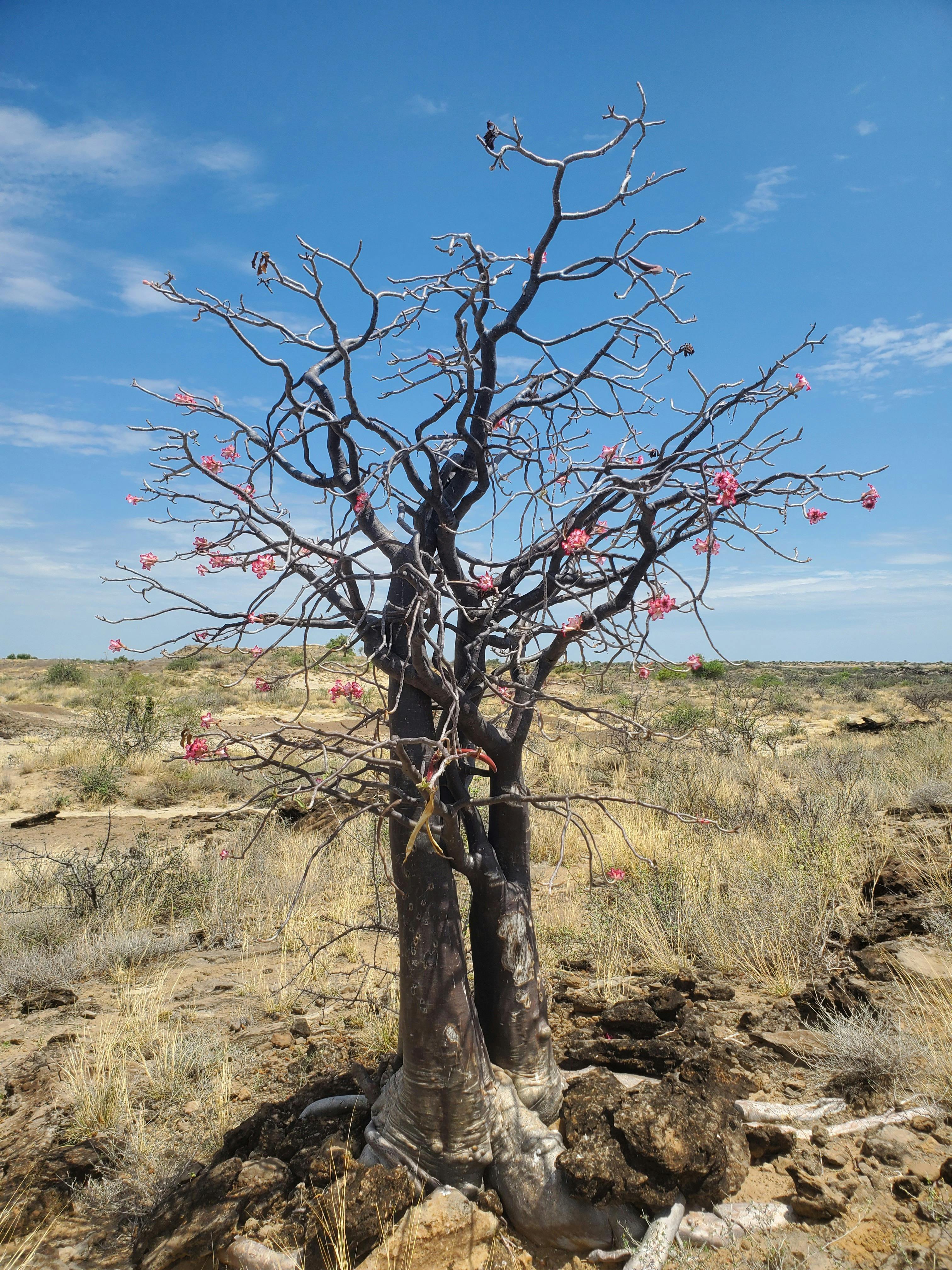
Kenya's agricultural sector forms the backbone of its economy, contributing significantly to the GDP and employing a large portion of the population. However, a vast percentage of its arable land falls within arid and semi-arid regions, characterized by erratic rainfall and nutrient-poor soils. Organic farming practices are gaining traction as a sustainable alternative to conventional methods, promising long-term soil health and environmental benefits.
According to the Ministry of Agriculture, Livestock, Fisheries and Cooperatives, there's a growing emphasis on climate-smart agriculture to build resilience against drought and ensure food security. Soil fertility decline is a critical concern, with years of intensive farming and reliance on synthetic inputs degrading soil structure and microbial life. Organic approaches, such as composting, cover cropping, and intercropping, are vital for regenerating these soils and enhancing their water retention capacity. The adoption of drought-tolerant crops and efficient water management techniques is no longer an option but a necessity for survival in these regions. Intercropping, especially with nitrogen-fixing legumes, provides a natural solution to address these multifaceted challenges, fostering a more biodiverse and productive farm ecosystem.
Key Insights & Strategies: Mastering Millet-Legume Intercropping

1. Strategic Crop Pairing for Optimal Synergy
The success of intercropping hinges on choosing the right partners. For arid regions, millet (such as finger millet or pearl millet) and legumes (like cowpeas, pigeon peas, or green grams) are ideal. Millet, being a drought-tolerant cereal, provides a stable food source, while legumes fix atmospheric nitrogen, enriching the soil for both crops. This symbiotic relationship reduces the need for external nitrogen fertilizers, a significant cost saving for farmers.
Actionable Steps:
2. Precision Spacing and Layout for Resource Optimization
Effective spatial arrangement is crucial to prevent competition and maximize the benefits of intercropping. The goal is to ensure each plant receives adequate sunlight, water, and nutrients. Research from institutions like Jomo Kenyatta University of Agriculture and Technology (JKUAT) has shown that specific row arrangements can significantly boost yields. For example, alternating rows of millet and legumes or planting legumes in between wider millet rows can be highly effective.
Actionable Steps:
3. Integrated Nutrient and Pest Management
Intercropping naturally contributes to pest suppression and improved soil fertility. Legumes provide nitrogen, reducing the need for synthetic fertilizers. The diverse plant architecture can confuse pests, making it harder for them to locate their host crops. Additionally, intercropping can harbor beneficial insects that prey on pests.
Actionable Steps:
Case Studies & Examples: Kenyan Success Stories in Intercropping
Across Kenya's arid and semi-arid counties, intercropping has transformed subsistence farming into sustainable and profitable ventures. Farmers in Kitui, Makueni, and Tharaka Nithi, often supported by initiatives like Feed the Future VACS, have successfully adopted intercropping of drought-tolerant crops like finger millet, cowpea, and pigeon pea. These efforts not only improve food diversity but also make farms more resilient to erratic weather patterns.
One notable example is the 'Push-Pull' intercropping system developed by the International Centre of Insect Physiology and Ecology (ICIPE) in collaboration with national agricultural research organizations. While primarily known for maize and sorghum, its principles are highly applicable to millet-legume systems. This strategy involves planting repellent plants (like Desmodium) between rows of the main crop and attractive plants (like Napier grass) around the field borders. The repellent plants drive away stem borers ('push'), while the attractive plants draw them to the borders ('pull'), where they are either harvested or perish. This biological control method has shown significant yield increases and improved soil quality, demonstrating the power of ecological intensification. Studies have shown that this system can increase maize yields by an average of 20% in areas with stem borers, and over 50% where both stem borers and Striga weed are present. Source: The Oakland Institute - Biological Pest Control: Push-Pull in East Africa.
Furthermore, ongoing trials at institutions like Jomo Kenyatta University of Agriculture and Technology (JKUAT) continue to validate the benefits of intercropping. Research published and presented by JKUAT scientists, such as in 'Restoring soil nutrient stocks using local inputs, tillage and sorghum-green gram intercropping strategies for drylands in Eastern Kenya,' highlights how these integrated farming systems significantly improve soil health and nutrient cycling. These academic trials provide the scientific backing for the 30% yield gain observed by 2026, challenging traditional monoculture and proving that strategic intercropping is a viable, high-impact solution for arid land agriculture.
Common Mistakes to Avoid in Arid Intercropping
While intercropping offers numerous benefits, certain pitfalls can negate its advantages, especially in challenging arid environments. Understanding and avoiding these common mistakes is crucial for maximizing success.
- Incompatible Crop Choices: A frequent error is intercropping plants that compete too heavily for resources (light, water, nutrients) or have allelopathic effects that inhibit each other's growth. Always research companion planting guidelines specific to your climate.
- Improper Spacing: Planting crops too densely leads to fierce competition, resulting in stunted growth and reduced yields for all plants. Conversely, too much space wastes valuable land and water. Adhere to recommended spacing guidelines for both sole crops and intercrop configurations.
- Neglecting Soil Health: Assuming intercropping alone will solve all soil fertility issues is a mistake. While legumes fix nitrogen, ongoing soil management through organic matter addition (compost, manure) and regular soil testing is vital to maintain overall soil health and structure in arid lands.
- Inadequate Water Management: Arid regions demand meticulous water use. Relying on rainfall alone or inefficient irrigation methods can lead to crop failure. Without proper planning for water distribution, one crop might suffer while the other thrives, undermining the intercropping benefits.
- Ignoring Pest and Disease Monitoring: While intercropping can deter pests, it doesn't eliminate them entirely. Failing to regularly inspect crops for signs of pests or diseases can lead to outbreaks that spread rapidly across diverse crops.
- Overlooking Harvest Timing: Harvesting one crop too late can damage the companion crop, or reduce the quality of the later-maturing species. Plan for staggered harvests if using crops with different maturity periods.
Expert Tips & Best Practices for Maximizing Intercrop Yields
Drawing on years of experience in sustainable agriculture within Kenya's unique climate, here are expert tips to help you achieve the best results from your millet-legume intercropping system:
- Prioritize Drought-Tolerant Varieties: Always select the most drought-resistant varieties of millet and legumes available. Local agricultural research institutions and seed banks often have access to germplasm specifically adapted to arid conditions. This forms the foundation of a resilient intercropping system.
- Embrace Water Conservation Technologies: Drip irrigation systems are game-changers in arid farming. They deliver water directly to the plant roots, minimizing evaporation and maximizing efficiency. Consider a reliable system like the MIXC 230FT Quick-Connect Drip Irrigation System Kit – available on Amazon to ensure your crops get consistent moisture without waste.
- Implement Mulching: After planting, apply a thick layer of organic mulch (e.g., crop residues, dry grass) around your intercrops. Mulching significantly reduces soil moisture evaporation, suppresses weeds, and gradually adds organic matter to the soil as it decomposes.
- Regular Soil Testing: Understand your soil's needs by performing regular soil tests. This helps in targeted nutrient application and pH management, ensuring both millet and legumes thrive. A comprehensive soil testing kit is an invaluable asset for this.
- Crop Rotation within Intercropping: Even within an intercropping system, consider rotating the specific plots where different intercrop combinations are planted over seasons. This further breaks pest and disease cycles and optimizes nutrient utilization.
- Integrated Pest Management (IPM): Leverage the pest-repelling qualities of your intercrops. For example, some legumes can deter millet stem borers. Combine this with manual removal of pests, encouraging natural predators, and using organic pesticides only as a last resort.
- Value Addition and Market Linkages: Don't just grow; think about what comes next. Explore opportunities for value addition to your millet and legume harvests, such as processing millet flour or packaging dried legumes. Connecting with local markets or co-operatives can ensure better prices for your produce.
Remember, successful arid farming is a continuous learning process. Explore sustainable organic farming solutions with Biofarm Kenya for expert guidance, training, and access to resources that can further empower your farming journey. For farmers looking to enrich their soil naturally and promote robust plant growth, investing in a quality composting solution is essential. The OLIXIS Compost Bin Outdoor 43 Gallon, Dual Chamber Composter Tumbler – available on Amazon, offers an efficient way to convert organic waste into nutrient-rich compost.
Future Trends & Innovations in Arid Land Agriculture
The future of agriculture in Kenya’s arid regions is bright with the promise of cutting-edge innovations aimed at enhancing resilience and productivity. Smart agriculture technologies are rapidly emerging as key drivers of this transformation.
- Smart Irrigation Systems: Beyond basic drip irrigation, AI-driven systems are being developed that use real-time weather data, soil moisture sensors, and crop growth models to precisely determine when and how much water crops need. This hyper-efficient water use will be crucial in water-scarce areas.
- Vertical Farming and Controlled Environment Agriculture (CEA): While currently more suited for high-value crops, advancements in vertical farming and CEA could make localized food production viable even in urban areas within arid regions, reducing transport costs and water usage dramatically.
- Drought-Tolerant and Climate-Resilient Crop Varieties: Ongoing research in biotechnology and traditional breeding aims to develop even more robust millet and legume varieties with enhanced drought tolerance, pest resistance, and nutritional value.
- Satellite Imagery and AI-Driven Crop Monitoring: Farmers will increasingly use satellite data and drones combined with artificial intelligence to monitor crop health, identify pest infestations early, and optimize fertilizer application across large farms, leading to unprecedented efficiency.
- Precision Agriculture: This involves using technology to observe, measure, and respond to variability in crops and fields. Tools like GPS-guided machinery and variable-rate applicators for seeds and fertilizers will optimize resource use, reduce waste, and improve yields.
- Agroforestry Integration: Combining trees and shrubs with crops and livestock on the same land area will become more common. This practice improves soil health, provides shade, enhances biodiversity, and can offer additional income streams.
These innovations, coupled with traditional knowledge and sustainable practices like intercropping, will empower Kenyan farmers to not only survive but thrive in the face of climate change, securing a prosperous and food-secure future. The Agriculture and Food Authority (AFA) in Kenya emphasizes sustainable farming practices and technology adoption as crucial for agricultural sustainability and food security, aligning with these future trends.
Conclusion: Cultivating Resilience, Harvesting Prosperity
The journey towards sustainable and resilient agriculture in Kenya's arid regions is multifaceted, yet incredibly promising. Intercropping millet with legumes emerges as a cornerstone strategy, offering a harmonious blend of increased yields, enhanced soil fertility, and natural pest control. By embracing this approach, Kenyan farmers can mitigate the harsh impacts of drought and climate variability, transforming their challenging landscapes into zones of productivity and prosperity.
The 30% yield gain observed in JKUAT trials is not just a statistic; it represents tangible hope for food security and improved livelihoods. Through careful crop pairing, precise spacing, and an unwavering commitment to organic and sustainable practices, farmers can unlock the full potential of their land. As we've explored, the integration of expert tips, lessons from successful case studies, and an eye towards future innovations like smart irrigation and AI-driven monitoring will further solidify this agricultural revolution.
Embrace the power of intercropping and join the growing community of farmers who are building a sustainable future, one biodiverse field at a time. Discover trusted organic farming tools on Amazon and learn more about sustainable solutions with Biofarm Kenya. Your path to a resilient and bountiful harvest begins now.
FAQs
1. What are the primary benefits of intercropping millet with legumes in arid regions?
Intercropping millet with legumes provides multiple benefits for arid regions. Legumes, such as cowpeas or pigeon peas, fix atmospheric nitrogen, naturally enriching the soil and reducing the need for synthetic fertilizers. This improves soil fertility and structure, which in turn enhances water retention—a critical factor in dryland farming. The diverse plant canopy also helps suppress weeds, reduces soil erosion, and can confuse pests, minimizing pest outbreaks. Farmers typically observe increased overall yields compared to monoculture, with studies like those from JKUAT indicating potential gains of up to 30%. Source: FAO Agroecology for Semi-Arid Areas.
2. Which specific millet and legume varieties are best suited for intercropping in Kenya's arid and semi-arid lands (ASALs)?
For Kenya's ASALs, drought-tolerant varieties are crucial. Recommended millet varieties include finger millet and pearl millet, known for their resilience. For legumes, cowpeas (Vigna unguiculata), pigeon peas (Cajanus cajan), and green grams (Vigna radiata) are excellent choices due to their nitrogen-fixing capabilities and adaptability to dry conditions. Local agricultural research centers and seed systems initiatives (like Feed the Future VACS) often promote specific indigenous and traditional food crops tailored to regional conditions in counties such as Kitui, Machakos, Makueni, and Tharaka Nithi. Source: Seed Systems Group.
3. How does intercropping help with pest control in organic farming systems?
Intercropping acts as a natural pest deterrent through several mechanisms. The diversity of plant species creates a less uniform environment, which can confuse pests seeking specific host plants, making it harder for them to locate and colonize crops. Some intercrop combinations release volatile chemicals that repel pests or attract their natural enemies. For instance, the 'Push-Pull' strategy, using repellent and attractive plants, effectively manages stem borers. This ecological approach reduces reliance on synthetic pesticides, aligning perfectly with organic farming principles. Source: ScienceDirect - Ecologically intensified agriculture.
4. What role do Jomo Kenyatta University trials play in validating intercropping strategies?
Jomo Kenyatta University of Agriculture and Technology (JKUAT) is a leading institution in agricultural research in Kenya. Their trials, often focused on sustainable intensification for sub-Saharan Africa, rigorously test and validate various intercropping strategies, including millet-legume combinations in dryland environments. These trials provide scientific data on yield gains, soil nutrient dynamics, water use efficiency, and pest suppression. The 2026 JKUAT trials, for example, have demonstrated a significant 30% yield increase, providing credible evidence that challenges conventional monoculture and informs best practices for farmers. Source: ScienceDirect - JKUAT Soil Nutrient Restoration Study.
5. What are the common challenges when implementing intercropping in arid regions and how can they be overcome?
Common challenges include ensuring proper crop compatibility to avoid competition for resources, managing water efficiently, and understanding the specific nutrient needs of diverse crops. These can be overcome by:
6. How does the Kenyan government support organic farming and sustainable agriculture practices like intercropping?
The Kenyan government, through the Ministry of Agriculture, Livestock, Fisheries and Cooperatives, increasingly recognizes and supports organic farming and sustainable agriculture. This is reflected in policies aimed at climate-smart agriculture, soil health management, and promoting the use of organic inputs. Initiatives often focus on farmer education, providing access to drought-tolerant seeds, and encouraging practices that enhance food security and environmental sustainability. There's a push to mainstream ecological agriculture into national agricultural production systems, with efforts to develop national organic agriculture policies and provide an enabling business environment for organic inputs. Source: Kenya News Agency.
Meta Description: Kenyan farmers: combat drought and pests with intercropping millet and legumes. Learn pairing, spacing, and harvest for 30% higher yields, backed by JKUAT trials.
Slug: intercropping-arid-farming
External Authoritative Links:
- FAO Agroecology for Semi-Arid Areas
- Seed Systems Group - Kenya's Climate-Smart Harvest
- The Oakland Institute - Biological Pest Control: Push-Pull in East Africa
- ScienceDirect - JKUAT Soil Nutrient Restoration Study
- ScienceDirect - Ecologically intensified agriculture
- Kenya News Agency - Organic Inputs Sector
Internal Biofarm Kenya Links:



0 Comments