

Estimated Reading Time: 9 minutes
- Yield Boost & Cost Savings: Intercropping maize with legumes can increase maize yields by up to 30% and significantly cut down on synthetic fertilizer costs, leading to better farmer profitability.Improved Soil Health: Legumes naturally fix nitrogen in the soil, enhancing its fertility and structure, reducing the need for external inputs, and improving long-term productivity.Climate Resilience: Diverse cropping systems like intercropping offer greater resilience to climate shocks such as drought and pest outbreaks, crucial for food security in Kenya.Optimized Practices: Success hinges on selecting the right legume varieties compatible with maize, optimizing spacing ratios (e.g., 2:1 maize:legume), and implementing effective pest management strategies.Sustainable Future: Adopting intercropping is a pivotal step towards a more sustainable and climate-smart agricultural sector in Kenya, aligning with national goals for food security and environmental stewardship.
Boost Kenyan Maize Yields with Sustainable Intercropping
As Kenya faces the undeniable impacts of climate change, including persistent droughts and alarming soil degradation, the resilience of its agricultural sector is increasingly tested. In this challenging environment, Kenyan farmers are increasingly seeking climate-smart practices to combat drought and soil degradation, ensuring food security and economic stability. This guide trains farmers to adopt intercropping legumes (e.g., beans or cowpeas) with maize, a method proven to increase yields by 30% while reducing synthetic fertilizer use. This age-old practice, revitalized with modern agricultural science, offers a robust solution to contemporary farming challenges.
Intercropping, the practice of growing two or more crops in proximity, provides a synergistic benefit that single-crop farming (monoculture) often lacks. For maize, Kenya’s staple food, pairing it with nitrogen-fixing legumes can be a game-changer. Key steps include selecting compatible legume varieties, optimizing spacing ratios (e.g., 2:1 maize:legume), and managing pests through crop diversity. Backed by KALRO’s 2025 field trials (anticipated to reinforce these findings), this approach challenges traditional monoculture norms and addresses rising input costs, paving the way for a more sustainable and productive agricultural landscape.
Background & Context

Kenya's agricultural sector is the backbone of its economy, contributing significantly to the GDP and providing livelihoods for a majority of the population. However, years of intensive monoculture and unsustainable practices have led to widespread soil degradation, nutrient depletion, and increased vulnerability to climatic shocks. The reliance on expensive synthetic fertilizers and pesticides further strains smallholder farmers' incomes, trapping many in a cycle of low productivity and high costs.
In this context, sustainable agriculture and organic farming practices are gaining critical importance. The move towards circular agriculture, as highlighted in various reports, emphasizes farming in harmony with nature, meeting social needs while reducing environmental impact. Practices like conservation tillage, crop rotation, agroforestry, and intercropping are vital in restoring soil health, conserving water, and enhancing biodiversity. These methods not only promise increased crop yields but also promote economic viability by reducing production costs and leveraging local resources.
The benefits of legumes, in particular, are well-documented. They provide essential food and livestock feed, contribute to soil and water conservation, and crucially, improve soil fertility through biological nitrogen fixation. This natural process enriches the soil, making nutrients more available for companion crops like maize and reducing the need for costly synthetic nitrogen fertilizers. Recognizing these advantages, organizations like KALRO (Kenya Agricultural and Livestock Research Organization) are actively researching and promoting integrated soil fertility management (ISFM) practices, including maize-legume intercropping, to enhance agricultural productivity and sustainability across Kenya.
Key Insights or Strategies for Successful Intercropping
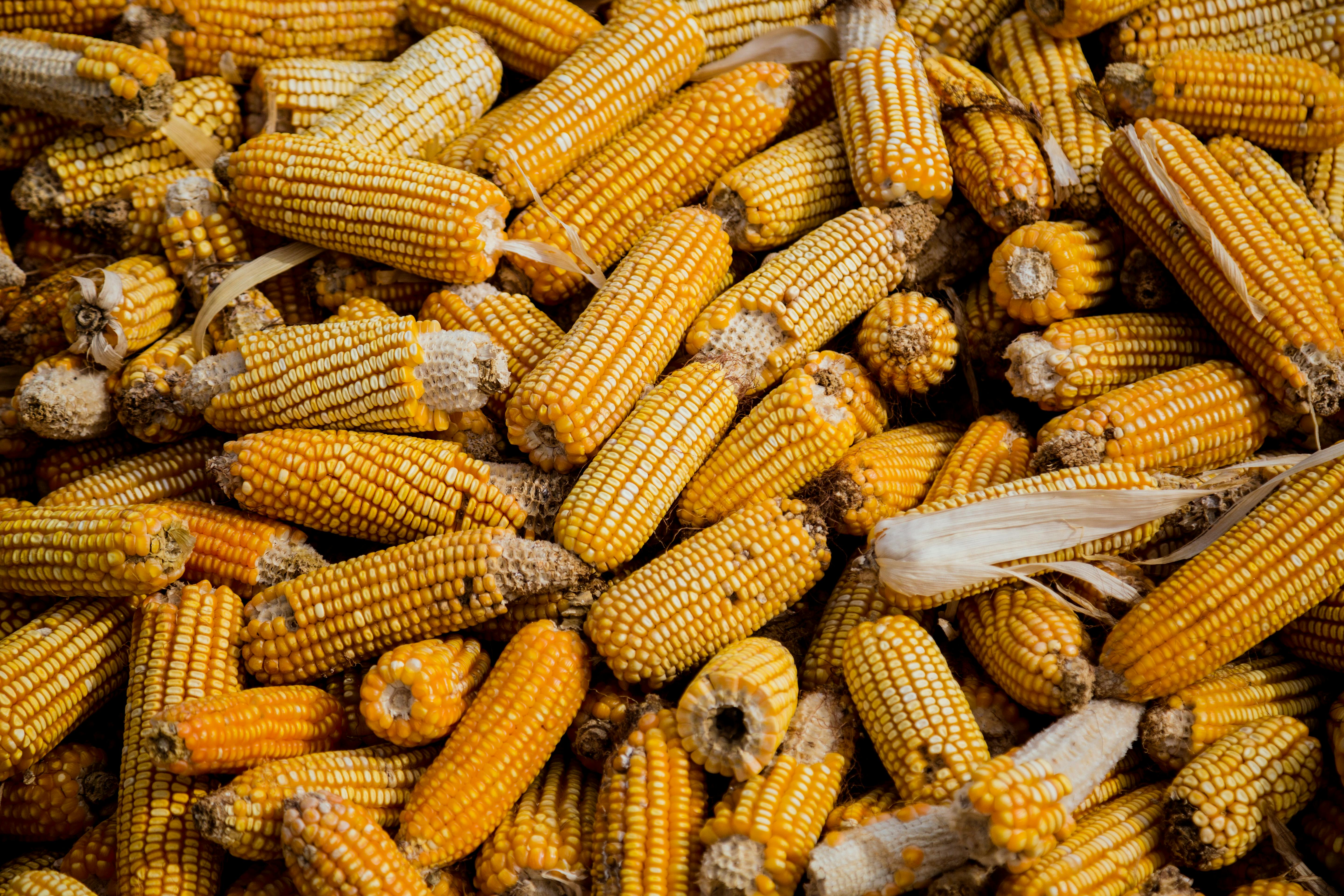
Adopting intercropping successfully requires careful planning and execution. Here are some key insights and strategies to maximize the benefits for your maize fields:
1. Selecting Compatible Legume Varieties
The choice of legume is paramount. Fast-growing, low-stature legumes like common beans (Phaseolus vulgaris), cowpeas (Vigna unguiculata), or groundnuts work well as they do not compete excessively with maize for sunlight. Varieties that mature at a similar time or slightly earlier than maize are ideal for staggered harvesting and nutrient cycling. Research local varieties that are known to thrive in your specific agro-ecological zone and are resistant to common pests and diseases.
For deeper insights into specific crop varieties and best practices, Explore sustainable organic farming solutions with Biofarm Kenya.
2. Optimizing Spacing Ratios and Planting Patterns
The right spacing ensures that both crops get sufficient light, water, and nutrients. A common and effective ratio is 2:1 maize to legume, meaning two rows of maize for every one row of legumes. Alternating rows, or even planting legumes between maize plants within the same row, can be explored depending on the maize variety and available land. Avoid overcrowding, as this can lead to competition and reduced yields for both crops.
To ensure your soil is perfectly balanced for optimal growth, consider using a reliable testing tool. Boost your yields with the SONKIR Soil pH Meter, MS02 3-in-1 Soil Moisture/Light/pH Tester – available on Amazon. This helps in understanding your soil's specific needs before and during planting.
3. Integrated Pest and Disease Management
Crop diversity inherently contributes to pest and disease management by breaking monoculture cycles and attracting beneficial insects. However, specific strategies are still needed. Monitor your crops regularly for early signs of pests or diseases. Employ cultural practices such as timely weeding, crop rotation in subsequent seasons, and physical barriers where appropriate. Organic pest control methods should be prioritized to maintain the ecological balance.
4. Water Management and Conservation
While intercropping can improve soil moisture retention due to increased ground cover, efficient water management remains crucial, especially in drought-prone regions. Techniques like drip irrigation, mulching, and rainwater harvesting can significantly enhance water use efficiency. Ensure that both crops receive adequate water, particularly during critical growth stages.
For efficient and targeted water delivery, particularly in arid and semi-arid regions, a robust drip irrigation system is invaluable. Maximize water efficiency and ensure consistent hydration for your intercropped fields with the Drip Irrigation Kit for Small Farms - Deluxe – available on Amazon. This system reduces water waste and delivers water directly to the plant roots.
5. Soil Fertility Management
Beyond nitrogen fixation, legumes also contribute organic matter to the soil upon decomposition, improving soil structure and nutrient holding capacity. Supplement this with organic fertilizers and compost to ensure a complete nutrient profile for optimal crop growth. Regular soil testing will help tailor nutrient management plans.
Case Studies, Examples, or Comparisons: Intercropping in Action
The success of intercropping is not merely theoretical; it's being demonstrated by progressive farmers and agricultural research institutions across Kenya. The Kenya Agricultural and Livestock Research Organization (KALRO) has been at the forefront of researching and promoting integrated soil fertility management (ISFM) practices, which include maize-legume intercropping. Their trials, especially in regions like Western Kenya, have consistently shown the benefits of these systems in enhancing food security and farmer incomes.
For instance, studies in regions prone to soil degradation and low rainfall have highlighted how intercropping maize with drought-tolerant legumes like cowpeas not only boosts maize yields but also significantly improves the nutritional status of households. Farmers participating in these programs often report reduced reliance on external inputs, leading to substantial cost savings. A report by the Food and Agriculture Organization (FAO) on sustainable land management in East Africa consistently advocates for such diversified cropping systems as key to climate change adaptation and mitigation.
In comparison to traditional monoculture systems, intercropping offers a 'natural insurance policy.' If one crop performs poorly due to adverse weather or pest attack, the other crop can still provide a harvest, safeguarding food security for smallholder farmers. Moreover, the enhanced biodiversity above and below ground creates a more resilient ecosystem, fostering beneficial insects and microbial activity that contribute to overall farm health. These examples underscore the practical and long-term advantages of moving beyond conventional farming methods.
Farmers in Kitale and Kakamega, for example, have reported significant yield increases after adopting maize-bean intercropping, alongside observable improvements in soil texture and reduced weed pressure. These tangible benefits are driving a gradual but steady shift in farming practices, demonstrating that sustainable agriculture is not just an environmental imperative but also an economic opportunity for Kenyan farmers looking to explore sustainable organic farming solutions with Biofarm Kenya.
Common Mistakes to Avoid in Intercropping
While intercropping offers numerous benefits, certain pitfalls can negate its advantages. Avoiding these common mistakes is crucial for successful implementation:
1. Poor Crop Compatibility Selection
A critical error is pairing crops that are highly competitive for resources or have conflicting growth habits. For example, intercropping maize with very tall or aggressively spreading legumes can lead to excessive shading and nutrient competition, reducing the yield of both crops. Always research and choose legume varieties that are known to be complementary to maize in your specific region.
2. Incorrect Spacing and Density
Overcrowding plants, whether maize or legumes, is a common mistake. Too many plants in a given area intensify competition for light, water, and nutrients, ultimately leading to lower individual plant performance and reduced overall yields. Conversely, too sparse planting wastes land and doesn't fully utilize the intercropping synergy.
3. Neglecting Soil Fertility Monitoring
Assuming that legumes will entirely negate the need for soil nutrient management is a mistake. While legumes fix nitrogen, other essential nutrients like phosphorus, potassium, and micronutrients are still crucial for optimal growth of both maize and legumes. Ignoring these can lead to nutrient deficiencies and stunted growth.
4. Inadequate Pest and Disease Management
While crop diversity can help with pest control, it doesn't eliminate the need for vigilance. Assuming intercropping alone will solve all pest and disease problems can lead to significant crop losses if outbreaks occur and are not managed proactively.
5. Ignoring Local Conditions and Farmer Experience
Blindly adopting intercropping methods without considering local agro-ecological conditions, soil types, rainfall patterns, and existing farmer knowledge can lead to suboptimal results. What works in one region may not be ideal for another.
Expert Tips or Best Practices for Maximizing Intercropping Benefits
To truly unlock the potential of intercropping, Kenyan farmers can integrate these expert tips and best practices into their farming routines, ensuring healthier soil, higher yields, and greater resilience.
1. Embrace Early Planning and Varietal Research
Success begins long before planting. Thoroughly research and plan your intercropping system. Look for maize and legume varieties that are locally adapted, disease-resistant, and have complementary growth cycles. Consider the maturity periods to ensure you can manage harvesting without unduly disturbing the companion crop. Consulting KALRO's variety recommendations can provide an excellent starting point.
2. Prioritize Soil Health and Organic Inputs
Intercropping thrives on healthy soil. Beyond the nitrogen fixation from legumes, consistently enrich your soil with organic matter. Regularly apply well-decomposed compost or farmyard manure. This improves soil structure, water retention, and microbial activity, which are all critical for a vibrant intercropping system.
To kickstart your composting efforts and enrich your soil naturally, consider an effective compost accelerator. Maintain healthy soil with Jobe's Organics Fast Acting Granular Fertilizer Compost Starter – available on Amazon, which helps break down organic matter quickly.
3. Implement Precision Planting Techniques
Accurate spacing is crucial. Use measuring tools or marked ropes to ensure consistent inter-row and intra-row spacing for both maize and legumes. This prevents competition, allows for better light penetration, and facilitates easier farm operations like weeding and harvesting. Precision in planting translates directly to optimal resource utilization.
4. Optimize Water Use Through Mulching and Drip Systems
Water scarcity is a persistent challenge. Implement mulching using crop residues around your plants. This significantly reduces evaporation, conserves soil moisture, suppresses weeds, and regulates soil temperature. For more control, especially in dry periods, a targeted drip irrigation system can deliver water directly to the root zone, minimizing waste.
5. Monitor and Adapt Continuously
Farming is an iterative process. Regularly observe your intercropped fields for signs of nutrient deficiencies, pest pressure, or disease outbreaks. Keep detailed records of planting dates, weather conditions, inputs used, and yields. This data will inform your decisions for subsequent seasons, allowing you to fine-tune your practices and continuously improve.
For comprehensive guidance and resources on these and other sustainable farming methods, Explore sustainable organic farming solutions with Biofarm Kenya. They offer valuable insights and support for farmers transitioning to more resilient practices.
Future Trends or Predictions in Sustainable Kenyan Agriculture
The future of Kenyan agriculture is poised for transformative change, driven by innovation, technology, and a renewed commitment to sustainability. As climate challenges intensify, the adoption of climate-smart agricultural practices will only accelerate, with intercropping serving as a foundational element of these broader trends.
1. Smart Irrigation Systems and Water Conservation
Expect to see a greater proliferation of smart irrigation technologies, including sensor-based systems that monitor soil moisture and weather conditions to deliver water precisely when and where it's needed. This will be critical for a water-stressed nation. Initiatives to capture and store rainwater, combined with efficient delivery mechanisms, will become standard practice, moving beyond traditional methods to conserve every drop.
2. Precision Agriculture and AI-Driven Crop Monitoring
The integration of artificial intelligence (AI) and machine learning into farming practices will become more common. Drones equipped with multispectral cameras will monitor crop health, identify pest infestations, and detect nutrient deficiencies with unprecedented accuracy. This precision agriculture will enable farmers to apply inputs only where necessary, reducing waste and increasing efficiency.
3. Enhanced Seed Varieties and Biotechnology
Research and development will continue to produce more resilient and high-yielding crop varieties. This includes drought-tolerant maize and legume varieties specifically bred for intercropping systems. Biotechnology may also play a role in developing crops with enhanced nutrient uptake efficiency or natural resistance to common diseases, further bolstering food security.
4. Vertical Farming and Urban Agriculture Expansion
As urbanization continues, vertical farming and other forms of controlled-environment agriculture will gain traction, particularly in urban and peri-urban areas. These methods use significantly less land and water, offer higher yields per square foot, and allow for year-round production, complementing traditional field farming and addressing local food demands.
5. Circular Economy Principles in Agriculture
The concept of a circular economy, where waste is minimized and resources are reused, will become more ingrained in agricultural practices. This means converting farm waste into organic fertilizers, utilizing biogas from animal waste, and creating closed-loop systems that reduce external inputs and maximize resource efficiency. This holistic approach will redefine sustainability in Kenyan farming.
These trends collectively paint a picture of a dynamic and evolving agricultural sector in Kenya, one that leverages innovation to build resilience, enhance productivity, and secure a sustainable food future for all.
Conclusion
The journey towards a sustainable and food-secure Kenya hinges on embracing innovative yet time-tested agricultural practices like intercropping maize with legumes. This comprehensive guide has underscored how this climate-smart approach not only promises a significant boost in maize yields—up to 30%—but also drastically reduces the reliance on costly synthetic fertilizers, fostering healthier soils and more resilient farming systems. By meticulously selecting compatible crop varieties, optimizing spacing, practicing integrated pest management, and prioritizing soil health, Kenyan farmers can transform their farms into beacons of productivity and environmental stewardship.
The benefits extend beyond individual farm productivity, contributing to national food security, economic stability, and environmental sustainability. As we look to the future, the trends in smart irrigation, precision agriculture, and circular economy principles will further amplify the impact of such sustainable methods. Embracing these practices is not just about farming smarter; it's about investing in a prosperous and resilient future for every Kenyan farmer and for the nation as a whole.
Discover trusted organic farming tools on Amazon and learn more about sustainable solutions with Biofarm Kenya.
FAQs
Q1: What are the primary benefits of intercropping maize with legumes in Kenya?
A1: Intercropping maize with legumes offers multiple benefits for Kenyan farmers, including increased maize yields (up to 30%), enhanced soil fertility through biological nitrogen fixation, reduced need for synthetic fertilizers, improved pest and disease management due to crop diversity, better weed suppression, and greater resilience to climate shocks like drought. It also provides an additional food source from the legume crop, contributing to household nutrition and income. For more details on sustainable practices, refer to the Netherlands-Kenya report on Circular Agriculture.
Q2: Which legume varieties are best suited for intercropping with maize in Kenyan conditions?
A2: Common beans (Phaseolus vulgaris), cowpeas (Vigna unguiculata), and groundnuts (Arachis hypogaea) are excellent choices for intercropping with maize in Kenya. These legumes are well-adapted to various Kenyan agro-ecological zones and have complementary growth habits that minimize competition with maize. It's crucial to select local varieties known for their disease resistance and suitability to your specific climate and soil type. Biofarm Kenya offers guidance on suitable crop varieties for diverse farming systems.
Q3: How does intercropping contribute to soil fertility and reduce fertilizer costs?
A3: Legumes have a symbiotic relationship with nitrogen-fixing bacteria in their root nodules, converting atmospheric nitrogen into a form usable by plants. This process enriches the soil with natural nitrogen, benefiting the companion maize crop and reducing the need for costly synthetic nitrogen fertilizers. Additionally, legume residues, when incorporated into the soil, add organic matter, improving soil structure, water retention, and overall nutrient availability. For soil health management, consult resources from the Kenya Agricultural and Livestock Research Organization (KALRO).
Q4: What are the optimal spacing ratios for maize-legume intercropping?
A4: Optimal spacing depends on the specific maize and legume varieties and local conditions. A commonly recommended and effective ratio is 2:1 (two rows of maize for every one row of legumes), or alternating rows. Some farmers also plant legumes between maize plants within the same row, ensuring proper spacing to avoid overcrowding. It is often beneficial to plant legumes 2-3 weeks after maize to give the maize a head start. Experimentation and consulting local extension services can help determine the best ratios for your farm. Explore Biofarm Kenya's resources for practical planting guides.
Q5: Can intercropping help in managing pests and diseases in maize farms?
A5: Yes, intercropping plays a significant role in integrated pest and disease management. The increased crop diversity breaks monoculture cycles, which can confuse pests, disrupt their life cycles, and prevent the rapid spread of diseases. It can also attract beneficial insects that prey on common maize pests. For instance, some legumes release compounds that deter pests or act as trap crops. This biodiversity creates a more balanced ecosystem, reducing the reliance on chemical pesticides. The National Environment Management Authority (NEMA) advocates for ecological approaches to pest control.
Q6: Where can Kenyan farmers find more support and resources for sustainable intercropping?
A6: Kenyan farmers can access support and resources from several organizations. The Kenya Agricultural and Livestock Research Organization (KALRO) provides research-backed recommendations and extension services. Local agricultural cooperatives and farmer groups offer peer learning and practical advice. Non-governmental organizations (NGOs) focused on sustainable agriculture often run training programs and provide resources. Additionally, online platforms and marketplaces like Biofarm Kenya provide comprehensive information, sustainable farming solutions, and a network for farmers seeking to adopt and optimize intercropping and other climate-smart practices.



0 Comments