

Estimated Reading Time: 8 minutes
TL;DR:
Key Takeaways:
Introduction: Cultivating a Greener Future with Biopesticides
In the vibrant agricultural landscape of Kenya, a silent revolution is underway. Farmers, facing rising health concerns and chemical resistance, are increasingly seeking sustainable alternatives to conventional chemical pesticides. This growing demand for eco-friendly solutions is driving a significant shift towards biological pest control methods. The imperative to train farmers to implement biopesticides (e.g., neem extract, Bacillus thuringiensis) and integrated pest management (IPM) is paramount for ensuring both crop health and human well-being.
The Kenya Agricultural and Livestock Research Organization (KALRO) projects compelling evidence, showing that biopesticides can reduce crop damage by an impressive 40% while simultaneously cutting input costs, a finding expected to be widely recognized by 2025. This article aims to empower Kenyan farmers with the knowledge and tools to master biopesticides, guiding them through practical steps: from training on local biopesticide recipes and monitoring pests using pheromone traps to combining these strategies with beneficial insects like ladybugs. Embrace this change, and step into a future of sustainable, profitable farming.
Background & Context: Kenya's Agricultural Shift Towards Sustainability
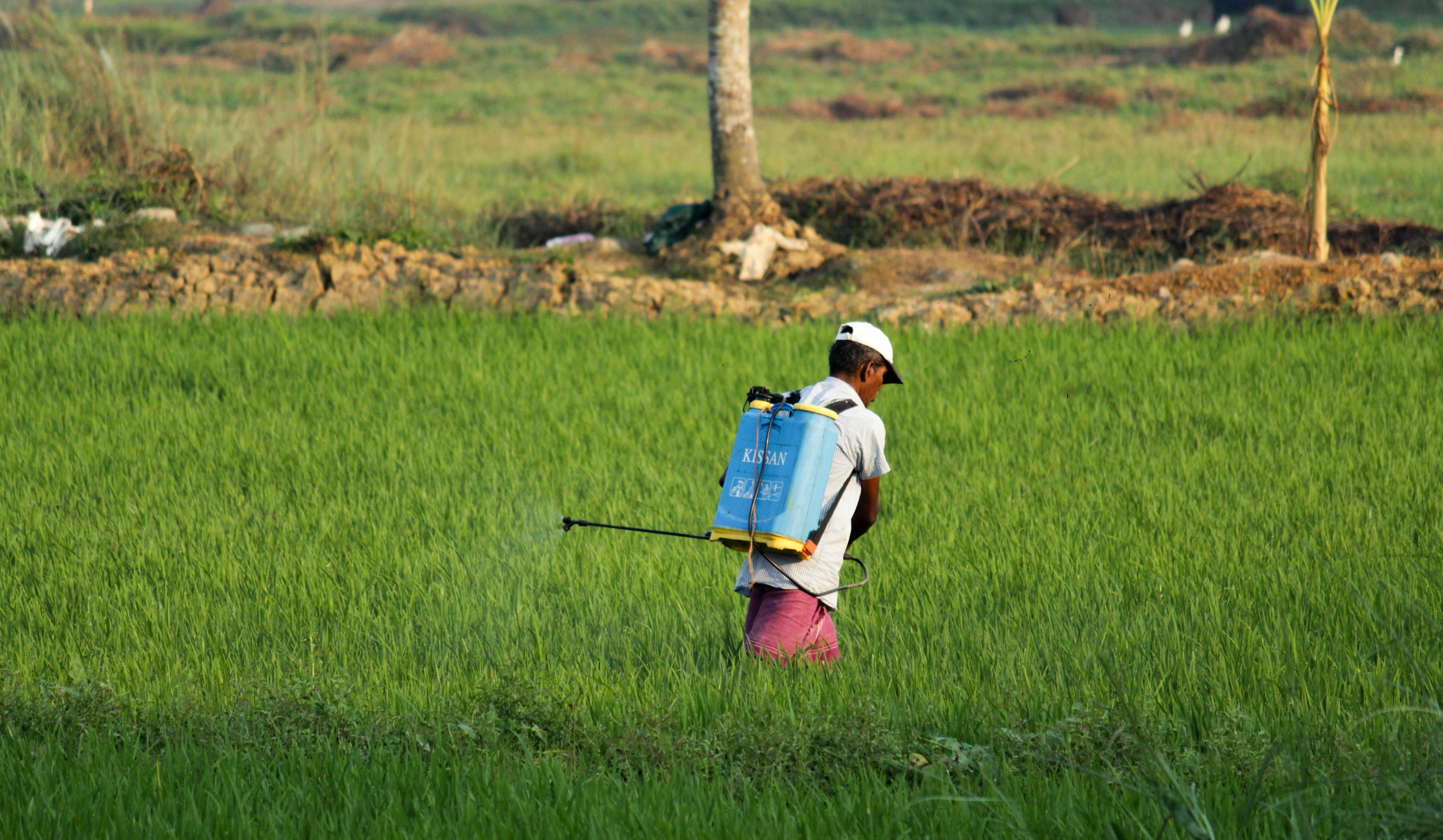
Kenya's agricultural sector is the backbone of its economy, contributing significantly to the GDP and providing livelihoods for a large portion of the population. However, decades of reliance on synthetic chemical pesticides have led to pressing environmental and health challenges, including soil degradation, water pollution, and pesticide residues in food. These issues have spurred a critical re-evaluation of farming practices, accelerating the adoption of organic and sustainable agriculture methods across the nation.
The growth of organic farming in Kenya is not merely a trend but a necessity. Statistics from the Organic Agriculture Centre of Kenya (OACK) indicate a steady increase in certified organic land and farmers, signaling a robust movement towards ecological farming principles. Farmers are recognizing that healthy soil is the foundation of healthy crops, and sustainable practices, including the use of biopesticides, are vital for maintaining soil fertility and biodiversity. This systemic shift is crucial for Kenya's food security and economic resilience in the face of climate change.
Key Insights & Strategies for Biopesticide Implementation
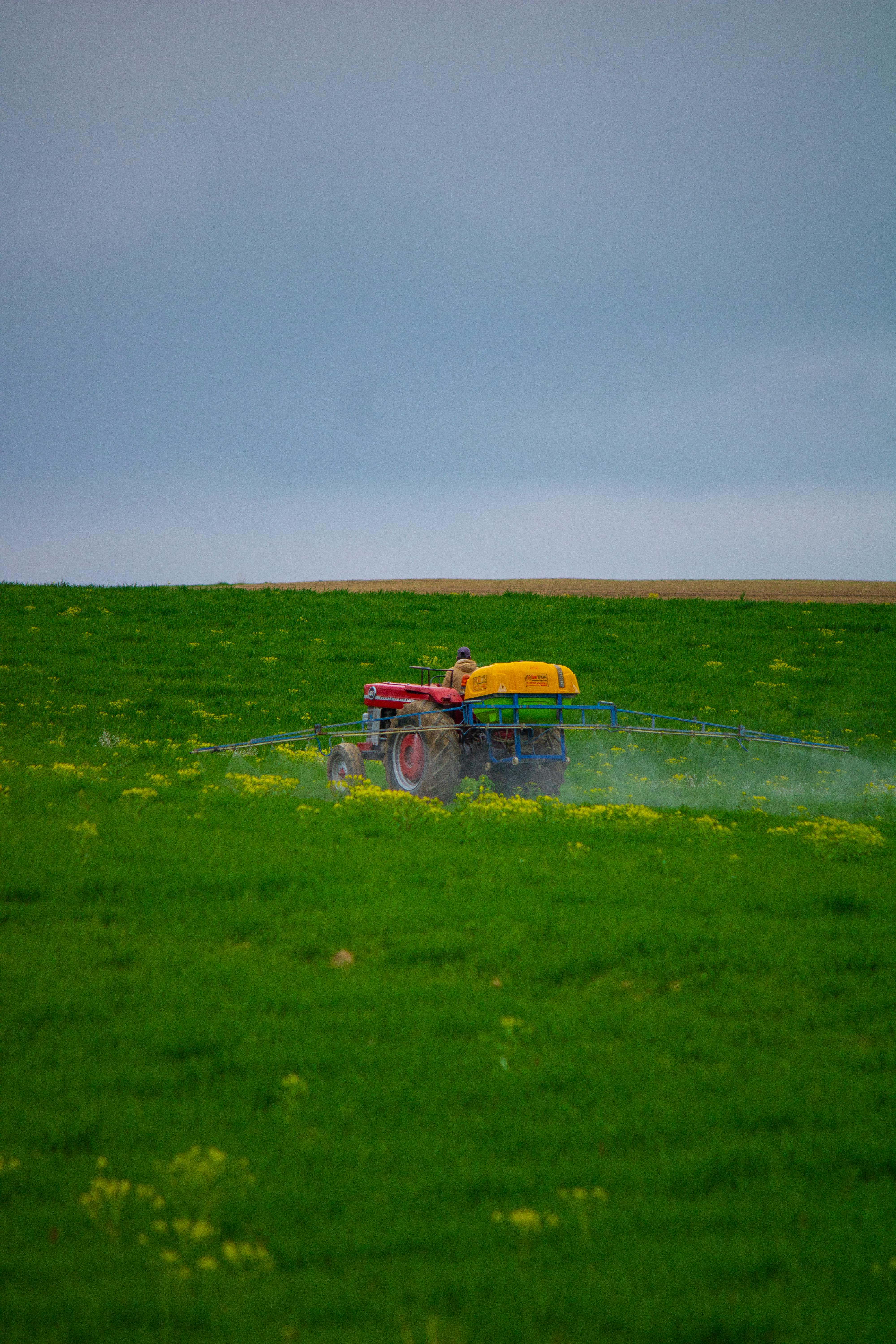
Successfully integrating biopesticides into your farming routine requires a strategic approach. It's about understanding your ecosystem, making informed choices, and applying these natural solutions effectively. Here are key insights and actionable strategies for Kenyan farmers:
1. Understanding Your Farm Ecosystem and Pest Cycles
Before applying any biopesticide, it's crucial to understand the specific pests affecting your crops and their life cycles. This knowledge allows for precise and timely application, maximizing effectiveness. Regularly scout your fields, identify common pests like aphids, whiteflies, or fall armyworms, and observe their population dynamics. This proactive monitoring is the first step in any successful IPM strategy.
2. Local Biopesticide Recipe Training and Preparation
Many effective biopesticides can be prepared using readily available local materials, reducing costs and promoting self-sufficiency. Training on local biopesticide recipes, such as those derived from neem, garlic, or chili, empowers farmers with practical, sustainable solutions. Neem extract, for instance, acts as an antifeedant, repellent, and growth disruptor for many insects, offering broad-spectrum protection.
For farmers looking to implement effective organic pest control, consider The Grow Co Organic Neem Oil - Pure Concentrate, Cold Pressed – available on Amazon. This product is an excellent foundation for creating your own powerful biopesticide solutions.
3. Integrated Pest Management (IPM) Beyond Biopesticides
IPM is a holistic approach that combines various methods to manage pests in an ecologically sound manner. Beyond biopesticides, IPM includes cultural practices, physical controls, and the conservation of natural enemies. Monitoring pests using pheromone traps is a critical component, allowing farmers to detect pest incursions early and assess population levels before they become severe.
To accurately monitor pest populations and ensure timely interventions, the HEDO Delta Pheromone Trap with Tuta Lure for Tomato Leaf Miner (Tomato absoluta) Control – available on Amazon, offers a targeted solution for specific threats. Discover more innovative and sustainable organic farming solutions with Biofarm Kenya.
Case Studies: Kenyan Farmers Thriving with Biopesticides
Across Kenya, numerous farmers are demonstrating the viability and profitability of transitioning to biopesticide-based crop protection. Their success stories serve as powerful testaments to the potential of sustainable agriculture.
In Bungoma County, Mama Sarah, a small-scale maize farmer, struggled for years with fall armyworm infestations that decimated her yields. After attending a local agricultural workshop on IPM, she learned to prepare and apply a biopesticide made from neem seeds and integrated pheromone traps to monitor pest activity. Within two seasons, Mama Sarah reported a significant reduction in crop damage, estimating a 30% increase in her maize harvest, attributing her success directly to the change in pest management strategy. Her farm has become a model for other farmers in her community, showcasing the economic benefits of going organic.
Another inspiring example comes from the horticultural rich region of Naivasha, where a group of flower farmers embraced biopesticides to combat spider mites and thrips. Initially hesitant due to concerns about efficacy and transition costs, they adopted Bacillus thuringiensis (Bt) for caterpillars and introduced predatory mites. The shift not only helped them meet stringent export standards for residue-free produce but also significantly improved the health of their farm workers by reducing exposure to harmful chemicals. This case, documented by the Food and Agriculture Organization (FAO) in Kenya, highlights how biopesticides contribute to both environmental sustainability and market access.
Common Mistakes to Avoid in Biopesticide Application
While biopesticides offer immense advantages, their effective application requires careful attention to detail. Farmers often make certain mistakes that can reduce their efficacy or lead to suboptimal results. Awareness of these pitfalls is key to successful implementation.
1. Incorrect Timing of Application
One of the most common errors is applying biopesticides at the wrong time. Unlike broad-spectrum chemical pesticides that can often kill adult pests on contact, biopesticides often target specific life stages (e.g., larvae or eggs) or require ingestion. Applying them when adult pest populations are already high and damage is severe can be less effective. It is crucial to apply biopesticides preventatively or at the earliest signs of pest infestation, targeting vulnerable life stages.
2. Improper Storage and Handling
Biopesticides, especially those containing living microorganisms, are sensitive to environmental conditions like heat, direct sunlight, and extreme temperatures. Improper storage can reduce their viability and effectiveness. Always follow manufacturer guidelines for storage, typically in a cool, dark place, and use them within their shelf life. Similarly, improper handling during mixing and application, such as using chlorinated water without neutralization or mixing with incompatible chemicals, can degrade the active ingredients.
3. Lack of Proper Identification and Monitoring
Applying a general biopesticide without accurately identifying the pest can lead to wasted effort and resources. Different biopesticides target specific pests or pest groups. A failure to continuously monitor pest populations means farmers might apply biopesticides too late or too frequently, leading to suboptimal control or unnecessary expense. Consistent scouting and record-keeping are vital for making informed decisions.
Expert Tips & Best Practices for Maximizing Biopesticide Efficacy
To truly master biopesticides and unlock their full potential for sustainable crop protection, consider these expert tips and best practices tailored for the Kenyan farming context. These strategies will enhance the effectiveness of your biopesticide applications and contribute to a healthier farm ecosystem.
1. Conduct Regular Soil Health Assessments
Healthy soil is the foundation of resilient plants that can better withstand pest and disease pressure. Regular soil testing helps you understand your soil's pH, nutrient levels, and organic matter content, enabling you to make informed decisions about fertilization and soil amendments. This proactive approach ensures your crops are strong and less susceptible to pest attacks, making biopesticides even more effective as a secondary line of defense.
For an accurate understanding of your farm's foundation, the HSLGOVE 4-in-1 Soil Test Kit – Soil Moisture Meter, pH, Light Intensity, and Fertility Tester – available on Amazon is an invaluable tool for any farmer serious about sustainable practices.
2. Focus on Preventative Measures and Early Intervention
The strength of biopesticides often lies in their preventative and early intervention capabilities. Instead of waiting for a severe infestation, apply biopesticides when pest pressure is low or at the first sign of a problem. This approach disrupts pest life cycles before they can cause significant damage. Implementing crop rotation, proper sanitation, and using pest-resistant crop varieties are also critical preventative measures.
3. Integrate with Beneficial Insects
One of the greatest advantages of biopesticides is their compatibility with beneficial insects. Unlike many chemical pesticides that harm both pests and their natural enemies, biopesticides are often selective. Actively encourage and introduce beneficial insects like ladybugs, lacewings, and predatory mites into your farm. These natural allies will work in conjunction with your biopesticides to provide a robust, multifaceted pest control system.
4. Water Quality Matters for Application
The quality of water used to mix biopesticides can significantly impact their efficacy. High pH water or water containing chlorine can degrade the active ingredients of some biopesticides, especially microbial ones. Whenever possible, use rainwater or filtered water. If tap water is your only option, let it sit for 24 hours to allow chlorine to dissipate, or use a pH buffer to adjust the water to the recommended range for your specific biopesticide.
5. Continuous Learning and Adaptation
Sustainable farming is an evolving field. Stay updated with the latest research, attend workshops, and share experiences with other farmers. Pest pressures, environmental conditions, and available biopesticide products can change. Continuous learning and a willingness to adapt your strategies based on observations and new information are crucial for long-term success in biopesticide application. For comprehensive guides and resources, explore sustainable organic farming solutions with Biofarm Kenya.
Future Trends: Innovating Crop Protection in Kenya
The future of crop protection in Kenya is bright, driven by innovation and a growing commitment to sustainability. Emerging technologies and evolving agricultural practices promise to make biopesticide implementation even more efficient, precise, and accessible for farmers across the nation.
One significant trend is the rise of smart irrigation systems. These systems use sensors to monitor soil moisture levels and weather patterns, delivering water precisely when and where it's needed. This optimizes plant health, making crops more resilient to pests, and ensures that biopesticides, which often require specific moisture conditions for activation, are applied in an ideal environment. Vertical farming and controlled environment agriculture (CEA) are also gaining traction, particularly in urban and peri-urban areas. These methods offer precise control over environmental factors, significantly reducing pest pressure and creating optimal conditions for biopesticide efficacy.
Furthermore, artificial intelligence (AI) and drone technology are revolutionizing pest monitoring and application. Drones equipped with advanced imaging can rapidly scout vast areas, identifying pest hotspots and enabling targeted biopesticide application, reducing waste and increasing efficiency. AI-driven analytics can predict pest outbreaks based on historical data and environmental factors, allowing farmers to take preventative action. These innovations, coupled with ongoing research into new biopesticide formulations and delivery methods, are set to transform crop protection in Kenya, making it more sustainable, productive, and profitable for all.
Conclusion: Harvesting Healthier Profits, Naturally
The journey towards mastering biopesticides for sustainable crop protection is not just about adopting new products; it's about embracing a paradigm shift in how we approach agriculture. For Kenyan farmers, this means moving beyond the reactive use of synthetic chemicals to a proactive, integrated, and environmentally conscious system.
As we've explored, the benefits are profound: a significant reduction in crop damage by 40% and considerable cost savings, as evidenced by 2025 KALRO trials. Beyond the economic gains, the shift to biopesticides ensures healthier produce for consumers, safer working conditions for farmers, and a more resilient environment for future generations. By training on local biopesticide recipes, implementing vigilant pest monitoring with tools like pheromone traps, and harnessing the power of beneficial insects, farmers can cultivate healthier crops and richer soils.
The path to sustainable agriculture is a continuous one, demanding ongoing learning and adaptation. But with the right knowledge, tools, and a commitment to ecological principles, Kenyan farmers can lead the way in demonstrating that agricultural productivity and environmental stewardship are not mutually exclusive. Embrace this greener future, harvest healthier profits, and play a vital role in securing Kenya's food sovereignty. Discover trusted organic farming tools on Amazon and learn more about sustainable solutions with Biofarm Kenya.
FAQs: Your Biopesticide Questions Answered
1. What are biopesticides and how do they differ from chemical pesticides?
Biopesticides are naturally occurring substances or organisms (e.g., bacteria, fungi, plant extracts) that control pests. They differ from chemical pesticides in their mode of action, typically being more target-specific, having shorter residual effects, and posing lower risks to human health and the environment. Chemical pesticides are synthetic compounds designed for broad-spectrum killing, often with longer persistence and potential for harmful environmental impacts. Learn more about biopesticides from the EPA.
2. How effective are biopesticides compared to synthetic chemicals?
Biopesticides can be highly effective, especially when integrated into a comprehensive Integrated Pest Management (IPM) program. While they might not always provide the rapid, immediate knockdown of some chemical pesticides, their sustained action, specificity, and ability to prevent resistance development often lead to more sustainable and long-term pest control. KALRO trials show they can reduce crop damage by 40% when implemented correctly. Visit the KALRO website for research insights.
3. Can biopesticides be used in organic farming?
Yes, biopesticides are a cornerstone of organic farming. They are derived from natural sources and align with organic principles of ecological balance, biodiversity, and sustainable resource management. Most certified organic standards allow the use of approved biopesticides as part of an organic pest control strategy. Explore Biofarm Kenya's guide to organic farming standards.
4. What are some common examples of biopesticides available in Kenya?
In Kenya, common biopesticides include neem-based products (derived from the neem tree, Azadirachta indica), which act as repellents and antifeedants. Others include formulations of the bacterium Bacillus thuringiensis (Bt), effective against various caterpillars, and fungal biopesticides like Beauveria bassiana, used to control insects like aphids and whiteflies. The Ministry of Agriculture, Livestock, Fisheries and Cooperatives provides resources on available agricultural inputs.
5. What is Integrated Pest Management (IPM) and why is it important with biopesticides?
IPM is a sustainable approach to managing pests by combining a range of methods including biological, cultural, physical, and chemical tools in a way that minimizes economic, health, and environmental risks. It's crucial with biopesticides because they work best within a holistic system. IPM emphasizes prevention, monitoring, and using biopesticides as targeted tools rather than standalone solutions. Learn more about sustainable agriculture and IPM from UNEP.
6. How can small-scale farmers access training and resources for biopesticide use in Kenya?
Small-scale farmers in Kenya can access training and resources through various channels. Local agricultural extension services, non-governmental organizations (NGOs) focused on sustainable agriculture, farmer cooperatives, and institutions like KALRO regularly conduct workshops and field demonstrations. Online platforms and community-based learning initiatives are also growing. Partner with Biofarm Kenya for access to training programs and support.
External Authoritative Links:
Internal Biofarm Kenya Links:



0 Comments