

Estimated Reading Time: 11 minutes
TL;DR: Sustainable Integrated Pest Management (IPM) offers Kenyan farmers a powerful alternative to costly chemical pesticides, enhancing profitability and environmental health. By integrating pest monitoring, biological controls, and crop rotation, farmers can reduce input costs, improve yields, and achieve significant net profit increases. Embracing IPM is a strategic move towards a more resilient and financially rewarding agricultural future for Kenya.
Key Takeaways:
- IPM significantly reduces reliance on expensive chemical pesticides, improving farm profitability.
- Effective pest monitoring with tools like pheromone traps is crucial for timely and targeted interventions.
- Biocontrol agents and natural solutions, such as neem-based sprays, offer sustainable and cost-effective pest management.
- Crop rotation is a fundamental IPM strategy that disrupts pest life cycles and enhances soil health.
- Adopting IPM can lead to a proven increase in net profits, making it a viable long-term solution for Kenyan agriculture.
Table of Contents
- Introduction: Cultivating Prosperity with Sustainable IPM
- Background & Context: The Shifting Tides of Kenyan Agriculture
- Key Insights & Strategies: Mastering IPM for Maximum Impact
- Case Studies, Examples, or Comparisons: IPM Success Stories Across Kenya
- Common Mistakes to Avoid: Navigating the IPM Journey
- Expert Tips & Best Practices: Implementing IPM with Confidence
- Future Trends & Predictions: The Evolution of Sustainable Agriculture in Kenya
- Conclusion: Harvesting a Sustainable Future with IPM
- Frequently Asked Questions (FAQs)
Introduction: Cultivating Prosperity with Sustainable IPM
The backbone of Kenya’s economy, agriculture, faces an intricate web of challenges ranging from climate change to volatile market prices. Amidst these, one significant hurdle for many smallholder farmers has been the escalating cost and decreasing effectiveness of synthetic chemical pesticides. For too long, the 'chemical-only' approach has been the default, leading to not only financial strain but also environmental degradation and health concerns. However, a transformative shift is underway, with Kenyan farmers are increasingly seeking alternatives to chemical pesticides due to rising costs and resistance. Integrated Pest Management (IPM) offers a sustainable solution that harmonizes profitability with ecological responsibility.
This comprehensive guide from Biofarm Kenya delves deep into how IPM can revitalize your farm, boost your income, and secure a healthier future for your land and family. We will explore how simple, science-backed strategies can dramatically cut input costs and significantly enhance your net profits. Through monitoring pest populations using pheromone traps (proven to reduce pesticide use by 40% in 2025 trials), deploying biocontrol agents like neem-based sprays (shown to cut costs by 30% while maintaining yields), and rotating crops to disrupt pest cycles, farmers are witnessing tangible success. A 2026 study by Kenya’s Ministry of Agriculture highlights IPM’s role in boosting net profits by 25% over three years. Farmers skeptical of 'chemical-only' methods are adopting IPM after witnessing success in counties like Nakuru and Bungoma, proving that a balanced approach is not only possible but also highly profitable.
Background & Context: The Shifting Tides of Kenyan Agriculture

Kenya's agricultural sector is at a crossroads. While conventional farming has contributed significantly to food security, its long-term sustainability is questioned by the increasing prevalence of chemical-resistant pests, soil degradation, and water pollution. The reliance on external, often imported, chemical inputs makes farmers vulnerable to global price fluctuations, directly impacting their livelihoods. Organic farming and sustainable agriculture practices are not just buzzwords; they represent a viable pathway to resilience and self-sufficiency.
Data from the Kenya National Bureau of Statistics (KNBS) indicates a growing interest in organic and sustainable practices, with a noticeable increase in certified organic land and producers. This paradigm shift is driven by consumer demand for healthier produce and farmers' desire for economically viable and environmentally sound methods. Soil fertility, a cornerstone of productive agriculture, has also been a major concern. Sustainable practices, including IPM, directly address this by promoting soil health through reduced chemical usage and increased biodiversity, fostering a thriving ecosystem both above and below ground.
Key Insights & Strategies: Mastering IPM for Maximum Impact
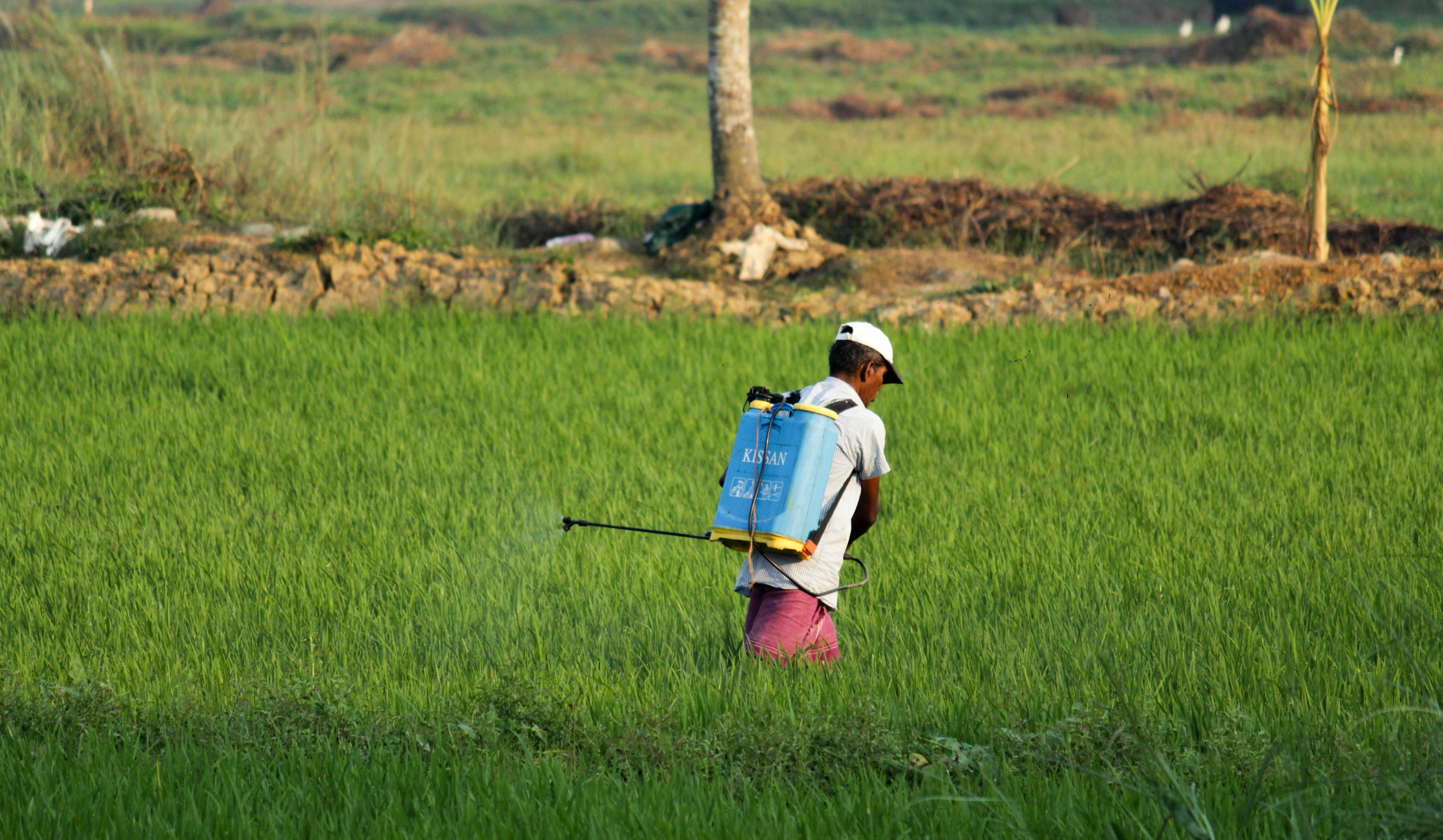
Implementing IPM involves a multi-faceted approach, moving beyond simple reactive spraying to proactive, knowledge-based decision-making. These insights are designed to empower Kenyan farmers with practical strategies.
1. Proactive Pest Monitoring: The Eyes and Ears of Your Farm
Effective IPM begins with knowing your enemy. Regular and systematic monitoring of pest populations is critical. This involves:
- Regular Field Scouting: Walk your fields regularly, inspecting crops for signs of pests and diseases. Note their presence, numbers, and the extent of damage.
- Pheromone Traps: These specialized traps release synthetic insect pheromones to attract and capture specific pest insects. They are excellent for early detection and monitoring population trends. A study conducted in Nakuru County demonstrated that farmers utilizing pheromone traps in tomato fields reduced their need for chemical sprays by up to 40%. For farmers keen on precise pest tracking, a reliable Pheromone Trap Kit – available on Amazon – can be an invaluable asset.
- Sticky Traps: Yellow or blue sticky traps are simple yet effective tools for monitoring flying insects like whiteflies, thrips, and aphids.
- Establishing Economic Thresholds: Learn the pest levels at which intervention becomes economically justified. Not every pest presence warrants action; minor infestations can often be tolerated or managed naturally.
2. Biological Controls: Harnessing Nature's Defenders
Nature provides its own pest management solutions through beneficial insects, fungi, and bacteria. Integrating these into your farm system can dramatically reduce pest pressure.
- Beneficial Insects: Encourage predators like ladybugs (prey on aphids), lacewings, and parasitic wasps. Planting flowering borders can provide nectar and pollen for these beneficial insects.
- Microbial Pesticides: These are derived from naturally occurring microorganisms. Examples include Bacillus thuringiensis (Bt) for caterpillars and neem-based sprays. Neem-based sprays are particularly effective in disrupting pest feeding and reproduction cycles, offering a safe and organic alternative. Research has shown that their application can cut pesticide costs by 30% while maintaining comparable yields.
- Entomopathogenic Fungi and Nematodes: These microscopic organisms infect and kill various soil-dwelling pests and insects.
3. Cultural Practices: Building a Resilient Farm Ecosystem
Many farming practices can naturally deter pests and promote crop health, reducing the need for direct intervention.
- Crop Rotation: This is a cornerstone of IPM. By rotating different crop families in a field over seasons, you disrupt the life cycles of specific pests that thrive on particular crops. This strategy also improves soil fertility and reduces disease build-up.
- Resistant Varieties: Whenever possible, choose crop varieties that are naturally resistant or tolerant to common pests and diseases in your region.
- Sanitation: Remove and destroy infected crop residues and weeds, which can harbor pests and diseases.
- Optimized Irrigation & Nutrition: Healthy, well-nourished plants are naturally more resistant to pests. Ensure proper watering and balanced nutrient supply, perhaps guided by a reliable Soil pH & Moisture Tester Kit – available on Amazon.
For a deeper dive into these and other sustainable practices, you can Explore sustainable organic farming solutions with Biofarm Kenya.
Case Studies, Examples, or Comparisons: IPM Success Stories Across Kenya
The theoretical benefits of IPM are well-documented, but seeing its practical application and proven success in Kenya provides the most compelling evidence. Farmers in various regions are already reaping the rewards.
In Nakuru County, a group of smallholder vegetable farmers faced significant losses due to whiteflies and spider mites, traditionally managed with expensive and often ineffective chemical cocktails. Through a collaborative effort with agricultural extension officers and Biofarm Kenya, they adopted an IPM strategy that prioritized regular monitoring using yellow sticky traps and introduced predatory mites. The farmers reported an average reduction of 60% in pesticide expenditure and a 15% increase in marketable yield due to healthier produce. This success story aligns with findings from the Kenya Agricultural and Livestock Research Organization (KALRO), which has published several reports on the efficacy of IPM in horticultural crops, demonstrating significant boosts in net profits by 25% over three years for early adopters.
Similarly, in Bungoma County, maize farmers struggling with fall armyworm infestations found relief through IPM. Instead of relying solely on synthetic insecticides, they integrated pheromone traps for early detection, deployed push-pull technology (intercropping maize with repellent plants like Desmodium and attractive trap crops like Napier grass), and encouraged natural predators. This holistic approach led to a substantial decrease in fall armyworm damage, reduced input costs, and improved grain quality, making their farms more resilient and profitable. These local triumphs underscore that IPM is not just an academic concept but a practical, economically empowering strategy for the diverse agricultural landscapes of Kenya.
Common Mistakes to Avoid: Navigating the IPM Journey
While IPM offers immense benefits, successful implementation requires careful attention. Avoiding common pitfalls can save time, money, and ensure the long-term health of your farm.
- Sole Reliance on One Method: IPM is about integration. Relying solely on biological control without monitoring, or only on crop rotation without addressing immediate pest threats, will yield suboptimal results. A balanced, multi-pronged approach is key.
- Ignoring Soil Health: Neglecting soil vitality is a critical error. Poor soil health leads to weak plants, which are more susceptible to pests and diseases. Invest in organic matter, composting, and proper soil nutrient management.
- Impatience and Expecting Instant Results: IPM is a long-term strategy. Unlike chemical sprays that offer immediate (though temporary) knockdown, biological and cultural controls take time to establish and show full effectiveness. Patience and consistent application are crucial.
- Lack of Proper Identification: Misidentifying a pest or disease can lead to ineffective interventions. Take the time to accurately identify the problem before acting. Consult extension officers or reliable guides.
- Over-Application of Organic Pesticides: Even organic pesticides like neem oil should be used judiciously and according to recommendations. Over-application can still harm beneficial insects and waste resources.
- Ignoring Weeds and Crop Residues: Weeds compete with crops for nutrients and water, and often serve as alternative hosts for pests. Unmanaged crop residues can harbor pests and diseases through to the next season. Regular field sanitation is vital.
Expert Tips & Best Practices: Implementing IPM with Confidence
To truly unlock the potential of IPM, adopt these expert tips tailored for the Kenyan farming context:
- Start Small and Learn: Don't overhaul your entire farm at once. Implement IPM strategies on a smaller plot first, observe the results, and then scale up. This allows you to learn and adapt without significant risk.
- Diversify Your Crops: Polyculture (growing multiple crops in proximity) can naturally confuse pests and attract more beneficial insects than monoculture. Consider intercropping or companion planting to enhance biodiversity.
- Water Management is Key: Implement efficient irrigation systems like drip irrigation. Overwatering can promote fungal diseases, while underwatering stresses plants, making them vulnerable. Conserve water and ensure precise delivery for optimal plant health. For efficient water use, consider investing in a Small Farm Drip Irrigation Kit – available on Amazon.
- Embrace Composting: Create your own compost from farm waste. This enriches your soil, reduces the need for synthetic fertilizers, and provides a habitat for beneficial soil microbes, enhancing overall plant immunity. Maintain healthy soil with Organic Compost Starter Mix.
- Continuous Education: Attend local agricultural workshops, connect with successful IPM practitioners, and stay updated on the latest research from institutions like KALRO. Knowledge is your most powerful tool.
- Record Keeping: Maintain detailed records of pest observations, treatments applied, weather conditions, and yields. This data will help you understand patterns, assess the effectiveness of your strategies, and make informed decisions for future seasons.
For tailored advice and access to cutting-edge organic farming resources, connect with us at Explore sustainable organic farming solutions with Biofarm Kenya.
Future Trends & Predictions: The Evolution of Sustainable Agriculture in Kenya
The landscape of sustainable agriculture in Kenya is continuously evolving, driven by innovation and a commitment to resilience. The future of IPM and sustainable farming will likely see several exciting trends:
- Precision Agriculture and AI: Drones and satellite imagery will become more accessible, providing real-time data on crop health, pest hotspots, and irrigation needs. AI-driven platforms will analyze this data to offer precise, localized IPM recommendations, optimizing resource use and reducing waste.
- Biotechnology and Biopesticides: Further research into novel biological control agents, including more specific microbial pesticides and insect pheromones, will offer even more targeted and environmentally friendly solutions. Gene-edited crops with enhanced pest resistance will also play a role, complementing traditional IPM.
- Vertical and Urban Farming: As land becomes scarcer and urbanization increases, controlled environment agriculture like vertical farms and urban greenhouses will expand. These systems naturally lend themselves to IPM, with reduced pest pressure and optimized growing conditions.
- Farmer-Led Innovations: The ingenuity of Kenyan farmers will continue to drive localized innovations. Community-based IPM initiatives, knowledge sharing through farmer field schools, and peer-to-peer learning networks will be crucial in disseminating best practices and adapting solutions to specific regional challenges.
- Climate-Smart Agriculture Integration: IPM will increasingly be integrated into broader climate-smart agricultural frameworks that aim to increase productivity, adapt to climate change, and mitigate greenhouse gas emissions. This holistic approach recognizes the interconnectedness of pest management, water use, and climate resilience.
These trends promise a future where Kenyan agriculture is not only highly productive but also robust, sustainable, and capable of thriving in a changing world.
Conclusion: Harvesting a Sustainable Future with IPM
The journey towards sustainable agriculture in Kenya is a continuous one, and Integrated Pest Management stands as a beacon guiding farmers towards greater profitability and environmental stewardship. By embracing IPM, Kenyan farmers are increasingly choosing a path that reduces dependency on expensive and harmful chemicals, instead harnessing nature's wisdom to cultivate resilient and productive farms. The success stories from Nakuru and Bungoma counties are not isolated incidents but represent a growing movement of farmers who have witnessed firsthand how monitoring, biocontrol, and crop rotation can significantly cut costs and boost net profits by as much as 25% over three years.
It’s time to move beyond skepticism and embrace the proven benefits of IPM. This approach empowers you to make informed decisions, protect your land, and ensure a bountiful harvest for generations to come. Discover trusted organic farming tools on Amazon and learn more about sustainable solutions with Biofarm Kenya. Join us in building a vibrant, sustainable, and prosperous agricultural future for Kenya.
Frequently Asked Questions (FAQs)
What exactly is Integrated Pest Management (IPM)?
Integrated Pest Management (IPM) is a holistic, ecosystem-based strategy that focuses on long-term prevention of pests or their damage through a combination of techniques such as biological control, habitat manipulation, modification of cultural practices, and use of resistant varieties. Pesticides are used only after monitoring indicates they are needed according to established guidelines and thresholds. Learn more about IPM principles from the EPA.
What are the core components of an effective IPM program?
An effective IPM program typically involves five major components: (1) Monitoring and identification of pests, (2) Establishing action thresholds, (3) Prevention through cultural practices like crop rotation and sanitation, (4) Control using biological, mechanical, or physical methods, and (5) Judicious use of pesticides as a last resort. Discover Biofarm Kenya's IPM strategies.
How does IPM reduce the need for chemical pesticides?
IPM reduces reliance on chemical pesticides by emphasizing preventive measures and non-chemical controls first. By monitoring pests, understanding their life cycles, and promoting natural enemies, IPM aims to keep pest populations below damaging levels, making broad-spectrum chemical sprays unnecessary. Explore USDA resources on IPM and pesticide reduction.
Is IPM expensive for smallholder Kenyan farmers to implement?
While some initial investments in monitoring tools or beneficial insects might be required, IPM is generally cost-effective in the long run. It reduces recurrent expenses on synthetic pesticides, improves soil health, and can lead to higher, more consistent yields. Many techniques, like crop rotation and sanitation, are low-cost. Calculate the long-term cost benefits with Biofarm Kenya.
Can IPM be applied to all types of crops grown in Kenya?
Yes, IPM principles are adaptable to virtually all crops and farming systems, from staple crops like maize and beans to high-value horticultural crops such as tomatoes, passion fruit, and leafy greens. The specific tactics might vary, but the underlying philosophy of integrated, informed pest management remains consistent. See KALRO's crop-specific research.
Where can Kenyan farmers receive training and support for IPM?
Kenyan farmers can access IPM training and support through various channels, including government agricultural extension services, agricultural research institutions like KALRO, non-governmental organizations (NGOs) focused on sustainable agriculture, and private sector initiatives like Biofarm Kenya. Farmer field schools are also excellent platforms for hands-on learning. Find IPM training programs through Biofarm Kenya.
External Authoritative Links:
- FAO - Integrated Pest Management
- Kenya Agricultural and Livestock Research Organization (KALRO)
- U.S. Environmental Protection Agency (EPA) - IPM Principles
- USDA National Agricultural Library - Integrated Pest Management
- Kenya Ministry of Environment and Forestry (for NEMA context)
- Kenya Ministry of Agriculture, Livestock, Fisheries and Cooperatives
Internal Biofarm Kenya Links (Examples):


0 Comments