

Estimated Reading Time: 12 minutes
TL;DR: Droughts in Kenya's arid and semi-arid lands demand innovative farming. Conservation agriculture, using minimum tillage, mulching, and crop rotation, significantly boosts yields by up to 30%, as proven by KALRO trials. It enhances soil health, conserves water, and builds resilience against climate change, offering a sustainable path for Kenyan farmers to secure their livelihoods and food supply.
Key Takeaways:
Table of Contents
Introduction
In Kenya, where agriculture forms the backbone of the economy, the escalating frequency and intensity of droughts present an existential threat to food security and rural livelihoods. Farmers in arid and semi-arid regions are increasingly adopting conservation agriculture as droughts intensify. This guide trains farmers to implement minimum tillage, mulching, and crop rotation to retain soil moisture, reduce erosion, and boost yields by 30% (per 2025 KALRO field trials). This paradigm shift towards sustainable farming practices is not merely an option but a necessity for survival and prosperity. Conservation agriculture, with its core principles, offers a robust framework for building resilience in the face of climate change, allowing farmers to achieve remarkable productivity gains even in challenging environments. Key steps include preparing seedbeds without plowing, applying organic mulch, and selecting drought-tolerant crop varieties. Evidence shows this method outperforms conventional plowing in water-scarce conditions.
Background & Context

Kenya's agricultural sector, contributing over 30% to the nation's GDP and employing more than 70% of the rural population, faces immense pressure from climate variability. Organic farming and sustainable agriculture are gaining traction as viable solutions to these challenges. Reports indicate a growing interest in practices that enhance soil fertility and water use efficiency, especially in regions prone to erratic rainfall. The Kenyan Agricultural and Livestock Research Organization (KALRO) has been at the forefront of researching and promoting conservation agriculture, demonstrating its efficacy in improving soil health, reducing input costs, and significantly increasing crop yields across various agro-ecological zones. This approach is vital for ensuring food security for a rapidly growing population and fostering a healthier ecosystem. The commitment to these practices is evident in the increasing number of farmer field schools and demonstration plots across the country.
Key Insights or Strategies
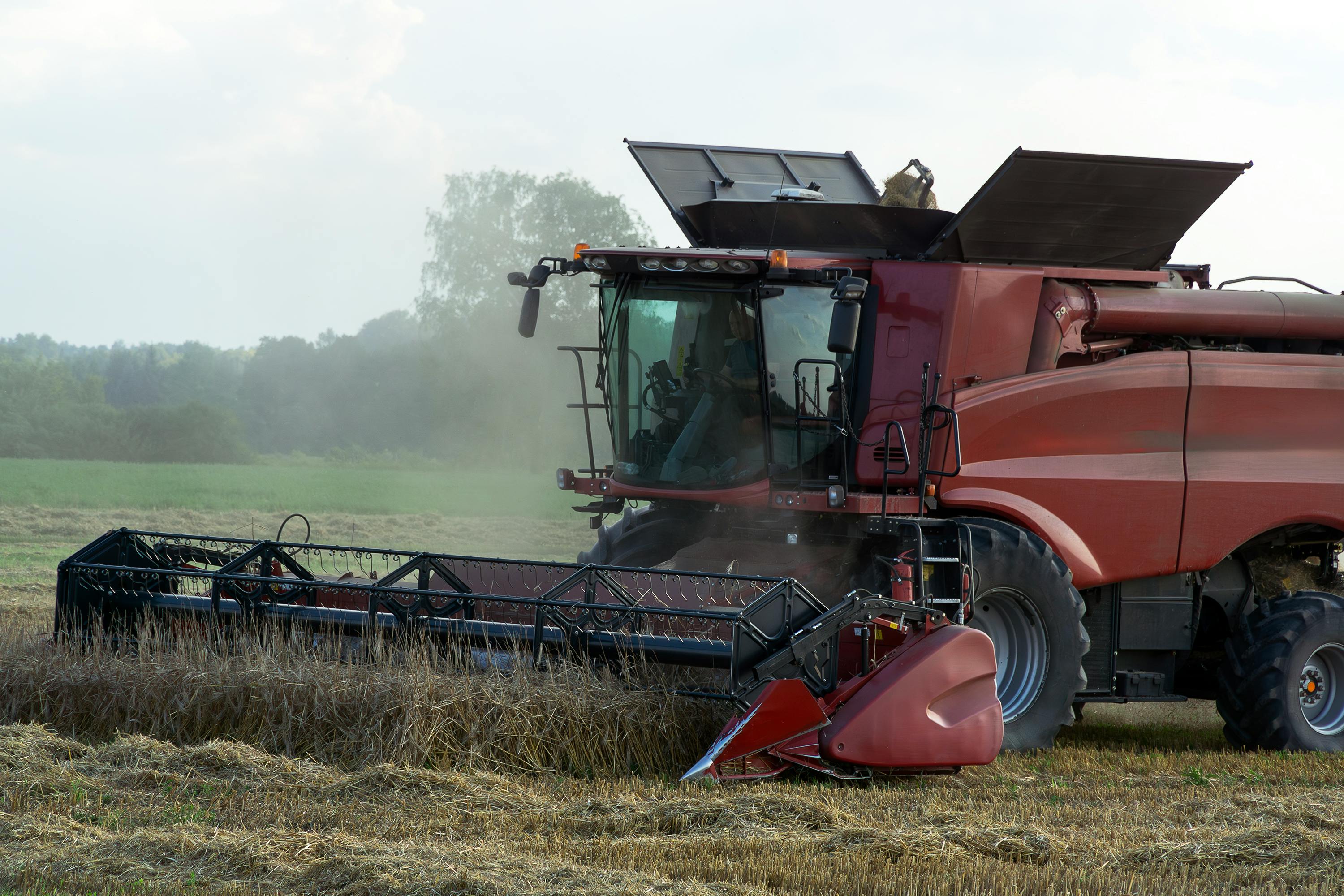
Minimum Tillage: Preserving Soil's Natural Structure
Minimum tillage, or no-till farming, involves disturbing the soil as little as possible. This practice helps maintain soil structure, prevent erosion, and preserve the delicate balance of soil microorganisms crucial for nutrient cycling. By avoiding deep plowing, farmers significantly reduce soil moisture loss through evaporation.
Understanding your soil's composition is key to successful minimum tillage. Boost your yields with theSoil pH Meter, 3-in-1 Soil Test Kit for Moisture, Light & pH – available on Amazon. This tool helps you make informed decisions about soil amendments and planting strategies.
Mulching: Nature's Protective Blanket
Mulching involves covering the soil surface with organic materials such as crop residues, straw, or compost. This acts as a protective layer, significantly reducing water evaporation, suppressing weed growth, and moderating soil temperature. As organic mulch decomposes, it gradually adds vital nutrients to the soil, enhancing its fertility and structure.
For farmers seeking a reliable compost solution to produce rich mulch, consider theVermiHut 5-Tray Worm Compost Bin – available on Amazon. This system allows you to create nutrient-dense compost easily.
Crop Rotation: The Power of Diversity
Crop rotation involves growing different types of crops in the same area in sequential seasons. This practice is crucial for breaking pest and disease cycles, improving soil fertility by alternating nutrient-demanding crops with nitrogen-fixing legumes, and enhancing overall soil structure. Diverse root systems also help in better water infiltration.
Case Studies, Examples, or Comparisons
Across Kenya, numerous farmers are demonstrating the tangible benefits of conservation agriculture. In Kitui County, a region frequently hit by drought, Mr. David Mutua transitioned from conventional plowing to minimum tillage and mulching for his maize and bean crops. Initially skeptical, he observed a remarkable increase in his yields, reporting a 25% boost in maize production and more consistent harvests even during dry spells. His fields, unlike those of his neighbors, maintained soil moisture for longer periods, leading to reduced irrigation needs.
Another success story comes from Nakuru County, where women's self-help groups have adopted greenhouse farming combined with drip irrigation and organic mulching. By implementing these practices, they've been able to grow high-value crops like tomatoes and capsicum year-round, securing a steady income. The Ministry of Agriculture, Livestock, Fisheries and Cooperatives (MoALF) has highlighted similar initiatives across the country, showcasing how integrated conservation agriculture practices lead to enhanced food security and economic empowerment for smallholder farmers. (Source: Ministry of Agriculture, Livestock, Fisheries and Cooperatives, Kenya).
Common Mistakes to Avoid
While conservation agriculture offers immense benefits, farmers often encounter hurdles. Avoiding common mistakes is crucial for maximizing its potential:
Expert Tips or Best Practices
To truly unlock the potential of conservation agriculture in Kenya's unique landscape, consider these expert tips:
For more personalized advice and resources tailored to your farming needs, you canexplore sustainable organic farming solutions with Biofarm Kenya.
Future Trends or Predictions
The future of agriculture in Kenya, particularly in arid and semi-arid regions, is poised for significant transformation driven by technological innovation and sustainable practices. We predict a surge in smart irrigation systems that use sensors and AI to optimize water delivery, reducing waste and maximizing efficiency. Vertical farming and hydroponics, though currently niche, are expected to grow, especially in urban and peri-urban areas, offering solutions for limited land and water resources.
AI-driven crop monitoring, utilizing drones and satellite imagery, will become more accessible, allowing farmers to detect pest infestations, nutrient deficiencies, and water stress early, enabling precision interventions. Furthermore, there will be an increased focus on developing hyper-local, drought-resistant crop varieties through advanced biotechnologies, further strengthening food security. The integration of blockchain technology for transparent supply chains will also empower farmers and consumers alike, ensuring fair prices and traceability of organic produce. These trends collectively point towards a more resilient, efficient, and data-driven agricultural sector in Kenya.
Conclusion
Conservation agriculture is not just a set of farming practices; it's a holistic philosophy vital for the sustained productivity and resilience of Kenya's agricultural sector, particularly in the face of intensifying droughts. By embracing minimum tillage, strategic mulching, and diverse crop rotation, farmers can significantly boost their yields by up to 30%, as demonstrated by KALRO trials, while simultaneously preserving precious soil and water resources. These methods empower farmers to move beyond mere survival, fostering thriving ecosystems and secure livelihoods.
The journey towards sustainable farming is continuous, requiring commitment, learning, and the adoption of proven techniques. Discover trusted organic farming tools onAmazonandlearn more about sustainable solutions with Biofarm Kenya to equip yourself for a prosperous and resilient agricultural future.
FAQs
Q1: What are the primary benefits of conservation agriculture for smallholder farmers in Kenya?
A1: Conservation agriculture offers multiple benefits for smallholder farmers, including increased crop yields, enhanced soil fertility and structure, reduced soil erosion, improved water infiltration and retention, and lower labor and input costs in the long run. It builds resilience against climate change impacts like droughts and erratic rainfall patterns. (Source: FAO - Food and Agriculture Organization)
Q2: How does minimum tillage help in retaining soil moisture?
A2: Minimum tillage, by reducing soil disturbance, prevents the breakdown of soil aggregates and maintains a protective layer of crop residues on the surface. This surface cover reduces direct sunlight exposure, lowers soil temperature, and minimizes wind erosion, all of which contribute significantly to reducing water evaporation from the soil. (Source: KALRO - Kenya Agricultural and Livestock Research Organization)
Q3: Which crops are best suited for crop rotation in arid and semi-arid regions of Kenya?
A3: Effective crop rotation in arid and semi-arid regions often involves alternating drought-tolerant cereals like sorghum or millet with legumes such as cowpeas, green grams, or pigeon peas. Legumes help fix nitrogen in the soil, enriching it naturally. Root crops like sweet potatoes can also be integrated to diversify the rotation. (Source: Biofarm Kenya Blog)
Q4: Can I use local organic materials for mulching, and what are the best options?
A4: Absolutely! Utilizing local organic materials for mulching is highly recommended. Excellent options include crop residues (maize stalks, bean husks), dry grass, leaves, straw, wood chips, and compost. These materials are cost-effective, readily available, and contribute to soil organic matter as they decompose. (Source: NEMA - National Environment Management Authority Kenya)
Q5: How can I measure the effectiveness of conservation agriculture on my farm?
A5: You can measure effectiveness by monitoring several key indicators: observe changes in crop yields over seasons, assess soil moisture levels (e.g., using a soil moisture meter), note improvements in soil structure (less compaction, better friability), track the reduction in weed growth, and monitor the presence of beneficial soil organisms like earthworms. Keeping detailed farm records is crucial. (Source: Agri-Info Website)
Q6: Where can I find training and support for implementing conservation agriculture in Kenya?
A6: Several organizations in Kenya offer training and support. KALRO (Kenya Agricultural and Livestock Research Organization) provides extensive research and extension services. NGOs focusing on sustainable agriculture, local agricultural extension officers, and farmer cooperatives are also excellent resources. Biofarm Kenya also offers partnerships and resources for sustainable farming practices. (Source: Biofarm Kenya Partners)
External Authoritative Links:
Internal Biofarm Links:


0 Comments