

Estimated Reading Time: 10 minutes
TL;DR:
- Embrace Integrated Pest Management (IPM) for effective fall armyworm control.
- Reduce pesticide usage by 60% with sustainable agriculture practices.
- Utilize resistant maize varieties and biological controls.
- Strengthen community monitoring for early pest detection.
- Save costs and increase yields through strategic agricultural investments.
Key Takeaways:
- Use agroecological IPM strategies to combat fall armyworm effectively.
- Adopt resistant maize varieties like WE2109 and DK777.
- Implement community-based monitoring to track pest infestation.
- Incorporate push-pull technology and natural predators in pest control.
- Explore sustainable organic farming solutions with Biofarm Kenya.
Background & Context
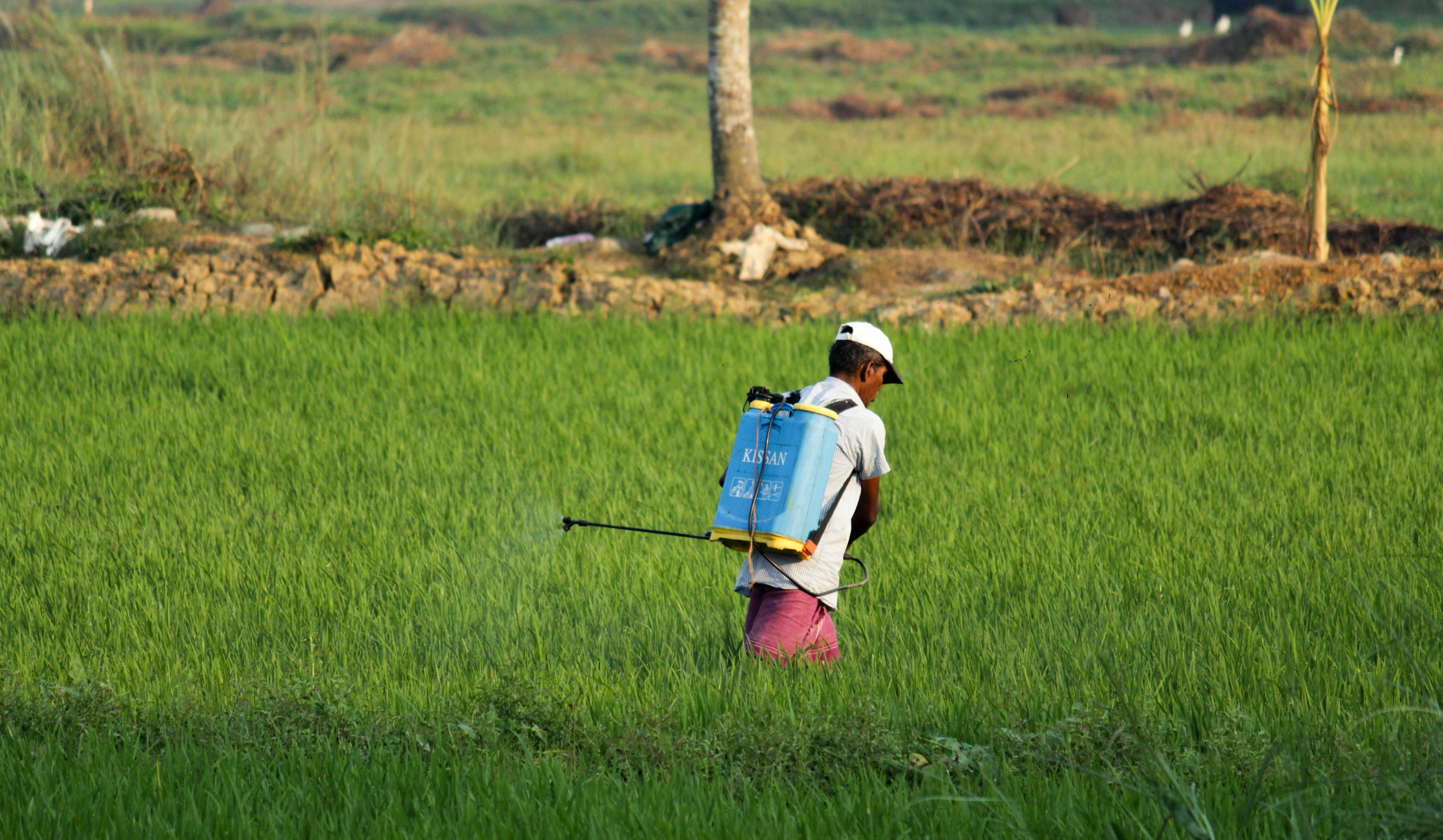
In Kenya, sustainable agriculture is becoming an essential component of farming landscape management. With fall armyworm remaining a prevalent pest causing significant maize yield losses, farmers are turning towards Integrated Pest Management (IPM) strategies. These practices not only cut down pesticide costs but also promote environmental sustainability and biodiversity.
Key Insights or Strategies
Early Scouting and Biological Controls
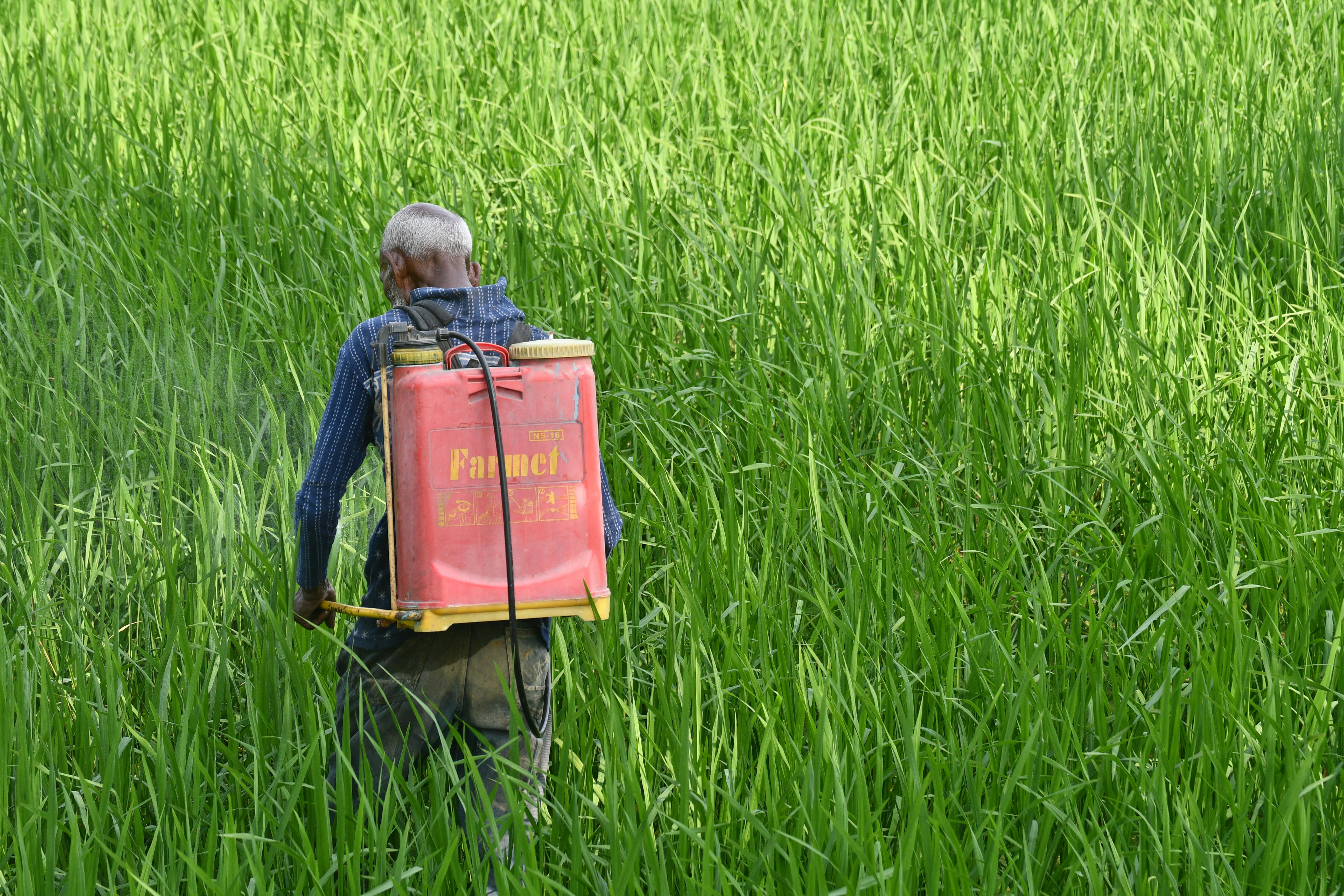
Implementing early scouting techniques and adopting biological control mechanisms, such as push-pull technology and introducing natural predators, can significantly curtail the fall armyworm population. Farmers can boost crop health and minimize pesticide usage.
- Conduct regular field inspections to identify early stages of infestation.
- Apply biological controls to target pests while preserving beneficial organisms.
- Utilize companion planting to disrupt pest cycles.
Enhance soil and crop health with the Down To Earth All Natural Fertilizers Organic Vegetable Garden, available on Amazon.
Also, explore sustainable organic farming solutions with Biofarm Kenya.
Resistant Maize Varieties
Selecting and planting fall armyworm-resistant maize varieties such as WE2109 and DK777 not only improves resilience against pests but also enhances yield stability. Engaging with local seed suppliers can ensure access to these high-performing hybrids.
Case Studies, Examples, or Comparisons
In the Central Highlands of Kenya, smallholder farmers adopting IPM have witnessed a 40% reduction in outbreak occurrence and up to 60% savings on chemical inputs. According to a report by the Food and Agriculture Organization (FAO), these strategies have promoted substantial economic resilience and ecological benefits, setting a precedence for broader adoption.
Common Mistakes to Avoid
- Over-reliance on chemical pesticides, which could accelerate resistance development in pests.
- Ignoring early pest detection protocols leading to more significant infestations.
- Failure to engage community-based monitoring, missing a collaborative effort in pest management.
Expert Tips or Best Practices
Deploying effective watering systems such as drip irrigation can maintain optimal soil moisture, crucial for pest deterrence. Consider integrating the Raindrip R560DP Drip Watering System, available on Amazon, for efficient farm watering solutions.
Explore more resources and support with Biofarm Kenya for comprehensive agricultural insights.
Future Trends or Predictions
Innovations such as AI-driven crop monitoring and smart irrigation systems are expected to revolutionize pest management and crop health monitoring. The incorporation of vertical farming practices and increased utilization of IoT technology will allow for more accurate, sustainable agriculture decisions and enhanced yield predictions.
Conclusion
Farmers in Kenya can harness IPM strategies to minimize fall armyworm damage effectively and sustainably. By transitioning to resistant maize varieties, biological controls, and community monitoring, they not only enhance yields but contribute positively to environmental conservation.
Discover trusted organic farming tools on Amazon and learn more about sustainable solutions with Biofarm Kenya.
FAQs
What are the best maize varieties for fall armyworm resistance?
Resilient varieties such as WE2109 and DK777 are recommended for their enhanced resistance. CGIAR Publications.
How can biological controls help in pest management?
Integrating natural predators reduces pest populations without harming beneficial organisms. FAO Guidelines.
What role does community monitoring play in pest control?
Community engagement in monitoring ensures early pest detection, facilitating timely interventions. Biofarm Kenya.
How effective is push-pull technology in managing fall armyworm?
This technique disrupts pest life cycles and enhances crop resilience. Push-Pull Technology.
What are the ecological benefits of reducing pesticide use?
Lower chemical use supports biodiversity and prevents soil degradation. NEMA Insights.
How can farmers access more sustainable farming tools?
Farmers can explore options through Amazon and Biofarm Kenya for reliable tools. KEFF Resources.


0 Comments