

Estimated Reading Time: 9 minutes
TL;DR: Kenya's robust avocado export strategy has positioned it as a global leader, generating significant foreign exchange. However, this economic boom often comes at the cost of local food security, as farmers prioritize lucrative export crops over staple foods, leading to price hikes and reduced dietary diversity for many Kenyans. Sustainable practices and balanced policy are crucial to ensure that agricultural prosperity doesn't exacerbate food crises, demanding a careful recalibration of market incentives and local food system support. Effective water management and diverse cropping systems are paramount for long-term ecological and societal well-being in the face of escalating climate challenges and global market pressures.
Key Takeaways:
- Kenya's avocado industry, while profitable, creates a direct tension between export revenue and domestic food availability.
- Smallholder farmers, often incentivized by higher export prices, shift away from cultivating traditional food crops, impacting local markets.
- Sustainable farming practices, including water conservation and intercropping, are vital to mitigate environmental degradation and support food diversity.
- Policy frameworks must be developed to balance export promotion with robust national food security strategies, including support for diverse local food systems.
- Consumers and businesses can play a role by demanding sustainably sourced avocados and supporting initiatives that prioritize fair trade and local food resilience.
Table of Contents:
- Introduction: The Green Gold Rush and Its Shadow
- Background & Context: Kenya's Avocado Ascendancy
- Key Insights & Strategies: Navigating Profit and Purpose
- Case Studies, Examples, or Comparisons: Lessons from the Field
- Common Mistakes to Avoid: Pitfalls in Pursuit of Prosperity
- Expert Tips & Best Practices: Cultivating a Sustainable Future
- Future Trends & Predictions: Adapting to a Changing Climate and Market
- Conclusion: Sowing Seeds for a Balanced Tomorrow
- FAQs
Introduction: The Green Gold Rush and Its Shadow
In the lush highlands of Kenya, a green revolution is underway, driven by the booming global demand for avocados. What began as a promising agricultural venture has rapidly transformed Kenya into one of the world's leading exporters of this coveted fruit. The allure of foreign currency and market access has propelled countless farmers to embrace avocado cultivation, creating a significant economic uplift for many. However, this very success casts a long shadow over a critical domestic concern: food security. The core issue revolves around how Kenya's avocado export strategy brings profit, but sparks a food security crisis for many, compelling us to explore the intricate ways market competition impacts growers and the national food supply.
The global appetite for Hass avocados, in particular, has seen Kenyan farmers pivot away from traditional food crops like maize, beans, and millet. While this shift often leads to higher individual incomes for those integrated into the export value chain, it simultaneously strains the availability and affordability of staple foods in local markets. This article delves deep into this complex dynamic, examining the economic boons and the societal costs, and proposing pathways toward a more sustainable and equitable agricultural future for Kenya. Understanding this balance is not just an economic discussion; it's a vital conversation about the well-being and nutritional future of an entire nation.
Background & Context: Kenya's Avocado Ascendancy
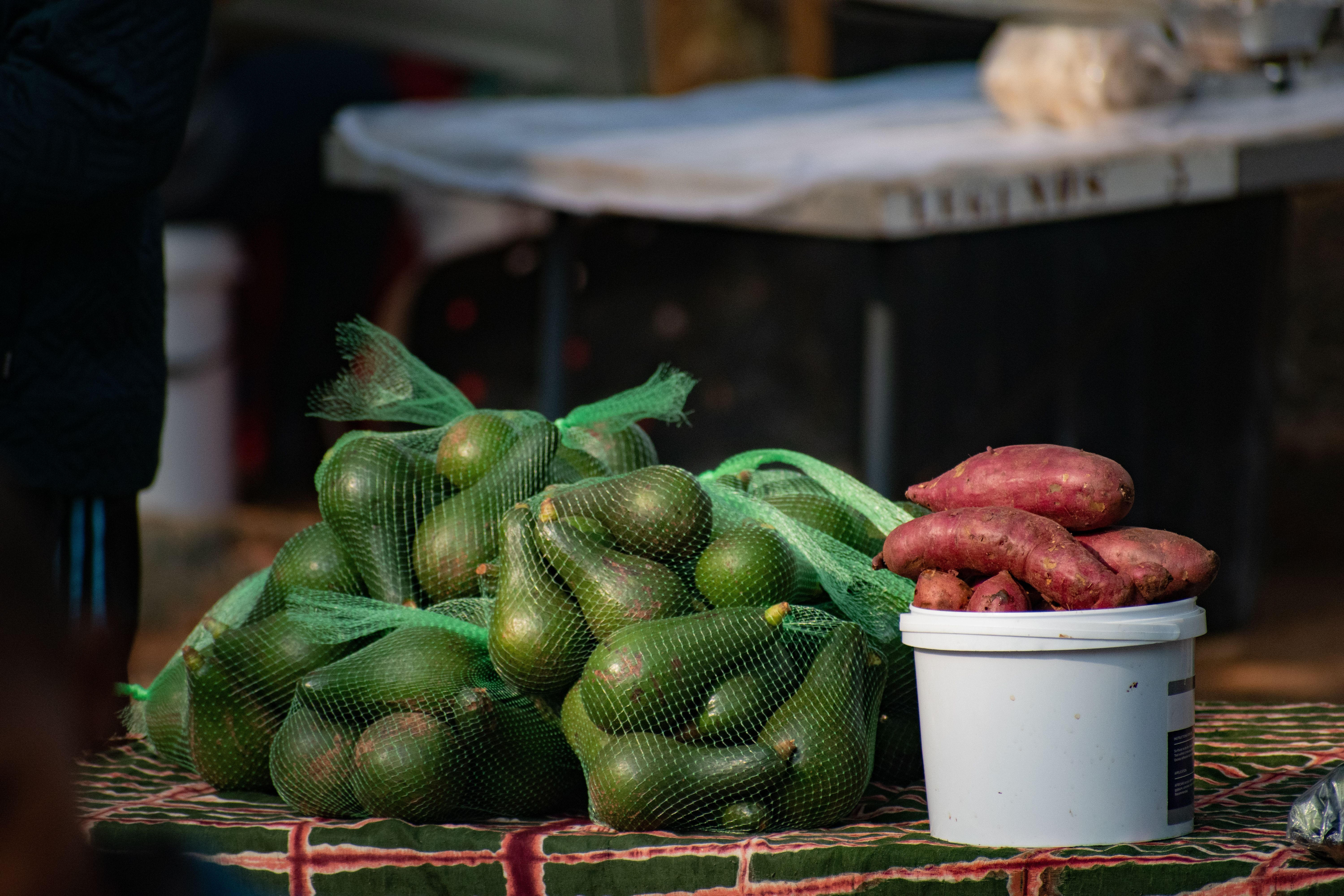
Kenya's journey to becoming an avocado powerhouse is a relatively recent phenomenon, accelerating over the past two decades. Favorable climatic conditions, fertile soils, and a strategic geographical location have made the country an ideal environment for avocado farming. The government, recognizing the potential for export earnings, has actively promoted avocado cultivation, encouraging farmers to adopt the high-value crop. This push has led to a dramatic increase in production and export volumes, solidifying Kenya's position as Africa's largest avocado exporter and among the top global players.
The economic benefits are undeniable. In 2022, Kenya's avocado exports reached a record high, generating over KES 14 billion (approximately USD 110 million), a significant contribution to the nation's foreign exchange earnings and rural livelihoods. This surge has, however, introduced unforeseen challenges to the delicate balance of food systems. A study published in the journal Food Policy highlighted that the conversion of land from food crops to cash crops, driven by export incentives, can directly reduce the supply of local food staples, leading to increased food prices and exacerbating food insecurity, particularly in rural households that are net food buyers (ScienceDirect - Food Policy). Furthermore, a report by the United Nations Food and Agriculture Organization (FAO) emphasizes that while export-oriented agriculture can boost national income, it often requires careful policy management to ensure it does not compromise domestic food availability and accessibility for vulnerable populations (FAO).
Key Insights & Strategies: Navigating Profit and Purpose

The dilemma facing Kenya’s agricultural sector—balancing the immense profitability of avocado exports with the urgent need for national food security—requires a multifaceted approach. Understanding the underlying dynamics is the first step towards crafting sustainable strategies.
Diversifying Agricultural Portfolios
A critical insight is the need for farmers to move beyond monoculture. While avocados offer high returns, relying solely on one crop exposes farmers to market volatility, pest outbreaks, and climate risks. Diversification can act as a buffer.
- Promote Intercropping: Encourage avocado farmers to intercrop with drought-resistant staple crops like sweet potatoes, cassava, or specific bean varieties. This not only provides food for household consumption but can also improve soil health and pest control naturally.
- Support Local Seed Systems: Invest in and promote local seed banks for indigenous food crops, ensuring that traditional, nutritious food sources remain accessible and resilient.
- Market Access for Diverse Produce: Create robust local market linkages for diversified produce, ensuring that farmers have viable options to sell both their cash crops and food crops.
Enhancing Water Stewardship
Avocado cultivation is relatively water-intensive. In a region prone to droughts, efficient water management is paramount to prevent resource depletion and potential conflicts.
- Implement Drip Irrigation: Subsidize and train farmers in modern drip irrigation techniques, which significantly reduce water waste compared to flood irrigation.
- Rainwater Harvesting: Encourage and provide incentives for the construction of rainwater harvesting systems at both farm and community levels, storing water for dry periods.
- Water-Efficient Avocado Varieties: Research and promote avocado varieties that are more water-efficient or better adapted to local rainfall patterns, without compromising yield or quality.
Strengthening Food Systems from Farm to Fork
Addressing food security goes beyond production; it encompasses the entire food value chain.
- Invest in Post-Harvest Infrastructure: Improve storage facilities, transportation networks, and processing capabilities for staple food crops to reduce post-harvest losses and ensure year-round availability.
- Consumer Awareness Campaigns: Educate consumers on the benefits of diverse diets and support local food movements, creating demand for locally grown, non-avocado produce.
- Fair Trade Initiatives for Local Markets: Develop fair trade certifications or similar initiatives that specifically benefit farmers selling staple foods in local markets, ensuring they receive fair prices.
By embracing these insights and strategies, Kenya can move towards a future where agricultural success is measured not just in export figures, but in the well-being and nutritional security of its people. To learn more about how sustainable practices can redefine agricultural success, Explore sustainable living solutions with Eco-Oasis Firm.
Case Studies, Examples, or Comparisons: Lessons from the Field
Examining real-world scenarios offers valuable lessons on how different regions and initiatives are navigating the complexities of cash crop economies and food security. The experiences of smallholder farmers in Kenya, contrasted with successful integrated farming models elsewhere, highlight pathways for improvement.
The Avocado Boom in Murang'a County, Kenya
Murang'a County, a prominent avocado-growing region, exemplifies the duality of Kenya's avocado strategy. Many smallholder farmers have seen their incomes increase significantly after switching to Hass avocados, allowing them to afford better housing, education, and healthcare. However, local markets in Murang'a have experienced a noticeable reduction in the diversity of locally grown food crops. Prices for staple foods like maize and beans often rise during certain seasons, as less land is allocated for their cultivation, creating hardship for non-farming households and even some farming families who rely on purchasing food. This illustrates a critical trade-off where regional economic prosperity in one sector can inadvertently create food scarcity in another.
Integrated Farming in Central America: A Counterpoint
In regions of Central America, such as parts of Mexico and Peru, where avocados are also a significant export, there's a growing movement towards integrated farming systems. Farmers are encouraged to plant diverse crops alongside their avocado orchards. For example, some farms successfully intercrop avocados with coffee, bananas, or citrus fruits, which provide additional income streams and help maintain biodiversity. More importantly, many farmers also dedicate portions of their land to growing staple foods for their families and local communities. This approach is supported by organizations that promote agroecology, ensuring that the economic benefits of cash crops do not compromise local food availability. This model offers a valuable comparison for Kenya, demonstrating that high-value export crops and food security are not mutually exclusive when careful planning and diversified agricultural practices are implemented. A report by the World Bank highlighted that diversified farming systems could increase household income resilience by up to 25% while also enhancing dietary diversity for local populations (World Bank).
Fairtrade Initiatives: Empowering Farmers, Securing Food
The role of fair trade certification cannot be overstated. While not directly focused on food crops, fair trade cooperatives for avocados in Kenya, such as the Kakuzi PLC and others working with smallholder groups, often provide farmers with stable prices and premiums. These premiums can be invested back into community projects, including water management, education, and sometimes even food security initiatives like community gardens or seed banks. By ensuring farmers receive a fair return for their produce, fair trade lessens the pressure to maximize land use solely for exports, potentially freeing up resources or land for food crops. This approach fosters a more equitable distribution of profits and empowers communities to make decisions that balance economic gain with local needs.
Common Mistakes to Avoid: Pitfalls in Pursuit of Prosperity
While the economic appeal of avocado farming is strong, several common pitfalls can undermine both environmental sustainability and long-term food security. Avoiding these mistakes is crucial for Kenya's agricultural future.
Exclusive Reliance on Monoculture
The intense focus on Hass avocado for export often leads to monoculture, where vast tracts of land are dedicated to a single crop. This practice significantly reduces biodiversity, making farms more susceptible to specific pests and diseases. Furthermore, it depletes specific soil nutrients, requiring heavier reliance on synthetic fertilizers, which can have adverse environmental impacts. A lack of crop diversity also leaves farmers vulnerable to market price fluctuations and climate shocks affecting that single crop.
Unsustainable Water Management Practices
Avocados are thirsty plants, and in regions already facing water stress, inefficient irrigation methods can lead to severe water scarcity. Over-extraction of groundwater for irrigation depletes aquifers, affecting local communities' access to clean drinking water and impacting other agricultural activities. The long-term consequences include desertification and increased competition for dwindling resources.
Neglecting Local Food Systems and Markets
A significant mistake is the failure to adequately support and integrate local food production alongside export-oriented agriculture. When farmers shift entirely to avocados, the supply of traditional staple foods in local markets dwindles, driving up prices and making nutritious food inaccessible for many. This oversight weakens local food resilience and can deepen existing food insecurity, creating a paradox where a country is agricultaculturally rich but its population struggles to feed itself.
Lack of Farmer Education and Extension Services
Many smallholder farmers, driven by the promise of profit, adopt avocado farming without sufficient knowledge of sustainable practices, proper pest management, or market dynamics beyond the immediate export opportunity. A lack of robust agricultural extension services means farmers might not be aware of best practices for soil health, water conservation, or the benefits of crop diversification, leading to suboptimal yields and environmental degradation over time.
Inadequate Policy Frameworks for Balance
Governments often prioritize export growth, sometimes at the expense of domestic food security policies. A common mistake is not developing comprehensive policy frameworks that actively incentivize a balance between export crops and local food production. This includes failing to provide support for farmers who wish to diversify, or to establish safety nets that protect vulnerable populations from food price hikes resulting from export-driven agricultural shifts.
Expert Tips & Best Practices: Cultivating a Sustainable Future
To truly harness the economic benefits of Kenya's avocado industry without compromising the nation's food security, adopting expert tips and best practices is essential. These strategies focus on holistic sustainability, empowering farmers, and strengthening local food systems.
Embrace Agroecology and Permaculture Principles
Move beyond conventional farming by integrating agroecological and permaculture principles. This involves creating diversified farm ecosystems that mimic natural processes, reducing the need for external inputs. For example, planting nitrogen-fixing cover crops around avocado trees improves soil fertility naturally and reduces erosion. Intercropping with various vegetables and herbs not only provides additional food and income but also enhances biodiversity, attracting beneficial insects and deterring pests. This approach fosters a healthier, more resilient farm environment.
Invest in Smart Water Management Technologies
Given the increasing unpredictability of rainfall and the water demands of avocados, smart water management is critical. Implement advanced irrigation systems such as drip irrigation or micro-sprinklers, which deliver water directly to the plant roots, minimizing evaporation and runoff. Explore water-saving tools like tensiometers and soil moisture sensors to precisely determine when and how much to irrigate, avoiding overwatering. Additionally, expand rainwater harvesting infrastructure—from large farm reservoirs to smaller domestic tanks—to capture and store water during rainy seasons for use during dry spells.
Strengthen Farmer Cooperatives and Training
Empowering farmers through strong cooperatives and continuous training is paramount. Cooperatives can provide collective bargaining power, better access to markets (both local and international), and shared resources. Offer regular training programs on sustainable agricultural techniques, integrated pest management, organic farming methods, and financial literacy. Equip farmers with the knowledge to make informed decisions about crop diversification, market trends, and risk management. This also includes educating them on the long-term benefits of maintaining a balance between cash crops and food crops.
Prioritize Local Food Markets and Value Chains
Do not let the focus on international exports overshadow the importance of robust local food markets. Actively promote and invest in local food value chains. This could involve creating farmers' markets, establishing community-supported agriculture (CSA) programs, and developing local processing facilities for traditional food crops. Government policies could offer incentives for farmers who dedicate a portion of their land to growing staple foods for local consumption, ensuring a stable and affordable food supply. Try switching to Explore sustainable living solutions with Eco-Oasis Firm for resources that support local agricultural sustainability.
Advocate for Policy Reforms that Balance Trade and Food Security
Engage with policymakers to advocate for agricultural policies that foster a balanced approach. This means developing strategies that support export growth while simultaneously safeguarding and enhancing national food security. Policies could include land-use planning that reserves certain areas for food crop production, subsidies for farmers growing staple foods, and regulatory frameworks that ensure responsible resource management, particularly water. It is a nuanced challenge, but with deliberate policy choices, Kenya can achieve both economic prosperity and food sovereignty.
Future Trends & Predictions: Adapting to a Changing Climate and Market
The future of Kenya’s avocado industry and its impact on food security will be shaped by several evolving trends, encompassing climate change, global market dynamics, and technological advancements. Understanding these trajectories is vital for proactive adaptation and strategic planning.
Climate Change: Increased Volatility and Resource Scarcity
Climate change is arguably the most significant future trend. Predictions suggest increased frequency and intensity of extreme weather events in Kenya, including prolonged droughts and unpredictable heavy rains. This will place immense pressure on water resources, crucial for avocado cultivation. Farmers will need to adapt by adopting highly drought-resilient avocado varieties and implementing advanced water-saving technologies more broadly. Expect a shift towards climate-smart agriculture that integrates weather forecasting with planting and irrigation schedules. The long-term viability of avocado farming in certain traditional regions may come into question, potentially pushing cultivation into new, cooler, and wetter areas.
Evolving Global Consumer Demands: Sustainability and Traceability
Global consumers are becoming increasingly conscious of the environmental and social footprint of their food. There will be a growing demand for sustainably sourced avocados, with clear traceability back to ethical farms. This includes demands for less water usage, fair labor practices, and minimal chemical inputs. Kenyan exporters will need to adapt by securing certifications like Fairtrade, Rainforest Alliance, or GLOBALG.A.P., making sustainability not just an ethical choice but a market necessity. Producers who can demonstrate their commitment to ecological stewardship and community well-being will gain a competitive edge.
Technological Innovations in Agriculture (Agri-tech)
Agri-tech is set to revolutionize farming in Kenya. Drones for crop monitoring, AI-powered pest detection, precision irrigation systems, and blockchain for supply chain transparency will become more prevalent. These technologies can significantly improve efficiency, reduce waste, and enhance crop yields, potentially mitigating some of the resource pressures. For instance, remote sensing can help identify water stress in orchards before it becomes visible, allowing for targeted irrigation. Predictive analytics based on climate data can help farmers make better planting decisions. The challenge will be ensuring these technologies are accessible and affordable for smallholder farmers.
Intensified Market Competition and Diversification
As more countries enter the avocado export market, competition will intensify. Kenya will need to focus on maintaining its competitive edge through quality, efficient logistics, and potentially, unique value-added products (e.g., avocado oil, guacamole). Simultaneously, there will be a continued need for agricultural diversification beyond avocados. Governments and organizations will likely push for a stronger emphasis on resilient food crops, potentially with incentives for farmers to cultivate a balanced portfolio. This could lead to innovative agricultural models that combine high-value export crops with robust local food production systems, ensuring both economic prosperity and national food security.
Conclusion: Sowing Seeds for a Balanced Tomorrow
Kenya's journey with the avocado has been a compelling narrative of economic triumph intertwined with profound societal challenges. While the 'green gold' has undeniably brought significant profits and lifted many out of poverty, the shadow of a looming food security crisis demands urgent attention. The tension between prioritizing lucrative export markets and ensuring adequate, affordable food for all Kenyans is a complex issue with no simple solutions, but a clear path forward exists through integrated, sustainable strategies.
To achieve a truly sustainable and equitable future, Kenya must champion diversified farming systems, invest in smart water management, strengthen farmer cooperatives, and enact policies that balance export growth with robust food security. This requires a shift in mindset—from viewing agriculture solely as an export engine to recognizing its fundamental role in nourishing a nation. By fostering agroecological practices, empowering smallholder farmers with knowledge and resources, and revitalizing local food systems, Kenya can cultivate an agricultural landscape where economic prosperity and food sovereignty coexist. The choices made today will determine whether the avocado legacy is one of shared prosperity or deepened vulnerability. It is a collective responsibility to sow the seeds for a balanced tomorrow, where every Kenyan has access to nutritious food.
For more insights and to join the movement towards a sustainable future, Explore sustainable living solutions with Eco-Oasis Firm.
FAQs
Q1: Is avocado farming sustainable in Kenya considering water use?
A1: The sustainability of avocado farming in Kenya, particularly concerning water use, is a growing concern. While avocados are a high-value crop, they are relatively water-intensive. In regions prone to droughts, extensive avocado cultivation without efficient water management practices can strain local water resources, impacting communities and other agricultural activities. The key to sustainability lies in adopting smart irrigation technologies like drip systems, rainwater harvesting, and promoting water-efficient avocado varieties to minimize environmental impact (WWF).
Q2: How does Kenya's avocado export strategy affect the local economy beyond farmer profits?
A2: Beyond direct farmer profits, Kenya's avocado export strategy significantly boosts the national economy through foreign exchange earnings, which are crucial for importing essential goods and servicing national debt. It also creates employment opportunities in the entire value chain, from farm labor and transportation to packing and export logistics. However, it can also lead to increased food prices locally as land and labor shift from staple food crops to avocados, impacting the purchasing power and food security of non-farming households and urban populations (Brookings Institution).
Q3: What are the social impacts of avocado farming in Kenya?
A3: The social impacts are mixed. On one hand, increased income for avocado farmers can lead to improved living standards, better access to education for children, and enhanced healthcare. On the other hand, the shift to cash crops can displace traditional food production, potentially leading to reduced dietary diversity and increased food insecurity for vulnerable groups. There are also concerns about land rights, especially for smallholder farmers, and labor conditions within the larger commercial farms (Human Rights Watch).
Q4: What crops do Kenyans traditionally eat, and how are they affected by avocado expansion?
A4: Kenyans traditionally rely on staple crops such as maize, beans, millet, sorghum, sweet potatoes, and various leafy greens. These crops form the backbone of the local diet and provide essential nutrients. The expansion of avocado farming often means less land is available for these traditional food crops, leading to reduced domestic supply. This can drive up their market prices, making them less accessible for low-income households and potentially contributing to nutritional deficiencies as diets become less diverse (IFPRI).
Q5: What is the future outlook for avocado farming in Kenya, considering global demand and local challenges?
A5: The future outlook for avocado farming in Kenya is characterized by continued global demand, particularly from Europe and Asia, ensuring its profitability. However, local challenges such as climate change (droughts, unpredictable rainfall), increased competition from other producing countries, and the ongoing tension with food security will shape its trajectory. Success will depend on Kenya's ability to innovate, adopt sustainable practices, diversify agricultural portfolios, and implement policies that strategically balance export growth with robust domestic food production and environmental stewardship (UNCTAD).
Q6: How can Kenya balance avocado exports and food security effectively?
A6: Balancing avocado exports and food security effectively requires a comprehensive approach. Key strategies include promoting intercropping avocados with staple food crops, investing in water-efficient irrigation systems, strengthening farmer cooperatives for better market access and training, and developing policies that incentivize agricultural diversification. Furthermore, robust support for local food markets and value chains, combined with consumer education on diverse diets, can ensure that economic gains from exports do not come at the expense of national nutritional well-being (CGIAR).
Internal Link Suggestions:


0 Comments